Trusted by 150+ Homeowners
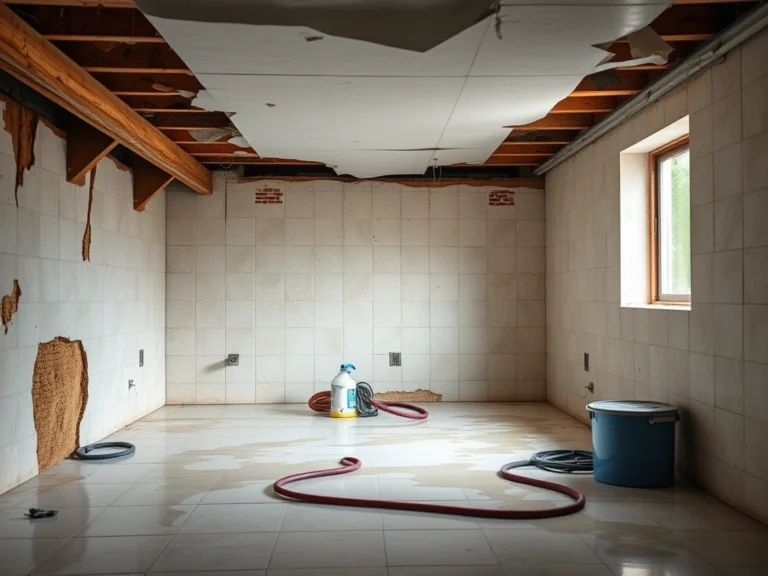
Water-Damaged Flooring Removal in Argyle, TX
- Over 150 5-Star Reviews
- Free Estimates and Quotes
- 100% Satisfaction Guaranteed
- Child, Family & Pet Safe Steps
- 24-Hour Emergency Service
- Fully Licensed & Insured

Expert Water-Damaged Flooring Removal in Argyle, TX
When water invades your home, it doesn’t just leave puddles; it can quietly destroy the floors beneath your feet. We’ve seen firsthand how quickly a small leak can turn into a major headache, especially in homes around Argyle, TX, where different types of foundations and property layouts present unique challenges. Our team specializes in the careful and efficient removal of water-damaged flooring, addressing the immediate threat and preventing further issues down the line. We understand the stress this disruption causes and are here to make this part of the process as smooth as possible for you. You’ll appreciate our focused approach to removal.
With over 165 five-star reviews from homeowners in your neighborhood, you know you’re choosing a team that gets it right. People trust us because we don’t just remove flooring; we remove the worry that comes with it. We’ve learned what works best for various materials, from delicate hardwoods to resilient vinyl, ensuring your property is treated with the utmost care. Our commitment is to provide a thorough and professional removal, setting the stage for successful repairs and restoration. You can count on our dedicated local crews.
- Swift and complete removal of waterlogged materials to prevent mold growth and structural damage.
- Specialized techniques for handling various flooring types, protecting your subfloor during removal.
- Clear communication throughout the process, so you always know what to expect.
How Water-Damaged Flooring Removal Actually Works
Removing water-damaged flooring isn’t just about ripping up wet carpet. It’s a meticulous process that requires understanding how water affects different materials and the underlying structures. Cutting corners here can lead to persistent mold problems, weakened subfloors, and costly repairs later. Our team follows a proven protocol to ensure every bit of damaged material is identified and removed safely and effectively. We’re committed to thorough damage assessment and precise material extraction.
Initial Assessment and Containment
The first step is always a detailed inspection to determine the extent of the water damage and which flooring materials are affected. We’ll assess the water source and immediately work to contain any ongoing leaks if possible. This ensures no further damage occurs while we plan the removal strategy. We use moisture meters to map out the saturated areas.
Material Identification and Safety Precautions
Not all flooring reacts the same way to water. We identify the type of flooring—hardwood, laminate, tile, carpet—and any potential hazards, such as loose tiles or warped boards. Safety is paramount; our crews wear appropriate personal protective equipment (PPE) to handle potentially contaminated water and debris. We’re trained in safe removal practices.
Controlled Demolition and Removal
Depending on the material, removal can be delicate or more aggressive. For carpets and padding, it’s usually straightforward. For hard surfaces like wood or tile, we use specialized tools to lift and remove them without causing undue damage to the subfloor. Our goal is a clean and efficient tear-out. We employ precision demolition tools.
Subfloor Inspection and Cleaning
Once the flooring is removed, we thoroughly inspect the subfloor for any signs of damage or moisture. Any remaining moisture is addressed immediately using specialized drying equipment. We then clean and sanitize the subfloor to prepare it for the next stage of restoration. This step is crucial for preventing future mold.
Debris Disposal
Proper disposal of water-damaged materials is essential. We handle all the hauling and disposal, ensuring it’s done according to local regulations. You won’t have to worry about a thing; we manage the complete debris removal.
Don’t let water-damaged floors linger. Contact us today to get your flooring removal started quickly and efficiently. We’re ready to help you take back your home.
Warning Signs You Need Water-Damaged Flooring Removal
Ignoring early warning signs of water damage in your flooring can lead to much bigger, more expensive problems down the road. Catching these issues early means quicker removal and a better chance of salvaging subfloors. It’s important to be aware of what to look for in your home. Early detection saves significant repair costs.
Musty Odors That Won’t Go Away
A persistent musty or moldy smell, especially after a leak or flood, is a strong indicator that moisture is trapped beneath your flooring. This odor often means mold or mildew is already starting to grow. You need to address hidden moisture.
Visible Stains or Discoloration
Water stains, dark spots, or discoloration on your flooring, especially along baseboards or in seams, are clear signs of water intrusion. These marks show where water has saturated the material and potentially the subfloor. Look for unexplained floor marks.
Warping or Buckling Floors
Hardwood, laminate, and even some vinyl flooring can warp, swell, or buckle when exposed to excess moisture. If you notice sections of your floor lifting or unevenness, it’s a direct result of water saturation. Prompt removal prevents further structural compromise.
Soft or Spongy Spots
Walking on certain areas of your floor and feeling a soft, spongy, or giving sensation means the subfloor or underlayment has likely become saturated and compromised. This is a critical sign that the flooring needs to be removed. Don’t ignore unstable flooring sections.
Peeling or Loose Seams/Edges
For materials like vinyl, linoleum, or carpet, you might see seams or edges starting to peel away or lift. This often happens when the adhesive fails due to prolonged moisture exposure. It’s a sign that the material is no longer secure. We offer reliable removal services.
Changes in Appearance
Beyond stains, you might notice changes in the texture or finish of your flooring. It might look duller, feel rougher, or show signs of material breakdown. These visual cues indicate that the flooring’s integrity has been compromised by water. Act fast to preserve your subfloor.
Water-Damaged Flooring Removal vs. DIY: When To Call a Professional
| Situation | DIY? | Call a Pro? | Why |
|---|---|---|---|
| Small area of carpet saturated by a minor spill, dried quickly. | Yes | No | Minimal risk of mold or subfloor damage if dried completely. |
| Large area of carpet or padding soaked from a burst pipe or appliance leak. | No | Yes | High risk of mold, odor, and subfloor damage; specialized drying needed. |
| Hardwood flooring visibly cupping or warping after a significant water event. | No | Yes | Requires careful removal to avoid damaging subfloor and potential mold issues. |
| Tile flooring with grout that has become loose or discolored from standing water. | Maybe (small, isolated area) | Yes (large or persistent issues) | Loose tiles can indicate subfloor saturation; professionals ensure proper subfloor inspection. |
| Laminate flooring showing signs of swelling or buckling. | No | Yes | Laminate swells significantly and can trap moisture, leading to mold. |
| Suspected mold growth under any flooring type. | Absolutely Not | Yes | Mold remediation requires specialized safety protocols and equipment. |
While small, isolated spills might be manageable with quick drying, any significant water event affecting your flooring warrants professional attention. Relying on a pro ensures that the entire damaged area is addressed and that potential secondary issues like mold are prevented. It’s about protecting your investment.
Water-Damaged Flooring Removal Cost In Argyle, TX
The cost for water-damaged flooring removal in Argyle, TX, can vary significantly based on the extent of the damage, the type of flooring, and the size of the affected space. These are general estimates to help you budget. An on-site assessment provides the most accurate pricing. We offer transparent cost estimates.
| Service | Typical Price Range | What Affects Cost |
|---|---|---|
| Carpet and Padding Removal (per sq ft) | $1.00 – $3.00 | Thickness of padding, accessibility of the area. |
| Hardwood/Laminate Flooring Removal (per sq ft) | $2.00 – $7.00 | Adhesive type, condition of the material, need for specialized tools. |
| Tile Flooring Removal (per sq ft) | $3.00 – $10.00 | Type of tile, amount of thin-set, risk of subfloor damage. |
| Subfloor Inspection and Moisture Testing | $200 – $500 (initial assessment) | Size of the area, complexity of the subfloor. |
| Minor Subfloor Cleaning and Sanitizing | $300 – $800 | Level of contamination, size of the area. |
| Debris Hauling and Disposal | $200 – $600 | Volume of materials removed, distance to disposal site. |
For an exact quote tailored to your specific situation, please schedule a free estimate with our team. We’ll provide a detailed breakdown of the costs involved for your flooring removal needs.
Service Areas Near Argyle, TX
Corinth, Lake Dallas, Denton, Lewisville, Flower Mound, Highland Village, Coppell, Frisco, Prosper, Little Elm, Sanger, Krum, Justin, Northlake, Roanoke, Keller, Southlake, Haslet, Ponder, Argyle.
Common Questions About Water-Damaged Flooring Removal
How quickly do I need to remove water-damaged flooring?
You should aim to remove water-damaged flooring as soon as possible, ideally within 24-48 hours of the water event. The longer saturated materials remain, the higher the risk of mold growth, structural damage to the subfloor, and persistent odors. Our team is available to provide rapid response removal to mitigate these risks.
What does water-damaged flooring removal typically cost?
The cost varies based on the flooring type, the size of the affected area, and the severity of the damage. For example, carpet removal is generally less expensive than removing glued-down hardwood or tile. We provide detailed cost breakdowns after an on-site assessment to give you the clearest picture.
Will insurance cover the cost of water-damaged flooring removal?
In many cases, yes, if the water damage was caused by a covered peril (like a burst pipe or storm damage). If the damage is due to neglect or a gradual leak, coverage might be limited. We can help you navigate the process and provide the necessary documentation for your insurance claim, making the claims process smoother.
Can I remove water-damaged flooring myself, or should I hire a professional?
For minor spills on certain materials that dry quickly, DIY might be an option. However, for significant water saturation, especially with materials like carpet, padding, or glued-down floors, professional removal is highly recommended. Professionals have the equipment and expertise to ensure complete removal and proper subfloor inspection, preventing hidden mold and structural issues.
What are the health risks associated with not removing water-damaged flooring promptly?
The primary health risk is mold growth. Mold spores can become airborne and cause respiratory problems, allergic reactions, and other health issues, especially for individuals with pre-existing conditions like asthma. Additionally, stagnant water can attract pests. Prompt removal by our team helps ensure a healthier indoor environment.
Check Our Other Relevant Services

Paul Kerns: Damage Restoration Expert
Paul Kerns is a licensed restoration authority with over 20 years of experience in disaster recovery and property mitigation. His extensive background makes him a leading voice in restoring residential and commercial structures to pre-loss condition with precision and care.
𝗖𝗲𝗿𝘁𝗶𝗳𝗶𝗰𝗮𝘁𝗶𝗼𝗻𝘀: Paul is highly credentialed through the IICRC, holding specialized certifications in Water Damage Restoration, Mold Remediation, Applied Structural Drying, Odor Control, and Fire and Smoke Restoration. His technical expertise ensures every project adheres to rigorous safety and environmental standards.
𝗕𝗲𝘀𝘁 𝗣𝗮𝗿𝘁 𝗼𝗳 𝘁𝗵𝗲 𝗝𝗼𝗯: Paul finds the most reward in providing a sense of calm during a crisis, helping clients navigate the complexities of recovery to reclaim their homes.
𝗙𝗮𝘃𝗼𝗿𝗶𝘁𝗲 𝗣𝗮𝘀𝘁𝗶𝗺𝗲: Outside of work, Paul enjoys restoring vintage furniture and fishing at the lake.