Trusted by 150+ Homeowners
Water-Damaged Flooring Removal in Richland Hills, TX
- Over 150 5-Star Reviews
- Free Estimates and Quotes
- 100% Satisfaction Guaranteed
- Child, Family & Pet Safe Steps
- 24-Hour Emergency Service
- Fully Licensed & Insured

When Your Floors Soak Up Trouble in Richland Hills, TX
You walk into a room, and there it is. A strange discoloration on your carpet, a warped edge on your hardwood, or maybe a soft, spongy feeling underfoot. That sinking feeling hits you. It’s not just a spill; it’s water damage, and it’s gotten into your flooring. You can even smell it – that faint, unpleasant odor that signals trouble. Getting it handled fast is your priority now.
Homeowners around here trust us when their floors are compromised by water. We’ve helped over 165 neighbors achieve remarkable results, and they’ve shared their experiences. You’ll see why so many choose our team for specialized water damage cleanup when their flooring is at risk.
- We focus on the unique challenges water presents to different flooring types, ensuring the right approach for your specific situation.
- Our technicians use advanced moisture detection tools to pinpoint exactly where the water is hiding, even out of sight.
- We help prevent long-term issues like mold growth and structural damage by thoroughly removing all moisture from your subfloor and materials.
How We Tackle Water-Damaged Flooring Head-On
Removing water-damaged flooring isn’t just about pulling up carpet. It’s a methodical process requiring specialized knowledge and equipment. Ignoring potential problems can lead to much larger, more expensive repairs down the line. Our crews understand the science of water extraction and drying, and we approach every job with precise, technical skill.
Assessment and Containment
First, we’ll carefully inspect the affected area. We use moisture meters to measure exact water content in your flooring, subfloor, and even nearby walls. Then, we’ll set up containment barriers if needed, especially if mold is suspected, to prevent the spread of spores. This step is crucial for safety.
Water Extraction
For standing water, we deploy powerful extraction units. These machines are designed to remove bulk water quickly and efficiently. We’ll use specialized tools to get as much water out as possible, minimizing residual moisture. This stage is often completed within hours.
Controlled Drying
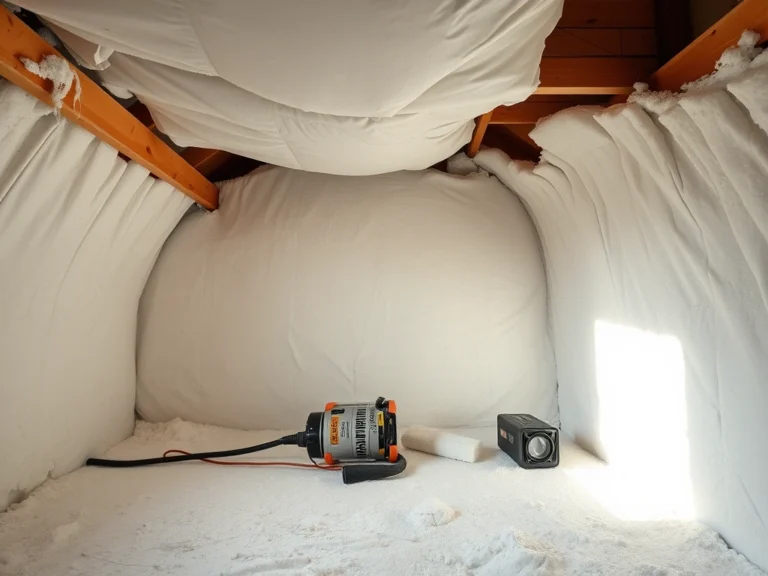
Once the standing water is gone, the real work of drying begins. We bring in industrial-grade air movers and dehumidifiers. These machines create specific airflow patterns and control humidity levels to speed up the drying process. We monitor moisture levels constantly to ensure we’re reaching the desired dryness.
Subfloor Inspection and Treatment
Your subfloor is critical. We’ll check it thoroughly for any lingering moisture or damage. If necessary, we can apply antimicrobial treatments to prevent mold and mildew. This step ensures a healthy foundation for whatever comes next.
Material Removal and Disposal
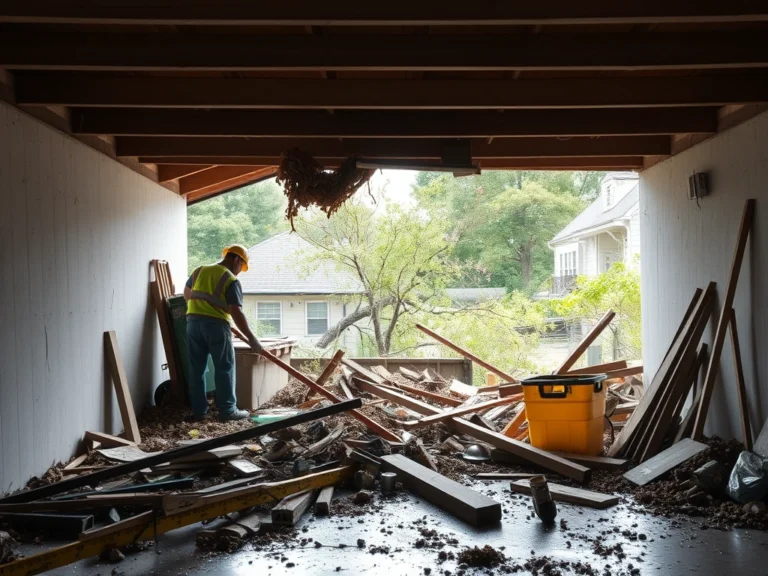
Often, water-damaged flooring materials are unsalvageable. We carefully remove and dispose of compromised carpet, padding, engineered wood, or laminate. We handle this with minimal disruption to your home and ensure proper waste disposal.
Don’t let water damage linger. Call us immediately to get your flooring assessment started. We’re ready to help you reclaim your home.
Warning Signs You Need Water-Damaged Flooring Removal
Catching the signs of water damage early can save you a lot of headaches and money. Ignoring subtle clues can allow moisture to spread, leading to costly structural issues and potential health hazards. Pay close attention to what your home is telling you.
Musty Odors That Won’t Go Away
A persistent, damp, or musty smell is a strong indicator that water has penetrated your flooring and is likely trapped underneath. This smell often means mold is starting to grow.
Visible Stains or Discoloration
Look for dark spots, water rings, or uneven coloring on your carpet, wood, or tile. These visual cues mean water has saturated the material and is likely affecting the subfloor too. Don’t overlook these marks.
Warped or Buckled Flooring
Hardwood and laminate floors are particularly susceptible. If you see edges lifting, boards separating, or a general unevenness, it’s a clear sign of moisture-induced swelling.
Soft or Spongy Spots
Carpet and its padding can become compressed and feel unusually soft or springy when wet and then dried improperly. This indicates that the underlying structure is compromised.
Peeling or Bubbling
Vinyl or linoleum flooring can start to peel away from the adhesive or bubble up if moisture gets underneath. This is a sign of failed adhesion due to water.
Increased Humidity in the Room
If a specific room feels unusually damp, humid, or warmer than the rest of your home, it could be due to trapped moisture from a leak affecting your flooring. Trust your senses on this one.
Water-Damaged Flooring Removal vs. DIY: When To Call a Professional
| Situation | DIY? | Call a Pro? | Why |
|---|---|---|---|
| Minor spill on tile with no grout issues | Yes | No | Tile is generally waterproof and easy to clean up. |
| Small section of saturated carpet in a well-ventilated area | Maybe | Yes | Drying thoroughly is difficult; mold can form unseen. |
| Warped hardwood or laminate flooring | No | Yes | These materials swell and can be permanently damaged; subfloor needs assessment. |
| Water damage affecting multiple rooms or large areas | No | Yes | Requires specialized equipment for extraction and drying, and containment. |
| Suspected mold growth or musty odors | No | Yes | Mold remediation requires specific safety protocols and expertise. |
| Water source is a sewage backup or contaminated water | Absolutely Not | Yes | Biohazard risks require professional handling and disposal. |
While small, superficial spills might be manageable yourself, most water damage to flooring requires professional attention. When in doubt, it’s always best to call in the experts to ensure a complete and safe removal. Protecting your home’s value is key.
Water-Damaged Flooring Removal Cost In Richland Hills, TX
The cost for water-damaged flooring removal in Richland Hills, TX, can vary. Factors like the type of flooring, the extent of the water damage, and the size of the affected area all play a role. These figures are general estimates for our area.
| Service | Typical Price Range | What Affects Cost |
|---|---|---|
| Minor Carpet Removal & Disposal | $500 – $1,500 | Square footage of carpet and padding, ease of access. |
| Hardwood/Laminate Removal & Disposal | $800 – $3,000 | Square footage, difficulty of removal, type of wood or laminate. |
| Subfloor Moisture Assessment | $200 – $500 | Complexity of the area, number of readings needed. |
| Basic Drying Equipment Rental (if needed) | $300 – $1,000 | Duration of drying, number of air movers/dehumidifiers required. |
| Antimicrobial Treatment for Subfloor | $300 – $800 | Square footage of the subfloor needing treatment. |
| Water Extraction for Large Areas | $700 – $2,500 | Volume of water to be extracted, time required. |
A precise quote requires an on-site assessment. We offer free estimates so you know exactly what to expect before any work begins. Getting a clear picture is our goal.
Service Areas Near Richland Hills, TX
Fort Worth, Dallas, Arlington, Plano, Irving, Garland, Frisco, Mesquite, Carrollton, Denton, Richardson, Grand Prairie, McKinney, Allen, Lewisville, Euless, Bedford, Burleson, Hurst, North Richland Hills
Common Questions About Water-Damaged Flooring Removal
How quickly do I need to address water-damaged flooring?
You need to act as soon as possible. Within 24-48 hours, water can start to cause significant damage, including mold growth and structural compromise. The faster we can start the removal and drying process, the better the outcome for your home. Prompt action saves your floors.
Will my homeowner’s insurance cover water-damaged flooring removal?
Coverage depends on the cause of the water damage. Standard policies typically cover sudden, accidental water events like burst pipes. Issues from gradual leaks or flooding may have different coverage. We can help document the damage for your insurance claim.
Can I just dry out my wet carpet myself?
For very minor, clean water spills, you might be able to dry it out. However, it’s extremely difficult to remove all moisture from the padding and subfloor. Improper drying often leads to mold and mildew, creating health risks and further damage. We use specialized equipment to ensure complete dryness.
What kind of equipment do you use for water-damaged flooring removal?
We utilize a range of professional equipment. This includes high-powered water extractors for bulk water, industrial-grade dehumidifiers to lower humidity, and air movers to circulate air and speed evaporation. We also use advanced moisture meters to verify dryness throughout the process.
How long does the water-damaged flooring removal process take?
The actual removal of flooring materials can often be completed within a day or two, depending on the complexity and size. The subsequent drying process can take anywhere from three to seven days or longer, depending on the extent of saturation and building materials. We monitor progress closely.
Check Our Other Relevant Services
- Desiccant Dehumidification in Richland Hills, TX
- Post-Remediation Clearance Testing in Richland Hills, TX
Serving Richland Hills, TX And Nearby Areas