
Trusted by 150+ Homeowners
Dishwasher Overflow Cleanup in Roanoke, TX
- Over 150 5-Star Reviews
- Free Estimates and Quotes
- 100% Satisfaction Guaranteed
- Child, Family & Pet Safe Steps
- 24-Hour Emergency Service
- Fully Licensed & Insured
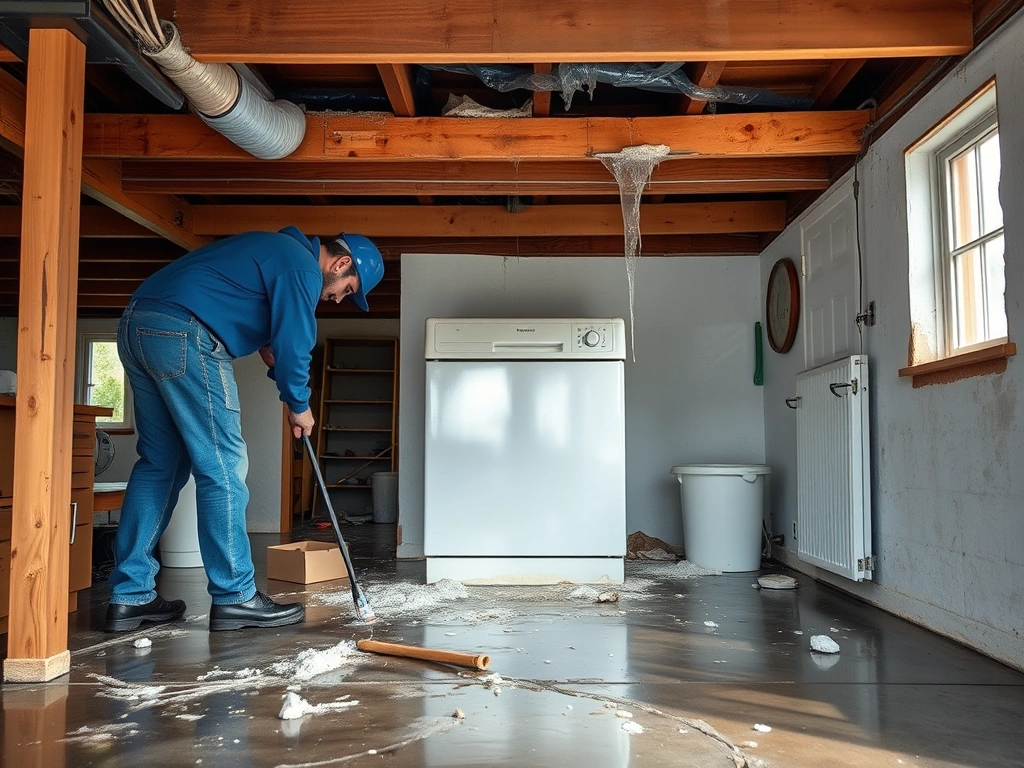
When Your Dishwasher Decides to Become a Fountain in Roanoke, TX
You walk into your kitchen, maybe just to grab a snack, and you hear it – that strange gurgling, followed by the unmistakable sound of water spreading across your floor. Then you see it: water pooling from under your dishwasher, creeping towards your cabinets and dining area. It’s not just a little spill; it’s a growing water problem, and your mind races. You need to stop it now before it causes real damage to your home.
Locally, homeowners trust our team to handle these unexpected messes. We’ve helped over 165 families in your neighborhood with their water damage issues, and they consistently tell us we’re the ones to call for fast, effective cleanup. You’ll see why when we get your kitchen back to normal.
- We focus on the unique challenges of appliance leaks, ensuring your floors and subfloors are dried thoroughly to prevent mold growth.
- Our technicians use specialized equipment designed to extract water from tight spaces, like those found under and around dishwashers, without causing further disruption.
- You’ll receive a clear plan and regular updates, so you always know what’s happening with your cleanup and restoration.
How We Tackle Dishwasher Overflow Cleanup
Dealing with a dishwasher overflow requires more than just mopping. It’s about understanding how water penetrates building materials and how to remove it completely. Cutting corners here means you’ll likely face mold and structural issues down the road. Our team follows strict protocols to ensure your home is dried safely and effectively, using the science of water damage restoration to protect your property.
Initial Water Extraction
Our first step is always to remove the standing water. We use powerful, truck-mounted or portable extraction units to pull up as much water as possible from your floors. This process can take anywhere from 30 minutes to a few hours, depending on how much water has accumulated.
Moisture Detection and Assessment
Once the visible water is gone, we use advanced moisture meters and thermal imaging cameras. These tools help us find hidden moisture deep within your subfloors, baseboards, and cabinets. We’re looking for elevated moisture content that needs to be addressed, which can take a couple of hours to fully map out.
Setting Up Drying Equipment
To evaporate the remaining moisture, we strategically place industrial-grade air movers and dehumidifiers. These machines create a controlled environment to speed up the drying process. Setting this up efficiently typically takes 1 to 2 hours.
Controlled Drying Process
We monitor the drying process closely, taking daily moisture readings. Our goal is to bring your home’s materials back to their normal moisture levels, which can take anywhere from 1 to 5 days, depending on the extent of the saturation and building materials involved.
Final Inspection and Cleaning
Before we consider the job done, we perform a thorough inspection and cleaning. We ensure all equipment is removed and that the affected areas are clean and ready for you. This final check usually takes a few hours.
Don’t wait for the water to spread further. Call us now for immediate assistance. We’re ready to help you get your home dry and secure today.
Warning Signs You Need Dishwasher Overflow Cleanup
Sometimes, the damage from a dishwasher leak isn’t immediately obvious. You might not see a flood, but subtle signs can indicate a problem brewing. Catching these early can save you from much more extensive and costly repairs later on.
Musty Odors That Won’t Go Away
If you notice a damp, mildewy smell in your kitchen, especially near the dishwasher or adjacent cabinets, it’s a strong indicator of trapped moisture. This smell is often the first sign of mold growth starting behind walls or under floors.
Soft or Spongy Flooring
Step on your kitchen floor. Does it feel soft, spongy, or give way slightly under your weight? This means the subfloor beneath your flooring has become saturated and is losing its structural integrity. It’s a clear sign of significant water saturation.
Visible Water Stains or Discoloration
Look at the baseboards, cabinet kick plates, or even the ceiling below if you have a multi-story home. Dark spots, water rings, or peeling paint can all point to water that has been slowly seeping from the dishwasher area. These are obvious indicators of past or present leaks.
Warped or Peeling Cabinetry
The particle board or wood used in many kitchen cabinets is highly susceptible to moisture. If you see the edges of your cabinets swelling, warping, or the veneer peeling away, water is likely getting into the cabinet structure. This suggests long-term moisture exposure.
Gaps Between Flooring and Baseboards
As materials absorb water and then dry, they can shrink and expand. If you notice new gaps appearing between your baseboards and the floor, or between sections of flooring, it could be due to the wood components expanding from moisture exposure. This indicates structural stress from water.
Unexplained High Humidity Levels
Is your kitchen area consistently more humid than the rest of your home, even with ventilation? A hidden leak could be releasing moisture into the air, raising the overall humidity. This subtle change can signal a developing moisture problem.
Dishwasher Overflow Cleanup vs. DIY: When To Call a Professional
| Situation | DIY? | Call a Pro? | Why |
|---|---|---|---|
| Small, visible spill under the dishwasher after a minor leak | Yes | No | Easy to clean up with towels and fans. |
| Water has spread several feet across the floor | No | Yes | Requires professional extraction to prevent subfloor damage. |
| Flooring feels soft or spongy in areas | No | Yes | Indicates saturation of the subfloor, needing specialized drying. |
| Suspected leak into cabinets or walls | No | Yes | Hidden moisture requires advanced detection and drying. |
| Musty odors are present | No | Yes | Likely mold growth that needs professional remediation. |
| Dishwasher has completely flooded the kitchen | No | Yes | Extensive water requires immediate, powerful equipment. |
While you can handle a tiny spill yourself, anything more substantial requires professional intervention. When water has saturated your floors, cabinets, or walls, calling our team is the safest, most effective approach to prevent long-term issues.
Dishwasher Overflow Cleanup Cost In Roanoke, TX
The cost for dishwasher overflow cleanup in Roanoke, TX can vary. Factors like the amount of water, the size of the affected area, and the type of flooring and cabinetry all play a role. These are general estimates, and an on-site assessment provides the most accurate pricing.
| Service | Typical Price Range | What Affects Cost |
|---|---|---|
| Water Extraction | $500 – $1,500 | Volume of water and area size determine equipment needs. |
| Moisture Detection & Assessment | $200 – $500 | Complexity of the home and extent of suspected damage. |
| Drying & Dehumidification | $800 – $3,000 | Number of days needed and size/quantity of equipment. |
| Cabinetry Drying/Restoration | $500 – $2,000 per affected cabinet | Severity of water damage and material of the cabinets. |
| Flooring Removal & Replacement Prep | $300 – $1,000 | Area requiring removal and disposal costs. |
| Mold Inspection & Remediation (if needed) | $1,000 – $5,000+ | Severity and spread of mold growth. |
For a precise quote tailored to your specific situation, please contact us today. We offer free, no-obligation estimates to help you understand the costs involved.
Service Areas Near Roanoke, TX
We proudly serve Roanoke, TX and the surrounding communities, including Fort Worth, Southlake, Westlake, Grapevine, Colleyville, Keller, Bedford, Euless, Hurst, Arlington, North Richland Hills, Haltom City, Saginaw, Haslet, Eagle Mountain, Lake Worth, Alliance, Justin, Ponder, and Northlake. Our team is dedicated to providing prompt assistance throughout the area.
Common Questions About Dishwasher Overflow Cleanup
What should I do immediately after discovering a dishwasher overflow?
First, turn off the water supply to the dishwasher and unplug the unit if it’s safe to do so. Then, try to contain the water with towels and remove as much standing water as you can. If the water has spread significantly, call our team immediately. We specialize in swift water extraction to prevent further damage.
How long does dishwasher overflow cleanup typically take?
The timeline depends on the severity. Simple extraction might take a few hours. However, if the water has saturated subfloors or cabinets, the complete drying process can take anywhere from 3 to 7 days. We use advanced equipment to speed this up safely.
Is dishwasher overflow water dangerous?
Dishwasher water can contain food debris, detergents, and bacteria, making it a potential health hazard. It’s best to avoid direct contact and wear protective gear if you’re doing initial cleanup. Our technicians follow strict safety protocols and use specialized cleaning agents to ensure a hygienic restoration.
What kind of equipment do you use for dishwasher overflow cleanup?
We utilize powerful truck-mounted or portable water extractors to remove standing water quickly. For drying, we deploy industrial-grade air movers and dehumidifiers that create an optimal environment for evaporation. We also use moisture meters and thermal cameras to ensure complete moisture removal.
Can I prevent future dishwasher overflows?
Regular maintenance is key. Check your dishwasher’s hoses for cracks or leaks, ensure the door gasket is sealing properly, and don’t overload the machine. If you’re experiencing frequent issues or see signs of wear, it might be time for repairs or replacement. We can often provide preventative advice after a cleanup.
Check Our Other Relevant Services
Serving Roanoke, TX And Nearby Areas



