Trusted by 150+ Homeowners
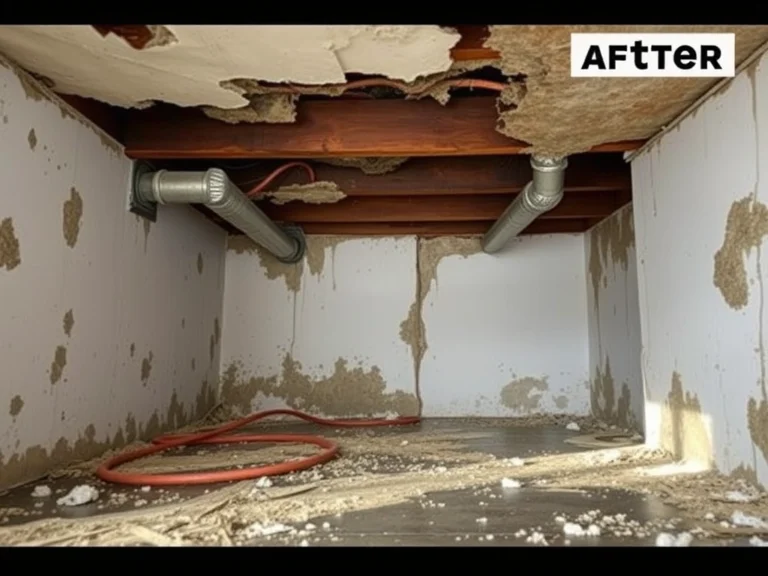
Attic Water Damage Repair in Forney, TX
- Over 150 5-Star Reviews
- Free Estimates and Quotes
- 100% Satisfaction Guaranteed
- Child, Family & Pet Safe Steps
- 24-Hour Emergency Service
- Fully Licensed & Insured

Damp Attics and Hidden Dangers: Attic Water Damage Repair in Forney, TX
Did you know that attics are often the last place homeowners notice water damage? It’s true. Studies show that up to 40% of attic water damage goes undetected for months, leading to more complex issues. This hidden moisture can cause significant structural problems and even affect your home’s air quality. If you’re seeing signs of trouble above your head, it’s time to address it.
Homeowners around here have trusted our team for over 165 five-star reviews, especially when it comes to tricky attic water damage. We understand the unique challenges of working in these confined spaces and the importance of a thorough, methodical approach. You want a team that knows exactly what they’re doing to protect your investment.
- We tackle the root cause of attic leaks, not just the visible water stains, preventing recurring issues.
- Our specialized equipment allows us to access and dry even the most difficult-to-reach attic areas effectively.
- We provide detailed documentation for your insurance claim, making the process smoother for you.
How Attic Water Damage Repair Actually Works
Attic water damage requires a specific protocol. Simply drying the visible wet spots isn’t enough. If you cut corners, you’re inviting mold, rot, and further structural compromise down the line. Our process is designed for thoroughness, ensuring your attic is properly dried, cleaned, and restored. We work closely with your insurance adjusters to make sure the scope of work is accurate and all necessary repairs are covered.
Step 1: Initial Inspection and Assessment
We start with a detailed inspection of your attic to pinpoint the source of the leak and assess the extent of the water damage. This involves using specialized moisture meters to detect hidden water in insulation, wood framing, and drywall. This assessment typically takes 1-2 hours, depending on the attic’s size and complexity.
Step 2: Water Extraction and Containment
If standing water is present, we use powerful pumps and vacuums to remove it quickly. For smaller leaks, specialized dehumidifiers and fans are deployed to begin the drying process. Containment barriers are set up to prevent water from spreading to other parts of your home. This phase can take anywhere from a few hours to a full day.
Step 3: Structural Drying
This is where specialized equipment comes in. We use industrial-grade air movers and dehumidifiers to aggressively dry out the attic environment. Our technicians monitor humidity and moisture levels closely, adjusting equipment as needed. Effective drying can take 2-5 days, depending on the severity of the water intrusion.
Step 4: Mold Prevention and Remediation
Once dry, we treat all affected materials with antimicrobial solutions to prevent mold growth. If mold has already begun to form, our certified technicians will safely remove and remediate it according to industry standards. This crucial step ensures a healthy living environment for your family. This process can add 1-3 days to the timeline.
Step 5: Insulation Removal and Replacement
Water-damaged insulation loses its R-value and can harbor mold and mildew. We carefully remove compromised insulation and dispose of it properly. New, dry insulation is then installed to restore your attic’s energy efficiency. This final step usually takes 1-2 days.
Don’t let attic water damage compromise your home’s integrity. Call us today for a swift and thorough assessment to stop further damage.
Warning Signs You Need Attic Water Damage Repair
Catching attic water damage early is key to minimizing repair costs and preventing long-term problems like mold and structural rot. Your attic might be out of sight, but these signs can alert you to trouble brewing. Ignoring them can lead to much more expensive repairs later on.
Musty Odors That Won’t Go Away
A persistent, musty smell emanating from your attic or upper floors is a strong indicator of hidden moisture. This smell is often caused by mold or mildew starting to grow on damp materials. It’s a clear sign you need to investigate potential water intrusion.
Visible Water Stains or Discoloration
Look for brown or yellow water stains on your attic’s ceiling joists, rafters, or the underside of your roof decking. Even small, discolored spots mean water has been present and needs to be addressed. These stains are a direct visual cue of a leak.
Dripping Water or Damp Spots
If you see actual drips or feel dampness in your attic insulation or on exposed wood, it’s an obvious sign of active water intrusion. This could be from a roof leak, condensation, or a plumbing issue above. Don’t wait for this to become a bigger problem.
Sagging Ceiling or Walls
Water saturation weakens building materials. If you notice your ceiling drywall starting to sag or bulge, especially in the attic area, it’s a serious warning. This indicates that the materials are becoming heavy with absorbed water. This is a critical structural issue.
Increased Humidity Levels
A sudden spike in the overall humidity in your home, particularly on upper floors, could be originating from a damp attic. Proper attic ventilation is crucial, and water damage can disrupt this balance. Pay attention to how your home feels and smells.
Mold or Mildew Growth
While often hidden by insulation, you might spot patches of black, green, or white mold on wood surfaces or insulation in your attic. This is a significant health hazard and a clear sign of prolonged moisture issues. Addressing mold promptly is essential for your health.
Attic Water Damage Repair vs. DIY: When To Call a Professional
| Situation | DIY? | Call a Pro? | Why |
|---|---|---|---|
| Small, easily accessible roof leak after a storm | Yes, for temporary patching | Yes, for thorough drying and repair | Pros have specialized drying equipment and can identify secondary damage. |
| Visible mold growth larger than a dinner plate | No | Yes | Mold remediation requires specific safety protocols and equipment. |
| Dripping water from ceiling joists | No | Yes | Identifying the source and ensuring complete drying is complex. |
| Condensation forming on attic vents | Monitor and improve ventilation | Yes, if persistent or extensive | Persistent condensation can indicate insulation or ventilation system issues. |
| Sagging insulation with damp spots | No | Yes | Professionals can assess structural integrity and potential rot. |
| Suspected leak from plumbing in attic space | No | Yes | Plumbing leaks require immediate professional attention to prevent extensive damage. |
For anything beyond minor, easily managed moisture, calling a professional is the safest bet. Our team has the tools and expertise to handle the complexities of attic water damage, ensuring a complete and safe restoration. Don’t risk hidden damage or mold by trying to do it all yourself.
Attic Water Damage Repair Cost In Forney, TX
The cost of attic water damage repair in Forney, TX can vary significantly. Factors like the size of the affected area, the type of materials damaged, and the extent of the water intrusion all play a role. These price ranges are estimates to give you a general idea.
| Service | Typical Price Range | What Affects Cost |
|---|---|---|
| Water Extraction and Drying | $500 – $2,500 | Amount of water, size of attic, duration of drying needed. |
| Mold Inspection and Testing | $300 – $800 | Scope of inspection, number of samples taken. |
| Mold Remediation | $1,000 – $5,000+ | Severity of mold growth, area affected, containment needs. |
| Insulation Removal and Replacement | $2 – $7 per square foot | Type of insulation, amount of material to be removed/replaced. |
| Structural Drying Equipment Rental | $200 – $600 per day | Number and type of machines required, length of drying period. |
| Minor Structural Repairs (e.g., wood rot) | $500 – $3,000+ | Extent of damage, complexity of repair, materials needed. |
An on-site assessment is always needed for an accurate quote. We offer free estimates so you know exactly what to expect before any work begins.
Service Areas Near Forney, TX
Terrell, Rockwall, Heath, Mesquite, Garland, Rowlett, Plano, Richardson, Dallas, Lancaster, Cedar Hill, Duncanville, DeSoto, Grand Prairie, Arlington, Fort Worth, Allen, Frisco, McKinney, Lucas.
Common Questions About Attic Water Damage Repair
What’s the first thing I should do if I suspect water damage in my attic?
The very first thing you should do is try to identify and stop the source of the water if it’s safe to do so. If it’s a roof leak, this might mean placing buckets to catch drips. Then, call a professional restoration team immediately. Prompt action is crucial to prevent further damage and potential mold growth. We can help assess the situation and begin the drying process.
How long does attic water damage repair typically take?
The timeline for attic water damage repair can vary greatly, from a few days to a couple of weeks. It depends on the initial amount of water, how quickly we can access the area, and the drying time required. Factors like insulation saturation and structural damage will also influence the duration. We’ll provide a more specific timeline after our initial assessment and work efficiently to restore your home.
Will my homeowner’s insurance cover attic water damage?
In many cases, yes, but it depends on the cause of the water intrusion. Typically, sudden and accidental events like roof leaks or burst pipes are covered. Gradual damage from poor maintenance or long-term neglect might not be. We have extensive experience working with insurance companies and can help you navigate the claims process by providing detailed documentation of the damage and our work.
How do you prevent mold after attic water damage?
Preventing mold is a top priority. After removing all standing water, we use specialized drying equipment to reduce moisture levels in the air and materials to below 15%. We also apply EPA-registered antimicrobial treatments to all affected surfaces. This thorough drying and treatment process is key to inhibiting mold spore growth and ensuring a healthy attic environment.
What kind of equipment do you use in attics for water damage?
We use a range of specialized equipment designed for attic environments, including high-velocity air movers to circulate air and speed up evaporation, industrial dehumidifiers to remove moisture from the air, and moisture meters to precisely track drying progress. For extraction, we use powerful pumps and vacuums. Our technicians are trained to operate this equipment safely and effectively in tight spaces to ensure complete drying and restoration.
Check Our Other Relevant Services
Serving Forney, TX And Nearby Areas