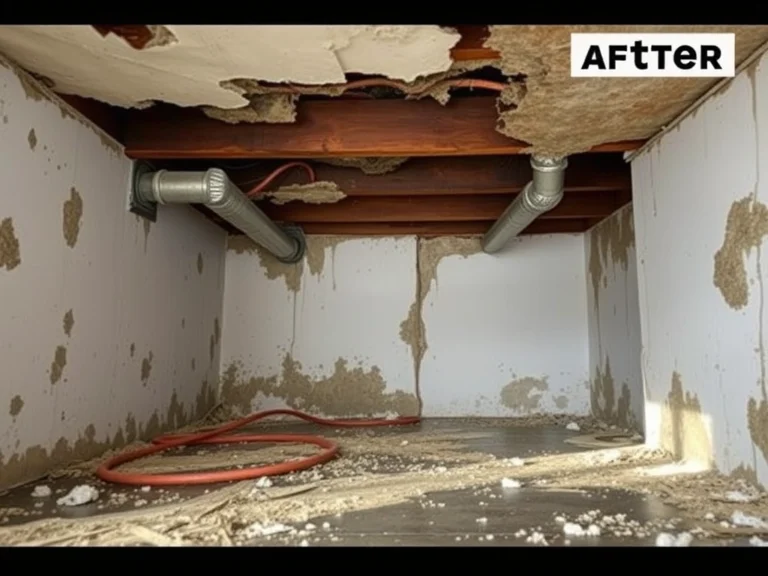
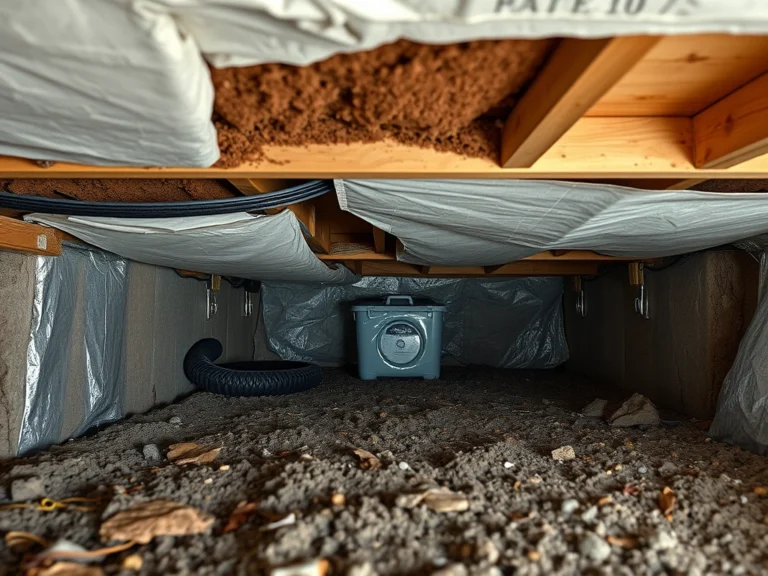
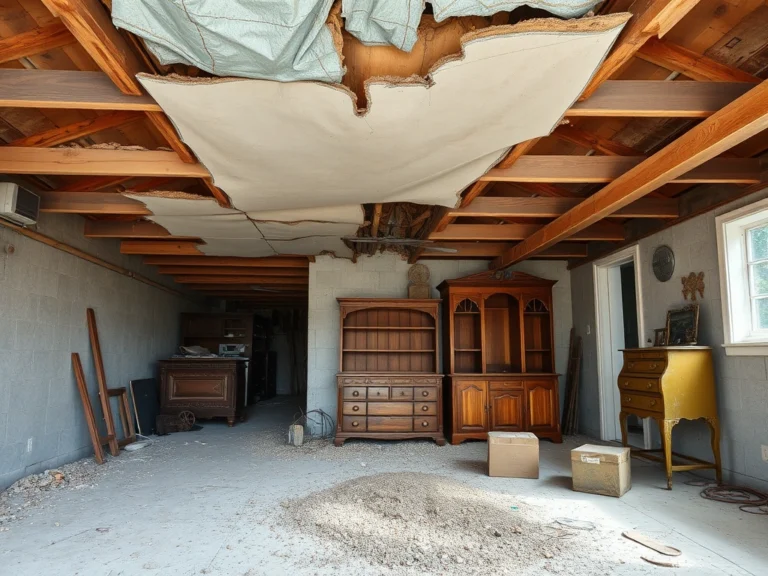
Trusted by 150+ Homeowners
Basement Damage Restoration in Prosper, TX
- Over 150 5-Star Reviews
- Free Estimates and Quotes
- 100% Satisfaction Guaranteed
- Child, Family & Pet Safe Steps
- 24-Hour Emergency Service
- Fully Licensed & Insured

Your Basement Is Flooded in Prosper, TX: What Now?
You walk downstairs, and the smell hits you first – damp, earthy, and unpleasant. Then you see it: standing water pooling across your basement floor. Maybe it’s murky, maybe it’s clear, but you know this isn’t good. This is a serious basement water issue, and it needs immediate attention. Ignoring it means more damage, more mold, and bigger headaches down the road. We understand how stressful this moment is when you find your basement flooded.
Homeowners around here have trusted us for over 165 five-star reviews to handle these exact situations. We’re known for our fast response and our commitment to getting your basement dry and safe again. When you’re dealing with basement water damage, you want a team that knows the science of drying and can get it done right the first time. We’re that team for your property.
- We use specialized equipment designed specifically for deep drying, not just surface evaporation, to prevent hidden moisture problems.
- Our process targets not only the visible water but also the moisture lurking in walls, floors, and structural components, protecting your home’s integrity.
- We focus on preventing mold growth from the start by controlling humidity and drying affected areas quickly and thoroughly.
The Science Behind Restoring Your Basement
A flooded basement isn’t just about mopping up water. It’s about understanding how moisture behaves and how to remove it effectively without causing secondary damage. Cutting corners here can lead to lingering mold, structural weakening, and persistent musty odors. Our approach involves precise moisture detection and a structured drying plan, ensuring we address the root cause and restore your space safely.
Initial Water Extraction
First, we’ll get the bulk of the standing water out. We use powerful submersible pumps and extraction units that can remove hundreds of gallons per hour. This step is crucial for stopping the immediate damage and preparing the area for drying. It’s the first critical move to reclaim your basement.
Moisture Detection and Assessment
Once the standing water is gone, we don’t just assume it’s dry. Our technicians use advanced moisture meters and thermal imaging cameras to pinpoint exactly where moisture is hiding – inside walls, under floors, and within your structure. We create a detailed map of the affected areas to guide our drying strategy.
Controlled Drying Process
This is where the science really comes in. We deploy specialized drying equipment like high-velocity air movers and industrial dehumidifiers. These machines work together to create an optimal environment for water evaporation from materials, carefully controlled to avoid damaging your property.
Containment and Air Filtration
To prevent mold spores or contaminated air from spreading, we often use containment barriers. We also run air scrubbers with HEPA filters to clean the air and remove any potential contaminants. This protects the rest of your home and ensures a healthy environment.
Monitoring and Verification
We don’t pack up and leave until we’re sure. Our team will continuously monitor moisture levels throughout the drying process, making adjustments as needed. We’ll take final readings to verify that your basement has returned to safe, dry conditions.
Don’t let basement water damage linger. Call us now to get a fast, professional assessment and start the drying process. Your basement can be dry and healthy again.
Warning Signs You Need Basement Damage Restoration
Your basement can give you clues that something is wrong long before you see a flood. Catching these early signs can save you a significant amount of money and prevent much larger problems down the line. Pay attention to what your basement is telling you.
Musty Odors That Won’t Go Away
If your basement consistently smells damp or like mildew, even when it looks dry, it’s a strong indicator of hidden moisture. This smell is often the first sign of developing mold or persistent dampness within the building materials. It’s your nose telling you to investigate.
Visible Mold or Mildew Growth
Any sign of black, green, or white fuzzy patches on walls, ceilings, or stored items is a clear warning. Mold thrives in damp, dark environments like basements and can spread rapidly if not addressed. This is a health hazard you shouldn’t ignore.
Peeling Paint or Warped Walls
Water seeping into drywall or concrete can cause paint to bubble and peel. Prolonged exposure can also lead to the warping of wall materials, indicating that moisture has been present for some time. This suggests structural compromise is possible.
Efflorescence on Concrete Walls
You might notice white, powdery, or crystalline deposits on your concrete walls or floor. This is called efflorescence, and it’s a sign that water is leaching through the concrete, carrying minerals with it. It points to water intrusion happening.
Cracks in Basement Walls or Floor
While some minor settling cracks are normal, new or widening cracks can be a sign of water pressure or structural stress. If you see cracks that are growing or look like they’re actively leaking, it’s a serious concern. These could be entry points for water.
Unexplained Damp Spots or Stains
Even small, discolored patches on your walls or ceiling can indicate a slow leak or high humidity. Don’t dismiss these as minor issues. They can be the start of a much larger problem that’s slowly damaging your home.
Basement Damage Restoration vs. DIY: When To Call a Professional
| Situation | DIY? | Call a Pro? | Why |
|---|---|---|---|
| Minor Spills or Condensation | Yes | No | Easy to wipe up and dry with fans. |
| Sump Pump Failure Leading to 1-2 Inches of Water | Maybe | Yes | Requires fast extraction and thorough drying to prevent mold. |
| Sewage Backup or Contaminated Water | Absolutely Not | Yes | Biohazard risk requires specialized containment and sanitization. |
| Leaking Foundation Cracks After Rain | No | Yes | Needs professional assessment to find and seal the source of intrusion. |
| Persistent Musty Odors and High Humidity | No | Yes | Hidden moisture and potential mold require advanced detection and drying. |
| Flooding Over 6 Inches Deep | No | Yes | Requires industrial-grade equipment for safe and effective water removal and drying. |
For anything more than a minor spill, professional help is almost always the best choice for basement damage restoration. You need specialized equipment and expertise to ensure the job is done correctly and safely. Trusting a pro saves you time and prevents future, more costly problems.
Basement Damage Restoration Cost In Prosper, TX
The cost of basement damage restoration in Prosper, TX, varies significantly. Factors include the amount of water, the size of the flooded area, the type of materials affected, and how long the water has been present. These prices are estimates.
| Service | Typical Price Range | What Affects Cost |
|---|---|---|
| Water Extraction & Removal | $500 – $3,000 | Volume of water and accessibility of the basement. |
| Structural Drying (Air Movers & Dehumidifiers) | $800 – $4,000 | Size of the space and duration needed for complete drying. |
| Moisture Detection & Assessment | $300 – $700 | Use of advanced tools like thermal cameras. |
| Containment & Air Filtration | $400 – $1,500 | Extent of containment needed and air scrubber run time. |
| Mold Remediation (if necessary) | $1,000 – $7,000+ | Severity and spread of mold growth. |
| Odor Removal | $300 – $1,000 | Techniques used and the intensity of the odor. |
An on-site inspection is the only way to get an accurate quote for your specific situation. We offer free, no-obligation estimates to help you understand the costs involved.
Service Areas Near Prosper, TX
Celina, Frisco, Little Elm, McKinney, Pilot Point, Princeton, Anna, Aubrey, Cross Roads, Dallas, Denton, Fairview, Gunter, Lake Dallas, Lucas, New Hope, Northlake, Oak Point, Plano, Prosper, Richardson, Sanger, Shady Shores, The Colony, Weston.
Common Questions About Basement Damage Restoration
What’s the first thing I should do if my basement floods?
If it’s safe, try to shut off the power to the affected area. Then, call a professional restoration team immediately. Do not attempt to remove large amounts of water yourself, especially if the water source is unknown or potentially contaminated. We can quickly assess the situation and begin the necessary steps to prevent further damage.
How long does basement water damage restoration usually take?
The timeline can vary greatly depending on the extent of the water damage and the materials affected. Simple water extraction and drying might take 2-3 days, but if there’s significant saturation in structural materials or mold is present, it could take a week or longer. Our goal is to dry your basement thoroughly and safely, and we’ll provide you with a projected timeline after our initial assessment.
Is basement water damage dangerous to my health?
Yes, it can be. Standing water can harbor bacteria and create an environment for mold to grow rapidly. Mold spores can cause respiratory issues and allergic reactions, especially in sensitive individuals. Our team is trained to handle potentially hazardous materials and ensure your basement is not only dry but also safe and healthy.
What kind of equipment do you use to dry my basement?
We use a range of specialized equipment, including high-powered water extractors, industrial-grade dehumidifiers to remove moisture from the air, and high-velocity air movers to speed up evaporation from surfaces and materials. We also use moisture meters and thermal cameras to precisely measure and monitor drying progress. This advanced equipment is key to effective basement drying.
Can I prevent future basement flooding in Prosper, TX?
While not all flooding can be prevented, you can take steps to reduce the risk. Ensure your gutters and downspouts direct water away from your foundation, check your sump pump regularly, and consider grading your yard so it slopes away from the house. For persistent issues, professional consultation on foundation sealing or drainage systems might be necessary. We can offer advice on preventative measures after restoration.
Check Our Other Relevant Services
Serving Prosper, TX And Nearby Areas