Trusted by 150+ Homeowners
Desiccant Dehumidification in Grapevine, TX
- Over 150 5-Star Reviews
- Free Estimates and Quotes
- 100% Satisfaction Guaranteed
- Child, Family & Pet Safe Steps
- 24-Hour Emergency Service
- Fully Licensed & Insured

Rapid Moisture Evacuation: Desiccant Dehumidification for Your Grapevine, TX Home
When water damage happens, it’s not just about the visible puddles. The real problem often lurks unseen, in the form of lingering moisture that can quickly lead to serious structural issues and health hazards. If you’ve experienced a flood or significant leak, don’t just towel dry the surfaces. You need to address the deep, hidden dampness that ordinary methods can’t reach. That’s where specialized desiccant dehumidification becomes crucial for your property, especially here in Grapevine, TX.
Homeowners around the area have trusted our team for over a decade to handle their most challenging water-related emergencies. With more than 165 five-star reviews, you can see why people turn to us when they need effective moisture removal. We understand the stress you’re under, and our goal is to bring calm and competence to a difficult situation, ensuring your home is dried thoroughly and safely.
- Advanced Drying Power: Unlike standard dehumidifiers, desiccant units can operate effectively in a wider range of temperatures, including cooler environments, making them ideal for difficult-to-dry spaces like crawl spaces and attics.
- Speedy Recovery: These powerful machines extract more moisture from the air and materials at a much faster rate, significantly reducing the overall drying time needed after a water event.
- Preserves Building Materials: By removing moisture quickly and efficiently, desiccant dehumidification helps prevent long-term damage to wood, drywall, insulation, and other sensitive building components, saving you from costly repairs down the line.
How Our Desiccant Dehumidification Process Works
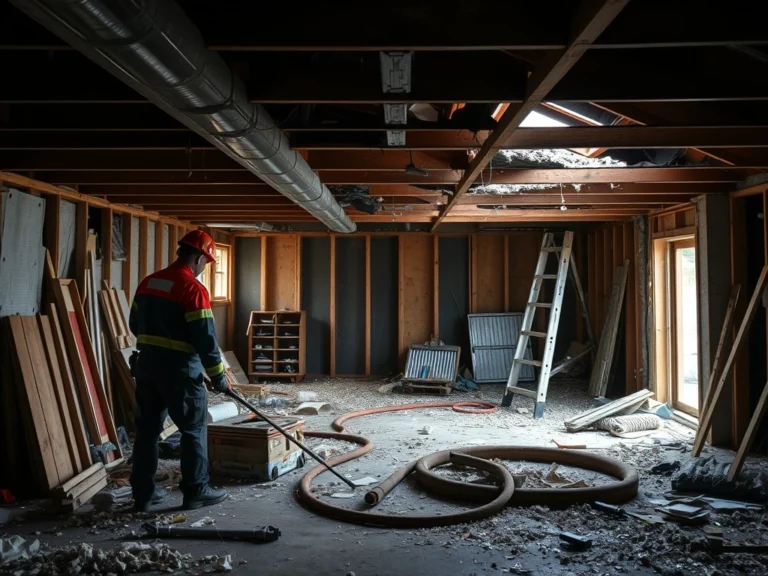
When water damage occurs, every minute counts. The longer moisture lingers, the more it can spread and cause secondary damage. Our team employs a rigorous, structured process for desiccant dehumidification to ensure we tackle the problem head-on, restoring your property as quickly and effectively as possible. We never cut corners, because we know that a thorough job now prevents much larger headaches later. You’ll see our technicians working diligently, using specialized equipment to get your home back to normal.
Initial Assessment and Setup
Once we arrive, our first step is a thorough inspection to identify all affected areas and assess the extent of moisture. We then strategically place our industrial-grade desiccant dehumidifiers and necessary air movers. This setup phase is critical for creating the optimal drying environment and usually takes about 1 to 2 hours.
Active Desiccant Drying
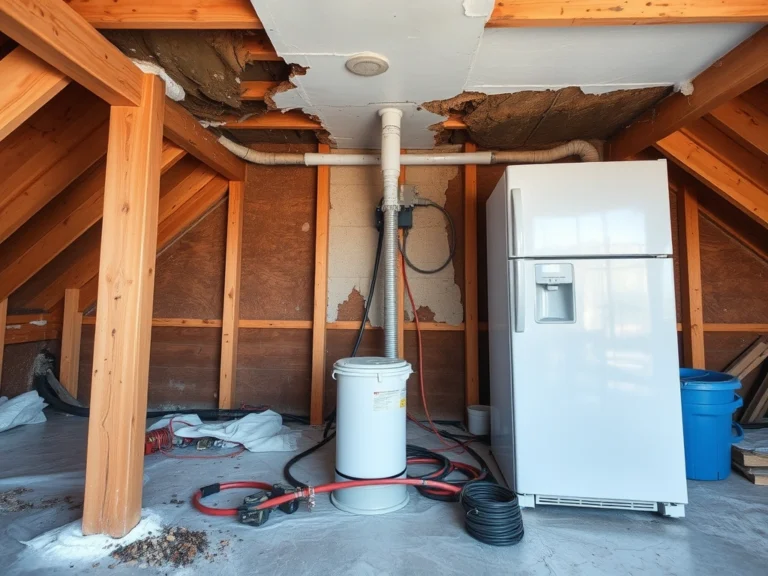
Our desiccant dehumidifiers work by passing moist air over a desiccant material that absorbs the water vapor. The dry air is then recirculated back into your space. This process is continuous and highly efficient. We’ll monitor the equipment and humidity levels closely, typically running these units for 24 to 72 hours, depending on the severity.
Airflow and Ventilation Management
While the desiccant units are pulling moisture from the air, we also use powerful air movers to ensure proper airflow across wet surfaces. This helps to speed up evaporation from materials like carpets, padding, and subfloors. We adjust the placement and speed of these fans as needed throughout the drying process, which is an ongoing part of the active drying phase.
Moisture Level Monitoring
Throughout the entire drying period, our technicians use specialized meters to take regular readings of the moisture content in the air and building materials. This allows us to track progress and determine exactly when your property has reached safe, dry levels. We don’t guess; we measure. This detailed monitoring is key to a successful drying project.
Final Inspection and Handover
Once our readings confirm that the moisture levels are back to normal, we’ll perform a final walkthrough with you. We explain the results and ensure you’re satisfied with the drying process. This final confirmation usually takes about 1 hour, marking the end of our desiccant dehumidification service.
Don’t let lingering moisture compromise your home’s integrity. If you suspect water damage, it’s vital to act fast. Call us immediately for rapid professional drying and to prevent further issues.
Warning Signs You Need Desiccant Dehumidification
Catching the signs of excessive moisture early can save you a lot of trouble and expense. Ignoring these indicators can lead to bigger problems like mold growth and structural damage. Be aware of what to look for in your home, especially after any water intrusion event. Early detection is your best defense against costly secondary damage.
Musty Odors That Won’t Go Away
A persistent damp, musty smell, especially in closets, basements, or bathrooms, is a strong indicator of hidden moisture. This odor often signals the beginning of mold or mildew growth, which thrives in damp environments. Addressing the moisture source is the only way to eliminate these unpleasant smells.
Visible Mold or Mildew Growth
Any signs of fuzzy or slimy patches of black, green, or white growth on walls, ceilings, or fabrics are a clear red flag. This usually means there’s been a moisture problem for some time. You need immediate intervention to remove the mold and, more importantly, to dry out the affected area.
Peeling or Bubbling Paint and Wallpaper
When moisture gets behind your paint or wallpaper, it can cause the adhesive to fail and the finish to bubble or peel away from the wall. This is a visible sign that the materials are saturated. It indicates a need for professional drying to prevent further material degradation.
Warped or Stained Ceilings and Walls
Water absorption can cause drywall and wood to swell and warp. You might also notice discoloration or staining on your ceilings and walls, especially around pipes or roof leaks. These visual cues point to significant moisture intrusion that requires expert moisture extraction.
Condensation on Windows and Pipes
Excessive condensation on cold surfaces like windows or cold water pipes is a sign that the air in your home is holding too much moisture. While some condensation is normal, a significant buildup suggests a higher humidity problem. This can lead to surface damage over time.
Soft or Spongy Flooring
If your carpet feels unusually soft or spongy underfoot, or if hardwood floors start to buckle or feel soft, it’s a sign that moisture has saturated the subfloor or padding. This requires immediate attention to prevent irreparable damage to your flooring and subflooring. You need professional drying services.
Desiccant Dehumidification vs. DIY: When To Call a Professional
| Situation | DIY? | Call a Pro? | Why |
|---|---|---|---|
| Minor condensation on a single window | Yes, usually | No | Typically manageable with better ventilation or wiping. |
| Small, localized spill on hard surface (e.g., kitchen floor) | Yes, with towels and fans | No | Easy to clean up and dry with basic equipment. |
| Damp smell in a small closet after a minor leak | Maybe, with fans and regular dehumidifier | Yes, for thoroughness | Hidden moisture can still cause problems; professional assessment ensures complete drying. |
| Large area of water damage (e.g., burst pipe, roof leak) | No | Yes | Requires industrial-grade equipment and expertise to dry effectively and prevent mold. |
| Saturated carpet and padding after a flood | No | Yes | DIY attempts rarely remove all moisture, leading to mold and structural issues. |
| Water damage in crawl spaces or attics | No | Yes | These areas are difficult to access and dry properly without specialized equipment. |
While basic drying efforts can help with minor issues, significant water damage demands professional intervention. When you’re dealing with large areas, saturated materials, or hard-to-reach spaces, our desiccant dehumidification process is essential for a complete and safe recovery. Relying on DIY for these situations often leads to costly secondary problems.
Desiccant Dehumidification Cost in Grapevine, TX
The cost of desiccant dehumidification can vary significantly based on the size of the affected area, the severity of the water damage, and the specific conditions in your Grapevine, TX home. These price ranges are estimates to help you understand potential costs. We always provide a clear, upfront estimate after an on-site assessment.
| Service Aspect | Typical Price Range | What Affects Cost |
|---|---|---|
| Initial Inspection & Setup | $500 – $1,500 | Complexity of the affected area and accessibility. |
| Desiccant Dehumidifier Rental (per day) | $100 – $300 | Size and capacity of the equipment needed. |
| Air Mover Rental (per day) | $20 – $50 | Number of units required for optimal airflow. |
| Moisture Monitoring & Reporting | Included in overall service | The duration of the drying process. |
| Extended Drying Time (multiple days) | $500 – $2,000+ per day | Severity of saturation and material types. |
| Crawl Space or Attic Drying | $1,000 – $3,000+ | Difficult access and specialized containment needs. |
These figures provide a general idea, but a precise quote is necessary for accurate budgeting. We offer free, no-obligation estimates to give you a clear picture of what your specific situation will entail.
Service Areas Near Grapevine, TX
Colleyville, Southlake, Keller, Hurst, Euless, Bedford, Arlington, Fort Worth, Dallas, Irving, Richardson, Plano, Carrollton, Coppell, Lewisville, Flower Mound, Roanoke, Trophy Club, Westlake, Lakeside.
Common Questions About Desiccant Dehumidification
How long does desiccant dehumidification typically take?
The duration of desiccant dehumidification depends heavily on the extent of water damage and the materials affected. For minor issues, it might take 24 to 48 hours. However, for more severe saturation, especially in dense materials like subfloors or plaster walls, it could take several days to a week or more. Our team will monitor the process closely to ensure complete drying.
Is desiccant dehumidification covered by insurance?
In many cases, yes. If the water damage that necessitated the drying was caused by a covered event (like a burst pipe or storm damage), the cost of professional desiccant dehumidification is often included in your insurance claim. It’s always best to check your policy details and contact your insurance provider. We can help document the process for your claim.
What’s the difference between a desiccant dehumidifier and a regular dehumidifier?
Regular (refrigerant) dehumidifiers work like air conditioners, cooling coils to condense moisture. Desiccant dehumidifiers use a rotating wheel coated with a moisture-absorbing material. This makes them much more effective at removing moisture in cooler temperatures and achieving lower humidity levels. They are generally more powerful and better suited for large-scale drying.
Are there health risks associated with not drying properly after water damage?
Absolutely. If moisture isn’t removed promptly and thoroughly, it creates the perfect environment for mold and mildew to grow. Inhaling mold spores can lead to a variety of health problems, including allergies, respiratory issues, and other adverse health effects. Proper drying is crucial for maintaining a healthy indoor environment.
Can I prevent the need for desiccant dehumidification in the future?
While some water damage is unavoidable, you can take steps to minimize risks. Regularly inspect plumbing for leaks, ensure your roof and gutters are in good condition, and maintain your sump pump if you have one. Promptly addressing any small leaks you notice can prevent them from becoming major issues requiring professional drying services.
Check Our Other Relevant Services
Serving Grapevine, TX And Nearby Areas