Trusted by 150+ Homeowners
Document Drying & Restoration in Cedar Hill, TX
- Over 150 5-Star Reviews
- Free Estimates and Quotes
- 100% Satisfaction Guaranteed
- Child, Family & Pet Safe Steps
- 24-Hour Emergency Service
- Fully Licensed & Insured
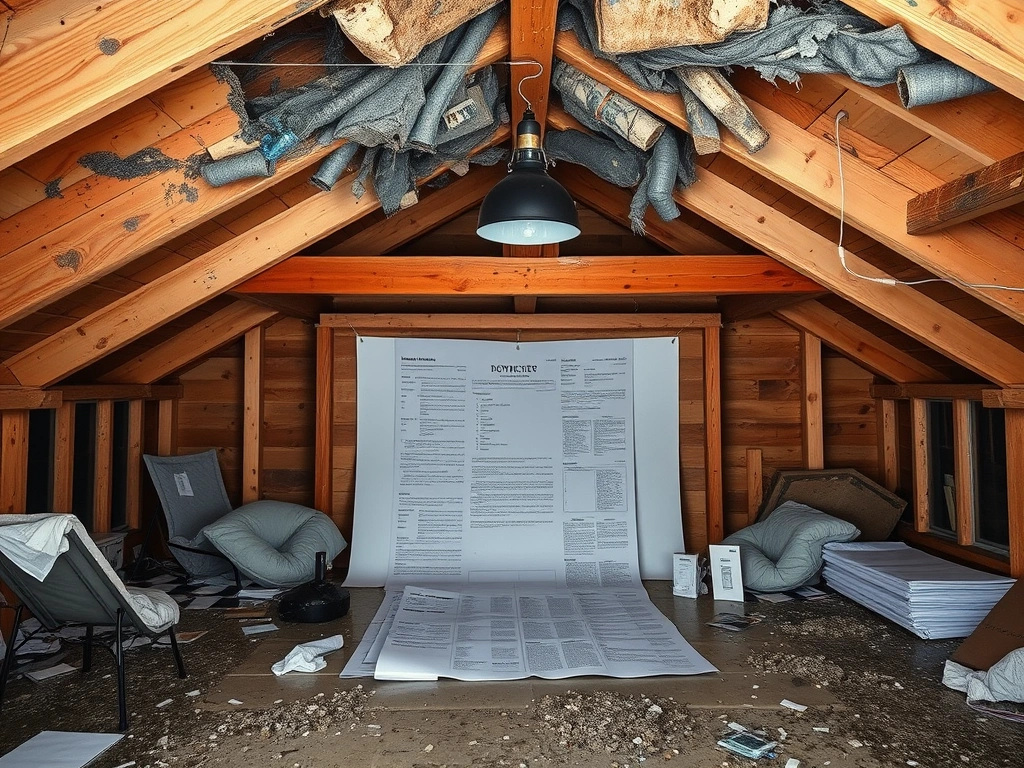
When Water Damage Threatens Your Cherished Memories in Cedar Hill, TX
Here in Cedar Hill, TX, we know our summers can bring sudden thunderstorms, and even winter can surprise us with burst pipes. When that unexpected water event happens, your important documents — photos, legal papers, books, heirlooms — are at serious risk. It’s a heartbreaking feeling to see irreplaceable items turn into soggy messes. Protecting your history and safeguarding vital records are what we focus on when this specific type of damage occurs.
Homeowners around the area trust us because we understand the delicate nature of paper-based materials. We’ve helped over 165 families in your neighborhood recover from water damage, and our document restoration specialists are trained to handle your most precious items with care. We aim to preserve what matters most to you.
- We use specialized drying techniques that prevent further deterioration and minimize warping or ink bleed, unlike air drying alone.
- Our process focuses on preventing mold and mildew growth on your documents, which can quickly ruin them permanently.
- We can often restore documents that you might think are a total loss, saving you the cost and heartache of replacement.
The Careful Process of Document Drying & Restoration
Dealing with water-damaged documents isn’t like drying clothes. It requires a precise, methodical approach to avoid causing more harm. Improper drying can lead to irreversible damage like mold, mildew, and severe paper degradation. Our team follows a proven process designed to safely recover your items and prevent long-term deterioration.
1. Initial Assessment and Sorting
First, we carefully assess the extent of the water damage and the types of documents affected. We’ll sort them by material and condition, identifying which items are most salvageable and which require immediate attention. This thorough evaluation helps us create a targeted recovery plan.
2. Gentle Cleaning and Decontamination
Depending on the water source (clean, gray, or black water), we may need to gently clean the documents. This step is crucial for removing contaminants and preventing future health hazards. We use only approved cleaning agents to avoid damaging inks or paper fibers.
3. Controlled Drying Methods
This is where the real magic happens. We don’t just stick documents in a dryer. We utilize methods like freeze-drying or vacuum freeze-drying, which are ideal for delicate paper items. These techniques allow moisture to sublimate directly from solid to gas, preserving the document’s integrity and structure without extreme heat or agitation.
4. Deodorizing and Sterilization
Once dried, documents might retain unpleasant odors or harbor residual mold spores. We employ specialized deodorizing chambers and sterilization techniques to neutralize odors and ensure your documents are safe and smell fresh. This step is vital for long-term preservation and usability.
5. Reassembly and Finishing
For items that were disassembled for drying, we carefully reassemble them. We might also use specialized flattening techniques to correct any remaining minor warping. Our goal is to return your documents in the best possible condition. This meticulous finishing ensures you get your items back ready for use.
If you’ve experienced water damage, don’t wait to address your precious documents. Contact us immediately to start the recovery process and save your irreplaceable items.
Warning Signs You Need Document Drying & Restoration
Catching water damage early is key to successful restoration. Ignoring these signs can lead to permanent loss and more costly repairs down the line. Understanding what to look for can make all the difference for your important papers and photos.
Musty Odors That Won’t Go Away
A persistent, musty smell is often the first indicator of hidden moisture and potential mold growth. This odor means moisture is trapped, and it’s time for a professional assessment.
Visible Water Stains or Discoloration
Any new brown or yellow stains on paper, photos, or books are clear signs of water intrusion. These marks indicate saturation has occurred and needs immediate attention.
Warped or Wrinkled Paper Edges
When paper absorbs moisture, it swells and then dries unevenly, causing edges to curl or buckle. This warping is a direct result of water exposure and drying.
Clumping or Sticking Pages
If pages in books or documents are sticking together, it means they’ve been damp for a while. This indicates significant moisture content and a risk of mold development.
Ink Bleed or Smudging
Seeing ink that has run or smudged on documents is a direct sign that water has affected the ink. This means the ink is no longer stable and needs expert stabilization.
Soft or Spongy Texture
Paper that feels unusually soft, spongy, or weak to the touch has absorbed a lot of moisture. This indicates the paper fibers have been compromised and require specialized drying techniques.
Document Drying & Restoration vs. DIY: When To Call a Professional
| Situation | DIY? | Call a Pro? | Why |
|---|---|---|---|
| A few pages in a book are slightly damp from a minor spill. | Yes | No | You can likely blot and air dry these carefully yourself. |
| A large section of your photo albums is soaked from a roof leak. | No | Yes | Specialized drying is needed to prevent sticking and fading. |
| Important legal documents have water stains and are starting to warp. | No | Yes | Preserving the integrity and legibility of legal papers is critical. |
| A small, isolated damp spot on a single printed page. | Yes | No | Gentle blotting and natural air drying should suffice. |
| An entire filing cabinet of historical records is waterlogged from a burst pipe. | No | Yes | Professional equipment and methods are essential for large volumes. |
| Children’s artwork is water-damaged, but not irreplaceable. | Yes | Maybe | You can try careful air drying, but expect some damage. |
For anything beyond a minor, isolated incident with non-critical documents, calling a professional is the safest bet. Our team has the specialized equipment and knowledge to handle larger losses and truly irreplaceable items, ensuring the best chance of recovery.
Document Drying & Restoration Cost in Cedar Hill, TX
The cost for document drying and restoration in Cedar Hill, TX, can vary significantly based on the volume of materials, the type of damage, and the specific drying methods required. These figures are estimates to give you an idea. Accurate pricing depends on a full assessment of your unique situation.
| Service | Typical Price Range | What Affects Cost |
|---|---|---|
| Minor Document Drying (e.g., a few books, small stack of papers) | $500 – $1,500 | Volume of items and complexity of drying needed. |
| Moderate Document Restoration (e.g., several albums, file boxes) | $1,500 – $4,000 | Extent of water saturation and need for cleaning/deodorizing. |
| Extensive Document Recovery (e.g., large collections, historical archives) | $4,000 – $10,000+ | Scale of the disaster, document type, and specialized techniques like freeze-drying. |
| Freeze-Drying Services (per cubic foot) | $200 – $500 | The advanced technology and controlled environment required. |
| Deodorizing and Sterilization Treatment | $300 – $1,000 | Size of affected items and the severity of odors or mold risk. |
| On-site Consultation and Assessment | $150 – $300 (often waived with service agreement) | Travel time and detailed inspection of damage. |
Remember, these are general ranges. We always offer a free, no-obligation estimate after assessing the damage to your specific documents. Getting an expert opinion is the best way to understand your investment.
Service Areas Near Cedar Hill, TX
Cedar Hill, Duncanville, Desoto, Lancaster, Midlothian, Waxahachie, Red Oak, Glenn Heights, Palmer, Ennis, Ovilla, Venus, Arlington, Grand Prairie, Dallas, Fort Worth, Mansfield, Rowlett, Rockwall, Terrell.
Common Questions About Document Drying & Restoration
What’s the fastest way to dry wet documents?
While it’s tempting to use heat or a hairdryer, the fastest and safest method for valuable documents involves specialized techniques like vacuum freeze-drying. This process removes moisture efficiently without damaging paper fibers. Our team utilizes these advanced methods to expedite the recovery of your important papers.
How much does it cost to restore water-damaged documents?
The cost varies widely depending on the number of documents, the type of paper and ink, and the severity of the water damage. Minor spills might be a few hundred dollars, while extensive collections could run into thousands. We provide detailed estimates after assessing the damage, ensuring you understand the investment in preserving your items.
Can you really save moldy documents?
Yes, in many cases, we can save documents affected by mold. Our process includes careful cleaning and sterilization to remove mold spores and prevent further growth. It’s crucial to address mold quickly, as it can cause permanent damage over time. We focus on safe mold remediation and document preservation.
How long does document restoration take?
The timeline depends heavily on the volume and condition of the documents. Simple drying might take a few days, while extensive freeze-drying for a large collection could take several weeks. We work diligently to restore your items as quickly as possible while ensuring quality and preventing further damage.
Should I try to dry legal documents myself if they get wet?
For critical legal documents, it’s generally best to call a professional. While you can blot minor moisture, improper drying can cause ink to run, paper to warp, or lead to mold, potentially compromising their integrity and legality. Our experts are trained to handle these sensitive items, ensuring they are restored properly and legally sound.
Check Our Other Relevant Services
Serving Cedar Hill, TX And Nearby Areas