Trusted by 150+ Homeowners
Document Drying & Restoration in Richardson, TX
- Over 150 5-Star Reviews
- Free Estimates and Quotes
- 100% Satisfaction Guaranteed
- Child, Family & Pet Safe Steps
- 24-Hour Emergency Service
- Fully Licensed & Insured
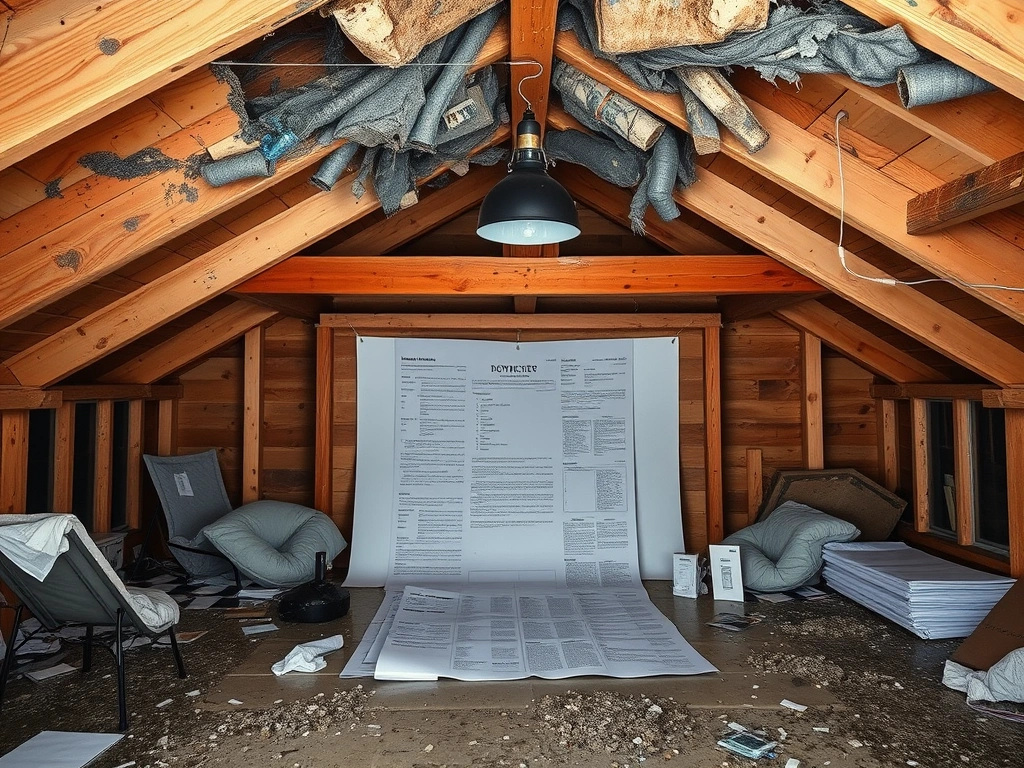
Preserving Your History: Document Drying & Restoration in Richardson, TX
Did you know that up to 80% of water-damaged documents can be successfully restored if treated within 48 hours? It’s a surprising statistic, but it highlights how crucial speed is when your precious photos, books, or important papers get wet. Dealing with water damage can feel overwhelming, especially when it affects items that hold sentimental or financial value. We understand how much these items mean to you here in Richardson, TX, and our team is ready to help salvage them.
We’ve helped countless homeowners in the area restore their irreplaceable documents. Our commitment to meticulous work and clear communication is why we’ve earned over 165 five-star reviews. When your memories and vital records are at risk, you want a local team that knows how to handle them with care. We focus on getting your documents back to their best possible condition, often working directly with your insurance provider to make the process smoother.
- We specialize in saving everything from family photo albums and antique books to legal contracts and financial records, treating each item with the utmost respect.
- Our specialized drying techniques prevent further deterioration, mold growth, and ink bleed, preserving the integrity of your paper and photographs.
- We streamline the insurance claim process by providing detailed documentation of the damage and our restoration efforts, making it easier for you to get approved.
How Document Drying & Restoration Actually Works
A proper process is everything when it comes to salvaging water-damaged documents. Skipping steps or using incorrect methods can lead to irreversible damage, like mold, warping, or ink running. Our team follows a proven, systematic approach to ensure the best possible outcome for your unique situation. We’ve seen what happens when less experienced crews attempt this delicate work, and we’re committed to doing it right the first time.
Step 1: Initial Assessment and Sorting
First, we’ll carefully assess the extent of the water damage and sort your documents based on their type and condition. This helps us determine the most effective drying strategy for each item, whether it’s a fragile photograph or a thick ledger. We use specialized lighting to identify hidden damage and potential mold growth.
Step 2: Stabilization and Freezing (If Necessary)
For severely damaged or moldy items, immediate air-drying can cause further harm. In these cases, we may recommend freezing the documents. This stabilizes them, preventing further deterioration and mold proliferation until we can proceed with the drying process. It’s a critical step for preserving delicate materials.
Step 3: Advanced Drying Techniques
We utilize advanced drying technologies like freeze-drying and vacuum freeze-drying. These methods gently remove moisture without causing paper to shrink, warp, or bleed. It’s a slow but highly effective process that preserves the original texture and clarity of your documents. We carefully monitor humidity and temperature throughout this stage.
Step 4: Deodorizing and Sanitizing
Once documents are dry, they may retain lingering odors or have microscopic mold spores. We employ specialized deodorizing and sanitizing equipment to neutralize odors and eliminate any remaining microbial contaminants. This ensures your restored documents are safe and pleasant to handle. We want them to look and smell as good as possible.
Step 5: Reassembly and Quality Check
Finally, we meticulously reassemble any disassembled documents and conduct a thorough quality check. Our goal is to return your items to you in the best condition achievable, ensuring they are dry, odor-free, and ready to be stored or enjoyed again. We take pride in this final inspection.
Don’t let water damage steal your cherished memories or vital records. Contact our team today for a prompt assessment and to begin the restoration process. We’re here to help you salvage what matters most.
Warning Signs You Need Document Drying & Restoration
Catching the early signs of water damage to your documents is key to successful restoration. Ignoring these indicators can lead to more extensive damage, higher restoration costs, and potentially permanent loss of your valuable items. It’s important to know what to look for in your home or office.
Musty Odors That Won’t Go Away
A persistent musty or earthy smell, especially after a leak or flood, is a strong indicator of moisture trapped within paper products. This smell is often the first sign of mold or mildew beginning to grow, which can spread quickly. Addressing this early is crucial.
Visible Stains or Discoloration
Water stains, yellowing, or browning on paper, photographs, or book pages are clear signs of water intrusion. These marks can worsen over time and may indicate that the paper fibers have been compromised. Professional assessment is recommended.
Warped or Cockled Paper
When paper absorbs moisture, it swells. As it dries unevenly, it can become warped, crinkled, or develop a wavy texture known as cockling. This effect is especially noticeable on photographs and important documents. Don’t delay treatment.
Ink Bleeding or Smudging
If you notice that ink from printed text or handwritten notes is smudged, blurred, or has bled into the paper, it’s a direct result of water exposure. This type of damage often requires careful handling to prevent further spreading. We have techniques to manage this.
Brittleness or Stickiness
Over time, water-damaged paper can become unusually brittle and prone to tearing, or conversely, it might feel sticky and gummy. Both indicate that the paper’s structure has been significantly weakened. Timely intervention is important.
Mold or Mildew Growth
The appearance of fuzzy spots, often green, black, or white, on your documents is a clear sign of mold or mildew. This is a serious health hazard and requires immediate professional attention to prevent spores from spreading. Safety first is our priority.
Document Drying & Restoration vs. DIY: When To Call a Professional
| Situation | DIY? | Call a Pro? | Why |
|---|---|---|---|
| Slight dampness on a few unimportant papers | Yes | No | Minor moisture can often air dry without issue. |
| Water stains on a photo album with irreplaceable family photos | No | Yes | Specialized drying prevents further damage and image loss. |
| A few pages in a paperback book are slightly wrinkled | Yes | No | Minor cosmetic issues are usually manageable at home. |
| A valuable antique book with extensive water damage | No | Yes | Preserves the book’s historical and monetary value. |
| A small stack of business documents with light moisture | Maybe | Yes | Insurance documentation needs to be handled carefully for claims. |
| Any document showing signs of mold or mildew | Absolutely Not | Yes | Mold poses health risks and requires professional remediation. |
While minor dampness on non-critical items might be handled yourself, anything valuable, historical, or showing signs of mold absolutely requires professional intervention. Our trained technicians have the equipment and knowledge to save items that would otherwise be lost forever. We understand the delicate nature of paper and ink.
Document Drying & Restoration Cost in Richardson, TX
The cost for document drying and restoration can vary significantly. Factors like the volume of documents, the severity of water damage, the type of paper or ink involved, and the speed at which restoration is initiated all play a role. These are general estimates for services in Richardson, TX, and an on-site assessment is needed for an exact quote.
| Service | Typical Price Range | What Affects Cost |
|---|---|---|
| Document Assessment and Sorting | $200 – $750 | Volume of documents and complexity of sorting needs. |
| Air Drying (minor dampness) | $300 – $1,500 | Number of items and duration of drying time required. |
| Freeze Drying (moderate to severe damage) | $1,000 – $5,000+ | Quantity of documents, size of items, and processing time. |
| Vacuum Freeze Drying (most delicate items) | $1,500 – $7,000+ | Requires specialized equipment and meticulous handling for high-value items. |
| Deodorizing and Sanitizing | $250 – $1,000 | Extent of odor or mold issues and the size of the affected area. |
| Reassembly and Quality Check | $100 – $500 | Complexity of reassembling damaged items and level of detail in inspection. |
We provide free, no-obligation estimates after an initial inspection of your damaged documents. Working with your insurance company is often a part of this process, and we’re experienced in handling those claims. Let us help you understand the costs involved.
Service Areas Near Richardson, TX
Dallas, Plano, Garland, Carrollton, Addison, Frisco, McKinney, Allen, Irving, Grand Prairie, Fort Worth, Arlington, Mesquite, Rowlett, Rockwall, Wylie, Sachse, Murphy, Richardson, Farmers Branch
Common Questions About Document Drying & Restoration
My insurance adjuster said my water-damaged books are a total loss. Can they really be saved?
It’s understandable to feel discouraged when an adjuster suggests documents are a total loss, but often they can be saved with the right approach. Our team has specialized equipment and techniques, like freeze-drying, that can often restore even heavily water-damaged books. We work closely with insurance companies to document the restoration potential and process, ensuring they understand the value of saving these items. Don’t give up hope just yet; let us provide a professional assessment.
How long does it take to dry and restore documents?
The timeline for document restoration varies greatly depending on the extent of the damage and the drying method used. Minor dampness might take a few days to air dry, while freeze-drying can take several weeks to months for larger volumes. We provide realistic timelines after our initial assessment, focusing on thoroughness over speed to ensure optimal results. Patience is key for successful restoration.
Is mold on my documents a health risk, and how do you handle it?
Yes, mold on documents is a significant health risk. Exposure can cause respiratory problems and allergic reactions. Our team uses specialized deodorizing and sanitizing equipment to neutralize mold spores and eliminate odors. We ensure that restored documents are safe to handle and free from harmful contaminants. Your health is important to us.
What kind of equipment do you use for document drying?
We employ advanced technologies specifically designed for delicate materials. This includes vacuum freeze-drying chambers, which gently remove moisture without damaging paper fibers, and specialized dehumidifiers and air movers for controlled environmental drying. We also use infrared technology to detect hidden moisture. Our equipment is specialized for this precise task.
My home in Richardson, TX had a small leak, and now my important papers feel stiff. What should I do?
If your important papers feel stiff or brittle after a leak, it indicates they’ve absorbed moisture and are drying unevenly. It’s crucial to address this promptly to prevent permanent damage or further deterioration. Contact our team for an assessment; we can determine if specialized drying is needed to preserve the integrity of your documents and help navigate the insurance process if necessary.
Check Our Other Relevant Services
Serving Richardson, TX And Nearby Areas