
Trusted by 150+ Homeowners
Drywall Water Damage Repair in Cedar Hill, TX
- Over 150 5-Star Reviews
- Free Estimates and Quotes
- 100% Satisfaction Guaranteed
- Child, Family & Pet Safe Steps
- 24-Hour Emergency Service
- Fully Licensed & Insured
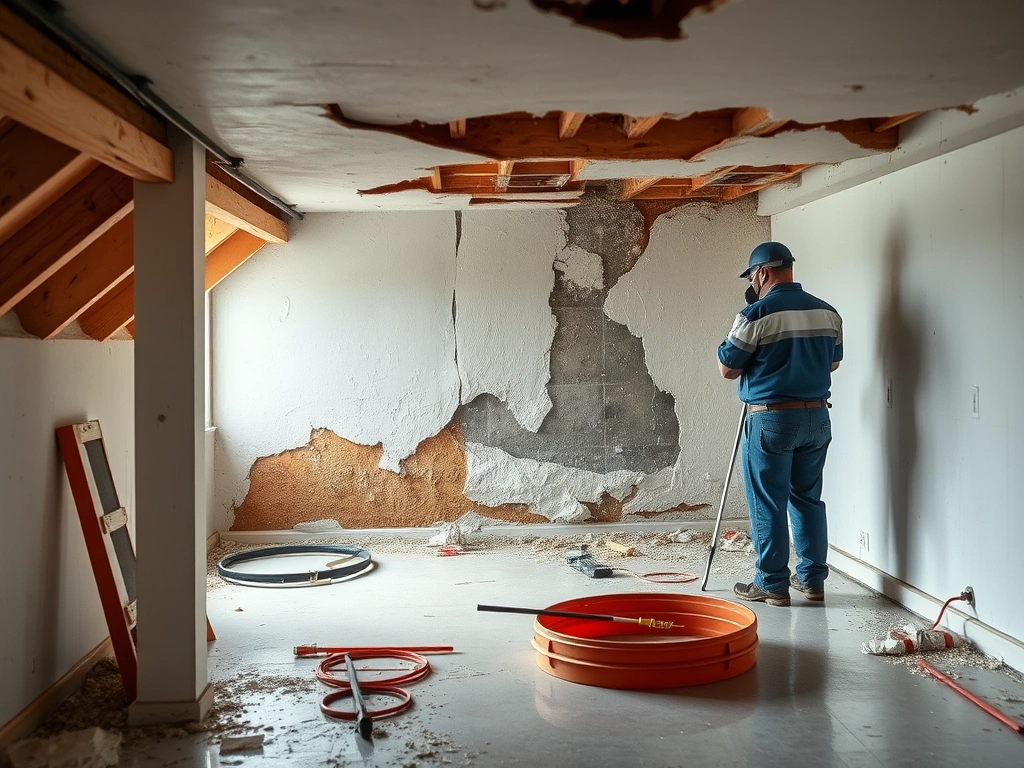
When Your Walls Start to Sag: Expert Drywall Water Damage Repair in Cedar Hill, TX
We’ve seen it all when it comes to water making its way into homes and businesses around Cedar Hill, TX. From tiny leaks that go unnoticed for too long to sudden pipe bursts that flood entire rooms, our team has handled it. You’re probably feeling overwhelmed right now, seeing that telltale discoloration or even bowing in your drywall. It’s a stressful situation, but know this: addressing drywall water damage quickly and correctly is our specialty. We understand the unique challenges properties face in our area, and we’re here to bring your walls back to their original condition.
It’s no surprise that over 165 five-star reviews highlight our commitment to homeowners like you. When water infiltrates your drywall, it’s not just about appearances; it’s about structural integrity and preventing mold. Local homeowners trust us because we don’t just patch things up; we get to the root cause and ensure a thorough water damage repair. We’ve built a reputation for being the go-to team for this specific problem, and we’re ready to show you why.
- We stop mold growth before it starts by completely drying out affected materials, not just the surface.
- Our process ensures your home’s air quality remains healthy by using specialized equipment to remove moisture.
- We meticulously match textures and paint colors, so the repair is virtually invisible, restoring your home’s beauty.
How Our Drywall Water Damage Repair Process Works
Dealing with water damage to your drywall can feel like a nightmare, but a clear, systematic process makes all the difference. We know that when water strikes, you need clarity and confidence in the team you’ve chosen. Cutting corners on drywall repair can lead to recurring issues, mold, and weakened structures, which is why our approach is always thorough. You’ll know exactly what to expect as we work to restore your property.
Inspection and Assessment
The first step is a detailed inspection to pinpoint the source of the water and the full extent of the drywall damage. We use advanced moisture meters to detect hidden water within walls and ceilings. This allows us to create a precise damage assessment and plan the most effective repair strategy.
Water Extraction and Drying
If there’s standing water or saturated materials, we’ll begin by extracting it using powerful pumps and vacuums. Then, we deploy industrial-grade air movers and dehumidifiers to thoroughly dry the affected areas. This critical phase prevents further damage and eliminates moisture sources, typically taking a few days depending on the severity.
Containment of Affected Areas
To prevent the spread of moisture and potential contaminants, we’ll set up containment barriers. This protects unaffected parts of your home and ensures that our drying and repair efforts are focused. It’s a crucial step for maintaining a clean work environment throughout the restoration.
Drywall Removal and Replacement
Once everything is dry, we carefully remove any damaged drywall sections. This ensures we’re working with sound materials. New drywall is then cut and installed to perfectly fit the affected areas, preparing them for finishing. We focus on a seamless drywall installation.
Finishing and Painting
After the new drywall is in place, our skilled technicians will tape, mud, and sand the seams to create a smooth, uniform surface. We then prime and paint the repaired areas to match your existing walls. Our goal is always a flawless finish that makes it look like the damage never happened.
Don’t let water-damaged drywall linger. Taking prompt action ensures a faster, more effective repair. Contact us today for an immediate assessment.
Warning Signs You Need Drywall Water Damage Repair
Catching water damage early is key to minimizing costs and preventing more serious issues like mold growth and structural compromise. Your drywall might be trying to tell you something. Keep an eye out for these common indicators that water has made its way where it shouldn’t be.
Discoloration and Stains
Yellow or brown stains on your walls or ceiling are often the first visible sign of water intrusion. These marks indicate that water has soaked into the drywall and is starting to break down its materials. Ignoring these visible water stains can lead to bigger problems down the line.
Bubbling or Peeling Paint
If you notice paint bubbling up or peeling away from the drywall surface, it’s a strong signal that moisture is trapped behind it. The water compromises the paint’s adhesion. This is a clear sign that professional drywall assessment is needed.
Musty Odors That Won’t Go Away
A persistent damp, musty smell, especially in areas without obvious leaks, often points to hidden moisture within your walls. This smell is usually caused by mold or mildew growth, which thrives in damp environments. Addressing hidden moisture problems is critical for your home’s health.
Sagging or Soft Spots
When drywall becomes saturated, it loses its rigidity and can start to sag or feel soft to the touch. This is a serious indicator of significant water absorption and potential structural weakening. Prompt drywall repair is essential to prevent collapse.
Cracks or Crumbling Edges
Water can weaken the paper facing and gypsum core of drywall, leading to cracks or crumbling along seams and edges. These are signs that the material is compromised and can no longer maintain its integrity. Don’t ignore crumbling drywall edges.
Water Rings on Ceilings
Circular, often discolored patterns on your ceiling are classic indicators of a leak from the floor above or the roof. These rings show where water has saturated the drywall. They require immediate attention to prevent ceiling collapse and prevent further water spread.
Drywall Water Damage Repair vs. DIY: When To Call a Professional
| Situation | DIY? | Call a Pro? | Why |
|---|---|---|---|
| Small, fresh water stain on a high ceiling (less than 1 sq ft) | Maybe | Yes | Hidden moisture can still be an issue, and professionals have drying equipment. |
| Wallpaper is peeling due to a minor leak | Maybe | Yes | The underlying drywall might be damaged or wet, requiring careful drying. |
| Large, dark stains or visible mold growth on drywall | No | Yes | Mold is a health hazard, and extensive damage requires expert remediation and repair. |
| Drywall is sagging or feels soft/spongy | No | Yes | This indicates significant saturation and potential structural compromise that needs professional assessment. |
| Water damage from a sewage backup or contaminated source | Absolutely Not | Yes | This is a biohazard situation requiring specialized safety protocols and disposal. |
| You’re unsure of the source or extent of the water damage | No | Yes | Professionals have the tools and experience to accurately diagnose and address the problem. |
For any situation involving significant water saturation, potential mold, or uncertainty about the damage, calling a professional is the safest and most effective route. We can accurately assess the situation and ensure your drywall is repaired correctly, preventing future headaches. Trust our expertise for all your water-damaged drywall needs.
Drywall Water Damage Repair Cost In Cedar Hill, TX
The cost of drywall water damage repair can vary significantly depending on several factors, including the size of the affected area, the severity of the damage, and the complexity of the repair. These figures are general estimates for our Cedar Hill, TX area. We provide free, no-obligation estimates after an on-site inspection.
| Service | Typical Price Range | What Affects Cost |
|---|---|---|
| Minor Drywall Patch (up to 2 sq ft) | $300 – $700 | Ease of access, texture matching difficulty. |
| Moderate Drywall Panel Replacement (2-10 sq ft) | $700 – $2,500 | Number of panels, requires structural support, complex ceiling work. |
| Large Area Drywall Repair (over 10 sq ft) | $2,500 – $7,000+ | Extensive water saturation, potential mold remediation, structural repairs. |
| Water Extraction and Drying Services | $500 – $3,000 | Amount of water, size of affected space, duration of drying needed. |
| Mold Testing and Remediation (if needed) | $500 – $5,000+ | Severity and type of mold, size of contaminated area. |
| Priming and Painting of Repaired Areas | $200 – $800 | Number of coats, matching existing paint color and sheen. |
Remember, these are just price ranges. An accurate quote requires a professional to see the damage firsthand. We offer free estimates to give you a clear picture of the cost for your specific situation. Get your free estimate today.
Service Areas Near Cedar Hill, TX
Cedar Hill, Dallas, Duncanville, Desoto, Grand Prairie, Lancaster, Midlothian, Waxahachie, Red Oak, Glenn Heights, Ovilla, Ferris, Palmer, Ennis, Arlington, Mansfield, Irving, Rowlett, Garland, Richardson.
Common Questions About Drywall Water Damage Repair
How long does it take to repair water-damaged drywall?
The timeline depends heavily on the extent of the damage and the drying process. Minor patches might take a day or two, while larger areas requiring extensive drying and replacement could take anywhere from a few days to over a week. We use advanced drying equipment to speed up the process as much as safely possible.
Will my homeowner’s insurance cover drywall water damage repair?
Often, yes, especially if the damage resulted from a sudden and accidental event like a burst pipe or storm damage. However, coverage varies, and damage from gradual leaks or poor maintenance may not be covered. We can help document the damage for your insurance claim, making the process of getting insurance approval smoother.
Is water-damaged drywall a health hazard?
Absolutely. Water-damaged drywall is a breeding ground for mold and mildew, which can cause respiratory problems, allergies, and other health issues. The longer water damage persists, the greater the risk to your health. Addressing it promptly is crucial for maintaining healthy indoor air.
What kind of equipment do you use for drying drywall?
We utilize industrial-strength air movers to circulate air and accelerate evaporation, along with powerful dehumidifiers to remove moisture from the air. In some cases, we may use specialized drying equipment like LGR dehumidifiers or heat systems. This equipment is essential for thorough moisture removal and preventing secondary damage.
Can I just paint over water stains on my drywall?
Painting over stains without addressing the underlying moisture and damage is a temporary fix that rarely works long-term. The stains will likely reappear, and the moisture can continue to weaken the drywall and promote mold growth. It’s always best to properly repair the damage first for a lasting, professional repair.
Check Our Other Relevant Services
Serving Cedar Hill, TX And Nearby Areas



