Trusted by 150+ Homeowners
Drywall Water Damage Repair in Cleburne, TX
- Over 150 5-Star Reviews
- Free Estimates and Quotes
- 100% Satisfaction Guaranteed
- Child, Family & Pet Safe Steps
- 24-Hour Emergency Service
- Fully Licensed & Insured
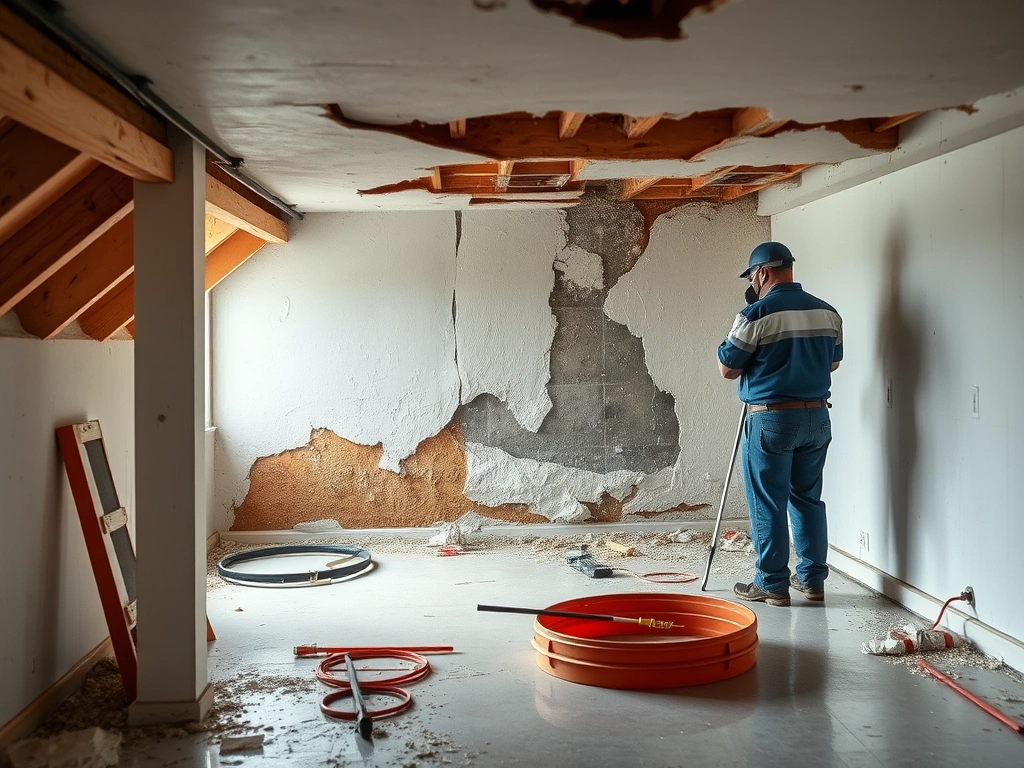
When Your Walls Start Showing Signs of Trouble: Drywall Water Damage Repair in Cleburne, TX
We’ve seen a lot of drywall water damage in homes and businesses around Cleburne, TX. From burst pipes in older homes to roof leaks after a storm, water doesn’t care about your schedule or your property’s appearance. It seeps into your drywall, creating a mess that needs immediate and expert attention. You’re probably feeling stressed, unsure of where to start, and worried about the long-term effects. That’s where our experienced crews come in, ready to tackle those soggy walls and restore your home’s integrity.
It’s no wonder over 165 five-star reviews mention our team for this specific problem. Homeowners around here trust us because we focus on getting your drywall fixed right the first time. We understand the disruption water damage causes and how important it is to have a team that handles the technical details and the stressful aftermath. You can count on us to be thorough and transparent.
- We don’t just patch holes; we identify and fix the *source* of the leak to prevent future damage.
- Our team uses specialized drying equipment to ensure your walls are completely dry, preventing mold growth and structural issues.
- We handle the messy removal of damaged drywall and ensure a clean, smooth surface ready for painting and finishing.
How We Handle Your Drywall Water Damage
Dealing with water-damaged drywall is more than just an aesthetic problem; it’s a potential health hazard and a sign of underlying issues. A quick patch job might look okay for a day, but if the moisture isn’t fully removed and the damaged material isn’t replaced, you’re setting yourself up for bigger headaches down the road. We follow a meticulous process to ensure your drywall is truly repaired, not just covered up. It’s about protecting your investment and ensuring a healthy living environment.
1. Initial Assessment and Water Source Identification
The first step is always figuring out where the water came from and how far it’s spread. Our technicians use advanced moisture meters to map out the affected areas, even behind walls. Identifying the exact source of the leak is crucial to prevent recurrence. This assessment usually takes about an hour or two, depending on the complexity.
2. Water Extraction and Drying
If there’s standing water, we’ll extract it using powerful pumps. Then, we set up specialized drying equipment like industrial air movers and dehumidifiers. These machines work around the clock to draw out moisture from your drywall and the surrounding materials. This drying phase can take anywhere from 24 to 72 hours, depending on how saturated things are.
3. Damaged Drywall Removal
Once everything is dry, we carefully remove the compromised drywall. This isn’t a job for a utility knife; we make precise cuts to remove only the damaged sections, minimizing disruption. We’re looking for soft spots, stains, and any signs of mold. This process can take a few hours to a full day, depending on the extent of the damage.
4. Mold Prevention and Remediation
Water damage creates the perfect environment for mold. We thoroughly inspect for any signs of mold growth and treat affected areas with antimicrobial solutions. Our goal is to ensure your home is safe and healthy, not just dry. This step is integrated throughout the removal and drying process.
5. Drywall Repair and Finishing
With the damaged sections gone and the area completely dry, we install new drywall. Our crews then tape, mud, and sand the new sections to match the existing walls perfectly. We aim for a smooth, seamless finish that’s ready for primer and paint. This final stage typically takes one to two days.
Don’t let water damage linger. Taking action quickly can save you a lot of money and hassle. Get a professional assessment today to understand the full scope of the problem.
Warning Signs You Need Drywall Water Damage Repair
Catching water damage early is key to minimizing its impact on your home and your wallet. Ignoring these signs can lead to much bigger, more expensive problems like mold infestations and structural damage. It’s always better to be safe than sorry when it comes to water intrusion. We want you to be aware of what to look for so you can protect your property effectively.
Musty Odors That Won’t Go Away
A persistent damp, musty smell, especially in specific rooms or areas, is a strong indicator of hidden moisture. This smell often means mold is starting to grow behind your walls. Don’t just mask the odor; investigate the source.
Visible Stains or Discoloration
Water stains on your ceiling or walls are obvious signs of a leak. They often appear as yellow, brown, or even darker splotches. These marks mean the water has penetrated the paint and paper layers of your drywall. Addressing these water marks promptly is essential.
Peeling or Bubbling Paint
When paint starts to peel, blister, or bubble away from the drywall surface, it’s a clear sign that moisture is trapped underneath. The water is compromising the adhesion of the paint. This is a visual cue that damage is occurring.
Sagging or Soft Drywall
If you notice sections of your drywall beginning to sag, bulge, or feel soft and spongy to the touch, this indicates significant water saturation. The gypsum core is breaking down, losing its structural integrity. This is a serious warning sign.
Cracks or Crumbling Edges
Water can weaken the drywall’s structure, leading to new cracks or making existing ones worse. The edges of drywall panels might start to crumble or break away. These are physical indicators of compromised material.
Mold Growth
Seeing fuzzy or slimy patches of mold, often black, green, or white, is a direct sign of water damage and a significant health concern. Mold can spread rapidly in damp conditions. Act immediately to contain mold issues.
Drywall Water Damage Repair vs. DIY: When To Call a Professional
| Situation | DIY? | Call a Pro? | Why |
|---|---|---|---|
| Small spot from a minor leak (e.g., condensation) | Yes | No | Minor spots can often be dried and patched easily. |
| Large ceiling stain or sagging drywall | No | Yes | Indicates deep saturation and potential structural weakening. |
| Suspected leak behind a wall or in the ceiling cavity | No | Yes | Requires specialized tools to locate and dry hidden moisture. |
| Visible mold growth | No | Yes | Mold requires professional containment and remediation for safety. |
| Water damage following a major event (burst pipe, roof leak) | No | Yes | Extensive damage needs professional assessment and drying equipment. |
| Need to repaint the repaired area | Yes | No | Repainting is a standard finishing task after repair. |
For anything beyond a very minor, surface-level spot, calling a professional is usually the smarter choice. It ensures the underlying moisture is managed and the repair is done correctly to prevent future problems.
Drywall Water Damage Repair Cost In Cleburne, TX
The cost to repair drywall water damage in Cleburne, TX can vary quite a bit. Factors like the size of the affected area, the severity of the water damage, and whether mold is present all play a big role. These figures are meant to give you a general idea; a precise estimate requires an on-site inspection.
| Service | Typical Price Range | What Affects Cost |
|---|---|---|
| Minor Drywall Patch (up to 1 sq ft) | $150 – $400 | Complexity of the patch, texture matching. |
| Moderate Drywall Repair (2-5 sq ft) | $400 – $1,200 | Water saturation, drying time, removal effort. |
| Large Section Replacement (over 5 sq ft) | $1,000 – $3,000+ | Extent of damage, structural repairs needed, ceiling vs. wall. |
| Water Extraction & Drying | $500 – $2,000+ | Volume of water, size of affected space, duration of drying. |
| Mold Remediation (if needed) | $500 – $5,000+ | Severity and spread of mold, containment requirements. |
| Priming and Painting | $200 – $600+ | Area size, number of coats, paint quality. |
The final price will depend on a thorough assessment of your specific situation. We offer free, no-obligation estimates so you know exactly what to expect before any work begins.
Service Areas Near Cleburne, TX
Burleson, Keene, Joshua, Godley, Alvarado, Grandview, Cresson, Glen Rose, Granbury, Tolar, Stephenville, Arlington, Fort Worth, Dallas, Mansfield, Waxahachie, Ennis, Midlothian, Cedar Hill, Red Oak.
Common Questions About Drywall Water Damage Repair
What is the average cost of drywall water damage repair in Cleburne, TX?
The average cost can range from a few hundred dollars for a small patch to several thousand for extensive damage, including drying and mold remediation. Factors like the size of the damaged area, the type of water (clean or contaminated), and the need for mold cleanup heavily influence the final price. We always provide a detailed estimate after our initial inspection.
How long does it take to repair drywall water damage?
The timeline varies significantly. The drying process alone can take 24-72 hours. Following that, removing damaged drywall, preparing the area, and installing and finishing new drywall typically adds another 1-3 days. So, you’re looking at anywhere from 3 to 5 days total, sometimes longer for very severe cases. We work efficiently to minimize disruption.
Is water-damaged drywall dangerous?
Yes, it can be. Beyond the cosmetic issues, wet drywall is a breeding ground for mold, which can cause respiratory problems and allergic reactions. The structural integrity of the drywall can also be compromised, leading to sagging or collapse. It’s crucial to address water damage promptly to ensure your home is safe and healthy.
What equipment do you use for drywall water damage repair?
We use professional-grade equipment, including high-powered water extractors, industrial dehumidifiers, and air movers to ensure thorough drying. For repairs, we use specialized drywall tools for precise cutting and a variety of finishing materials to achieve a seamless, paint-ready surface.
How can I prevent drywall water damage in the future?
Regular maintenance is key. This includes checking for roof leaks, inspecting plumbing for any drips or corrosion, and ensuring your gutters are clear and directing water away from your foundation. Promptly addressing any signs of moisture, like condensation or small leaks, can prevent major drywall damage. Keeping up with preventative maintenance saves you future headaches.
Check Our Other Relevant Services

Paul Kerns: Damage Restoration Expert
Paul Kerns is a licensed restoration authority with over 20 years of experience in disaster recovery and property mitigation. His extensive background makes him a leading voice in restoring residential and commercial structures to pre-loss condition with precision and care.
𝗖𝗲𝗿𝘁𝗶𝗳𝗶𝗰𝗮𝘁𝗶𝗼𝗻𝘀: Paul is highly credentialed through the IICRC, holding specialized certifications in Water Damage Restoration, Mold Remediation, Applied Structural Drying, Odor Control, and Fire and Smoke Restoration. His technical expertise ensures every project adheres to rigorous safety and environmental standards.
𝗕𝗲𝘀𝘁 𝗣𝗮𝗿𝘁 𝗼𝗳 𝘁𝗵𝗲 𝗝𝗼𝗯: Paul finds the most reward in providing a sense of calm during a crisis, helping clients navigate the complexities of recovery to reclaim their homes.
𝗙𝗮𝘃𝗼𝗿𝗶𝘁𝗲 𝗣𝗮𝘀𝘁𝗶𝗺𝗲: Outside of work, Paul enjoys restoring vintage furniture and fishing at the lake.