
Trusted by 150+ Homeowners
Drywall Water Damage Repair in Farmers Branch, TX
- Over 150 5-Star Reviews
- Free Estimates and Quotes
- 100% Satisfaction Guaranteed
- Child, Family & Pet Safe Steps
- 24-Hour Emergency Service
- Fully Licensed & Insured
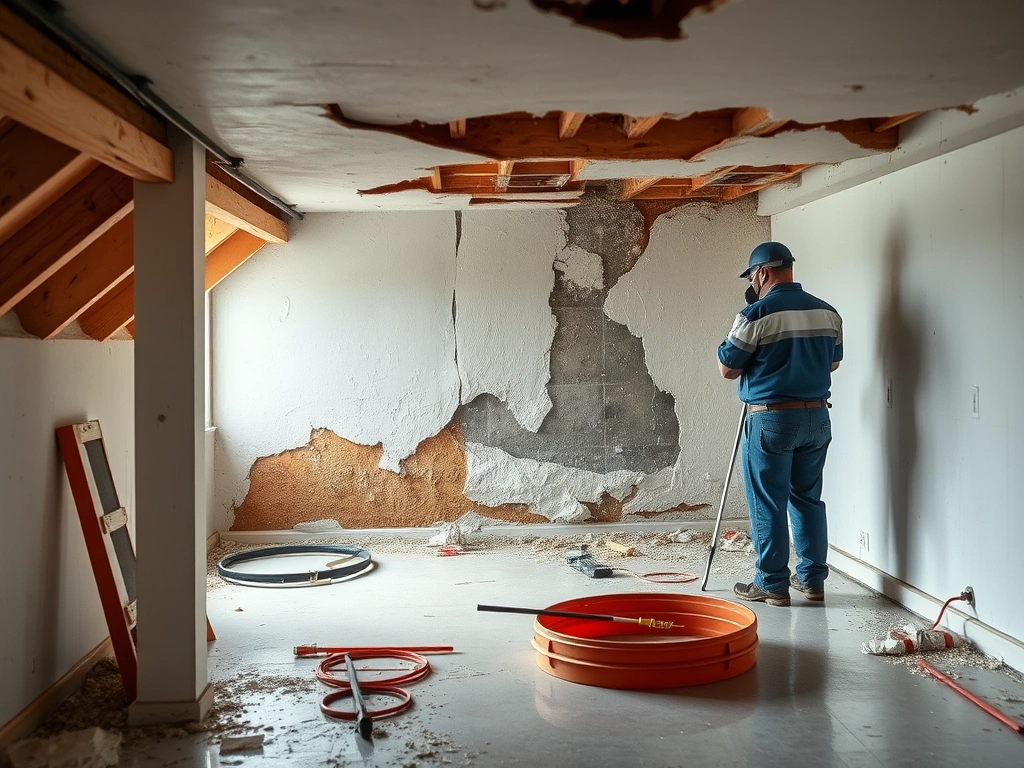
Don’t Let Water Ruin Your Walls: Expert Drywall Water Damage Repair in Farmers Branch, TX
Here in Farmers Branch, TX, we know a thing or two about sudden downpours. When those heavy Texas rains hit, or if a pipe decides to spring a leak inside your home, your drywall is often the first thing to show the damage. You might notice it sagging, staining, or even crumbling. It’s a common problem around here, and ignoring it can lead to much bigger issues down the road. We’re here to help you tackle this mess and get your home back to normal, dealing with everything from minor stains to major structural issues.
Homeowners in the area trust us because we understand what it takes to properly fix drywall water damage. We’ve helped hundreds of your neighbors deal with these stressful situations, and we’ve earned over 165 five-star reviews for our dedicated work. When you’re facing this kind of problem, you want a team that’s reliable and efficient, and that’s exactly what we aim to be for every single homeowner we serve. You can count on us for prompt and professional service.
- We focus on restoring the integrity of your walls, not just covering up the problem, ensuring a lasting repair that prevents future mold growth.
- Our team uses specialized drying equipment to thoroughly remove all moisture from the affected drywall and surrounding materials, which is crucial for preventing further damage.
- You’ll get clear communication throughout the process, so you always know what to expect and when your home will be back to its best.
How We Tackle Drywall Water Damage
Dealing with water-damaged drywall requires more than just slapping on some new paint. It’s a careful process that involves identifying the source of the leak, thoroughly drying the area, and then making the necessary repairs. Cutting corners here can mean dealing with mold, mildew, and weakened structures later on. Our crews follow a proven method to ensure your drywall is not only repaired but also that your home is safe and healthy again. We always aim for complete water removal and thorough structural drying.
Step 1: Initial Assessment and Water Source Identification
The first thing we do is figure out exactly where the water came from and how extensive the damage is. This involves carefully inspecting the affected drywall, looking for the entry point of the water and assessing how far it has spread. We use moisture meters to get precise readings and ensure we’re addressing the root cause, not just the symptom. This step is vital for preventing repeat damage and ensuring a proper repair plan.
Step 2: Water Extraction and Drying
Once we know the source is stopped, we focus on removing all standing water and drying out the wet materials. For drywall, this means sometimes cutting away saturated sections to expose the studs and insulation behind it. We use powerful extractors and commercial-grade air movers and dehumidifiers to speed up the drying process. This critical phase helps prevent mold and further deterioration, ensuring the area is completely dry and stable for repairs.
Step 3: Mold and Mildew Prevention
As we dry everything out, we’re also looking for any signs of mold or mildew growth, or conditions that could encourage it. If necessary, we’ll apply antimicrobial treatments to the affected areas. Preventing mold is a top priority, as it can pose serious health risks and further damage your home’s structure. Our goal is to leave your home not just dry, but also healthy and safe for your family.
Step 4: Drywall Repair and Replacement
After the area is thoroughly dried and treated, we move on to the repairs. This might involve patching small holes, replacing entire sections of damaged drywall, or even reinforcing weakened areas. We carefully match textures and finishes so that the repaired areas blend in seamlessly with the rest of your walls. You’ll be able to see the professional finish we achieve.
Step 5: Finishing and Painting
The final step is making everything look like it never happened. We’ll sand the repaired areas smooth, apply primer, and then paint to match your existing wall color. Our painters take pride in their work, ensuring a clean, uniform finish that restores the beauty of your rooms. We want you to be completely satisfied with the final result.
Don’t let water damage compromise your home’s appearance and safety. Reach out to us today to get a detailed assessment and start the repair process. We’re ready to help you restore your walls.
Warning Signs You Need Drywall Water Damage Repair
Catching water damage early is key to minimizing the cost and hassle of repairs. Your drywall can tell you a lot if you know what to look for. Paying attention to these signs can save you from dealing with much more extensive problems down the line. Keep an eye out for these common indicators that it’s time to call in the pros.
Discolored Stains or Water Spots
Yellow or brown stains on your ceiling or walls are a clear sign of water intrusion. These spots indicate that water has soaked through the paint and drywall material. They can be small at first but often grow larger over time, signaling a persistent leak.
Sagging or Bubbling Drywall
When drywall gets saturated, it loses its structural integrity. You might notice it starting to sag, droop, or even bubble outwards. This is a sign of significant moisture absorption and requires immediate professional attention.
Peeling or Bubbling Paint
Water trapped behind paint can cause it to peel away from the drywall surface. You might see blisters or sections of paint lifting. This indicates moisture is present and needs to be addressed before it causes more extensive damage.
Musty Odors That Won’t Go Away
A persistent, musty smell, especially in certain rooms or near specific walls, is a strong indicator of hidden moisture and potential mold growth. This smell often means there’s a hidden water source causing problems.
Cracks or Crumbling Drywall
As drywall weakens from water saturation, it can develop cracks or start to crumble, especially around the edges or seams. This is a sign that the material is compromised and needs to be repaired or replaced to maintain wall stability.
Drywall Water Damage Repair vs. DIY: When To Call a Professional
| Situation | DIY? | Call a Pro? | Why |
|---|---|---|---|
| Small, isolated water spots on a ceiling with no sagging | Yes, if the leak source is easily found and fixed. | Yes | To ensure the underlying cause is fully resolved and to properly seal and paint the spot without streaks. |
| Drywall that is visibly sagging or bulging | No | Yes | Sagging drywall indicates significant saturation and potential structural compromise; professional drying and replacement are needed. |
| Suspected mold growth or musty odors | No | Yes | Mold remediation requires specialized equipment and safety protocols to protect your health and prevent spreading. |
| Water damage from a major leak (burst pipe, appliance failure) | No | Yes | These events often involve extensive saturation requiring professional water extraction, drying, and potentially structural repairs. |
| Multiple rooms or large areas affected | No | Yes | Large-scale damage needs efficient, industrial-grade drying equipment and a systematic approach to prevent long-term issues. |
| Drywall that is soft, crumbly, or falling apart | No | Yes | This level of damage means the drywall material itself is compromised and needs to be carefully removed and replaced. |
While minor cosmetic issues might be manageable for a DIYer, any sign of actual water saturation, structural weakness, or potential mold growth means it’s time to bring in the experts. We have the tools and knowledge to handle these situations effectively, ensuring a safe and thorough repair.
Drywall Water Damage Repair Cost In Farmers Branch, TX
The cost to repair drywall water damage in Farmers Branch, TX, can vary quite a bit. Factors like the size of the affected area, the severity of the saturation, and whether mold has started to grow all play a role. These price ranges are general estimates and not exact quotes; a personal assessment is always best.
| Service | Typical Price Range | What Affects Cost |
|---|---|---|
| Minor Drywall Patching (up to 2’x2′) | $250 – $750 | Complexity of texture matching and primer/paint needs. |
| Section Replacement (up to 4’x8′ panel) | $500 – $1,500 | Labor for removal, disposal, installation of new drywall, and finishing. |
| Full Wall Section Replacement | $1,000 – $3,000+ | Extent of damage, need for insulation replacement, and accessibility. |
| Water Extraction and Drying | $300 – $1,200 per room | Size of the space, saturation level, and duration of drying required. |
| Mold Remediation (if necessary) | $500 – $3,000+ | Severity of mold infestation and the area needing treatment. |
| Priming and Painting | $200 – $600 per room | Number of coats needed and matching existing paint color/sheen. |
We offer free, no-obligation estimates to give you a clear picture of the costs for your specific situation. Our team will walk you through the process and provide a transparent pricing breakdown.
Service Areas Near Farmers Branch, TX
Addison, Dallas, Carrollton, Coppell, Irving, Richardson, University Park, Highland Park, Garland, Mesquite, Rowlett, Rockwall, Wylie, Sachse, Forney, Terrell, Allen, Frisco, McKinney, Plano
Common Questions About Drywall Water Damage Repair
What’s the first thing I should do if I find water damage on my drywall?
Your immediate priority is to stop the source of the water if possible, like turning off a leaky appliance or shutting off the main water valve if a pipe has burst. Then, try to contain the water with towels or buckets. For drywall issues, it’s best to call us quickly so we can begin the drying and assessment process, preventing further damage and potential mold growth.
How long does it take to repair drywall water damage?
The timeline really depends on the extent of the damage and the drying time needed. Minor repairs might be done in a day or two once the area is dry, but if we need to remove and replace large sections, or if extensive drying is required, it could take several days to a week or more. We focus on efficient drying techniques to speed things up safely.
Is water-damaged drywall dangerous?
Yes, it can be. Beyond the cosmetic issues like stains and sagging, wet drywall is a prime breeding ground for mold and mildew, which can cause respiratory problems and other health issues. The saturated material can also weaken your home’s structure over time. We take mold prevention seriously and ensure all moisture is removed.
What kind of equipment do you use to dry out wet drywall?
We use industrial-grade equipment that’s far more powerful than anything you can buy at a home store. This includes high-powered water extractors to remove standing water, specialized air movers to circulate air and speed up evaporation, and commercial dehumidifiers to pull moisture out of the air and materials. This equipment is key to achieving thorough drying and preventing secondary damage.
Can I just paint over a water stain on my drywall?
While it might seem like an easy fix, painting directly over a water stain is rarely a good idea. The stain will likely bleed through the new paint, and more importantly, it doesn’t address the underlying moisture issue. If you don’t dry out the drywall and treat any potential mold, you’re just masking a problem that will eventually reappear and could worsen. Always ensure the area is completely dry and treated before painting.
Check Our Other Relevant Services
Serving Farmers Branch, TX And Nearby Areas



