Trusted by 150+ Homeowners
Drywall Water Damage Repair in Melissa, TX
- Over 150 5-Star Reviews
- Free Estimates and Quotes
- 100% Satisfaction Guaranteed
- Child, Family & Pet Safe Steps
- 24-Hour Emergency Service
- Fully Licensed & Insured
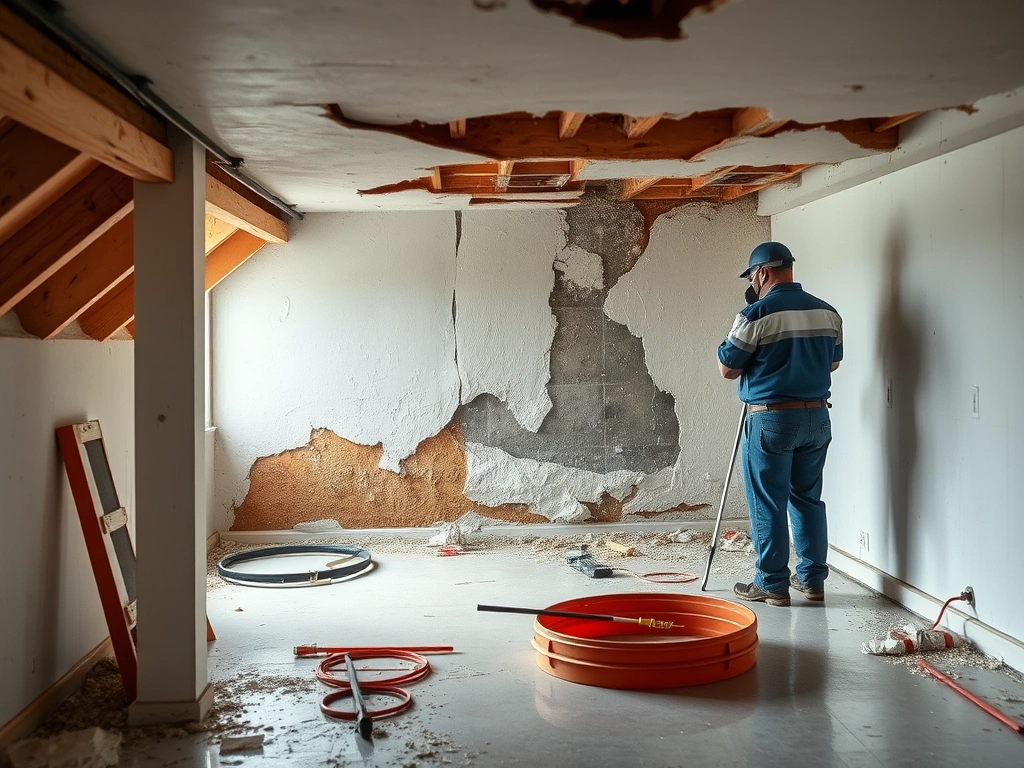
Don’t Let Water Ruin Your Walls: Expert Drywall Water Damage Repair in Melissa, TX
When you notice that first tell-tale bulge or stain on your drywall, it’s easy to feel a knot of worry. Ignoring drywall water damage is a mistake many homeowners make, often leading to much bigger, more expensive problems down the road. It’s crucial to understand that wet drywall isn’t just unsightly; it can become a breeding ground for mold and lose its structural integrity. Prompt attention to water-infiltrated drywall is the most important first step you can take to protect your home’s health and value.
Locally, homeowners trust our team for their specific drywall water damage needs. We’ve been fortunate to receive over 165 five-star reviews from neighbors around here who appreciate our straightforward approach and dedication to getting it right. When your walls have suffered water intrusion, you want a team that understands the unique challenges of drywall repair and responds with urgency. Choosing the right help makes all the difference in restoring your property.
- We focus on swift containment to stop further damage, preventing the spread of moisture that can compromise your home’s structure and air quality.
- Our targeted drying techniques use specialized equipment to ensure your drywall is dried completely, significantly reducing the risk of mold growth.
- We handle the complete repair process, from removing damaged materials to perfectly matching textures and paint, making it look like the damage never happened.
How We Tackle Drywall Water Damage Repair
The process for repairing drywall water damage isn’t something you can rush without risking future issues. When water soaks into drywall, it can break down its core materials, making it weak and susceptible to mold. That’s why our team follows a meticulous, step-by-step approach, utilizing industry-standard procedures to ensure a thorough and lasting repair. A proper drying and repair process prevents recurring problems and ensures your home is safe and sound.
Initial Water Extraction and Containment
The very first thing we do is stop the source of the water if it’s ongoing and then extract any standing water. We use powerful pumps and extraction tools to remove as much moisture as possible. This phase is critical for minimizing water migration and preventing further saturation of your drywall and surrounding materials. This typically takes a few hours, depending on the volume of water.
Controlled Drying of Affected Areas
Once the bulk of the water is gone, we deploy high-speed air movers and industrial-grade dehumidifiers. These machines work to accelerate the evaporation process, pulling moisture out of the air and materials. We monitor humidity and temperature levels closely to ensure efficient drying, which can take anywhere from 24 to 72 hours, depending on the extent of the saturation.
Damage Assessment and Material Removal
With the area dried, our technicians carefully inspect the drywall for signs of damage. We’ll identify areas that are soft, crumbling, stained, or showing signs of mold. Any drywall that has been compromised beyond repair is carefully cut out and removed. Safely removing damaged materials is essential to prevent future mold growth and ensure a stable base for new drywall. This assessment usually takes a few hours.
Installation of New Drywall and Finishing
New drywall panels are cut to size and installed in place of the removed sections. Our crews then expertly tape, mud, and sand the new seams and screw heads to create a smooth, seamless surface. We pay close attention to matching existing textures, so the repaired area blends perfectly with the rest of your wall. This finishing work can take 1-3 days, depending on the size of the repair and drying time between mud coats.
Painting and Final Touches
Once the new drywall is finished and the area is clean, we apply primer and paint to match your existing wall color. Our goal is to make the repaired section virtually invisible. We want you to be happy with the final look, so we ensure a flawless paint finish. This final step usually takes another day.
Don’t let water-damaged drywall linger; it only gets worse. Contact us immediately if you suspect your walls have sustained water damage, and we’ll be on our way to start the repair process.
Warning Signs You Need Drywall Water Damage Repair
Catching water damage early is key to preventing costly repairs and potential health hazards. Drywall is surprisingly absorbent, and even small leaks can lead to significant problems if left unaddressed. Being aware of the signs can save you a lot of trouble. Recognizing these warning signs is your first line of defense against extensive damage.
Discolored or Stained Walls
Yellow, brown, or rust-colored stains on your drywall are a clear indicator of water intrusion. These stains often appear below windows, around plumbing fixtures, or on ceilings where leaks have occurred. Investigating these stains promptly can help you find and fix the source of the leak before it causes more damage.
Bubbling or Peeling Paint
When water gets behind the paint on your drywall, it can cause the paint to bubble, blister, or peel away from the surface. This is a sign that moisture is trapped between the paint layer and the drywall paper. Addressing bubbling paint quickly can prevent larger sections of drywall from becoming saturated and damaged.
Soft or Spongy Drywall
If you press on a section of drywall and it feels soft, spongy, or gives way easily, it’s likely saturated with water. This indicates that the gypsum core has weakened and is no longer structurally sound. Testing suspicious drywall for softness is a direct way to identify areas needing immediate attention.
Musty Odors That Won’t Go Away
A persistent damp, musty smell, especially after a leak or in areas prone to moisture, is a strong indicator of hidden water damage and potential mold growth. These odors often linger even after the visible water has dried. Eliminating musty odors requires finding and removing the source of moisture and any affected materials.
Visible Water Trails or Streaks
Sometimes, water can leave behind visible trails or streaks on your walls or ceilings as it travels through the drywall. These can be faint or quite pronounced, often appearing as darker lines. Noticing water trails means you need to trace them back to their origin to stop the leak.
Sagging or Cracking Drywall
When drywall becomes saturated, it loses its rigidity and can start to sag, especially on ceilings. In severe cases, it may even crack or collapse. Observing sagging drywall is a critical warning sign that structural integrity is compromised and requires immediate intervention.
Drywall Water Damage Repair vs. DIY: When To Call a Professional
| Situation | DIY? | Call a Pro? | Why |
|---|---|---|---|
| Small, fresh water spot on an exterior wall after heavy rain | Yes, if it’s minor and dries quickly | Yes, if the stain persists or spreads | Small spots might be surface-level, but persistent ones indicate deeper issues. |
| Ceiling stain from a minor bathroom leak | No | Yes | Ceiling drywall is prone to catastrophic failure when saturated and hidden damage is likely. |
| A small drip from a pipe behind a wall that was quickly fixed | Yes, for the immediate cleanup and drying | Yes, for professional assessment and repair | Even small leaks can cause hidden mold and drywall weakening. |
| Water damage from a burst pipe affecting multiple rooms | No | Yes | This involves significant water saturation and potential structural damage requiring specialized equipment and expertise. |
| Mold growth visible on drywall after a water incident | No | Yes | Mold remediation requires specific safety protocols and containment to prevent airborne spores. |
| Drywall that feels soft, spongy, or is visibly crumbling | No | Yes | This indicates structural compromise that cannot be safely repaired by DIY methods. |
While minor surface issues might seem manageable, professional assessment is often crucial for drywall water damage. Our team has the specialized tools and training to detect hidden moisture, assess the true extent of the damage, and prevent future problems like mold. Trusting the professionals ensures a complete and safe restoration of your walls.
Drywall Water Damage Repair Cost In Melissa, TX
The cost of drywall water damage repair in Melissa, TX, can vary significantly. Factors like the size of the affected area, the severity of the saturation, the need for mold remediation, and the complexity of the repair all play a role. These figures are estimates to give you a general idea of what to expect for services in the area. Understanding potential costs helps in planning for repairs.
| Service | Typical Price Range | What Affects Cost |
|---|---|---|
| Water Extraction (small area) | $300 – $800 | Amount of water, accessibility of the area. |
| Controlled Drying (per room) | $500 – $1,500 | Size of the room, duration of drying needed, equipment deployed. |
| Drywall Patching (small section, up to 2×2 ft) | $200 – $500 | Complexity of the patch, texture matching difficulty. |
| Drywall Replacement (per sheet) | $300 – $700 | Cost of materials, labor for removal and installation, finishing. |
| Texturing and Painting (matching existing) | $250 – $600 | Size of the repaired area, complexity of the texture, paint matching. |
| Mold Assessment and Remediation (if needed) | $500 – $4,000+ | Extent of mold growth, type of mold, containment needs. |
For an accurate estimate tailored to your specific situation, we offer free on-site assessments. Our technicians will evaluate the damage and provide a clear breakdown of the necessary repairs and associated costs. Getting a professional estimate is the best way to understand the investment required for your property.
Service Areas Near Melissa, TX
Anna, Blue Ridge, Carrollton, Celina, Copeville, Dallas, Farmersville, Frisco, Garland, Josephine, Lavon, Lucas, McKinney, Nevada, New Hope, Parker, Plano, Princeton, Richardson, Royse City.
Common Questions About Drywall Water Damage Repair
How long does drywall water damage repair usually take?
The timeline for repairing drywall water damage depends heavily on the extent of the saturation and any necessary drying time. Initial water removal and drying can take 24-72 hours. After that, the drywall installation, finishing, and painting typically add another 2-5 days. We work efficiently to minimize disruption, but thorough drying is essential to prevent future issues.
Is drywall water damage covered by homeowner’s insurance?
Generally, homeowner’s insurance covers water damage caused by sudden and accidental events, like burst pipes or storm damage. However, damage from slow leaks or lack of maintenance is often excluded. We can help document the damage for your insurance claim, but it’s best to review your policy or speak directly with your insurance provider.
What are the health risks associated with untreated drywall water damage?
The primary health risk is mold growth, which can thrive in damp drywall. Mold spores can cause allergic reactions, respiratory problems, and other health issues, especially for those with asthma or compromised immune systems. Addressing water damage quickly is vital for maintaining healthy indoor air quality and preventing mold infestations.
What kind of equipment do you use to dry out wet drywall?
Our team uses professional-grade equipment designed for efficient water damage restoration. This includes powerful water extractors, high-speed air movers to circulate air and speed up evaporation, and industrial dehumidifiers to remove moisture from the air. Specialized drying equipment ensures that your drywall is dried thoroughly and safely, far beyond what fans and open windows can achieve.
Can I just paint over a water stain on my drywall?
Painting over a water stain without addressing the underlying moisture issue is a temporary fix at best, and often a bad idea. The stain will likely reappear, and more importantly, any trapped moisture can lead to mold growth and structural damage. Properly treating water stains involves removing the source of moisture, drying the area, and then priming and painting.
Check Our Other Relevant Services
Serving Melissa, TX And Nearby Areas