Trusted by 150+ Homeowners
Drywall Water Damage Repair in Providence Village, TX
- Over 150 5-Star Reviews
- Free Estimates and Quotes
- 100% Satisfaction Guaranteed
- Child, Family & Pet Safe Steps
- 24-Hour Emergency Service
- Fully Licensed & Insured
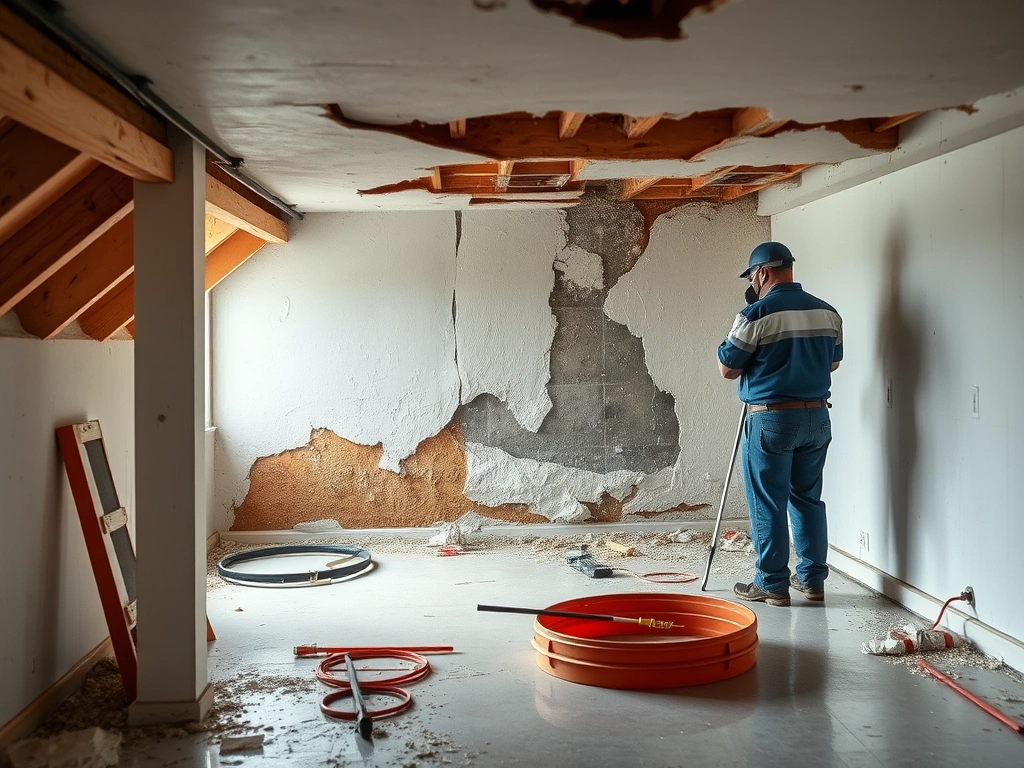
When Providence Village, TX Gets Humid: Battling Drywall Water Damage
Living around here, you know how those humid Texas summers can feel. Sometimes, that persistent moisture can sneak into your home, leading to a common but frustrating problem: drywall water damage. It might start small, like a faint stain after a heavy rain, but ignoring it can quickly turn a minor issue into something much more serious. You’re probably wondering how to handle it, and that’s exactly why we’re here. We’ll help you understand the signs and get your walls looking their best again.
We’ve helped hundreds of homeowners in your neighborhood deal with water-damaged drywall. Our local reputation is built on getting the job done right, the first time. You can see it in our more than 165 five-star reviews from satisfied customers. They trust us to be honest, efficient, and thorough when it comes to protecting their homes. We understand that dealing with water damage is stressful, and we aim to make the repair process as smooth as possible for you.
- We focus on restoring your drywall’s structural integrity, not just its appearance, preventing future issues like mold growth.
- Our team uses specialized drying equipment to ensure your walls are completely dry, which is crucial for preventing long-term damage and health concerns.
- We handle everything from minor cosmetic repairs to extensive drywall replacement, ensuring your home is safe and looks great again.
How We Tackle Drywall Water Damage
When water finds its way into your drywall, it’s not just about the surface stain. The material can become saturated, weakening its structure and creating a breeding ground for mold if not properly addressed. That’s why our approach is thorough. We don’t just patch and paint; we ensure the underlying problem is solved and the affected areas are thoroughly dried and restored. Cutting corners here can lead to much bigger headaches down the road, like recurring mold or structural instability.
Assessment and Water Source Identification
The first step is always figuring out where the water came from and how extensive the damage is. We’ll carefully inspect the affected areas, looking for the root cause, whether it’s a leaky pipe, roof damage, or even high humidity. Pinpointing the source is critical to prevent future problems. We use moisture meters to map out the wet areas behind the walls.
Water Extraction and Drying
If there’s standing water or the drywall is heavily saturated, we’ll extract it. Then, our crews bring in specialized drying equipment. This includes high-powered air movers and dehumidifiers that work tirelessly to pull moisture out of your walls and the surrounding air. Proper drying prevents mold and ensures the materials are stable for repair. This process can take a few days, depending on the severity.
Damaged Drywall Removal
Once everything is dry, we assess which sections of drywall need to be removed. If the paper is blistered, the gypsum is soft, or there’s any sign of mold, that section needs to go. We carefully cut out the damaged portions, creating a clean edge for new drywall. Removing compromised material is essential for a lasting repair.
Installation of New Drywall
We then install new drywall panels to replace the removed sections. Our technicians ensure a snug fit and secure installation, matching the existing wall thickness and texture as closely as possible. Proper installation ensures a smooth finish and structural soundness.
Taping, Mudding, and Sanding
This is where we start to make the wall look seamless again. We tape the seams between the new and old drywall, apply multiple coats of joint compound (mud), and sand it smooth. This multi-step process creates an invisible transition. Achieving a smooth surface is key to a perfect paint job.
Priming and Painting
The final step is priming the repaired areas and applying your chosen paint color. We aim for a perfect match, so the repaired section blends in flawlessly with the rest of your wall. You’ll be able to enjoy your beautifully restored walls again. Restoring your home’s appearance is our ultimate goal.
Don’t let water-damaged drywall compromise your home’s beauty and safety. Call us today to get a professional assessment and a plan for repair.
Warning Signs You Need Drywall Water Damage Repair
Catching drywall water damage early can save you a significant amount of money and hassle. Ignoring these signs can lead to more extensive repairs, mold growth, and even structural issues. Keep an eye out for these common indicators around your property.
Discolored Stains on Walls or Ceilings
Brown or yellow stains, often called “water spots,” are a clear sign that water has penetrated your drywall. They can appear suddenly after a leak or gradually over time. Visible staining indicates moisture intrusion that needs investigation.
Peeling or Bubbling Paint/Wallpaper
When paint begins to peel or bubble away from the wall, or wallpaper starts to lift at the seams, it’s often due to moisture trapped underneath. The adhesive can no longer hold against the dampness. Damaged finishes signal underlying wetness.
Soft or Spongy Drywall
Touch your walls. If a section feels soft, spongy, or unusually flexible, it means the gypsum core has absorbed water and is likely compromised. Weakened drywall needs immediate attention.
Visible Mold or Mildew
Any fuzzy growth, typically black, green, or white, on your walls is a serious warning sign. Mold thrives in damp environments, and its presence means your drywall has been wet for some time. Mold growth is a health hazard and requires professional remediation.
Musty Odors That Won’t Go Away
Even if you can’t see any visible damage, a persistent musty or earthy smell often points to hidden mold or dampness within your walls. This odor is a strong indicator of a problem. Lingering smells suggest hidden moisture.
Cracks or Sagging Drywall
Waterlogged drywall becomes heavy and can start to sag, especially along seams or around fixtures. You might also see new cracks appearing. Visible sagging indicates structural compromise.
Drywall Water Damage Repair vs. DIY: When To Call a Professional
| Situation | DIY? | Call a Pro? | Why |
|---|---|---|---|
| Small, fresh stain from a minor spill | Yes | No | Easy to clean and dry before it soaks in. |
| Mildew spot smaller than a quarter | Potentially | Yes | Better to ensure it’s fully eradicated. |
| Large, dark, or spreading water stain | No | Yes | Indicates deeper saturation and potential mold. |
| Drywall feels soft, spongy, or is sagging | Absolutely Not | Yes | Structural integrity is compromised. |
| Water source is a major leak (roof, pipe) | No | Yes | Requires professional leak detection and repair. |
| You suspect mold growth or hidden moisture | No | Yes | Health risks and complex drying needs. |
| Any damage affecting electrical outlets | Absolutely Not | Yes | Significant safety hazard. |
For anything beyond a minor surface stain, calling a professional for drywall water damage repair is usually the smartest move. Our team has the specialized equipment and expertise to properly dry, repair, and restore your walls, ensuring the problem doesn’t return.
Drywall Water Damage Repair Cost In Providence Village, TX
The cost for drywall water damage repair can vary quite a bit depending on several factors specific to your situation in Providence Village, TX. We’ll always provide a clear estimate after an on-site assessment. These ranges are just general guidelines to help you budget.
| Service | Typical Price Range | What Affects Cost |
|---|---|---|
| Minor Patch Repair (under 2 sq ft) | $300 – $700 | Size of patch, complexity of location, and texture matching. |
| Section Replacement (2-10 sq ft) | $500 – $1,500 | Amount of drywall removed, new material cost, and labor. |
| Large Area Repair (over 10 sq ft) | $1,000 – $3,000+ | Extent of damage, need for structural support, and labor. |
| Drying and Dehumidification | $500 – $2,000 | Size of affected area, duration of drying needed. |
| Mold Remediation (if necessary) | $1,000 – $4,000+ | Severity of mold, containment needs, and removal methods. |
| Ceiling Water Damage Repair | $600 – $3,500+ | Ceiling repairs are often more complex and labor-intensive. |
Remember, these are estimates. An accurate quote requires a professional inspection of your property. We offer free estimates to give you a clear understanding of the repair costs.
Service Areas Near Providence Village, TX
These are just some of the communities we proudly serve in the area: Dallas, Fort Worth, Plano, Frisco, McKinney, Allen, Richardson, Garland, Irving, Grand Prairie, Arlington, Carrollton, Denton, Lewisville, Flower Mound, Euless, Bedford, Hurst, North Richland Hills, Southlake.
Common Questions About Drywall Water Damage Repair
How long does it take to repair water damaged drywall?
The timeline for drywall water damage repair depends heavily on the extent of the damage and the drying process. Initial drying can take 24-72 hours using our specialized equipment. After that, the actual repair work – removing damaged sections, installing new drywall, taping, mudding, and sanding – typically takes another 2-5 days. We’ll give you a more precise estimate after assessing your specific situation. We work efficiently to get your home back to normal.
Is water-damaged drywall dangerous?
Yes, water-damaged drywall can pose several risks. The most significant concern is mold growth, which can cause respiratory problems and allergic reactions. Mold thrives in damp drywall. Additionally, saturated drywall loses its structural integrity, which can lead to sagging or even collapse, especially in ceilings. It’s crucial to address water damage promptly to protect your health and home’s safety. Professional assessment is key to identifying all risks.
Will my homeowner’s insurance cover drywall water damage repair?
Often, homeowner’s insurance policies cover water damage, but it depends on the cause. Damage from sudden events like burst pipes or storms is typically covered, while slow leaks or mold due to lack of maintenance might not be. Documenting the damage with photos and videos is always recommended. We can help you with the documentation process and work with your insurance adjuster to ensure a smooth claims process. We aim for a fair claim resolution.
What kind of equipment do you use for drying drywall?
We utilize professional-grade drying equipment designed to tackle water damage effectively. This includes high-speed air movers to circulate air and speed up evaporation, and industrial-strength dehumidifiers to pull moisture from the air and materials. Advanced drying technology is essential to prevent secondary damage like mold. We also use moisture meters to precisely measure dryness levels, ensuring your drywall is completely dry before repairs begin. Our equipment ensures thorough drying.
How can I prevent water damage to my drywall in the future?
Preventing drywall water damage involves regular home maintenance. Routinely check for leaks under sinks, around toilets, and near appliances. Inspect your roof and gutters for any signs of wear or blockages. Ensure proper ventilation in bathrooms and kitchens to reduce humidity. Addressing small leaks promptly can prevent major drywall issues. Keeping your plumbing in good condition is also a crucial step.
Check Our Other Relevant Services
- Community Center Damage Restoration in Providence Village, TX
- Black Mold Remediation & Removal in Providence Village, TX

Paul Kerns: Damage Restoration Expert
Paul Kerns is a licensed restoration authority with over 20 years of experience in disaster recovery and property mitigation. His extensive background makes him a leading voice in restoring residential and commercial structures to pre-loss condition with precision and care.
𝗖𝗲𝗿𝘁𝗶𝗳𝗶𝗰𝗮𝘁𝗶𝗼𝗻𝘀: Paul is highly credentialed through the IICRC, holding specialized certifications in Water Damage Restoration, Mold Remediation, Applied Structural Drying, Odor Control, and Fire and Smoke Restoration. His technical expertise ensures every project adheres to rigorous safety and environmental standards.
𝗕𝗲𝘀𝘁 𝗣𝗮𝗿𝘁 𝗼𝗳 𝘁𝗵𝗲 𝗝𝗼𝗯: Paul finds the most reward in providing a sense of calm during a crisis, helping clients navigate the complexities of recovery to reclaim their homes.
𝗙𝗮𝘃𝗼𝗿𝗶𝘁𝗲 𝗣𝗮𝘀𝘁𝗶𝗺𝗲: Outside of work, Paul enjoys restoring vintage furniture and fishing at the lake.