Trusted by 150+ Homeowners
Emergency Tarping in Bedford, TX
- Over 150 5-Star Reviews
- Free Estimates and Quotes
- 100% Satisfaction Guaranteed
- Child, Family & Pet Safe Steps
- 24-Hour Emergency Service
- Fully Licensed & Insured

When Your Roof Cries for Help: Emergency Tarping in Bedford, TX
You just stepped outside after a storm, or maybe you heard a strange noise upstairs. That’s when you see it — a gaping hole in your roof, or shingles ripped away like paper. Rain is starting to fall, and you can practically hear the water already seeping into your attic. It’s a gut-wrenching moment, realizing your home’s primary shield has failed. You need immediate protection for your property. This isn’t just inconvenient; it’s a critical situation demanding quick action.
Locally, homeowners have turned to us over 165+ times with five-star reviews to handle these exact emergencies. They know that when your roof suffers damage, you need a team that responds fast and knows exactly what to do. We’re the folks your neighbors trust to stop further damage before it causes a cascade of problems. We understand the urgency and the stress you’re feeling right now.
- We act fast to prevent secondary damage like mold growth and structural weakening.
- Our team uses professional-grade materials for a secure, temporary fix that holds up.
- We provide a clear, honest assessment of the damage and what needs to happen next.
How We Protect Your Property: The Emergency Tarping Process
When you call us for emergency tarping, you’re getting more than just a tarp thrown over your roof. You’re getting a meticulous process designed to seal your home against the elements and prevent further destruction. Cutting corners here can lead to persistent leaks, costly interior damage, and even health hazards. Our crews understand the science behind effective temporary roof repairs and the importance of doing it right the first time. We’ve got the right gear and the know-how.
Damage Assessment
Our first step is a thorough inspection of your roof and the surrounding areas. We’ll identify the full extent of the damage, noting any potential weak points. This assessment helps us determine the best approach for securing your roof. You’ll get a clear picture of what we’re dealing with.
Safety First
Before any work begins, our technicians evaluate the site for safety hazards. This includes checking for structural instability, electrical risks, and safe access points. Your safety and the safety of our team are paramount. We won’t proceed until it’s safe to work.
Material Selection
We don’t use just any old tarp. We select heavy-duty, weather-resistant materials specifically designed for temporary roof protection. The type of material and its thickness are chosen based on the severity of the damage and anticipated weather conditions. This ensures a reliable barrier against rain.
Secure Installation
Our crews expertly secure the tarp to your roof structure. This involves using specialized fasteners and techniques that create a watertight seal without causing additional damage. We ensure the tarp is taut and properly anchored to withstand wind and rain. It’s a precision-driven, critical task.
Water Intrusion Check
After the tarp is in place, we’ll do a quick check inside your attic or the affected rooms to ensure no immediate water is getting through. This helps us confirm the tarp is performing as intended. We want to make sure your interior is protected.
Don’t wait for the next downpour to make things worse. Call us now to get your roof secured. We’re ready to deploy our team right away.
Warning Signs You Need Emergency Tarping
Sometimes, the signs of roof damage aren’t as obvious as a giant hole. Many homeowners miss the subtle indicators that their roof is compromised and needs immediate attention. Catching these early can save you a significant amount of money and prevent major headaches down the road. Ignoring these could lead to serious structural issues.
Visible Holes or Missing Shingles
This is the most obvious sign. After a strong storm, you might see missing shingles scattered in your yard, or worse, a visible hole where the roof has caved in. These situations require immediate tarping to prevent water from entering your home. It’s a clear indicator of urgent need.
Water Stains on Ceilings or Walls
If you notice brown or yellow stains appearing on your ceilings or walls, it means water has found its way through your roof and insulation. These stains are a visual warning that you have an active leak. Prompt tarping is essential to stop the water source. These spots can grow larger quickly.
Sagging Ceiling Areas
A visibly sagging ceiling is a serious red flag. It indicates that water has saturated the ceiling materials and potentially the joists above. This can be a precursor to a ceiling collapse. You need immediate intervention to stabilize the situation. This is a critical structural warning.
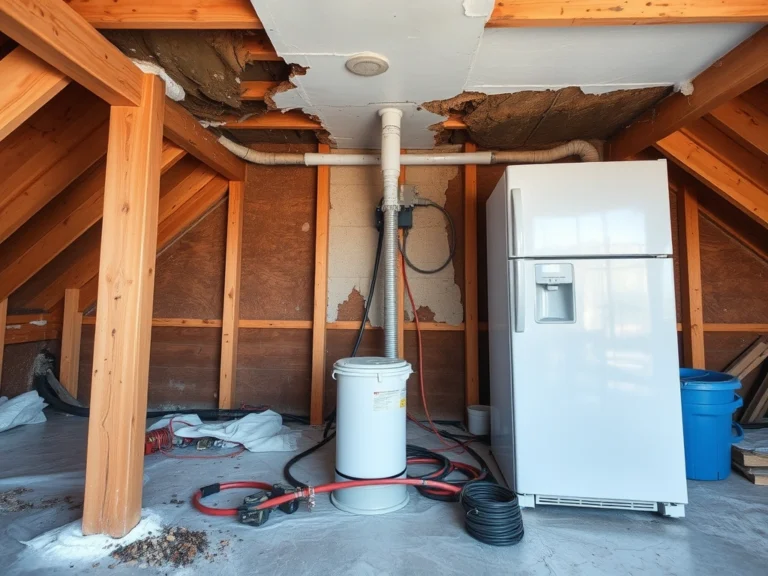
Damp or Wet Insulation in the Attic
If you can safely access your attic, check the insulation. If it feels damp, wet, or you see dark stains on it, water is getting into your attic space. This can lead to mold growth and damage to your home’s structure. Proper sealing is crucial.
Puddles or Damp Spots in the Attic
Similar to damp insulation, finding actual puddles of water or persistently damp spots in your attic is a clear sign of active water intrusion. This requires immediate attention to prevent further damage to your home’s framing and sheathing. You need to act without delay to protect your home.
Mold or Mildew Growth
If you start noticing musty odors or see visible signs of mold or mildew in your attic or on your upper floors, it’s likely due to moisture that has been accumulating. This indicates a breach in your roof that needs to be sealed quickly to stop further growth. It’s a health hazard that needs addressing.
Emergency Tarping vs. DIY: When To Call a Professional
| Situation | DIY? | Call a Pro? | Why |
|---|---|---|---|
| Minor shingle loss on a single story, easily accessible roof | Yes, if you have experience and safety gear. | No, unless you’re uncomfortable or it’s windy. | Small issues can be managed carefully, but safety is key. |
| Large sections of missing shingles or exposed underlayment | No. | Yes, immediately. | Exposed areas are vulnerable and require robust, secure coverage. |
| Hole in the roof from falling debris (tree branch, etc.) | No. | Yes, immediately. | Structural integrity is compromised; needs professional assessment and secure tarping. |
| Damage on a steep or multi-story roof | No. | Yes, immediately. | Safety risks are extremely high; requires specialized equipment and training. |
| Evidence of water actively dripping inside | No. | Yes, immediately. | You need to stop the flow fast to prevent widespread interior damage. |
| Storm damage affecting your entire roof section | No. | Yes, immediately. | This requires significant expertise and materials for effective, long-lasting temporary protection. |
For anything beyond minor shingle loss on an easily accessible roof, calling a professional is always the safer and more effective route. We have the specialized equipment and training to handle any situation. Our team ensures your roof is properly sealed, preventing costly secondary damage. You’ll get it done right.
Emergency Tarping Cost In Bedford, TX
The cost for emergency tarping in Bedford, TX can vary significantly. Factors include the size of the damaged area, the complexity of the roof, the materials needed, and how quickly we need to respond. These figures are general estimates, and a precise quote will be provided after an on-site inspection.
| Service Aspect | Typical Price Range | What Affects Cost |
|---|---|---|
| Emergency Roof Tarping (Small Area) | $500 – $1,500 | Size of damage, accessibility, and urgency of response. |
| Emergency Roof Tarping (Large Area) | $1,500 – $4,000 | Extensive damage, multiple roof sections, and need for specialized materials. |
| Securing Damaged Chimneys or Vents | $300 – $800 | Complexity of the structure and required sealing methods. |
| Temporary Patching of Holes | $700 – $2,000 | Size of the hole and the structural support needed to patch it. |
| Emergency Attic Water Extraction (if needed) | $400 – $1,200 | Amount of water present and the complexity of access. |
| Post-Tarping Inspection & Reporting | $150 – $300 | Detailed documentation for insurance purposes. |
The most accurate pricing will come from a free, no-obligation estimate from our team. We’ll assess your specific situation and provide a clear breakdown of costs before any work begins. We want you to feel informed.
Service Areas Near Bedford, TX
Arlington, Bedford, Benbrook, Burleson, Colleyville, Dallas, Denton, Euless, Fort Worth, Grapevine, Haltom City, Hurst, Irving, Keller, Lake Worth, Las Colinas, Lewisville, North Richland Hills, Richland Hills, Roanoke, Saginaw, Southlake, Trophy Club, University Park, Watauga, Westlake, White Settlement, Willow Park
Common Questions About Emergency Tarping
What should I do immediately after discovering roof damage?
Your first priority is safety. If there’s a risk of structural collapse or electrical hazards, evacuate the immediate area. Then, call us immediately. We’ll guide you through initial steps like moving valuables from under any potential leaks. Getting professional help quickly is essential for preventing further damage.
How long does emergency tarping typically take?
For most standard residential roofs, a professional emergency tarping job can take anywhere from 1 to 4 hours. This depends on the extent of the damage, the roof’s pitch, and accessibility. Our crews work efficiently to provide swift and secure protection for your home.
Will my homeowner’s insurance cover emergency tarping?
Often, yes. Emergency tarping is typically considered a necessary mitigation expense to prevent further damage, and many policies cover these costs. We can provide detailed documentation of the work performed. We recommend contacting your insurance provider directly to understand your specific policy coverage. We’ll help make the process as smooth as possible.
What kind of materials do you use for emergency tarping?
We use heavy-duty, reinforced polyethylene tarps specifically designed for temporary roof protection. These materials are chosen for their durability, UV resistance, and ability to withstand wind and rain. Our team also uses specialized fasteners and sealing techniques to ensure a watertight and secure installation that won’t damage your existing roof structure.
Can I prevent the need for emergency tarping in the future?
Regular roof maintenance is key. Schedule inspections of your roof at least twice a year and after major storms. Keep gutters clean, trim overhanging branches, and address minor repairs promptly. While you can’t prevent all damage, proactive care significantly reduces the risk of needing emergency tarping. We can often spot potential problems before they escalate.
Check Our Other Relevant Services
Serving Bedford, TX And Nearby Areas