Trusted by 150+ Homeowners
Emergency Tarping in Crowley, TX
- Over 150 5-Star Reviews
- Free Estimates and Quotes
- 100% Satisfaction Guaranteed
- Child, Family & Pet Safe Steps
- 24-Hour Emergency Service
- Fully Licensed & Insured

When the Roof Gives Way: Fast Emergency Tarping in Crowley, TX
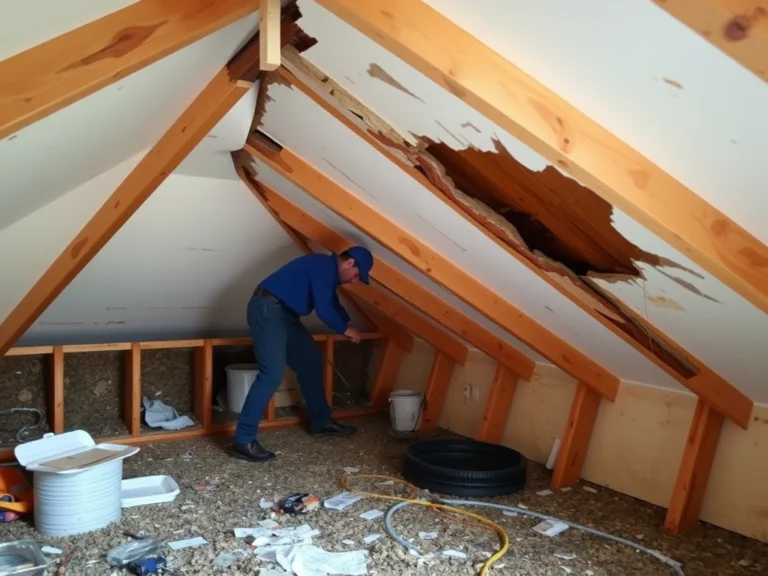
You’re standing in your living room, and a cold dread washes over you. Water is dripping, then pouring, through your ceiling. Maybe it’s a storm that ripped shingles away, or a tree branch that punched a hole straight through. You see the water spreading, you hear the steady drumming, and you can almost smell the dampness starting to set in. This isn’t just inconvenient; it’s an immediate threat to your home and your belongings. You need swift, professional action right now to stop the damage from getting worse, and that means securing your roof fast.
Locally, homeowners trust our team for this critical first step. We’ve helped over 165 families in your neighborhood protect their homes after unexpected roof damage. Our commitment to getting the job done right, the first time, means you’ll feel confident in our ability to provide reliable roof protection when you need it most. We understand the urgency and the stress you’re feeling, and we’re here to offer a clear path forward.
- We deploy specialized equipment to create a secure, waterproof barrier that shields your interior from further water intrusion, preventing secondary damage like mold growth.
- Our crews work quickly and efficiently, often arriving within hours of your call to minimize exposure time and begin the stabilization process.
- We focus on creating a temporary, yet robust, solution that buys you crucial time to arrange for permanent repairs without added worry.
How Emergency Tarping Actually Works
Getting a damaged roof secured isn’t as simple as throwing a tarp over it. A proper emergency tarping job requires understanding structural integrity, wind resistance, and water runoff. When shortcuts are taken, tarps can blow off in the next gust, or worse, trap moisture against your roof deck, leading to more extensive rot. Our team uses a systematic approach, employing specialized materials and techniques to ensure your roof is protected effectively until permanent repairs can be made. It’s about applying the right science to prevent ongoing damage.
Step 1: Initial Assessment and Safety Check
Before our team even touches your roof, we conduct a thorough visual inspection from the ground and safe vantage points. We’re looking for the extent of the damage, potential hazards like downed power lines or unstable structures, and the best approach for safe access. This initial check is crucial for planning the tarping process and ensuring the safety of our crew and your property.
Step 2: Debris Removal and Surface Preparation
Loose debris, broken shingles, or tree limbs that could compromise the tarp’s integrity or cause further damage are carefully removed. We then prepare the damaged roof surface, clearing the area where the tarp will be anchored. This step ensures a clean, stable surface for the tarp to adhere to, creating a more effective seal.
Step 3: Strategic Tarp Placement
We don’t just lay a tarp flat. Our technicians use heavy-duty, reinforced tarps and secure them using specialized methods. This often involves attaching them to structural elements like rafters or trusses using robust fasteners, ensuring they can withstand wind and weather. The placement is strategic to channel water away from the damaged area and prevent pooling.
Step 4: Creating Watertight Seals
The edges of the tarp are meticulously sealed to prevent any water from seeping underneath. We use specialized adhesives, wood strips, or battens to create a strong, watertight barrier. This attention to detail is what separates a professional tarp job from a DIY attempt, ensuring maximum protection.
Step 5: Final Inspection and Securing
Once the tarp is in place and sealed, we perform a final inspection. We check all anchor points, seals, and the overall coverage to ensure everything is secure and effective. This final step confirms that your home is protected against the elements until your roof can be permanently repaired, giving you immediate relief.
Don’t wait for the next rain to cause more damage. Call us now to get your roof secured with professional emergency tarping. We’re ready to deploy our crews and provide fast, effective protection.
Warning Signs You Need Emergency Tarping
Catching roof damage early is key to preventing a small problem from becoming a costly disaster. Ignoring warning signs can lead to widespread water damage, mold, and structural compromise. Paying attention to your home’s signals can save you significant money and stress down the line.
Visible Holes or Missing Shingles
This is the most obvious sign. If you see gaping holes, missing shingles, or damaged flashing after a storm, your roof’s protective layer is compromised. Water can easily enter, causing immediate interior damage if not addressed quickly.
Water Stains on Ceilings or Walls
Brown or yellow stains appearing on your interior ceilings or walls are a clear indicator of a leak. These stains mean water has already penetrated your roof and insulation, potentially damaging drywall and framing. This requires prompt water mitigation.
Sagging Ceiling or Soft Spots
A ceiling that appears to be sagging or feels soft to the touch is a serious warning. It suggests that water has saturated the insulation and structural materials above, weakening them significantly. This is an urgent structural concern.
Damp or Musty Odors
Even if you don’t see visible water, a persistent musty or damp smell inside your home, especially in the attic or upper rooms, can indicate hidden moisture. This is often the precursor to mold growth and requires immediate moisture detection.
Increased Energy Bills
Significant damage to your roof can compromise your attic’s ventilation and insulation. This can lead to uncontrolled air leakage, making your HVAC system work harder and resulting in higher utility costs.
Damage Around Chimneys or Skylights
These areas are common points of failure. If you notice cracking, missing sealant, or separation around your chimney or skylights, water can easily find its way in, leading to localized water intrusion.
Emergency Tarping vs. DIY: When To Call a Professional
| Situation | DIY? | Call a Pro? | Why |
|---|---|---|---|
| Minor hail damage to a few shingles on a single-story home, not actively raining. | Yes, if you have experience and the right safety gear. | No, unless you’re uncomfortable or it’s actively raining. | Small, isolated damage can sometimes be a temporary fix. |
| Large hole in the roof from a fallen tree branch, with active rain. | Absolutely Not. | Yes, immediately. | This is a major structural breach requiring immediate, professional stabilization to prevent widespread damage. |
| Missing shingles after a moderate wind event, but the underlying decking looks dry. | Maybe, if it’s a very small area and you’re confident. | Yes, for best results and to ensure proper anchoring. | Incorrectly installed tarps can blow off and cause more problems. |
| Water actively dripping through the ceiling in multiple rooms after a severe storm. | Absolutely Not. | Yes, immediately. | Extensive water intrusion requires immediate containment and assessment to prevent mold and structural rot. |
| Damage on a steep, multi-story roof. | Absolutely Not. | Yes, immediately. | Safety is paramount; steep or high roofs pose extreme risks for untrained individuals. |
| Concern about wind lifting the tarp off. | No, not if the wind is strong. | Yes, always. | Professional crews use specialized anchoring techniques to withstand high winds. |
While minor DIY repairs might seem tempting, the reality is that most emergency roof situations demand professional expertise. The risks of falling, causing further damage, or not creating a truly waterproof seal are significant. For your safety and the best protection, calling a professional team is almost always the wisest course of action.
Emergency Tarping Cost In Crowley, TX
The cost for emergency tarping in Crowley, TX can vary significantly based on the size and complexity of the roof damage, the materials needed, and the height and pitch of your roof. These are general estimates to help you plan. Our team provides transparent pricing after an on-site assessment.
| Service Aspect | Typical Price Range | What Affects Cost |
|---|---|---|
| Small Area Tarping (e.g., single hole, up to 100 sq ft) | $500 – $1,500 | Complexity of the hole, height of the roof. |
| Medium Area Tarping (e.g., significant shingle loss, up to 500 sq ft) | $1,000 – $2,500 | Extent of damage, number of anchor points required. |
| Large Area Tarping (e.g., major storm damage, over 500 sq ft) | $2,000 – $5,000+ | Square footage covered, need for multiple tarps, specialized bracing. |
| Emergency Site Visit & Assessment Fee | $150 – $400 | Time of day (after-hours fees), distance traveled. |
| Specialty Materials (e.g., heavy-duty bracing, custom seals) | Varies based on need | Structural requirements, unique roof features. |
| Temporary Gutter/Drainage Solutions | $200 – $700 | If existing gutters are damaged and need temporary rerouting. |
These figures are intended to provide a general idea of costs. A precise quote will be provided after our technicians have assessed the damage on your property. We offer free, no-obligation estimates.
Service Areas Near Crowley, TX
Fort Worth, Arlington, Burleson, Mansfield, Kennedale, Rendon, Everman, Benbrook, Saginaw, Haltom City, White Settlement, Lake Worth, Azle, Weatherford, Granbury, Cleburne, Alvarado, Joshua, Cedar Hill, Grand Prairie
Common Questions About Emergency Tarping
What if my insurance covers emergency tarping?
Many homeowner’s insurance policies do cover emergency tarping as a necessary step to mitigate further damage. You’ll typically need to pay a deductible upfront, and we can assist by providing the necessary documentation for your claim. Our team is experienced in working with insurance adjusters to ensure the work is properly assessed, making the claims process smoother for you.
How quickly can you get a tarp on my roof?
We understand that time is critical. Our crews are often dispatched within hours of your call, especially for urgent situations. We prioritize emergency calls and aim to have a technician on-site to begin the tarping process as soon as possible, typically within 2-4 hours, to provide immediate protection.
Will the tarp damage my roof further?
When performed by trained professionals, emergency tarping should not cause additional damage. We use specific techniques and materials designed to secure the tarp without harming your existing roof structure. Our goal is to provide a protective barrier that prevents more significant problems, not create new ones.
How long does an emergency tarp typically stay on?
An emergency tarp is a temporary solution, meant to protect your home until permanent repairs can be completed. It should generally remain in place for no more than 30-90 days, depending on weather conditions and the quality of the installation. We can advise you on the timeline for your specific situation and help you coordinate with your roofing contractor for long-term repairs.
Can I do the tarping myself to save money?
While it might seem like a cost-saving measure, DIY tarping is often risky and less effective. Working on a damaged roof is dangerous, and improper installation can lead to the tarp blowing off, trapping moisture, or causing further structural issues. For your safety and to ensure effective damage prevention, we strongly recommend calling our professional team.
Check Our Other Relevant Services
Serving Crowley, TX And Nearby Areas