Trusted by 150+ Homeowners
Emergency Tarping in Plano, TX
- Over 150 5-Star Reviews
- Free Estimates and Quotes
- 100% Satisfaction Guaranteed
- Child, Family & Pet Safe Steps
- 24-Hour Emergency Service
- Fully Licensed & Insured

Don’t Let a Damaged Roof Lead to a Costly Nightmare
Did you know that water damage can spread across your entire home in as little as 24 hours? For homeowners in Plano, TX, a compromised roof isn’t just an inconvenience; it’s an immediate threat to your property’s integrity. Ignoring even a small breach means you’re opening the door to mold growth and structural issues that can become exponentially more expensive to fix. We understand the urgency and the potential financial strain, so our team is ready to act fast.
Our local crews have earned the trust of over 165 five-star reviews from homeowners right here in the area. They choose us because we bring a practical, no-nonsense approach to every Emergency Tarping job. We know your property is a significant investment, and our goal is to protect it efficiently. You’ll get clear communication and a straightforward plan to secure your home.
- Immediate Protection: We deploy quickly to cover exposed areas, preventing further water intrusion and secondary damage like mold and rot.
- Insurance Documentation: Our team meticulously documents the damage, providing clear evidence needed for your insurance claim. We work directly with adjusters to streamline the process.
- Prevent Costly Secondary Damage: Fast tarping stops leaks from reaching your ceilings, walls, and belongings, saving you thousands in repairs down the line.
How Emergency Tarping Actually Works
The process for Emergency Tarping is critical. Cutting corners here can lead to inadequate protection, putting your home at greater risk. We follow a proven, detailed procedure to ensure your roof is properly secured, no matter the damage. Our goal is to provide a reliable barrier against the elements until permanent repairs can be made. We’ve seen firsthand what happens when a tarp isn’t installed correctly.
1. Rapid Damage Assessment
As soon as you call, we’ll dispatch a technician to your property. They’ll conduct a thorough visual inspection of the damaged roof area to determine the extent of the problem. This assessment guides our entire tarping strategy. We use specialized assessment tools to identify all compromised sections.
2. Secure Site Access and Safety Check
Your safety and the safety of our crew are top priorities. We’ll ensure the area is safe to access, checking for any immediate hazards like downed power lines or unstable debris. This step is crucial before any work begins. We use safety protocols to protect everyone involved.
3. Strategic Tarp Placement
Our crews use heavy-duty, weather-resistant tarps specifically designed for roofing emergencies. We’ll carefully cover the damaged sections, ensuring complete overlap and secure fastening. The goal is to create a watertight seal. We employ advanced fastening techniques to withstand wind and rain.
4. Securing the Tarp
Properly securing the tarp is just as important as placing it. We use sturdy lumber, weights, and specialized fasteners to anchor the tarp firmly. This prevents it from blowing away in high winds, which could expose your roof again. You can count on reliable anchoring methods to keep your home protected.
5. Post-Tarping Inspection and Documentation
Before leaving, our technician will perform a final inspection to confirm the tarp is secure and effectively covering the damaged area. We also take detailed photos and notes for your insurance company. This documentation is vital for your claim. We provide a clear damage report for your records.
Don’t wait for rain to find out if your tarping is adequate. Call us now to secure your home and start the insurance claim process.
Warning Signs You Need Emergency Tarping
Catching potential roof problems early can save you significant money and stress. Sometimes the signs aren’t obvious, but they’re there if you know what to look for. Acting quickly on these indicators can prevent much larger, more expensive repairs later on. Pay attention to these subtle (and not-so-subtle) clues.
Water Stains on Ceilings or Walls
These are often the first visible sign of a roof leak. Dark or discolored spots mean water has penetrated your insulation and drywall. This indicates a breach in your roof that needs immediate attention.
Musty Odors That Won’t Go Away
A persistent damp or musty smell, especially in attics or upper rooms, can signal hidden moisture. This is often due to water seeping into insulation or framing. It’s a sign of potential mold and mildew growth.
Loose or Missing Shingles
A quick look at your roof can reveal missing shingles or shingles that are curling, cracked, or loose. These are direct pathways for water to enter your home. This is a clear indicator of roof damage.
Damage Around Chimneys or Vents
The areas where chimneys, vents, or skylights meet your roof are common leak points. Look for cracked sealant, deteriorating flashing, or water stains around these fixtures. These spots are vulnerable to water intrusion.
Increased Utility Bills
A damaged or poorly insulated roof can lead to significant heat loss in the winter and heat gain in the summer. This forces your HVAC system to work harder. An unexplained rise in bills might point to compromised roof integrity.
Visible Daylight Through the Roof
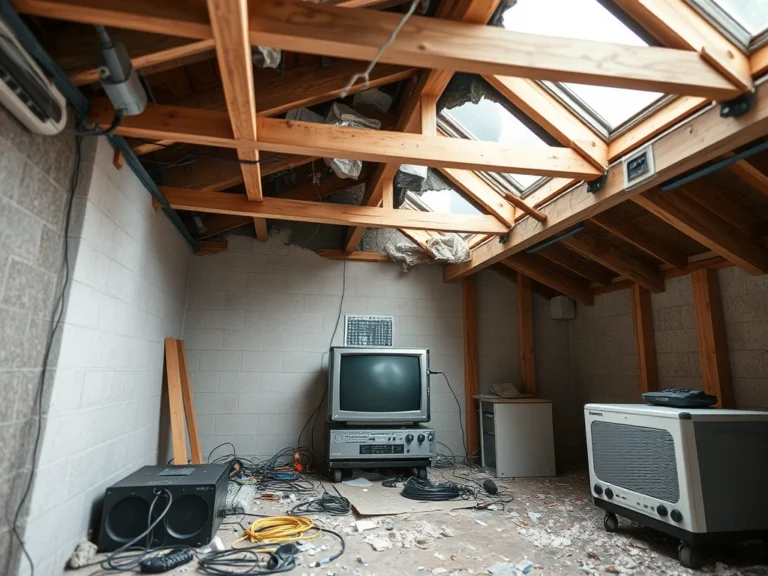
If you can see daylight coming through your roof from your attic, it’s a critical sign. This means there are holes large enough for water to enter easily. This is an urgent situation requiring immediate tarping.
Emergency Tarping vs. DIY: When To Call a Professional
| Situation | DIY? | Call a Pro? | Why |
|---|---|---|---|
| Small, easily accessible hole after a minor storm | Yes, if you have a ladder and basic safety gear. | No | You can likely cover a small, minor hole yourself safely. |
| Large section of roof missing after high winds | No | Yes | The risks of falling and further damage are too high. |
| Leaking around chimney or vent pipes | Maybe, for temporary patching if safe. | Yes | These areas are complex and prone to leaks if not sealed correctly. |
| Extensive storm damage with multiple compromised areas | No | Yes | Professional crews have the equipment and experience for large-scale coverage. |
| Need for insurance documentation | No | Yes | We provide the detailed reports insurance companies require. |
| Roof leak during heavy rain or icy conditions | No | Yes | Working on a wet or icy roof is extremely dangerous. |
When your roof has sustained significant damage, especially during severe weather, calling a professional for Emergency Tarping is essential. It ensures your home is protected correctly and safely, and it starts the proper documentation for your insurance claim.
Emergency Tarping Cost In Plano, TX
The cost for Emergency Tarping can vary significantly depending on the size of the damaged area, the complexity of the roof, and the extent of the damage. These are estimates for the Plano, TX area and can change based on specific circumstances. Our team always provides a clear, upfront estimate after assessing your property. We aim for transparent pricing.
| Service | Typical Price Range | What Affects Cost |
|---|---|---|
| Small Area Tarping (e.g., single hole) | $500 – $1,200 | Complexity of access and material needed. |
| Medium Area Tarping (e.g., multiple shingles, small section) | $1,000 – $2,500 | Size of the area and how securely it needs to be fastened. |
| Large Area Tarping (e.g., significant roof section) | $2,000 – $5,000+ | The sheer scale of the coverage and required materials. |
| Emergency Tarping with Wind Damage | $750 – $3,000+ | Wind can cause widespread damage, requiring more robust securing. |
| Tarping with Hail Damage | $600 – $2,800+ | Hail can create numerous small entry points needing careful attention. |
| Tarping High or Steeply Pitched Roofs | $800 – $3,500+ | Height and pitch increase safety risks and installation complexity. |
Exact pricing is determined after an on-site assessment by our trained technicians. We offer free estimates to give you a clear picture of the investment needed to protect your home.
Service Areas Near Plano, TX
Addison, Allen, Anna, Argyle, Bedford, Carrollton, Celina, Coppell, Corinth, Dallas, Denton, Fairview, Farmers Branch, Fort Worth, Frisco, Grapevine, Hebron, Highland Village, Hurst, Irving, Keller, Lake Dallas, Lakewood Village, Lewisville, Little Elm, Lucas, McKinney, Melissa, Murphy, North Richland Hills, Oak Point, Parker, Pilot Point, Ponder, Prosper, Richardson, Roanoke, Rockwall, Rowlett, Sachse, Sanger, Southlake, St. Paul, The Colony, University Park, Watauga, Waxahachie, Weston, Wylie.
Common Questions About Emergency Tarping
How quickly can you get to my property in Plano, TX for an emergency?
We understand that time is critical. Our team prioritizes emergency calls and aims to dispatch technicians to your location as quickly as possible, often within a few hours of your call. We work to provide prompt emergency response to secure your home.
Will my homeowner’s insurance cover the cost of emergency tarping?
In most cases, yes. Emergency tarping is considered a necessary step to prevent further damage, and insurance policies typically cover these costs as part of your claim. We’ll help you with the necessary documentation for your insurance provider.
What happens if I try to tarp my own roof and fall?
Falling from a roof can result in serious injuries, including broken bones, head trauma, or worse. It’s also possible to cause further, more extensive damage to the roof itself. For your safety and to avoid compounding the problem, it’s best to leave tarping to trained professionals who have the right safety equipment.
How long does the tarping process typically take?
For a standard residential roof, the actual tarping process usually takes between 1 to 3 hours once our crew is on-site and has assessed the damage. This timeframe can extend for larger properties or more complex roof structures. Our goal is efficient and effective protection.
Can emergency tarping prevent mold growth?
Yes, by quickly stopping water from entering your home, emergency tarping significantly reduces the conditions necessary for mold to grow. Mold thrives in damp environments, so sealing off leaks is a crucial first step. This action helps maintain healthier indoor air quality.
Check Our Other Relevant Services
Serving Plano, TX And Nearby Areas