Trusted by 150+ Homeowners
Flood Damage Cleanup in North Richland Hills, TX
- Over 150 5-Star Reviews
- Free Estimates and Quotes
- 100% Satisfaction Guaranteed
- Child, Family & Pet Safe Steps
- 24-Hour Emergency Service
- Fully Licensed & Insured

When North Texas Rains Bring Trouble: Flood Damage Cleanup You Can Trust
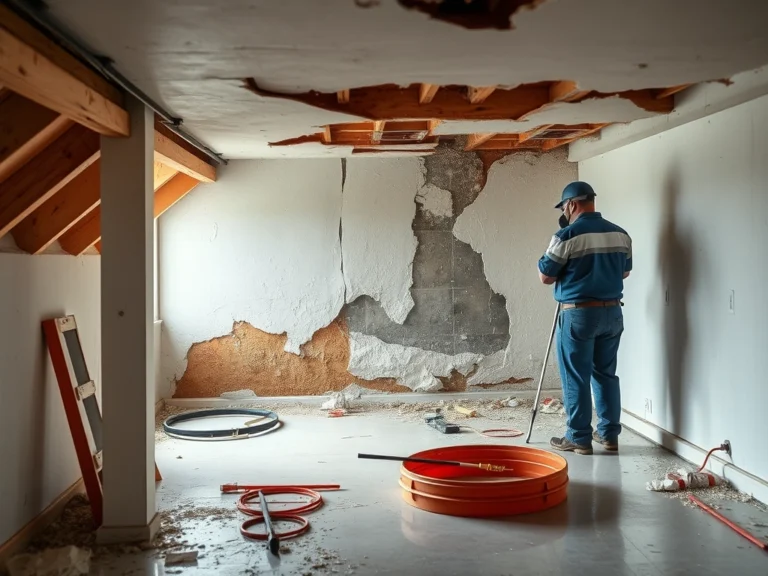
Living around North Richland Hills, TX, we know that sudden downpours can feel overwhelming. Sometimes, those intense Texas thunderstorms, especially during spring and fall, can push our drainage systems to their limit, leading to water backing up into your home. It’s not just about a little puddle; it’s about understanding how quickly water can spread and cause significant harm to your property. Dealing with flood damage requires a swift, expert response to prevent long-term issues. You need a team that knows the local conditions and can act fast to mitigate the damage and restore your home.
We’ve helped hundreds of your neighbors right here in the area tackle flood damage, and they’ve shared their experiences. With over 165 five-star reviews, homeowners consistently choose us because we focus on what matters most during a stressful time: clear communication, efficient work, and getting your home back to normal. We understand that when water invades your space, you need reliable help that doesn’t add to your worries. Our commitment is to provide that steady hand and expert flood cleanup.
- We use advanced drying technology to remove moisture completely, preventing mold and structural damage that often follows floods.
- Our team is trained to identify hidden water sources and ensure every affected area, even behind walls, is properly dried and sanitized.
- We handle the entire process, from initial water extraction to final structural drying, making it as simple as possible for you.
Our Flood Damage Cleanup Process: What to Expect
When floodwaters enter your home, the speed and thoroughness of the cleanup make a huge difference. Simply mopping up surface water isn’t enough. If not handled correctly, lingering moisture can lead to serious problems like mold growth and compromised structural integrity. That’s why we follow a detailed, IICRC-certified process to ensure your home is not only dry but also safe and healthy again. We believe in transparency, so you’ll always know what we’re doing and why.
Step 1: Immediate Water Extraction
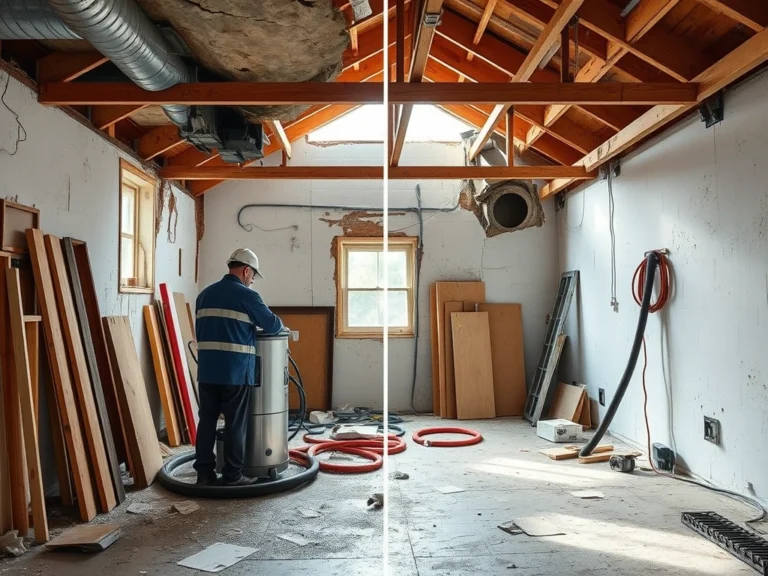
This is the first and most critical step. We arrive quickly with powerful, truck-mounted extraction units designed to remove standing water efficiently. This process can take anywhere from a few hours to a full day, depending on the volume of water. Removing standing water fast is key to minimizing damage and starting the drying process effectively. We aim to get as much water out as possible, as quickly as possible.
Step 2: Detailed Inspection and Assessment
Once the bulk of the water is gone, our technicians conduct a thorough inspection using specialized equipment like moisture meters and thermal cameras. This helps us find all the areas where water has penetrated, including hidden spots within walls, under floors, and in ceilings. Identifying the full extent of the damage is crucial for planning the next steps and ensuring no area is overlooked. This thorough assessment helps us plan the drying strategy precisely.
Step 3: Structural Drying and Dehumidification
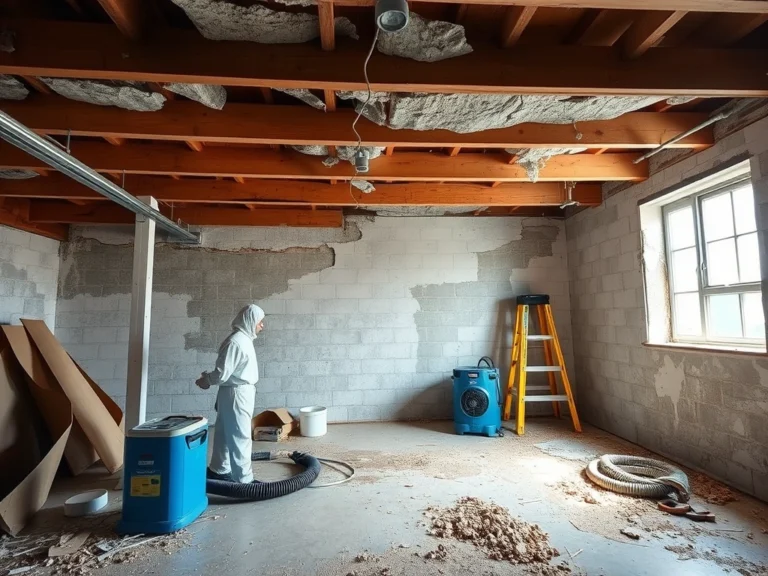
This is where the real drying happens. We strategically place industrial-grade air movers and dehumidifiers throughout your property. These powerful machines work together to circulate air and remove moisture from the building materials. This phase can take several days, sometimes up to a week or more, depending on the saturation level and building materials. Our goal is to bring the humidity levels down to normal and dry out your home completely.
Step 4: Cleaning and Sanitizing
Water damage, especially from floods, can introduce bacteria and contaminants. Once everything is dry, we thoroughly clean and sanitize all affected surfaces, including carpets, upholstery, and structural elements. This step is vital for your health and safety, ensuring that any potential contaminants are neutralized. We use EPA-registered disinfectants to make sure your home is not just dry, but also hygienically clean. This helps prevent secondary issues like mold.
Step 5: Monitoring and Verification
We don’t just set up equipment and leave. Our team continuously monitors the drying process, taking regular moisture readings to track progress. We use these readings to adjust equipment placement and ensure that drying is proceeding according to plan. We continue this until we’ve verified that all affected materials have reached acceptable, dry standards. This final verification ensures your home is truly safe and restored to pre-flood conditions.
Don’t let flood damage linger. The sooner you call for professional help, the better the outcome for your home. We’re ready to help you navigate this challenging situation.
Warning Signs You Need Flood Damage Cleanup
Catching flood damage early can save you a lot of headaches and money down the road. Sometimes the signs aren’t obvious right away, but paying attention can prevent bigger, more expensive problems. Ignoring these indicators can lead to costly repairs and potential health hazards. Keep an eye out for these common warnings.
Musty Odors That Won’t Go Away
A persistent, musty smell, especially in damp or enclosed areas, is often a sign of mold growth, which thrives in moisture. This odor can indicate that water has seeped into hidden spaces and isn’t drying properly. Don’t dismiss this smell; it’s a clear indicator of potential water intrusion.
Visible Mold or Mildew
Seeing any greenish, black, or white fuzzy patches on walls, ceilings, or floors is a direct sign of mold. This usually means there’s been a moisture problem for some time. Prompt cleanup is essential to remove mold safely and prevent it from spreading.
Warped Walls or Ceilings
If you notice drywall buckling, paint peeling, or ceilings sagging, it means the material is absorbing moisture. This indicates significant water saturation that needs immediate attention. This is a serious sign of structural water damage.
Soft or Spongy Flooring
Flooring that feels soft, spongy, or gives way when you walk on it suggests that the subfloor or underlayment is waterlogged. This can lead to rot and instability if not addressed quickly. It’s a clear sign of underlying moisture issues.
Discoloration or Stains
Water stains on walls or ceilings, often appearing as brown or yellow marks, show where water has penetrated and traveled. These stains are not just cosmetic; they indicate that the materials are holding moisture. These marks are a visual cue of water saturation.
Doors or Windows That Stick
If doors or windows become difficult to open or close, it could be a sign that the frames are swelling due to moisture absorption. This indicates that the surrounding building materials are affected by water. This can be a sign of hidden water damage.
Flood Damage Cleanup vs. DIY: When To Call a Professional
| Situation | DIY? | Call a Pro? | Why |
|---|---|---|---|
| A few inches of clean water from a burst pipe in a small area. | Yes, with caution. | Maybe. | If you have the right equipment and time, you might manage it, but professional drying is faster and more thorough. |
| Standing water from a sewage backup. | No. | Yes. | Sewage contains dangerous pathogens and requires specialized containment and sanitation. |
| Water damage after heavy rains or a storm that has soaked into walls and carpets. | No. | Yes. | This type of water is often contaminated and penetrates deep, requiring professional equipment for effective drying and mold prevention. |
| Minor dampness on a concrete floor with no visible damage. | Yes. | No. | A wet vac and fans might be sufficient for a very small, contained area. |
| Water damage that has affected multiple rooms or floors. | No. | Yes. | The scale of the problem requires industrial equipment and expertise to manage efficiently and prevent long-term issues. |
| Any situation where you suspect mold growth or have health concerns. | No. | Yes. | Mold remediation requires specific safety protocols and expertise to ensure it’s removed effectively. |
For anything beyond minor dampness from a clean source, calling a professional is usually the wisest choice. The risks of mold, structural damage, and unhealthy living conditions are too high to leave to chance. Our team is equipped to handle even the most challenging flood situations.
Flood Damage Cleanup Cost In North Richland Hills, TX
The cost of flood damage cleanup can vary quite a bit. It really depends on how much water there is, how far it spread, and what materials in your home were affected. Local conditions in North Richland Hills, TX, can also play a role, especially with external flooding. These prices are estimates and can change based on the specifics of your situation.
| Service | Typical Price Range | What Affects Cost |
|---|---|---|
| Water Extraction (per room) | $300 – $1,000 | Amount of water, room size, and accessibility. |
| Structural Drying (per day/equipment set) | $500 – $1,500 | Number of rooms, severity of saturation, and length of drying time needed. |
| Carpet & Upholstery Cleaning/Sanitizing | $200 – $700 | Area size, type of material, and level of contamination. |
| Mold Inspection & Testing | $300 – $800 | Scope of suspected mold growth and number of samples taken. |
| Deodorization & Air Filtration | $200 – $600 | Size of the affected area and type of odor. |
| Flood Damage Assessment | $200 – $500 | Complexity of the damage and need for specialized equipment. |
An on-site assessment is the best way to get an accurate quote. We offer free estimates so you know exactly what to expect before we begin.
Service Areas Near North Richland Hills, TX
Arlington, Bedford, Benbrook, Burleson, Colleyville, Dallas, Denton, Euless, Fort Worth, Grapevine, Haltom City, Haslet, Hurst, Irving, Keller, Lake Worth, Mansfield, Northlake, Richland Hills, Saginaw, Southlake, Watauga, Westlake, White Settlement, Willow Park.
Common Questions About Flood Damage Cleanup
How quickly do I need to address flood damage?
You need to act as soon as possible. Within 24-48 hours, mold can start to grow, and structural damage can worsen significantly. The faster we can begin water extraction and drying, the less damage and fewer long-term problems you’ll face. We aim to get to your property quickly to start the immediate water removal.
Will my insurance cover flood damage cleanup?
It depends on your policy and the source of the flood. Standard homeowner’s insurance typically covers water damage from internal sources like burst pipes but may not cover external flooding unless you have a separate flood insurance policy. We can help document the damage for your insurance claim and work with adjusters. We provide detailed reports to help you navigate the claims process.
How long does flood damage cleanup take?
The timeline varies greatly depending on the extent of the flooding. Water extraction might take a day, but the structural drying process can take anywhere from 3 to 10 days, sometimes longer. We use advanced equipment to speed up drying, but it must be done correctly to ensure all moisture is removed. We’ll give you a projected timeline after our initial assessment and monitor drying progress daily.
Is the water from a flood dangerous?
Yes, especially if it’s from external sources or sewage backups. Floodwaters can contain bacteria, chemicals, and other contaminants that pose health risks. Our team follows strict safety protocols, including wearing protective gear and using EPA-approved disinfectants. We ensure that all affected areas are not only dried but also thoroughly sanitized for your safety.
What can I do to prevent future flood damage?
Regularly inspect your home’s plumbing, gutters, and downspouts to ensure they are clear and functioning correctly. Consider installing a sump pump if you’re in a low-lying area. Maintain your landscaping to direct water away from your foundation. For external flooding risks, consider flood insurance. Being proactive can save you from a lot of future water headaches.
Check Our Other Relevant Services
- Condensation Problem Mitigation in North Richland Hills, TX
- Appliance Leak Cleanup in North Richland Hills, TX
Serving North Richland Hills, TX And Nearby Areas