Trusted by 150+ Homeowners
Hardwood or Wood Floor Water Damage Restoration in Frisco, TX
- Over 150 5-Star Reviews
- Free Estimates and Quotes
- 100% Satisfaction Guaranteed
- Child, Family & Pet Safe Steps
- 24-Hour Emergency Service
- Fully Licensed & Insured
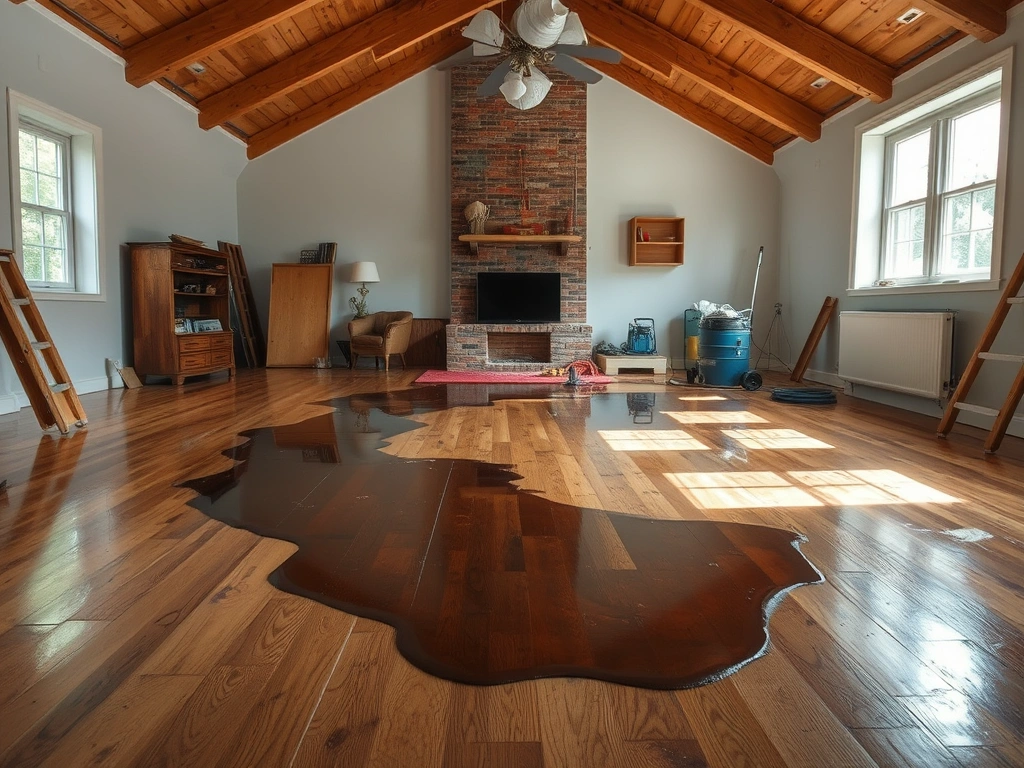
When Your Gorgeous Hardwood Floors Meet Unexpected Water in Frisco, TX
Did you know that even a small, unnoticed leak can cause hardwood floors to warp and buckle within 48 hours? It’s true. Many homeowners in Frisco, TX, don’t realize how quickly moisture can compromise their beautiful wood floors until it’s too late. Understanding the urgency is the first step in saving your investment. We focus solely on wood floor water damage, ensuring your floors get the specialized attention they deserve. This isn’t about general water cleanup; it’s about preserving the integrity and beauty of your hardwood.
We’ve helped over 165 families in your neighborhood restore their homes after water events. They choose us because we understand the unique challenges that come with water damage to wood. You’ll find our commitment to detailed work and clear communication makes a real difference when dealing with this specific type of issue. We aim to make the restoration of your hardwood floors as smooth as possible.
- We specialize in identifying the exact source and extent of moisture hidden within your wood, preventing future problems and ensuring a complete dry-out.
- Our team uses advanced drying technology specifically calibrated for wood, minimizing the risk of further warping or damage to your flooring.
- We work directly with your insurance adjuster to document the damage thoroughly, simplifying your claim process and helping you get the coverage you’re entitled to.
How We Tackle Hardwood or Wood Floor Water Damage
When water invades your hardwood floors, a rushed or improper approach can lead to permanent damage. Our process for wood floor restoration is meticulous and designed to address the specific needs of wood. We don’t just remove standing water; we manage the drying process carefully to protect your investment. Cutting corners here means you’ll likely face more significant issues down the road, like mold growth or irreversible floor damage. We’re committed to doing it right the first time.
1. Initial Water Extraction
Our first priority is removing all visible standing water immediately. We use powerful truck-mounted vacuums and specialized extractors to pull water out of your floors and subfloors. This step is critical for minimizing water intrusion. It typically takes a few hours, depending on the volume of water.
2. Moisture Assessment and Mapping
Once the bulk of the water is gone, we use advanced moisture meters and thermal imaging cameras to pinpoint exactly how far the moisture has penetrated. This helps us understand the scope of the damage and create a targeted drying plan. This assessment usually takes 2-4 hours.
3. Targeted Drying with Specialized Equipment
We strategically place industrial-grade dehumidifiers and air movers designed for wood. These machines create a controlled environment to draw moisture out of the wood and subfloor without causing rapid expansion or contraction. This phase is crucial for preventing wood damage and can take several days, sometimes up to a week, depending on the severity.
4. Monitoring and Re-evaluation
Throughout the drying process, we continuously monitor moisture levels in your floors, walls, and subfloors. We adjust equipment placement and settings as needed to ensure we achieve the required dryness. This ongoing attention is key to a successful restoration. We check levels daily.
5. Wood Floor Deodorization and Sanitization
Water damage can leave behind unpleasant odors and potential mold spores. We use professional-grade deodorizing and sanitizing treatments to neutralize these issues, ensuring your home is healthy and smells fresh. This step helps eliminate lingering smells and creates a safer environment.
Don’t let water damage ruin your beautiful wood floors. Contact us immediately to start the specialized restoration process. Early intervention means better results for your wood floor repair.
Warning Signs You Need Hardwood or Wood Floor Water Damage Restoration
Catching water damage early is key to preventing more extensive and costly repairs. Your wood floors can tell you when something is wrong. Recognizing these signs promptly can save you significant money and headaches. Ignoring them can lead to permanent damage and mold issues.
Cupping or Crowning of Floorboards
When the edges of your floorboards are higher than the center (cupping) or the center is higher than the edges (crowning), it’s a clear sign of moisture imbalance. This indicates the wood is absorbing or losing moisture unevenly. It’s a definite sign you need professional wood drying.
Visible Gaps Between Floorboards
As wood absorbs moisture, it swells. When it dries out too quickly or unevenly, it can shrink, creating visible gaps. These gaps can become entry points for dirt and debris. Addressing this early is important for floorboard integrity.
Warping or Buckling
This is one of the most serious signs. If your floorboards are no longer flat and are visibly bending or lifting away from the subfloor, significant moisture damage has occurred. This often requires more intensive restoration efforts. It means the wood structure is compromised.
Stains or Discoloration
Water can leave behind dark stains or cause discoloration on your wood floors, especially if it contains minerals or other contaminants. These marks are often a visible indicator of past or present water exposure. They signal a need for wood floor assessment.
Musty Odors That Won’t Go Away
Even if you can’t see visible water, a persistent musty smell is a strong indicator of hidden moisture. This usually means water is trapped beneath the surface or in the subfloor, creating an environment for mold or mildew growth. It’s a crucial sign for hidden water detection.
Soft or Spongy Subfloor
If you notice areas of your wood floor feel soft or spongy when you walk on them, the subfloor is likely saturated. This is a serious issue because a compromised subfloor can lead to structural problems. This requires immediate attention for subfloor drying.
Hardwood or Wood Floor Water Damage Restoration vs. DIY: When To Call a Professional
| Situation | DIY? | Call a Pro? | Why |
|---|---|---|---|
| Small spill on sealed hardwood | Yes, with quick cleanup | Maybe, if it soaked in | Sealed floors offer some protection, but prolonged contact can still be damaging. |
| Leak from plumbing under the floor | No | Yes | Identifying the source and drying the subfloor requires specialized equipment and knowledge. |
| Water pooling for more than 12 hours | No | Yes | Extended saturation leads to structural damage, warping, and potential mold growth. |
| Visible cupping or warping of boards | No | Yes | This indicates significant moisture imbalance that needs professional drying and potential board replacement. |
| Musty odors after water exposure | No | Yes | Odors suggest hidden moisture and potential mold, requiring professional assessment and remediation. |
| You’re unsure of the source or extent | No | Yes | Accurate assessment is crucial for effective restoration and preventing recurring issues. |
For anything beyond a minor, surface-level spill, calling a professional for hardwood or wood floor water damage restoration is the wisest choice. Our team has the tools and expertise to handle complex situations and ensure your floors are dried correctly. Trying to DIY extensive water damage can lead to costly mistakes and permanent floor damage.
Hardwood or Wood Floor Water Damage Restoration Cost In Frisco, TX
The cost of hardwood or wood floor water damage restoration in Frisco, TX, can vary significantly based on the extent of the water damage, the size of the affected area, and the type of wood flooring you have. These estimates provide a general idea of what you might expect for specialized wood floor services. We provide free on-site estimates to give you accurate pricing.
| Service Aspect | Typical Price Range | What Affects Cost |
|---|---|---|
| Water Extraction (per sq ft) | $0.50 – $2.00 | Volume of water, accessibility of the area. |
| Moisture Assessment & Mapping | $300 – $800 | Size of the affected area, complexity of the layout. |
| Specialized Drying Equipment Rental (per day) | $150 – $400 | Number of dehumidifiers and air movers needed, duration of drying. |
| Subfloor Drying & Restoration | $500 – $3,000+ | Severity of subfloor saturation, need for repairs or replacement. |
| Deodorization & Sanitization | $200 – $600 | Size of the space, type of treatments required. |
| Mold Remediation (if necessary) | $750 – $4,000+ | Amount of mold growth, containment needs, surface area affected. |
Accurate pricing for your specific situation requires a professional assessment. We offer free, no-obligation estimates to detail the necessary steps and associated costs. Understanding your restoration investment is important, and we’re here to help.
Service Areas Near Frisco, TX
Plano, McKinney, Allen, Dallas, Carrollton, Richardson, Addison, The Colony, Little Elm, Lewisville, Grapevine, Coppell, Irving, Garland, Rowlett, Rockwall, Mesquite, Fort Worth, Arlington, Bedford
Common Questions About Hardwood or Wood Floor Water Damage Restoration
Q: How long does it typically take to dry out hardwood floors after water damage?
The drying time for hardwood floors can vary greatly, usually taking anywhere from 3 to 14 days. It depends on how much water was involved, how quickly we could extract it, and the environmental conditions. We use specialized equipment to accelerate the process, but it’s essential to allow the wood to dry slowly and evenly to prevent further damage. You can count on our team to monitor the drying process closely.
Q: Will my insurance company cover hardwood floor water damage restoration?
In most cases, yes, if the water damage was from a sudden and accidental event like a burst pipe or appliance malfunction. Damage from slow leaks or floods might have different coverage depending on your policy. We work closely with insurance adjusters to provide detailed documentation and estimates, helping you navigate your claim for water damage coverage.
Q: What are the health risks associated with water-damaged wood floors?
The primary health risk is mold and mildew growth, which can thrive in damp environments like wet subfloors and wood. Inhaling mold spores can cause respiratory problems, allergies, and other health issues. Our restoration process includes thorough drying and sanitization to prevent mold growth and ensure a healthy home environment.
Q: Can you repair warped hardwood floors, or do they need to be replaced?
Often, we can save warped hardwood floors through specialized drying techniques. However, if the wood has been saturated for an extended period or has undergone severe expansion and contraction, replacement of affected boards might be necessary. We always aim for the most cost-effective solution that ensures the long-term integrity of your floors. Our goal is always complete floor restoration.
Q: What should I do immediately after discovering water damage on my hardwood floors?
First, try to stop the source of the water if it’s safe to do so. Then, remove any standing water you can with towels or a wet/dry vacuum. Avoid using heat or fans directly on the wet wood, as this can cause it to dry too quickly and warp. Your next step should be to call us immediately for a professional assessment and to start the urgent water extraction process.
Check Our Other Relevant Services
Serving Frisco, TX And Nearby Areas