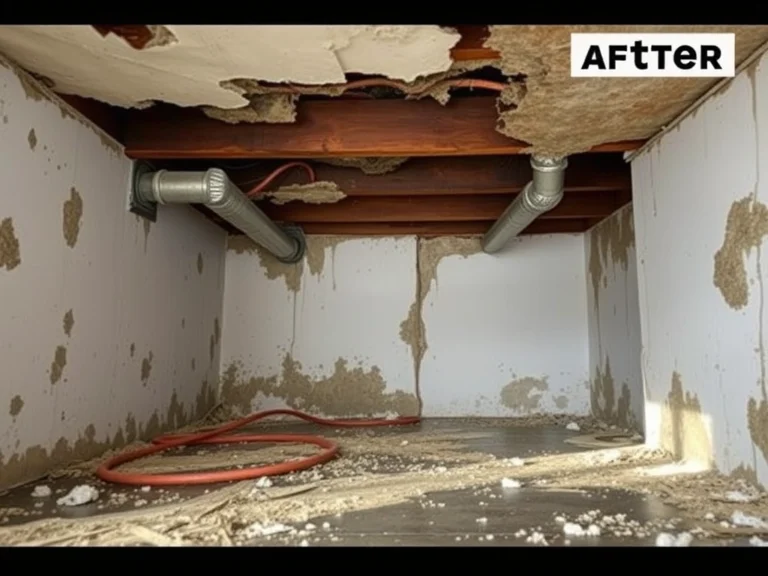
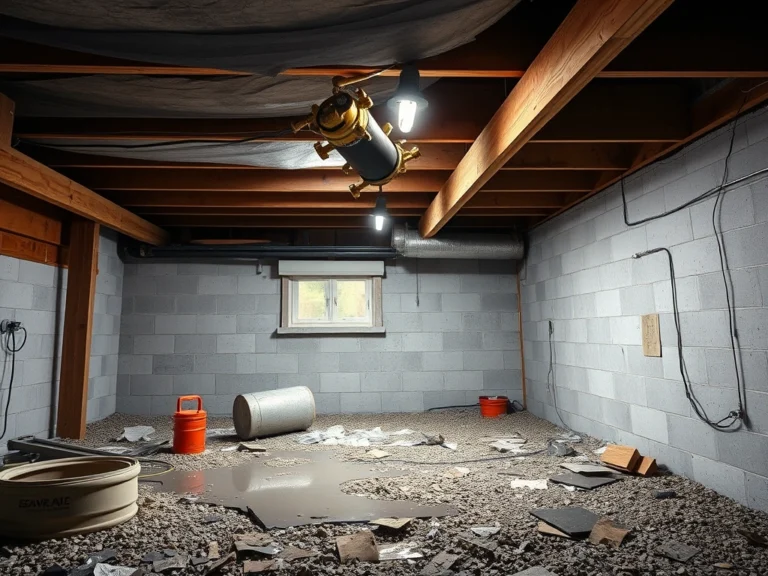
Trusted by 150+ Homeowners
Hazardous Chemical Cleanup in Hurst, TX
- Over 150 5-Star Reviews
- Free Estimates and Quotes
- 100% Satisfaction Guaranteed
- Child, Family & Pet Safe Steps
- 24-Hour Emergency Service
- Fully Licensed & Insured

When Strange Smells Point to Chemical Danger in Hurst, TX
You walk into your garage, and a sharp, acrid smell hits you. Or maybe it’s a faint, lingering odor in the laundry room that just won’t disappear. You see a discolored patch on the concrete, or perhaps a small, unknown spill. You’re not sure what it is, but it feels dangerous. Dealing with a hazardous chemical spill or contamination requires immediate, expert attention to protect your family and your property. We understand this immediate concern and are ready to help.
Over 165 five-star reviews tell the story of why local homeowners trust us when they discover potential chemical hazards. We’ve helped countless families in your neighborhood navigate these stressful situations with professional, swift action. Our commitment is to provide clear communication and effective cleanup, so you can feel safe in your home again. We aim for complete chemical removal and restoration.
- We use specialized containment procedures to prevent further spread of hazardous materials, safeguarding your living spaces.
- Our technicians employ advanced air scrubbing and filtration technology to remove airborne contaminants and lingering odors.
- We provide thorough documentation of the cleanup process, including testing and verification, for your records and peace of mind.
The Science Behind Effective Hazardous Chemical Cleanup
Hazardous chemical cleanup isn’t like a typical water damage scenario. It requires a deep understanding of chemical properties, material interactions, and strict safety protocols. Simply wiping up a spill can spread it further or create new dangers. Our approach involves meticulous assessment and containment, using science-backed methods to neutralize and remove contaminants. We’ve seen what happens when the wrong methods are used, leading to persistent health risks and costly secondary damage. Trusting a properly trained crew ensures the job is done right the first time.
Initial Site Assessment and Containment
Our first step is always a thorough assessment of the affected area. We identify the type of chemical, its extent, and potential pathways of contamination. Then, we immediately set up containment barriers using specialized materials to prevent the hazard from spreading to other parts of your property. This critical phase ensures worker safety and prevents cross-contamination.
Personal Protective Equipment (PPE) and Air Monitoring
Our crews arrive fully equipped with appropriate Personal Protective Equipment, including respirators, gloves, and suits tailored to the specific chemicals involved. We also deploy air monitoring devices to track airborne contaminant levels and ensure the environment is safe for everyone. This careful approach guarantees maximum safety standards are met.
Chemical Neutralization and Removal
Depending on the substance, we utilize specific neutralizing agents or absorbents to safely break down or capture the hazardous material. This isn’t a one-size-fits-all process; it’s tailored to the chemical’s properties. We then carefully remove all contaminated materials for proper disposal according to strict regulations. This step is crucial for effective decontamination.
Deep Cleaning and Decontamination
Once the bulk of the hazardous material is removed, we perform deep cleaning and decontamination of all affected surfaces. This includes specialized cleaning solutions and techniques to eradicate any remaining residues. We pay close attention to porous materials that may have absorbed the contaminants, ensuring thorough surface treatment.
Odor Removal and Air Filtration
Lingering odors can be a sign that microscopic contaminants remain. We use industrial-grade air scrubbers with HEPA and activated carbon filters to capture any remaining airborne particles and neutralize odors. This process restores the air quality in your home, leaving it fresh and safe. It’s about achieving truly clean air.
Don’t wait to address potential chemical hazards. Contact us immediately for a prompt assessment and cleanup. Your family’s safety is our top priority, and we’re here to help restore your home’s safety.
Warning Signs You Need Hazardous Chemical Cleanup
Recognizing the signs of hazardous chemical contamination is vital for protecting your health and property. Ignoring these signals can lead to serious long-term issues. Early detection allows for quicker, more effective remediation. We’ve seen firsthand how these subtle signs can escalate if left unchecked, leading to significant property damage and health concerns.
Unexplained, Pungent Odors
A strong, persistent smell that you can’t identify—like ammonia, bleach, solvents, or a generally acrid, chemical odor—is a major red flag. These smells often indicate a leak or spill that needs immediate attention. Don’t dismiss persistent chemical smells; they’re a clear warning.
Visible Stains or Discoloration
If you notice unusual stains, discoloration, or residue on floors, walls, or other surfaces, especially in areas where chemicals are stored or used, it’s a sign of a spill. These marks can indicate the presence of harmful substances that have seeped into materials. Look for unexpected surface changes.
Corrosion or Damage to Materials
Chemicals can eat away at materials like metal, concrete, and plastic over time. If you see signs of corrosion, pitting, or unusual degradation on surfaces, it could be due to a chemical leak or exposure. This damage is a direct sign of chemical attack.
Strange Residue or Powdery Substance
A white, powdery substance, or a sticky, oily residue, appearing unexpectedly around pipes, storage areas, or drains, could be a chemical byproduct or leak. These substances are often irritants or more dangerous chemicals. Be wary of unusual powdery deposits.
Respiratory Issues or Skin Irritation
If you or your family members are experiencing unexplained headaches, dizziness, nausea, skin rashes, or respiratory problems, especially after spending time in a specific area of your home, it could be due to airborne chemical exposure. Your health is a critical indicator of danger.
Dead or Dying Vegetation Indoors
If houseplants near a particular area suddenly start wilting, turning brown, or dying without apparent cause, it might indicate the presence of toxic fumes or soil contamination. Plants can be sensitive indicators of environmental hazards.
Hazardous Chemical Cleanup vs. DIY: When To Call a Professional
| Situation | DIY? | Call a Pro? | Why |
|---|---|---|---|
| Small, contained spill of a common household cleaner (e.g., diluted bleach) on a non-porous surface. | Yes, with caution. | No | Proper ventilation and absorbent materials are usually sufficient. |
| Unknown liquid spill with a strong, unusual odor. | No | Yes | The substance could be highly toxic or reactive, requiring specialized identification and handling. |
| Suspected leak from old, unlabeled chemical containers in a garage or shed. | No | Yes | Unknown chemicals pose significant risks, and proper disposal is mandated by law. |
| Discoloration or damage to flooring or walls potentially caused by a chemical. | No | Yes | The chemical may have penetrated porous materials, requiring advanced cleaning and testing. |
| A faint, persistent chemical smell that you cannot locate or eliminate. | No | Yes | This often indicates a slow leak or residual contamination requiring professional air quality assessment and treatment. |
| Spill involving solvents, fuels, pesticides, or industrial chemicals. | No | Yes | These substances are inherently dangerous and require specialized containment, neutralization, and disposal protocols. |
While some minor spills can be managed with caution, any situation involving unknown substances, strong odors, or visible damage warrants professional attention. Attempting to clean hazardous chemicals yourself can expose you and your loved ones to serious risks and may not fully resolve the contamination. Calling our team ensures safe and thorough remediation.
Hazardous Chemical Cleanup Cost In Hurst, TX
The cost for hazardous chemical cleanup in Hurst, TX, can vary significantly. Factors like the type and volume of chemicals, the size of the affected area, the extent of contamination, and the materials involved all play a role. These figures are estimates to give you an idea of what to expect. We provide transparent pricing based on your specific situation.
| Service Aspect | Typical Price Range | What Affects Cost |
|---|---|---|
| Initial Assessment & Containment | $500 – $1,500 | Complexity of the spill and size of the containment zone. |
| Chemical Neutralization & Removal (per area) | $750 – $3,000+ | Type and quantity of chemical, and absorbency of surfaces. |
| Deep Cleaning & Decontamination | $1,000 – $4,000+ | Severity of contamination and types of materials needing treatment. |
| Odor Removal & Air Filtration | $500 – $2,000 | Size of the affected space and intensity of residual odors. |
| Specialized Waste Disposal Fees | $300 – $1,000+ | Volume and hazard classification of contaminated materials. |
| Testing & Verification (Post-Cleanup) | $200 – $800 | Number of samples taken and type of laboratory analysis required. |
A detailed, on-site assessment is necessary for an accurate quote. We offer free, no-obligation estimates to help you understand the exact cost for your property. Our goal is to provide effective cleanup at a fair price.
Service Areas Near Hurst, TX
We proudly serve Hurst, TX, and many surrounding communities. Our service area includes Fort Worth, Dallas, Arlington, Bedford, Euless, Grapevine, Southlake, Colleyville, Keller, Roanoke, North Richland Hills, Richland Hills, Haltom City, Watauga, Saginaw, Haslet, Azle, Burleson, Crowley, Rendon, Mansfield, Kennedale, Everman, White Settlement, River Oaks, Westworth Village, Forest Hill, Benbrook, Lake Worth, Lakeside, Eagle Mountain, and many more. If you’re in the Dallas-Fort Worth metroplex, chances are we can help.
Common Questions About Hazardous Chemical Cleanup
What are the biggest health risks from hazardous chemical spills?
The health risks vary dramatically depending on the chemical involved. They can range from immediate irritation to the skin, eyes, and respiratory system, to long-term effects like organ damage, neurological issues, or even cancer. Exposure can happen through inhalation, skin contact, or ingestion. We prioritize minimizing exposure risks through our containment and cleanup protocols.
How long does hazardous chemical cleanup typically take?
The timeline depends heavily on the scale and nature of the contamination. A small spill might be addressed within a day, while a larger, more complex situation involving porous materials or widespread contamination could take several days or even weeks. We work efficiently to restore your home quickly while ensuring all safety measures are followed.
Is hazardous chemical cleanup covered by homeowners insurance?
Coverage varies by policy. Some policies may cover sudden and accidental spills, especially if they are a direct result of a covered peril. However, contamination from gradual leaks or from certain types of hazardous waste might not be covered. It’s best to check your specific policy or contact your insurance provider directly. We can provide documentation to assist with your claim.
What kind of equipment do you use for hazardous chemical cleanup?
We use a range of specialized equipment, including industrial-grade air scrubbers with HEPA and carbon filters, negative air pressure machines, containment sheeting, specialized vacuums for hazardous materials, chemical-resistant PPE, and various testing and monitoring devices. This advanced equipment ensures effective contaminant removal and air purification.
Can I prevent hazardous chemical spills in my home?
Yes, prevention is key. Always store chemicals in their original, labeled containers, away from heat and incompatible substances. Ensure good ventilation in storage areas. Clean up spills immediately and properly dispose of old or unwanted chemicals according to local guidelines. Being mindful of chemical storage safety can prevent many issues.
Check Our Other Relevant Services

Paul Kerns: Damage Restoration Expert
Paul Kerns is a licensed restoration authority with over 20 years of experience in disaster recovery and property mitigation. His extensive background makes him a leading voice in restoring residential and commercial structures to pre-loss condition with precision and care.
𝗖𝗲𝗿𝘁𝗶𝗳𝗶𝗰𝗮𝘁𝗶𝗼𝗻𝘀: Paul is highly credentialed through the IICRC, holding specialized certifications in Water Damage Restoration, Mold Remediation, Applied Structural Drying, Odor Control, and Fire and Smoke Restoration. His technical expertise ensures every project adheres to rigorous safety and environmental standards.
𝗕𝗲𝘀𝘁 𝗣𝗮𝗿𝘁 𝗼𝗳 𝘁𝗵𝗲 𝗝𝗼𝗯: Paul finds the most reward in providing a sense of calm during a crisis, helping clients navigate the complexities of recovery to reclaim their homes.
𝗙𝗮𝘃𝗼𝗿𝗶𝘁𝗲 𝗣𝗮𝘀𝘁𝗶𝗺𝗲: Outside of work, Paul enjoys restoring vintage furniture and fishing at the lake.