Trusted by 150+ Homeowners
Heating Unit Mold Cleanup in Irving, TX
- Over 150 5-Star Reviews
- Free Estimates and Quotes
- 100% Satisfaction Guaranteed
- Child, Family & Pet Safe Steps
- 24-Hour Emergency Service
- Fully Licensed & Insured

Don’t Let Mold Take Over Your HVAC System in Irving, TX
Did you know that mold can grow inside your heating and cooling unit within 24-48 hours of a moisture problem? It’s true. This hidden growth can then spread throughout your home’s ductwork, impacting your air quality and potentially causing respiratory issues. For homeowners in Irving, TX, dealing with this often means unexpected costs and a disruption to your comfort. We understand that finding mold in your HVAC is concerning, and we’re here to provide clear, practical help to get it resolved. You want your home’s air to be clean and healthy, and that starts with a clean heating unit.
Locally, homeowners have turned to our team for this specific issue more than 165 times, earning us over 165 five-star reviews. Why? Because we focus on getting the job done right, the first time. You’re not just getting a service; you’re getting a team that understands the intricacies of HVAC systems and mold remediation. We work diligently to restore your system’s integrity and your peace of mind. Your trust is important to us, and we aim to earn it with every service call.
- We use specialized equipment designed to safely remove mold from intricate HVAC components, ensuring no damage to your system.
- Our process focuses on preventing mold recurrence by identifying and addressing the original moisture source, saving you future headaches.
- We handle the documentation needed for insurance claims, making the financial side of mold cleanup much smoother for you.
How We Tackle Heating Unit Mold Cleanup
A proper Heating Unit Mold Cleanup isn’t just a quick wipe-down. It requires a methodical approach to ensure all mold is eradicated and the system is safe to operate. Cutting corners here means mold will likely return, costing you more money and time down the road. Our team follows a proven process, ensuring every affected area is treated effectively. We’re committed to providing a thorough service that addresses the root cause, not just the visible signs.
Initial Inspection and Assessment
Our process begins with a detailed inspection of your heating unit and ductwork. We use specialized tools to identify the extent of the mold growth and pinpoint the moisture source. This assessment typically takes 1-2 hours, depending on the system’s complexity. We’ll provide you with a clear understanding of the problem and our proposed solution.
Containment of the Affected Area
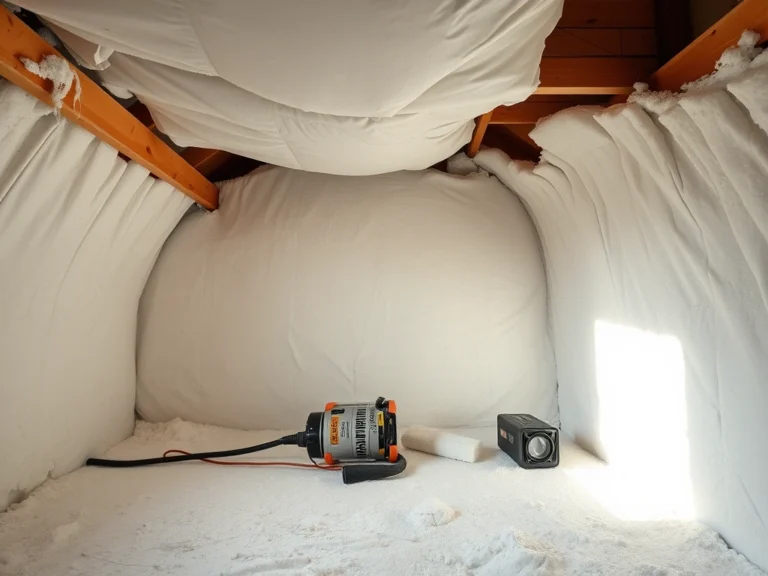
Before any cleaning begins, we establish containment barriers to prevent mold spores from spreading into other parts of your home. This is a crucial step that often takes around 1 hour to set up effectively. We use negative air pressure machines and specialized sheeting to ensure your living spaces remain protected throughout the cleanup.
Mold Removal and Cleaning
This is where our specialized equipment comes into play. We use HEPA-filtered vacuums and approved cleaning agents to safely remove mold from all accessible surfaces within the unit and ductwork. This intensive cleaning phase can take anywhere from 4-8 hours, depending on the size of the system and the severity of the mold. Our technicians are trained in safe and effective mold removal techniques.
Drying and Deodorization
After cleaning, we ensure all components are thoroughly dried using industrial-grade dehumidifiers and air movers. This prevents new mold growth. We then apply specialized deodorizers to eliminate any lingering musty smells. This drying and deodorizing process can take an additional 1-3 hours. You’ll notice a significant difference in air quality once this is complete.
Final Inspection and Air Quality Testing
Before we consider the job done, we conduct a final inspection to confirm all mold has been removed and the system is functioning correctly. We can also perform air quality testing to provide objective proof of improved indoor air. This final step usually takes 1-2 hours. We want you to be completely satisfied with the results.
Don’t let mold compromise your home’s air. Reach out to us for a professional assessment and cleanup. We’re ready to help you breathe easier.
Warning Signs You Need Heating Unit Mold Cleanup
Catching mold early in your heating unit is key to preventing more extensive damage and costly repairs. Ignoring these signs can lead to mold spreading throughout your home’s ventilation. Understanding what to look for helps you protect your family’s health and your property. Here are some common indicators that it’s time for professional attention.
Musty Odors That Won’t Go Away
A persistent musty or earthy smell, especially when your HVAC system is running, is a strong indicator of mold growth. This smell often gets worse when the heat or air conditioning is turned on. Don’t dismiss this as a minor inconvenience; it’s often a sign of a hidden problem.
Visible Mold Growth on Unit Components
If you can see black, green, or white fuzzy patches on the coils, fan blades, or inside the housing of your heating unit, that’s a clear sign of mold. This visible evidence requires immediate professional attention. It’s important to avoid touching or disturbing the mold yourself.
Increased Allergy or Asthma Symptoms
Are you or your family members experiencing more frequent sneezing, coughing, itchy eyes, or respiratory issues, especially when you’re at home? Mold spores released into the air can trigger these symptoms. This could be a direct result of mold growing within your HVAC system.
Water Leaks or Condensation Around the Unit
Any signs of water pooling around your heating unit, or excessive condensation on its exterior, point to a moisture problem. Mold thrives in damp environments, so leaks are a major red flag. Addressing the leak is the first step, followed by mold remediation.
Discolored Walls or Ceilings Near Vents
Sometimes, mold spores can travel through your ductwork and cause secondary growth on surfaces near air vents. If you notice dark or discolored spots on your walls or ceilings around vents, it suggests mold is circulating in your air. This indicates a more widespread issue.
Unusual Noises from the Unit
While less common, sometimes mold growth can affect the balance of fan blades or obstruct airflow, leading to unusual rattling or humming sounds. If your heating unit starts making strange noises, it’s worth investigating as a potential sign of internal issues, including mold.
Heating Unit Mold Cleanup vs. DIY: When To Call a Pro
| Situation | DIY? | Call a Pro? | Why |
|---|---|---|---|
| Small, isolated mold spots on accessible external surfaces of the unit | Yes, with caution | No | Easily cleaned with appropriate safety gear and cleaning solutions. |
| Musty odors when the system runs, but no visible mold | No | Yes | Mold could be deep inside the unit or ductwork, requiring specialized tools and knowledge. |
| Mold inside the blower motor or on evaporator coils | No | Yes | These are delicate components requiring expert handling to avoid damage and ensure complete removal. |
| Visible mold growth covering a significant portion of internal components | No | Yes | Extensive growth requires professional containment and cleaning to prevent spore spread. |
| History of water leaks or persistent condensation issues | No | Yes | A professional can identify and fix the underlying moisture problem, preventing recurrence. |
| Concern about indoor air quality and health effects | No | Yes | Professionals can test air quality and provide certified mold removal for your health’s sake. |
For most situations involving mold inside your heating unit, calling a professional is the safest and most effective route. DIY efforts often fall short of complete eradication and can even spread spores. Our team has the training and equipment to handle it thoroughly.
Heating Unit Mold Cleanup Cost In Irving, TX
The cost for Heating Unit Mold Cleanup in Irving, TX can vary significantly. Factors like the size of your HVAC system, the extent of the mold growth, and the complexity of the ductwork all play a role. These price ranges are estimates and a proper on-site assessment is needed for an accurate quote.
| Service | Typical Price Range | What Affects Cost |
|---|---|---|
| HVAC Mold Inspection & Assessment | $300 – $700 | System size and complexity, need for specialized testing equipment. |
| Ductwork Mold Cleaning (per linear foot) | $10 – $30 | Length and diameter of ducts, accessibility, and type of mold. |
| Heating Unit Internal Component Cleaning | $500 – $1,500 | Size of the unit, accessibility of components like coils and fans, severity of mold. |
| Moisture Source Identification & Remediation Consultation | $200 – $500 | Complexity of the issue and recommendations for repairs. |
| Air Quality Testing (Post-Remediation) | $200 – $600 | Number of samples taken and laboratory analysis fees. |
| Emergency Service Call (after hours/weekends) | +$150 – $300 | Time of day and day of the week the service is requested. |
These figures provide a general idea, but an exact cost will depend on your specific situation. We offer free estimates to give you a clear picture before any work begins.
Service Areas Near Irving, TX
Dallas, Fort Worth, Arlington, Plano, Garland, Frisco, Irving, Mesquite, Carrollton, Richardson, Grand Prairie, Denton, McKinney, Allen, Lewisville, Euless, Bedford, Hurst, Grapevine, Southlake.
Common Questions About Heating Unit Mold Cleanup
What if I just spray bleach on the mold in my heating unit?
Spraying bleach on mold inside your heating unit is generally not recommended and can even be harmful. Bleach is mostly water, and the added moisture can encourage mold growth. Furthermore, inhaling bleach fumes in an enclosed space is a significant health risk. Our team uses specialized, EPA-approved cleaning agents and techniques designed for HVAC systems, ensuring safe and effective mold removal without introducing excess moisture.
How long does a typical Heating Unit Mold Cleanup take?
The duration of a Heating Unit Mold Cleanup can vary greatly depending on the size and complexity of your HVAC system, as well as the extent of the mold growth. A basic cleaning might take 4-6 hours, while more extensive projects involving ductwork could extend to 2-3 days. We always aim to be efficient while ensuring a thorough job. We’ll provide you with a more specific timeline after our initial assessment.
Will my homeowner’s insurance cover Heating Unit Mold Cleanup in Irving, TX?
Coverage for mold damage can be complex and depends heavily on your specific homeowner’s insurance policy and the cause of the mold. Often, insurance covers mold if it’s a result of a sudden, accidental event like a burst pipe, but not if it’s due to gradual neglect or poor maintenance. We can help document the damage and work with your insurance provider to understand your coverage. It’s always best to check your policy or speak directly with your insurance agent.
Is mold in my HVAC system dangerous to my health?
Yes, mold in your HVAC system can pose significant health risks. As the system circulates air, it can spread mold spores throughout your home, potentially triggering allergic reactions, asthma attacks, and other respiratory problems. Individuals with compromised immune systems are particularly vulnerable. Identifying and removing the mold is crucial for maintaining healthy indoor air quality. We prioritize your family’s well-being throughout the cleanup process.
How can I prevent mold from growing back in my heating unit after it’s cleaned?
Prevention is key after professional mold remediation. The most critical step is to identify and fix the original moisture source that allowed the mold to grow in the first place, whether it’s a leak, high humidity, or condensation issues. Regularly changing your air filters, ensuring proper drainage for your unit, and maintaining adequate ventilation in your home can also significantly reduce the risk of mold recurrence. We can offer advice on preventative maintenance specific to your system.
Check Our Other Relevant Services
Serving Irving, TX And Nearby Areas