Trusted by 150+ Homeowners
HVAC Discharge Line Repair in Wylie, TX
- Over 150 5-Star Reviews
- Free Estimates and Quotes
- 100% Satisfaction Guaranteed
- Child, Family & Pet Safe Steps
- 24-Hour Emergency Service
- Fully Licensed & Insured

When Your HVAC Discharge Line Leaks in Wylie, TX
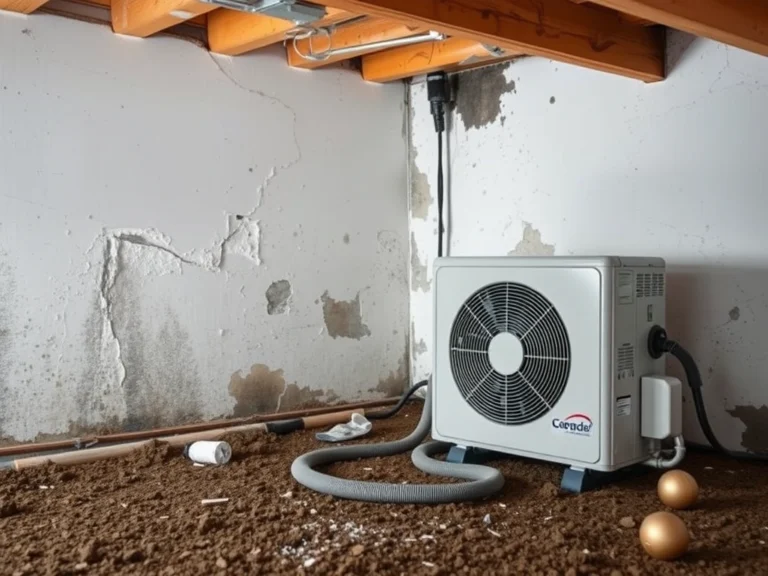
A dripping or leaking HVAC discharge line might seem minor at first, but it can quickly become a serious water damage issue. Many homeowners don’t realize how much water their AC system can produce, or how quickly that water can spread. If you notice unusual moisture around your air handler, check for any standing water or damp spots on your ceiling or walls, especially near vents. Ignoring these signs can lead to much larger, more expensive problems down the line, like mold growth and structural damage.
Locally, homeowners trust our team because we understand the urgency of HVAC discharge line issues. We’ve helped countless neighbors in your situation, and our 165+ five-star reviews reflect our commitment to swift, effective repairs. You can count on us to address your concerns promptly and professionally, getting your system back to normal and preventing further damage to your home.
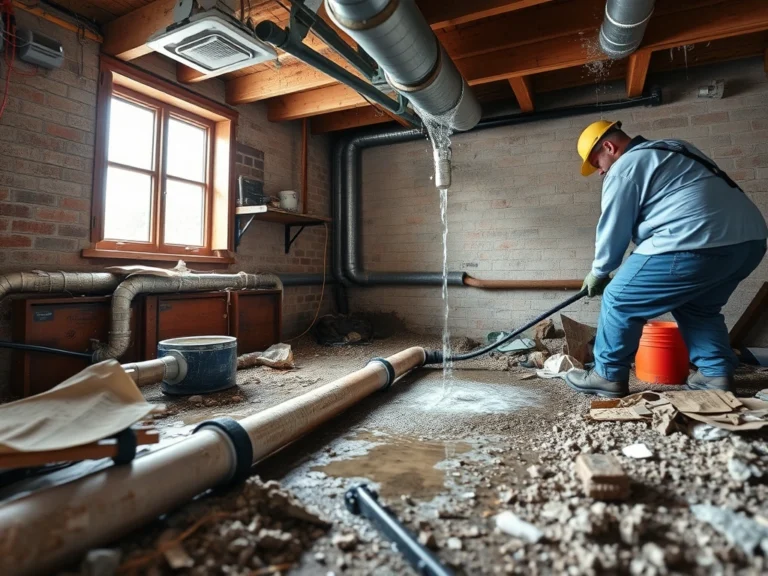
- We focus on immediate water extraction to minimize damage spread, protecting your floors, walls, and belongings from long-term harm.
- Our specialized drying equipment works quickly to restore normal humidity levels, which is crucial for preventing mold and mildew development after a leak.
- We ensure your HVAC system’s drain line is properly cleared and sealed, preventing future leaks and maintaining optimal system performance.
How We Tackle HVAC Discharge Line Problems
When you call us about an HVAC discharge line issue, you’re getting a team that knows exactly how to handle it, fast. The first few hours are critical; they determine how much damage occurs and how much it will cost to fix. A rushed or improper repair can lead to recurring problems and significant structural compromise. We follow a detailed, proven process to ensure your HVAC system is functioning correctly and your home is protected from water intrusion.
1. Emergency Assessment and Water Detection
Upon arrival, our technicians will immediately begin assessing the situation. We use advanced moisture meters and thermal imaging cameras to identify all affected areas, even those hidden from view. This initial inspection helps us understand the full scope of the problem and plan the most efficient repair strategy. We aim to complete this phase within 1-2 hours.
2. Water Extraction and Containment
Once we’ve located the water, our powerful extraction equipment gets to work. We remove standing water from floors, carpets, and any other surfaces. Containment is key here to prevent water from spreading further. This step is vital for mitigating immediate damage and can take anywhere from 2 to 8 hours, depending on the amount of water.
3. Structural Drying and Dehumidification
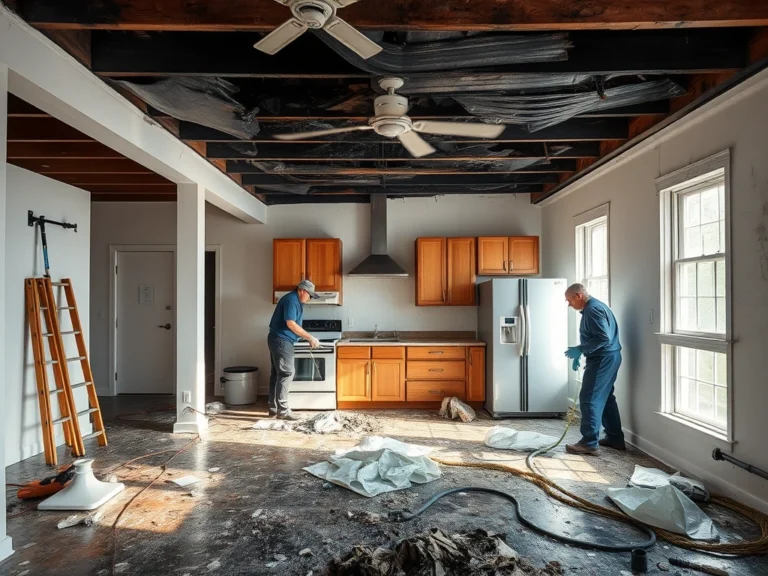
After extraction, the real work of drying begins. We strategically place industrial-grade air movers and dehumidifiers to accelerate the drying process. These machines work around the clock to pull moisture out of the air and building materials. This phase typically lasts 2-5 days, but we monitor humidity levels closely.
4. Discharge Line Repair and Sealing
While drying is underway, our team will address the faulty discharge line itself. This might involve clearing blockages, repairing cracks, or replacing damaged sections of the line. We use high-quality materials to ensure a durable and long-lasting repair, preventing future leaks. This specific repair work usually takes a few hours, depending on the complexity.
5. Mold Prevention and Odor Control
With the water gone and the line repaired, we focus on preventing secondary damage like mold. We may apply antimicrobial treatments to affected areas. If any musty odors persist, our specialized deodorization equipment will neutralize unpleasant smells, leaving your home fresh. This step can take 1-2 days.
Don’t wait for a small leak to turn into a major headache. Contact us immediately if you suspect an HVAC discharge line problem. We’re ready to help 24/7.
Signs Your HVAC Discharge Line Needs Attention
Catching an issue with your HVAC discharge line early can save you a lot of trouble and expense. Small problems, when ignored, can escalate into major water damage scenarios. Knowing what to look for is your first line of defense. Pay close attention to your home and system; these subtle clues often appear before significant damage occurs.
Musty Odors That Won’t Go Away
A persistent, musty smell, especially when your AC is running, is a common indicator of hidden moisture. This often means water is pooling somewhere it shouldn’t be, possibly due to a clogged or leaking drain line.
Visible Water or Dampness Around the Unit
If you see puddles of water, damp insulation, or dripping from your indoor air handler unit, it’s a clear sign of a problem. This is direct evidence of a discharge line failure or blockage.
Ceiling or Wall Stains
Water stains on your ceiling or walls, especially those that seem to appear or worsen when your AC is on, suggest water is backing up from the drain line and seeping into your home’s structure.
Reduced Cooling Efficiency
Sometimes, a severely blocked or leaking discharge line can affect your AC’s performance. If your system is working harder but not cooling effectively, it could be a symptom of a drainage system issue.
Increased Humidity Indoors
An AC’s primary job is to remove humidity. If you notice your home feels unusually clammy or humid, even when the AC is running, it might indicate the drain line isn’t functioning properly and moisture isn’t being expelled.
Mold or Mildew Growth
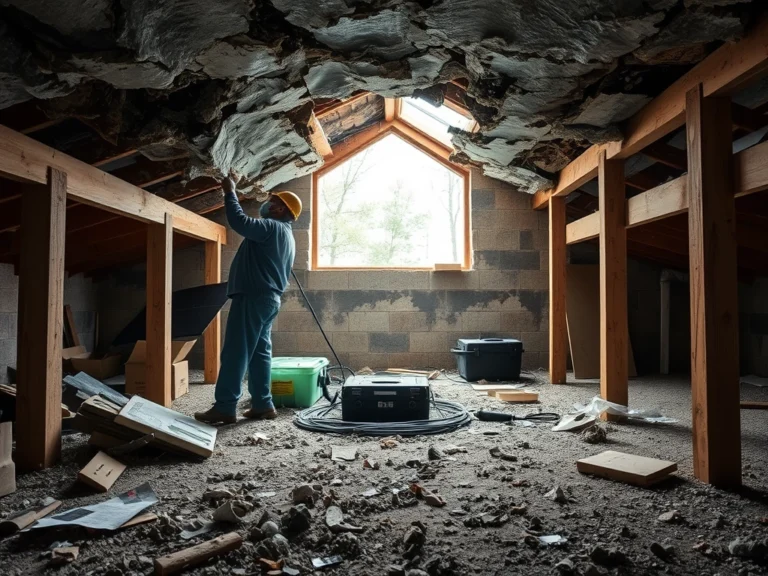
The presence of mold or mildew, often accompanied by a musty smell, is a serious sign that there’s been standing water for some time. This moisture could be originating from a compromised HVAC drain line.
HVAC Discharge Line Repair vs. DIY: When To Call a Professional
| Situation | DIY? | Call a Pro? | Why |
|---|---|---|---|
| Minor condensation drip on the outside of the line | Yes, if easily accessible and only a drip | Maybe, if it’s frequent or worsening | Could indicate a minor clog or insulation issue that might need professional attention to prevent future problems. |
| Visible water pooling around the air handler | No | Yes | This indicates a significant leak or blockage that requires immediate professional assessment and repair to prevent extensive water damage. |
| Musty odors emanating from vents | No | Yes | Odors suggest hidden moisture and potential mold growth, which requires specialized equipment and expertise to address safely and effectively. |
| Water stains on ceilings or walls | No | Yes | Stains mean water has already penetrated your home’s structure, necessitating professional drying and repair to prevent long-term damage and mold. |
| Complete blockage with no water draining at all | No | Yes | A complete blockage can cause overflow and significant water damage; professionals have the tools to clear it and assess secondary issues. |
| Suspected crack or break in the discharge line itself | No | Yes | Repairing or replacing a damaged line requires specific knowledge and materials to ensure a proper, long-lasting seal and prevent future leaks. |
While minor condensation might be manageable, any sign of actual water damage or a system-wide blockage warrants professional attention. You want to ensure the repair is done right the first time to avoid recurring issues and protect your property.
HVAC Discharge Line Repair Cost In Wylie, TX
The cost of HVAC discharge line repair in Wylie, TX can vary. Factors like the extent of the damage, the size of the affected area, and the complexity of the repair will influence the final price. These figures are estimates and a thorough on-site inspection is always needed for an accurate quote.
| Service | Typical Price Range | What Affects Cost |
|---|---|---|
| Discharge Line Cleaning/Unclogging | $200 – $600 | Severity of the clog and accessibility of the line. |
| Minor Discharge Line Repair (e.g., sealing a small crack) | $300 – $900 | Material used for repair and labor involved. |
| Discharge Line Replacement (partial) | $500 – $1,500 | Length of pipe needing replacement and type of material. |
| Water Extraction (from minor leak) | $400 – $1,200 | Amount of water and size of the affected area. |
| Structural Drying (using fans and dehumidifiers) | $500 – $2,000+ | Duration of drying time needed and square footage. |
| Mold Prevention Treatment | $200 – $700 | Size of the area treated and type of treatment used. |
We offer free estimates to give you a clear understanding of the costs involved for your specific situation. Getting a professional assessment is the best way to know exactly what you’re facing.
Service Areas Near Wylie, TX
Sachse, Murphy, Plano, Richardson, Garland, Rowlett, Rockwall, Royse City, Fate, Heath, Lucas, Allen, McKinney, Frisco, Dallas, Mesquite, Terrell, Forney, Crandall, Poetry.
Common Questions About HVAC Discharge Line Repair
What happens if my HVAC discharge line is clogged?
If your HVAC discharge line gets clogged, water can’t drain away properly. This causes water to back up into your air handler and potentially overflow into your home. This overflow can lead to water damage on floors, walls, and ceilings, and can also encourage mold growth. Our team uses specialized tools to clear these clogs and ensure proper drainage.
How much does it cost to fix a leaking AC drain line?
The cost to fix a leaking AC drain line varies depending on the problem. A simple unclogging might be a few hundred dollars, while repairing or replacing a damaged section of the line could cost more. Water damage mitigation and drying costs are separate and depend on the extent of the water intrusion. We provide detailed, upfront estimates after assessing the damage.
How long does HVAC discharge line repair typically take?
The repair itself, like clearing a clog or fixing a small leak, might only take a few hours. However, if water damage has occurred, the entire process including water extraction, drying, and potential mold treatment can take several days to a week. We work efficiently to minimize disruption and restore your home.
Is a leaking AC drain line a health hazard?
Yes, a leaking AC drain line can become a health hazard. The standing water creates an ideal environment for mold and bacteria to grow. Inhaling mold spores can trigger allergies, asthma, and other respiratory issues. Addressing the leak and properly drying the affected areas with our antimicrobial treatments is crucial for your health.
What’s the best way to prevent HVAC discharge line clogs?
Regular maintenance is key to preventing clogs. This includes having your HVAC system serviced annually and ensuring any filters are changed regularly. You can also periodically flush the line with a vinegar and water solution or use a shop vac to clear minor debris. For a thorough check and cleaning, scheduling professional maintenance is always recommended.
Check Our Other Relevant Services
Serving Wylie, TX And Nearby Areas