Trusted by 150+ Homeowners
HVAC Mold Remediation in Corinth, TX
- Over 150 5-Star Reviews
- Free Estimates and Quotes
- 100% Satisfaction Guaranteed
- Child, Family & Pet Safe Steps
- 24-Hour Emergency Service
- Fully Licensed & Insured

Breathe Easy Again: Tackling Mold in Your Corinth, TX HVAC System
You might not think about it often, but your HVAC system is a crucial part of your home’s air quality. If you’ve started noticing a persistent, unpleasant musty smell every time you turn on your air or heat, it could be a sign that mold has taken root inside your ductwork or on your AC components. Ignoring this isn’t just about an odd smell; it’s about protecting your family’s health and preventing costly system damage. Don’t let a hidden mold problem spread further.
Homeowners around here have come to trust our team when they suspect mold in their HVAC. We’ve earned over 165 five-star reviews because we focus on swift, effective mold removal specifically from your air handling systems. We understand the unique challenges mold presents in ductwork, and we’re dedicated to restoring your indoor air quality with prompt, reliable service.
- We target mold directly within your air ducts and AC unit, preventing it from circulating throughout your entire home and causing widespread contamination.
- Our specialized equipment allows us to reach deep into your HVAC system, ensuring thorough mold removal that you can’t achieve with simple cleaning.
- We focus on restoring your system’s efficiency, as mold growth can restrict airflow, making your HVAC work harder and increasing your energy bills.
The Right Way to Clear Your HVAC of Mold
When mold is discovered in your HVAC system, how it’s handled makes all the difference. A quick, superficial clean might seem tempting, but it often leaves the problem unresolved, allowing mold to return and grow even stronger. Our approach is different; we employ a detailed, systematic process designed for maximum effectiveness. We know that delays can mean more mold growth and higher repair expenses, so we prioritize getting your system treated correctly the first time.
Initial Inspection and Assessment
Our process begins with a thorough inspection of your HVAC system. We use specialized tools to identify the full extent of the mold growth, noting specific areas within the ductwork, coils, and blower fan. This initial assessment helps us create a targeted treatment plan.
Containment of the Work Area
Before any cleaning begins, we meticulously seal off the affected areas of your HVAC system to prevent mold spores from spreading into other parts of your home during the remediation process. This containment is a critical step for safety and effectiveness.
Specialized Duct Cleaning and Mold Removal
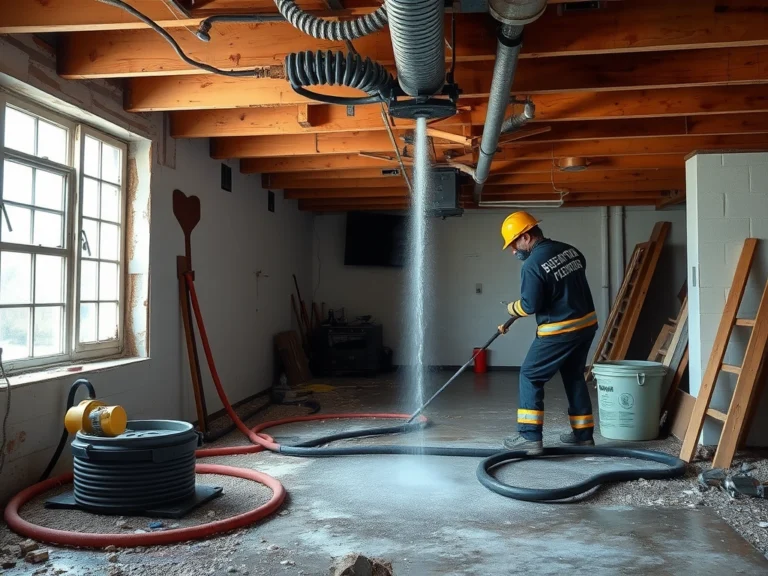
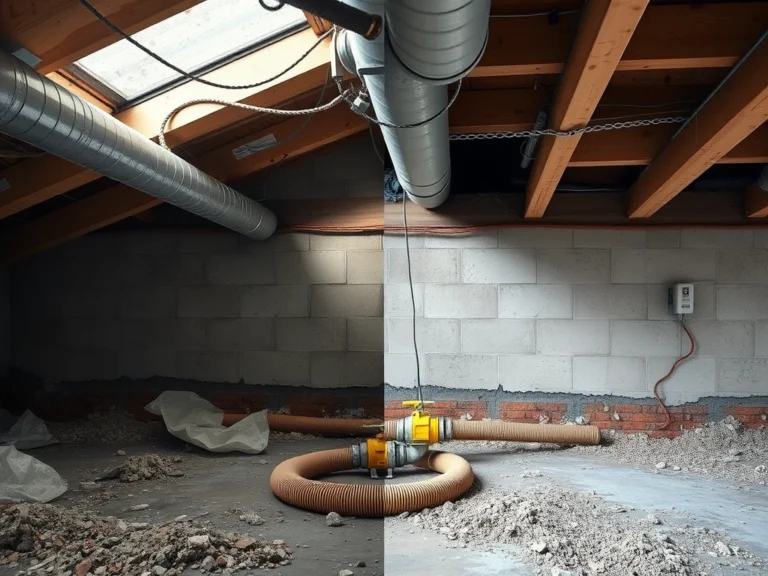
We utilize advanced vacuum systems and specialized brushes designed for HVAC ductwork to physically remove mold and debris. For stubborn mold, we employ EPA-approved antimicrobial treatments that safely and effectively eliminate the mold without damaging your system’s components.
Air Scrubber and Deodorization
Once the mold is removed, we deploy industrial-grade air scrubbers to capture any remaining airborne spores. We also use professional deodorizing treatments to neutralize any lingering musty odors, ensuring your air is fresh and clean.
Final Inspection and Air Quality Testing
Before we consider the job complete, we conduct a final inspection and, if requested, air quality testing to confirm that mold levels are back to normal. Your family’s health is our priority, and we want you to have complete confidence in your indoor air.
A healthy home starts with clean air. If you suspect mold in your HVAC, call our team immediately to schedule an inspection and get your system back to running cleanly.
Warning Signs You Need HVAC Mold Remediation
It’s easy to overlook subtle changes in your home, but some signals are your HVAC system’s way of telling you it needs attention. Catching these signs early can save you a lot of trouble and expense down the line. Don’t wait until the problem becomes severe; recognize these indicators and act promptly.
Persistent Musty Odors
The most common sign is a dank, musty smell that seems to come from your vents, especially when the system first kicks on. This odor often indicates mold growth within the ductwork or on cooling coils.
Visible Mold Growth
While often hidden in ducts, you might occasionally see mold growth on accessible components like air filters, around vents, or on the AC unit itself. Any visible mold is a red flag requiring immediate attention.
Allergy Symptoms Worsening Indoors
If you or your family members experience increased allergy symptoms like sneezing, coughing, itchy eyes, or respiratory irritation only when you’re at home, your HVAC could be circulating mold spores. This is a direct health concern.
Water Stains or Leaks Near the Unit
Unexplained water stains on or around your air handler, furnace, or ductwork suggest a moisture problem. Excess moisture is mold’s best friend, creating the ideal breeding ground.
Changes in Airflow or System Performance
Mold growth can physically obstruct airflow within your ducts. If you notice your system isn’t blowing air as strongly as it used to, it might be struggling with internal blockages.
Black or Greenish Spots on Vents
Sometimes, you might see dark spots on your interior vent covers. These can be an early visual indicator of mold that has begun to colonize the surfaces near where air enters your rooms, signaling a need for inspection.
HVAC Mold Remediation vs. DIY: When To Call a Professional
| Situation | DIY? | Call a Pro? | Why |
|---|---|---|---|
| Visible mold on an easily accessible air filter | Yes, replace the filter immediately and inspect the housing. | No, unless it’s widespread. | Filters are designed for easy replacement and catch surface-level issues. |
| Musty smell when the AC runs, but no visible mold | No. | Yes. | Mold could be deep within the ductwork or on inaccessible components, requiring specialized tools. |
| Suspected mold growth inside ductwork | No. | Yes. | Ducts are complex and require professional cleaning equipment to remove mold without spreading it. |
| Water leak from the AC unit itself | No. | Yes. | The leak needs to be fixed first, and the underlying moisture problem that encouraged mold growth must be addressed. |
| Black or green spots on vent covers | Maybe, for a superficial clean. | Yes, for thorough assessment. | While you can clean the vent cover, the source of mold inside the system needs professional remediation. |
| After a significant water intrusion event affecting the HVAC | No. | Yes. | Large-scale water damage requires professional assessment and remediation to prevent widespread mold. |
For anything beyond a simple surface issue on a removable part, professional HVAC mold remediation is almost always the safer and more effective choice. Trying to tackle mold inside your ductwork yourself can easily lead to spreading spores and making the problem worse. Our trained technicians have the right equipment to handle these complex situations.
HVAC Mold Remediation Cost In Corinth, TX
The cost of HVAC mold remediation in Corinth, TX can vary significantly. Factors like the size of your HVAC system, the extent of the mold growth, and the accessibility of the affected areas all play a role. These figures are estimates to help you plan.
| Service | Typical Price Range | What Affects Cost |
|---|---|---|
| HVAC System Inspection & Assessment | $250 – $750 | Complexity of the system and need for specialized diagnostic tools. |
| Ductwork Mold Cleaning (per system) | $500 – $2,500 | Linear feet of ductwork, severity of mold, and accessibility. |
| Antimicrobial Treatment for Ducts | $300 – $1,200 | Type of treatment used and the size of the treated area. |
| Air Scrubber Rental (per day) | $100 – $300 | Duration of air scrubbing needed to achieve clean air quality. |
| Deodorization Treatment | $200 – $700 | Size of the area and the intensity of the odor requiring neutralization. |
| Post-Remediation Air Quality Testing | $300 – $800 | Number of samples taken and lab processing fees. |
We always recommend a thorough on-site assessment to provide an accurate quote. Our team offers free estimates, so you’ll know exactly what to expect before we begin any work. Let us help you get clear, healthy air back in your home.
Service Areas Near Corinth, TX:
Denton, Lake Dallas, Shady Shores, Hickory Creek, Argyle, Copper Canyon, Lewisville, Flower Mound, Carrollton, The Colony, Frisco, Little Elm, Prosper, Celina, Anna, Pilot Point, Sanger, Krum, Justin, Ponder.
Common Questions About HVAC Mold Remediation
What if I just clean my air filter? Is that enough for mold?
Cleaning or replacing your air filter is an important part of routine HVAC maintenance, and it can help catch surface mold. However, if mold has already grown inside your ductwork, coils, or blower motor, a simple filter change won’t remove it. You’ll need professional equipment to get to the root of the problem.
How long does HVAC mold remediation typically take?
The timeline for HVAC mold remediation can vary, but most standard duct cleaning and treatment jobs can be completed within one to two days. More extensive mold growth or complex system designs might require additional time. We work efficiently to minimize disruption to your home.
Is HVAC mold dangerous to my health?
Yes, airborne mold spores from your HVAC system can pose significant health risks, especially for individuals with allergies, asthma, or compromised immune systems. Symptoms can range from respiratory irritation to severe allergic reactions. We take these risks very seriously.
What kind of equipment do you use to clean mold from air ducts?
Our technicians use specialized equipment like rotary brush systems with HEPA-filtered vacuums to physically dislodge and remove mold from duct interiors. We also employ industrial-grade air scrubbers and fogging equipment for applying effective antimicrobial treatments and ensuring complete spore removal.
Can mold in my HVAC cause permanent damage to my home or system?
Prolonged mold growth can degrade duct materials and affect the efficiency of your HVAC components, potentially leading to costlier repairs or replacements. More importantly, it can lead to mold spreading to other areas of your home if not properly addressed. Early intervention is key to preventing long-term damage.
Check Our Other Relevant Services
Serving Corinth, TX And Nearby Areas