Trusted by 150+ Homeowners
HVAC Mold Remediation in Heath, TX
- Over 150 5-Star Reviews
- Free Estimates and Quotes
- 100% Satisfaction Guaranteed
- Child, Family & Pet Safe Steps
- 24-Hour Emergency Service
- Fully Licensed & Insured

Breathe Easier: Tackling Hidden Mold in Your Home’s Air System
Did you know that up to 50% of indoor mold growth can be attributed to HVAC systems? That’s a staggering number, especially when you consider how much time you and your family spend indoors. If your heating and cooling system is circulating mold spores, it’s not just affecting your air quality; it’s potentially impacting your health. We understand that dealing with mold in your air ducts can feel overwhelming, but our team is here to bring clarity and effective solutions right here in Heath, TX.
Homeowners across the area have chosen us for their HVAC mold remediation needs, trusting our proven methods and commitment to thoroughness. With over 165 five-star reviews, our local reputation speaks for itself. We’ve helped countless families restore their indoor air quality and feel confident in their home’s environment again. You can count on our trained crews to address the problem directly.
- We isolate and neutralize mold growth directly within your ductwork, preventing airborne contaminants from spreading throughout your home.
- Our specialized equipment reaches deep into your HVAC system to remove mold and its spores, ensuring a truly clean air supply.
- We focus on restoring your system’s efficiency and your home’s air purity, addressing the root cause of the contamination.
How We Handle HVAC Mold Remediation
A proper HVAC mold remediation process is crucial. Cutting corners here means the mold often returns, costing you more time and money in the long run. Our approach is methodical and designed to eliminate the problem at its source. We work closely with your insurance company to document the damage and facilitate your claim, making the financial aspect as smooth as possible for you. You’ll know exactly what we’re doing and why.
Inspection and Assessment
Our certified technicians begin with a detailed inspection of your HVAC system. We use specialized tools to identify the extent of mold growth and pinpoint the source of moisture that allowed it to thrive. This initial assessment helps us create a targeted remediation plan. Accurate mold detection is key to effective treatment.
Containment of Contaminated Areas
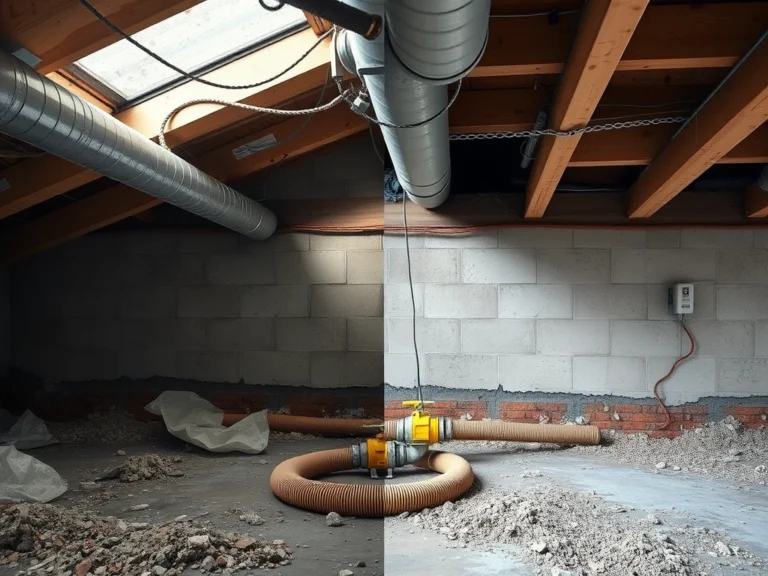
Before any cleaning begins, we establish containment barriers to prevent mold spores from spreading to other parts of your home. This protects your living spaces and ensures that the remediation process is confined to the affected areas. Preventing cross-contamination is a top priority. We use negative air pressure machines to isolate the work zone.
Duct Cleaning and Mold Removal
This is where the main work happens. We use advanced, HEPA-filtered vacuum systems and specialized cleaning tools to physically remove mold from the interior surfaces of your ductwork. For more severe cases, we may employ antimicrobial treatments designed to kill mold and prevent its regrowth. Thorough duct cleaning is essential for air quality.
Antimicrobial Treatment Application
After the visible mold is removed, we apply EPA-approved antimicrobial solutions to the ductwork. This step helps to kill any remaining mold spores and inhibit future growth. The treatments we use are safe for your home and family once cured. Safe mold killing agents are crucial for your health.
System Reassembly and Air Quality Testing
Once cleaning and treatment are complete, we carefully reassemble your HVAC system. Before we leave, we can perform air quality testing to confirm that mold spore counts have returned to normal levels. This final step gives you confidence that your system is clean and safe. Verifying clean air provides certainty.
Don’t let moldy air circulate in your home any longer. Contact us today for a thorough inspection and clear remediation plan. We’re ready to help you breathe easier.
Warning Signs You Need HVAC Mold Remediation
Catching mold in your HVAC system early can save you a lot of trouble and expense. Ignoring these signs can lead to more significant contamination and potential health issues. It’s better to be proactive than reactive when it comes to your home’s air quality.
Musty Odors That Won’t Go Away
A persistent musty or earthy smell, especially when your HVAC system is running, is a strong indicator of mold. This odor is often caused by mold spores being circulated through your home. Persistent musty smells should not be ignored.
Visible Mold Growth
While often hidden inside ducts, sometimes mold can be seen around vents, filters, or on accessible parts of the system. If you spot any fuzzy or discolored patches, it’s a clear sign of a mold problem. Visible mold growth requires immediate attention.
Worsening Allergy Symptoms
If you or your family members experience increased sneezing, coughing, itchy eyes, or respiratory irritation that seems to get worse indoors, your HVAC system could be the culprit. Mold spores are common allergens. Increased allergy symptoms can point to hidden mold.
Water Damage or Leaks Near the HVAC Unit
Mold thrives in moist environments. Any signs of water leaks, condensation buildup, or past water damage around your furnace, air conditioner, or ductwork create ideal conditions for mold. Water leaks near ducts are a red flag.
Black, Green, or White Spots on Surfaces
Mold can appear in various colors and textures. Seeing any discolored spots, particularly in areas connected to your HVAC system, warrants a closer look. Unusual spots on surfaces could be mold.
Mold Spores in the Air
Sometimes, the only sign is the presence of mold spores themselves. If you’ve recently experienced flooding or high humidity, mold could be growing unseen. Airborne mold spores pose a health risk.
HVAC Mold Remediation vs. DIY: When To Call a Professional
| Situation | DIY? | Call a Pro? | Why |
|---|---|---|---|
| Minor surface mold on an easily accessible vent cover | Yes, with proper protection and cleaning solution. | No | Easy to clean and contains the issue. |
| Suspected mold deep inside ductwork | No | Yes | Requires specialized equipment to access and clean safely. |
| Persistent musty odors when the AC/heat runs | No | Yes | Indicates mold is likely circulating and needs professional removal. |
| Visible mold growth on HVAC components (blower motor, coils) | No | Yes | These are critical parts that need careful cleaning to avoid damage. |
| After significant water damage or flooding impacting the HVAC | No | Yes | Extensive contamination requires a full assessment and professional remediation. |
| Routine HVAC filter replacement | Yes | No | This is standard maintenance, not mold remediation. |
While simple DIY tasks can address minor issues, anything involving the internal ductwork or critical HVAC components requires professional intervention. Professional mold removal ensures the problem is fully solved and prevents recurrence. Trusting the experts saves you from potential health risks and costly mistakes.
HVAC Mold Remediation Cost In Heath, TX
The cost for HVAC mold remediation in Heath, TX can vary based on the size of your system, the severity of the mold infestation, and the specific treatments needed. These price ranges are estimates and a personalized assessment is always recommended. Accurate cost estimates are provided after an on-site inspection.
| Service | Typical Price Range | What Affects Cost |
|---|---|---|
| HVAC System Inspection and Assessment | $200 – $500 | Complexity of the system and accessibility of components. |
| Ductwork Mold Cleaning (per linear foot) | $10 – $25 | Length of duct runs and degree of mold contamination. |
| Antimicrobial Treatment Application | $300 – $1,000 | Size of the HVAC system and type of treatment required. |
| Containment Setup and Negative Air Pressure | $200 – $600 | Number of zones needing containment and duration of work. |
| Air Quality Testing Post-Remediation | $150 – $400 | Number of samples taken and laboratory analysis fees. |
| Emergency HVAC Mold Remediation | +20-50% of total cost | Urgency of the situation and availability of technicians outside normal hours. |
We offer free, no-obligation estimates to give you a precise understanding of the costs for your specific situation. Get a free estimate to plan your remediation effectively.
Service Areas Near Heath, TX
Rockwall, Rowlett, Garland, Mesquite, Terrell, Forney, Royse City, Wylie, Sachse, Plano, Richardson, Dallas, Sunnyvale, Crandall, Kaufman, Ennis, Duncanville, Cedar Hill, DeSoto, Grand Prairie.
Common Questions About HVAC Mold Remediation
Is mold in my air ducts dangerous?
Yes, mold in your air ducts can be dangerous. As the HVAC system runs, it circulates mold spores throughout your home, which can trigger allergies, asthma, and other respiratory problems. Breathing clean air is vital for your health, and mold compromises that. Our team works to remove these spores effectively.
How long does HVAC mold remediation take?
The timeline for HVAC mold remediation typically ranges from one to three days, depending on the size of your system and the extent of the mold growth. We aim for efficiency without compromising thoroughness. Prompt remediation helps restore your air quality quickly. We’ll give you a more precise estimate after our initial inspection.
Will my homeowner’s insurance cover HVAC mold remediation?
Often, homeowner’s insurance can cover HVAC mold remediation, especially if the mold growth is a result of a covered event like a sudden water leak or storm damage. However, coverage varies by policy and the cause of the mold. Navigating insurance claims can be complex, but our team assists with documentation to help your claim. We’ll work with your provider.
What equipment do you use for HVAC mold removal?
We use specialized equipment, including HEPA-filtered vacuums to capture mold spores, industrial-grade air scrubbers for containment, and often fogging or misting systems for applying antimicrobial treatments. Advanced cleaning equipment ensures a deep and effective clean. Our tools are designed to reach every part of your ductwork.
Can I prevent mold from growing in my HVAC system?
Preventing mold involves controlling moisture and maintaining your HVAC system properly. This includes ensuring proper drainage, fixing leaks promptly, using high-quality air filters, and scheduling regular professional inspections and cleaning. Proactive moisture control is key to prevention. We can offer advice on upkeep.
Check Our Other Relevant Services
Serving Heath, TX And Nearby Areas