Trusted by 150+ Homeowners
HVAC Mold Remediation in Highland Park, TX
- Over 150 5-Star Reviews
- Free Estimates and Quotes
- 100% Satisfaction Guaranteed
- Child, Family & Pet Safe Steps
- 24-Hour Emergency Service
- Fully Licensed & Insured

Breathe Easier: Tackling Mold in Your Highland Park, TX HVAC System
Did you know that up to 50% of all buildings contain some level of mold? For your HVAC system, this can mean more than just a musty smell. Hidden mold growth in your ductwork can spread microscopic spores throughout your home, impacting your air quality and potentially your health. If you’re noticing unusual smells or suspect an issue within your Highland Park, TX home’s air handling, it’s time to take a closer look at your HVAC. Addressing this early is key to protecting your property.
Homeowners around here trust our team for a reason. With over 165 five-star reviews, we’ve established ourselves as the go-to experts for delicate HVAC mold remediation. We understand the unique challenges of systems in older homes and new builds alike. You can count on us for a thorough and effective process that prioritizes your family’s well-being and the integrity of your home’s infrastructure.
- We use specialized equipment to safely contain and remove mold from your ductwork, preventing cross-contamination to other areas of your house.
- Our technicians are trained to identify the source of moisture causing the mold, helping you prevent future outbreaks and costly repairs.
- We work directly with your insurance company, simplifying the claims process and ensuring you understand your coverage for HVAC mold remediation.
How We Tackle HVAC Mold in Your Home
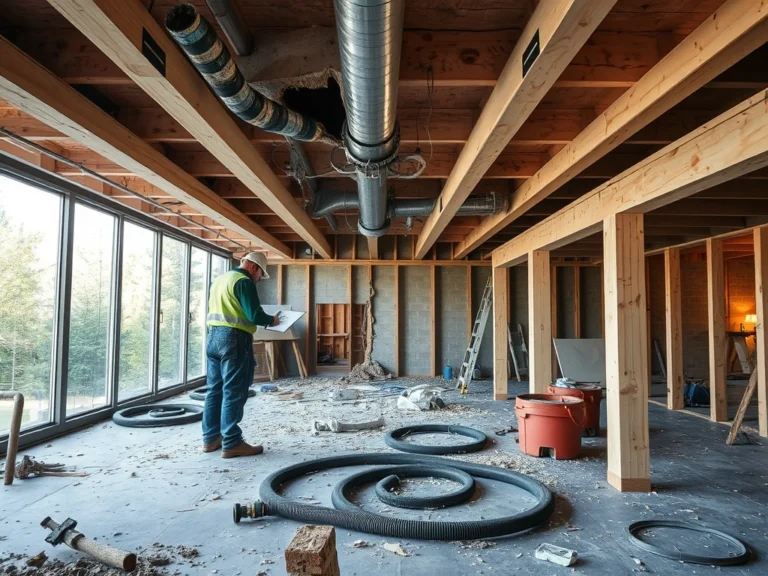
Dealing with mold in your HVAC system requires a methodical approach. Cutting corners here doesn’t just save time; it can lead to bigger problems down the road. Our process is designed for maximum effectiveness, ensuring we don’t just treat the symptom but address the root cause. We believe in transparency, so you’ll know exactly what to expect from the moment our crew arrives. Proper containment is crucial, and our trained technicians follow strict protocols to protect your living space during the remediation.
Initial Inspection and Assessment
Our certified technicians will start with a detailed inspection of your HVAC system. We’ll use specialized tools to visually inspect the ductwork and identify areas of mold growth. This step usually takes 1-2 hours, depending on the system’s complexity. Accurate damage assessment is the foundation of our work.
Containment of the Affected Area
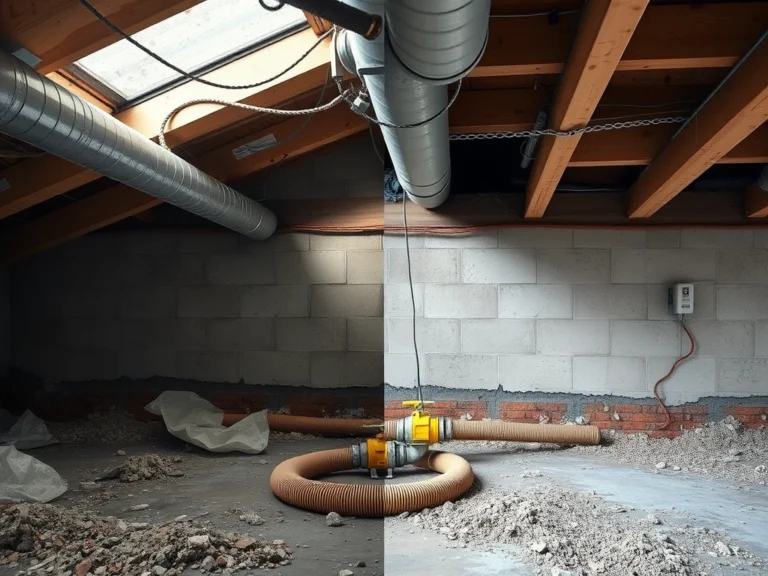
Before any cleaning begins, we’ll set up containment barriers. This prevents mold spores from spreading into other parts of your home during the remediation process. We use negative air pressure machines and sealed barriers to ensure a clean environment. This phase can take a few hours. Preventing airborne spread is our top priority.
Mold Removal and Cleaning
Using professional-grade cleaning agents and HEPA-filtered vacuums, our crews will meticulously clean all affected ductwork. We address every surface to ensure complete removal of mold and mildew. This is the most labor-intensive part, often taking a full day or more for larger systems. Thorough cleaning methods are essential for success.
Drying and Deodorization
Once the mold is removed, we ensure the ducts are completely dry. We may use specialized drying equipment. Following that, we’ll use advanced deodorizing techniques to eliminate any lingering musty odors. This step is vital for restoring healthy air quality. Eliminating residual odors ensures a fresh environment.
Final Inspection and Air Quality Testing
After cleaning and deodorizing, we conduct a final inspection and, if requested, air quality testing. This confirms that mold levels are back to normal and your system is safe to use. We want you to feel confident about the air you’re breathing. Confirming clean air provides essential reassurance.
Don’t let mold in your HVAC system compromise your home’s air. Contact us today for a thorough inspection and remediation plan. We’re ready to help you breathe easier.
Signs Your HVAC System Needs Mold Remediation
Catching mold early can save you significant money and prevent health issues. Your HVAC system is a prime spot for mold to thrive, especially in humid climates. Ignoring these signs can lead to widespread contamination and more extensive, expensive repairs. Early detection is key to minimizing damage and cost.
Persistent Musty Odors
If you notice a persistent damp, earthy, or musty smell coming from your vents, especially when the system kicks on, it’s a strong indicator of mold. This smell often gets worse over time. Investigating unusual smells is always a good idea.
Visible Mold Growth
While often hidden in ductwork, you might see mold on accessible components like air filters, inside the air handler unit, or around vent registers. It can appear as black, green, white, or orange fuzzy or slimy patches. Visible mold means a problem that needs immediate attention.
Increased Allergy or Asthma Symptoms
A sudden increase in allergy symptoms like sneezing, coughing, itchy eyes, or respiratory issues among household members could be linked to mold spores circulating through your HVAC system. This is especially true if symptoms improve when you leave the house. Health impacts are serious and shouldn’t be ignored.
Water Stains or Leaks Near Vents
Any signs of water stains, discoloration, or actual leaks around your air vents or return grilles suggest moisture issues within the ductwork, creating a perfect breeding ground for mold. Water intrusion signals danger for mold growth.
Uneven Airflow or Reduced Efficiency
Mold growth can obstruct airflow within your ducts, leading to reduced heating or cooling efficiency and uneven temperatures throughout your home. Your system might have to work harder. System inefficiency could be a symptom of blockage.
Mold on Air Filters
Regularly checking your air filters is important. If you find mold growth on them, it’s a clear sign that mold is present within the HVAC system itself. Dirty filters can harbor mold.
HVAC Mold Remediation vs. DIY: When To Call a Professional
| Situation | DIY? | Call a Pro? | Why |
|---|---|---|---|
| Small, visible mold spot on an easily accessible air filter. | Yes | No | Filters are designed to be replaced, making this a simple fix. |
| Suspected mold smell but no visible signs. | No | Yes | Mold can be hidden deep within ductwork, requiring specialized inspection and cleaning. |
| Mold growth inside the main air handler unit. | No | Yes | Access is difficult, and improper cleaning can spread spores. |
| Mold growth on the exterior of ductwork. | Maybe | Yes | It indicates a potential internal issue or condensation problem that needs expert assessment. |
| Extensive mold growth covering large sections of ductwork. | No | Yes | This requires professional containment and remediation to prevent widespread contamination. |
| Post-remediation air quality testing. | No | Yes | Only certified professionals can accurately assess air quality and confirm successful remediation. |
While changing an air filter is a simple DIY task, anything involving the internal ductwork or potential airborne spores requires professional attention. Trusting experts ensures the job is done right, protecting your health and home. For anything beyond a superficial filter issue, calling a professional is the safest and most effective route.
HVAC Mold Remediation Cost In Highland Park, TX
The cost of HVAC mold remediation in Highland Park, TX can vary significantly. Factors like the size of your HVAC system, the extent of mold growth, accessibility of ductwork, and the specific remediation methods required all play a role. These are general estimates for the area. Understanding cost factors helps you budget effectively.
| Service Aspect | Typical Price Range | What Affects Cost |
|---|---|---|
| HVAC System Inspection & Assessment | $200 – $500 | Complexity of the system and need for specialized tools. |
| Ductwork Containment Setup | $300 – $800 | Size of the home and number of HVAC zones. |
| Duct Cleaning & Mold Removal (per linear foot) | $5 – $15 | Severity of mold and material of ducts (metal vs. flex). |
| HVAC Deodorization Treatment | $200 – $600 | Type of deodorizer used and duration of treatment. |
| Post-Remediation Air Quality Testing | $300 – $700 | Number of samples taken and lab analysis fees. |
| Complete HVAC Mold Remediation Package | $1,000 – $5,000+ | Overall scope of work, from minor spot treatment to full system overhaul. |
The most accurate pricing comes from an on-site assessment. We offer free estimates to give you a clear picture of the investment needed for your specific situation. Getting a free estimate is the first step to a healthier home.
Service Areas Near Highland Park, TX
University Park, Dallas, Irving, Richardson, Garland, Plano, Carrollton, Addison, Frisco, McKinney, Allen, Mesquite, Rowlett, Rockwall, Grand Prairie, Arlington, Fort Worth, Euless, Bedford, Hurst.
Common Questions About HVAC Mold Remediation
How long does HVAC mold remediation typically take?
The timeline depends heavily on the size and complexity of your HVAC system and the extent of the mold. A minor cleaning might take a few hours, while a full system remediation could span 2-3 days. Our team works efficiently to minimize disruption. Understanding project duration is important for planning.
Will my homeowner’s insurance cover HVAC mold remediation?
Coverage varies by policy and the cause of the mold. Generally, insurance covers mold resulting from a sudden, accidental event like a burst pipe. Pre-existing mold or mold due to poor maintenance is often excluded. We’ll help you document the damage and work with your adjuster. Navigating insurance claims can be complex, and we’re here to help.
Is HVAC mold dangerous to my family’s health?
Yes, mold spores circulating through your HVAC system can trigger allergies, asthma attacks, and other respiratory issues. Some people are more sensitive than others. Removing the mold and ensuring clean air is crucial for your family’s well-being. Protecting your health is our primary concern.
What equipment do you use for HVAC mold removal?
We utilize specialized equipment including HEPA-filtered vacuums for dust and debris capture, industrial-grade air scrubbers to control airborne particles, antimicrobial solutions to kill mold, and fogging equipment for deodorization. Access tools like cameras and specialized brushes are also used for thorough cleaning inside ducts. Using the right tools ensures effective remediation.
How can I prevent mold from returning to my HVAC system?
Regular maintenance is key. This includes changing air filters regularly (every 1-3 months), ensuring proper humidity levels in your home (ideally 30-50%), and addressing any water leaks or condensation issues promptly. Scheduling professional HVAC inspections can also catch problems early. Preventative measures save money in the long run.
Check Our Other Relevant Services
- Drywall Water Damage Repair in Highland Park, TX
- Historic Home Damage Restoration in Highland Park, TX
Serving Highland Park, TX And Nearby Areas