Trusted by 150+ Homeowners
HVAC Mold Remediation in Mesquite, TX
- Over 150 5-Star Reviews
- Free Estimates and Quotes
- 100% Satisfaction Guaranteed
- Child, Family & Pet Safe Steps
- 24-Hour Emergency Service
- Fully Licensed & Insured

Breathe Easier: Tackling Hidden Mold in Your Mesquite, TX HVAC System
Did you know that up to 50% of indoor air quality problems can be traced back to your HVAC system? That’s a staggering number, and it often means mold is silently growing within your ductwork. For many homeowners in Mesquite, TX, a musty smell emanating from their vents is the first sign something’s wrong. Ignoring it means potentially circulating mold spores throughout your entire home, affecting your health and your property. Addressing HVAC mold is critical for a healthy living environment and for preventing costly structural damage down the line.
We’ve earned the trust of over 165 local homeowners who have left us five-star reviews, and we’re proud of that. They choose us for our direct approach to HVAC mold remediation. When you find mold in your air system, you need a team that understands the unique challenges of ductwork and air handlers. We focus on getting your system clean and safe again, offering clear explanations and reliable service right here in your neighborhood.
- We isolate and contain mold growth within your HVAC system to prevent airborne spread.
- Our specialized equipment reaches deep into ductwork, ensuring thorough mold removal where it hides.
- We help document the damage for insurance claims, making the process smoother for you.
How Our HVAC Mold Remediation Process Works
When mold takes hold in your air ducts, it’s not a simple surface clean. It requires a systematic approach to ensure complete removal and prevent recurrence. Cutting corners here can lead to mold returning quickly, costing you more time and money. Our process is designed to be thorough, efficient, and to minimize disruption to your home while we work on your HVAC system. We document everything for your records and for any necessary insurance claims, making sure you understand the scope of the work and the results.
Inspection and Assessment
Our technicians will start with a detailed inspection of your entire HVAC system, including the air handler, coils, and all accessible ductwork. We use specialized tools to identify the extent of the mold growth and assess its type. This initial assessment typically takes 1-2 hours, depending on the complexity of your system. You’ll receive a clear report outlining our findings and recommended remediation steps. Thorough inspection prevents guesswork and ensures we target the problem effectively. This is a critical first step.
Containment and Isolation
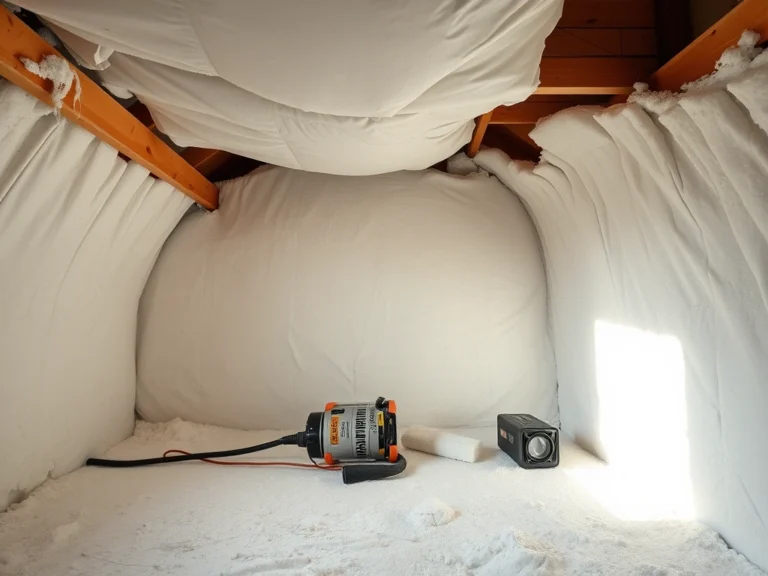
Before any cleaning begins, we meticulously seal off affected areas of your HVAC system and your home. This prevents mold spores from spreading into other rooms or contaminating clean parts of the system. We use advanced containment barriers and negative air pressure machines. This step usually takes a few hours to set up properly. Preventing cross-contamination is paramount to a successful remediation. We ensure your living space remains safe.
Mold Removal and Cleaning
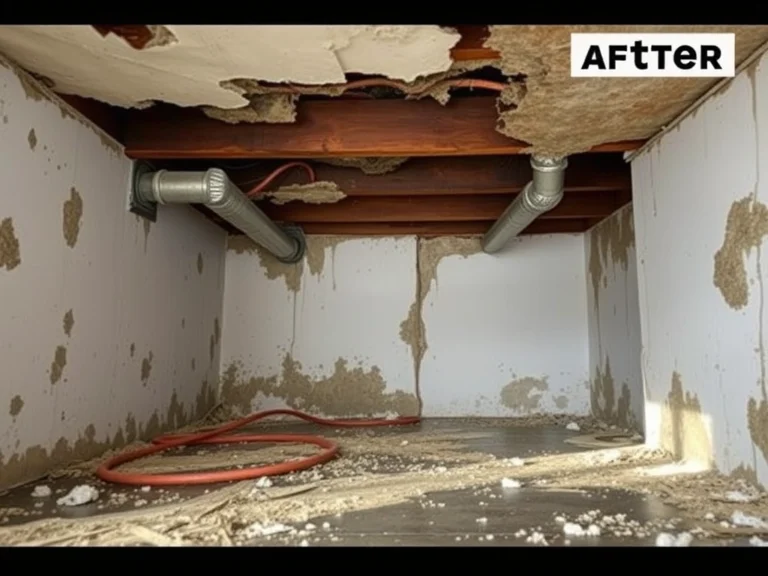
Using specialized HEPA-filtered vacuums and antimicrobial cleaning agents, our crews will carefully remove mold from all affected components of your HVAC system. This includes cleaning air ducts, the air handler, fan blades, and evaporator coils. This intensive cleaning process can take anywhere from 4 to 12 hours, depending on the size and severity of the contamination. We use industry-approved cleaning methods to ensure effective removal. Your system’s components will be meticulously cleaned.
Duct Sealing and Reassembly
Once the mold is removed and surfaces are clean, we inspect the ductwork for any damage that may have occurred. If needed, we can perform professional sealing to prevent future leaks or intrusion. After all cleaning and repairs are complete, we carefully reassemble your HVAC system. This phase typically takes 2-4 hours. Proper sealing helps maintain system efficiency. Restoring system integrity is our goal.
Final Inspection and Air Quality Testing
Before we consider the job done, we conduct a final, thorough inspection of the entire HVAC system. We also offer air quality testing to confirm that mold spore counts have returned to safe, normal levels. This ensures your home is truly free of airborne mold. This final check and testing can take 2-3 hours. We want you to feel confident in your air quality. Confirming a healthy environment is our ultimate aim.
Don’t let mold in your HVAC system continue to affect your air quality and health. Call us today for a professional assessment and remediation plan. You’ll get a clear understanding of the problem and our straightforward approach to fixing it.
Warning Signs You Need HVAC Mold Remediation
Catching mold growth in your HVAC system early can save you a lot of trouble and expense. Ignoring the signs often leads to more widespread contamination and potentially serious health issues. Being aware of these indicators helps you act fast. By addressing these issues promptly, you protect both your family’s well-being and your home’s structural integrity.
Persistent Musty Odors
If you notice a persistent damp, earthy, or musty smell coming from your vents, especially when the system is running, it’s a strong indicator of mold. This smell often gets worse over time. Don’t just mask it with air fresheners. Investigate the source of that odor. It could be mold growing deep within your ducts.
Visible Mold Growth
While mold can hide in ductwork, sometimes it’s visible around vents, air filters, or on the exterior of the air handler unit. If you see any fuzzy, discolored patches (often black, green, or white), it’s a direct sign of mold. Visible mold is a red flag. It means active growth is occurring.
Increased Allergy or Asthma Symptoms
If you or your family members are experiencing more frequent sneezing, coughing, itchy eyes, or worsening asthma symptoms, especially when you’re inside your home, your HVAC system might be circulating mold spores. Pay attention to these health-related changes. They could be directly linked to your air quality.
Water Stains or Leaks Around HVAC Components
Any signs of water damage, such as staining, discoloration, or actual leaks around your air handler, coils, or duct connections, can indicate a moisture problem. Moisture is mold’s best friend. Address water issues immediately. They often precede mold growth in these systems.
Frequent Clogged Air Filters
If you find your air filters are becoming clogged with dark, slimy, or fuzzy material much faster than usual, it could be mold. Mold spores and growth can accumulate on filters. This is a clear sign your system needs cleaning. Regular filter checks can reveal early contamination.
Strange Noises from the HVAC System
While not always a direct sign of mold, unusual noises like rattling, whistling, or gurgling from your HVAC system can sometimes indicate that mold growth is obstructing airflow or causing components to work harder. These audible clues shouldn’t be ignored. They might point to underlying issues.
HVAC Mold Remediation vs. DIY: When To Call a Professional
| Situation | DIY? | Call a Pro? | Why |
|---|---|---|---|
| Small, visible mold spot on an accessible vent cover | Yes, with proper safety precautions. | Maybe | DIY is fine for surface mold on removable parts, but professional assessment is wise if you’re unsure. |
| Musty smell when AC runs, but no visible mold | No | Yes | Mold could be deep inside ductwork or the air handler, requiring specialized tools and containment. |
| Mold growth inside the air handler unit or on coils | No | Yes | These are complex components that need professional cleaning and containment to avoid damage and spore spread. |
| Suspected mold after a water leak or flood affecting HVAC | No | Yes | This often involves extensive contamination and requires professional assessment and remediation protocols. |
| Recurring mold issues despite cleaning efforts | No | Yes | Persistent mold indicates an underlying moisture problem or inadequate cleaning that professionals can diagnose and fix. |
| Concern about health effects of mold exposure | No | Yes | Professionals have the expertise and equipment to safely remove mold and test air quality for your family’s safety. |
For anything beyond a tiny, easily accessible surface spot, calling a professional is usually the safest and most effective route. Our team has the specialized equipment and training to handle mold growth within the complex network of your HVAC system. We ensure the mold is completely removed and your air is safe to breathe again.
HVAC Mold Remediation Cost In Mesquite, TX
The cost of HVAC mold remediation in Mesquite, TX, can vary significantly. Factors like the size of your HVAC system, the extent of the mold growth, accessibility of ductwork, and the specific type of remediation needed all play a role. These price ranges are estimates to help you budget. Accurate pricing requires an on-site inspection. We are transparent about costs upfront.
| Service | Typical Price Range | What Affects Cost |
|---|---|---|
| HVAC System Inspection and Mold Assessment | $300 – $700 | Complexity of system, need for advanced testing equipment. |
| Ductwork Mold Cleaning (per linear foot) | $10 – $30 | Length and diameter of ducts, level of contamination. |
| Air Handler Unit Cleaning and Decontamination | $500 – $1,500 | Size of unit, accessibility, severity of mold on components like coils. |
| Containment Setup and Negative Air Pressure | $400 – $1,000 | Size of area to be contained, duration of work. |
| Antimicrobial Treatment Application | $300 – $800 | Area treated, type of product used. |
| Post-Remediation Air Quality Testing | $200 – $500 | Number of samples taken, laboratory analysis fees. |
Understanding these costs helps you prepare. We offer free, no-obligation estimates after a thorough on-site assessment. This allows us to provide a precise quote tailored to your specific situation. Getting a detailed estimate is the best way to understand your investment. We’re here to make the process clear and affordable.
Service Areas Near Mesquite, TX
Balch Springs, Seagoville, Sunnyvale, Garland, Dallas, Rowlett, Rockwall, Forney, Richardson, Wylie, Addison, Sachse, Plano, Grand Prairie, Irving, Allen, Carrollton, Frisco, Coppell, Duncanville.
Common Questions About HVAC Mold Remediation
How long does HVAC mold remediation take?
The timeline for HVAC mold remediation can vary greatly depending on the severity of the contamination and the size of your system. A basic cleaning might take a full day, from 6 to 12 hours. More extensive mold growth or larger systems could require 2 to 3 days. We’ll provide a more accurate estimate after our initial inspection. Efficient remediation minimizes downtime. We work diligently to restore your system.
Will my insurance cover HVAC mold remediation costs?
In many cases, yes, especially if the mold growth is a direct result of a covered peril like a sudden water leak or storm damage. However, mold caused by long-term neglect or general humidity might not be covered. We work closely with insurance companies to help document the damage and process your claim. Insurance documentation is key. We’ll assist you through that process.
Is mold in my HVAC system dangerous to my health?
Yes, mold in your HVAC system can pose significant health risks. Mold spores can trigger allergic reactions, asthma attacks, and other respiratory problems. Some molds can even produce mycotoxins, which are harmful. It’s crucial to address mold promptly to protect your family’s health. Prioritizing your health is why we take this service seriously. We aim for a truly clean environment.
What kind of equipment do you use for HVAC mold removal?
We utilize professional-grade equipment designed specifically for mold remediation within HVAC systems. This includes HEPA-filtered vacuums to capture microscopic spores, specialized duct cleaning tools that can reach deep into the airways, antimicrobial solutions, and containment systems to prevent cross-contamination. Our tools are chosen for maximum effectiveness and safety. We invest in the right technology for the job.
How can I prevent mold from growing in my HVAC system again?
Preventing mold involves controlling moisture levels in your home, ensuring proper ventilation, and regular HVAC maintenance. This includes changing air filters regularly, addressing any leaks or condensation issues promptly, and considering a dehumidifier if your home is consistently humid. We can also advise on preventative treatments. Ongoing maintenance is vital for long-term air quality. We’re happy to share tips.
Check Our Other Relevant Services
Serving Mesquite, TX And Nearby Areas