Trusted by 150+ Homeowners
Mold Inspection & Testing in Crowley, TX
- Over 150 5-Star Reviews
- Free Estimates and Quotes
- 100% Satisfaction Guaranteed
- Child, Family & Pet Safe Steps
- 24-Hour Emergency Service
- Fully Licensed & Insured
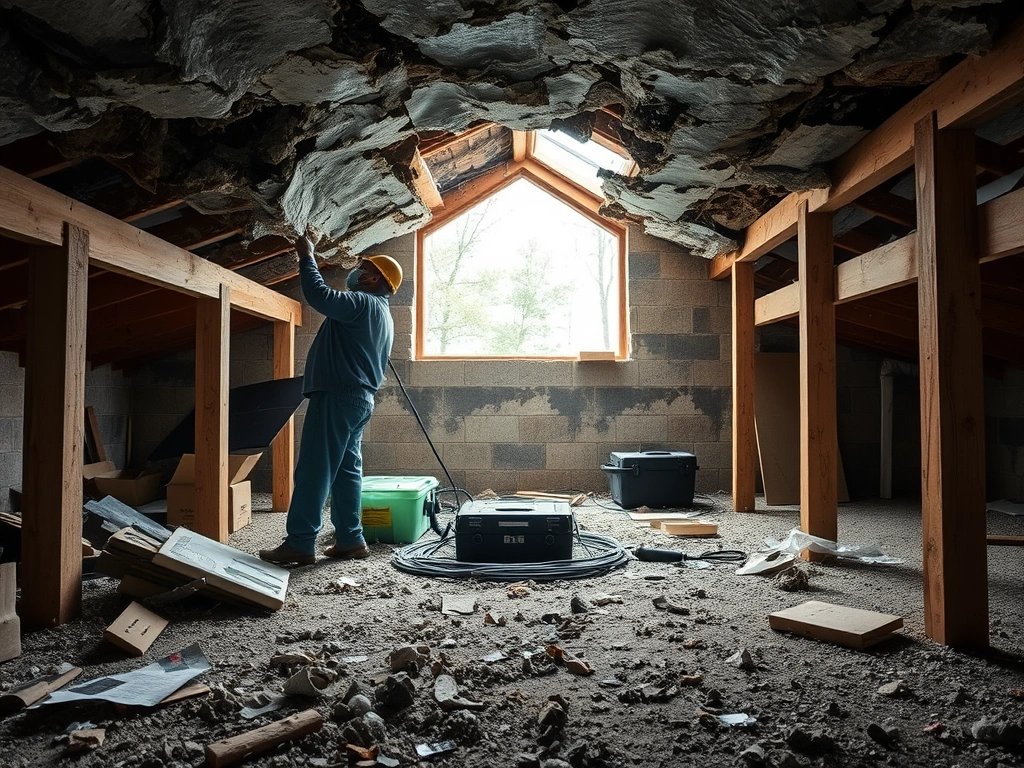
Don’t Let Mold Take Hold: Expert Mold Inspection & Testing in Crowley, TX
You’re walking through your home, maybe in the bathroom after a shower or in the basement after a damp spell, and you catch it. A faint, yet unmistakable, musty smell fills the air. Then you see it: a small patch of discoloration on the wall, or maybe fuzzy growth near a pipe. It’s a sinking feeling, knowing that mold can cause real damage and impact your family’s health. You need to know exactly what you’re dealing with, and fast.
Homeowners around here trust our team for reliable mold inspection and testing because we take every job seriously. We understand the unique challenges of properties in our area and are committed to providing accurate, detailed assessments. You’ll find that our 165+ five-star reviews reflect our dedication to helping you identify and understand mold issues so you can get them resolved quickly.
- We use specialized equipment to detect hidden mold, even behind walls or under flooring, giving you a true picture of the problem.
- Our detailed reports explain the types of mold found, their potential health impacts, and the extent of the contamination, so you’re fully informed.
- We focus solely on inspection and testing, ensuring you get an unbiased, scientific evaluation before any remediation work begins.
How Mold Inspection & Testing Actually Works
A proper mold inspection and testing process is more than just a quick look around. It’s a scientific approach that requires the right tools and knowledge to get to the root of the problem. Cutting corners here means you might miss hidden mold, leading to recurring issues and potential health risks down the line. Our team employs rigorous protocols to ensure your property is thoroughly evaluated.
Initial Property Assessment
We begin with a thorough visual inspection of your property, looking for visible signs of mold growth and any water damage that might be contributing to the problem. We’ll note any areas of concern, such as water stains or peeling paint, and discuss your observations with you. This initial walk-through helps us form a clear understanding of potential issues.
Moisture Meter Readings
Using advanced moisture meters, we take readings of building materials in suspected areas. This helps us identify abnormal moisture levels that could indicate hidden water leaks or dampness where mold might be growing unseen. These readings are crucial for pinpointing the source and extent of moisture problems.
Air Sampling
Air sampling is a key part of our testing process. We collect air samples from different areas of your home and send them to an independent laboratory for analysis. This tells us if mold spores in the air are elevated and identifies the specific types of mold present, helping us understand potential health implications.
Surface Sampling
If visible mold is present, we may take surface samples. These samples, often collected using swabs or tape lifts, are also sent to the lab. They help confirm the presence of mold and identify the species, providing definitive identification that visual inspection alone cannot offer.
Detailed Reporting
After all testing is complete, we compile a comprehensive report. This document outlines our findings, including moisture levels, lab results for air and surface samples, and our professional assessment. You’ll receive a clear, easy-to-understand explanation of the mold situation, allowing you to make informed decisions about next steps.
Don’t guess about mold in your home. Get the facts you need by calling us today for a precise mold inspection and testing service. We’re ready to help you understand the situation and determine the best course of action.
Warning Signs You Need Mold Inspection & Testing
Catching mold early is essential for protecting your home and your family’s well-being. Ignoring early warning signs can lead to more extensive damage and higher remediation costs later. Pay attention to these common indicators that suggest it’s time to call in the professionals for a thorough inspection.
Persistent Musty Odors
If you notice a persistent, damp, earthy, or musty smell that doesn’t go away, even after airing out your home, it’s a strong indicator of mold. This odor often comes from mold growing in hidden areas, like inside walls or under carpets, and is a clear sign of contamination.
Visible Mold Growth
Any visible mold growth, whether it appears fuzzy, slimy, or powdery, and comes in colors like green, black, white, or orange, should be taken seriously. Even a small patch can mean a larger problem is developing unseen. This is the most obvious indicator of mold.
Water Damage or Leaks
Areas that have experienced water damage, such as from leaks, floods, or high humidity, are prime breeding grounds for mold. If you have unresolved water intrusion or persistent dampness in bathrooms, kitchens, or basements, mold is likely to follow. Addressing moisture is key.
Warped Walls or Ceiling Tiles
If you notice walls that are beginning to warp, buckle, or feel soft, or if ceiling tiles are sagging or discolored, it often signals that moisture has penetrated the building materials. This trapped moisture creates an ideal environment for mold to thrive. These are structural signs of trouble.
Peeling or Bubbling Paint
Paint that is peeling, blistering, or bubbling away from the surface can be caused by moisture trapped behind it. This moisture provides the perfect conditions for mold to grow, and the paint failure is often one of the first visible signs. It’s an important visual cue to watch for.
Health Symptoms
Some people experience allergic reactions or other health issues when exposed to mold. Symptoms like sneezing, runny nose, red eyes, skin rash, or asthma attacks can worsen in a moldy environment. If you notice these symptoms appearing or worsening when you’re inside your home, it might be time for a professional health assessment.
Mold Inspection & Testing vs. DIY: When To Call a Professional
| Situation | DIY? | Call a Pro? | Why |
|---|---|---|---|
| Suspected mold in a small, visible area (e.g., a few square inches on a bathroom tile) with no history of water damage. | Yes, with caution. Non-porous surfaces can often be cleaned by homeowners. | No, unless you’re unsure or have health concerns. | Small, surface mold on non-porous materials is usually manageable without professional testing. |
| Musty odors persist throughout the house, but no visible mold is found. | No. Hidden mold requires specialized tools. | Yes. This indicates hidden mold growth that needs professional detection. | Odors suggest mold behind walls or in HVAC systems, requiring expert inspection. |
| Visible mold growth in a large area (more than 10 square feet) or on porous materials like drywall or wood. | No. This is beyond typical DIY cleanup. | Yes. Large infestations require containment and specialized cleaning. | Extensive mold poses significant health risks and requires professional containment protocols. |
| Suspected mold after a significant water intrusion event (e.g., burst pipe, sewage backup, flood). | No. These events create high-risk mold conditions. | Yes. Immediate professional assessment is critical after major water events. | Rapid mold growth is almost certain after major water damage, demanding expert intervention. |
| Concerns about mold affecting indoor air quality, especially for sensitive individuals (children, elderly, immunocompromised). | No. Air quality testing requires specific equipment and expertise. | Yes. Professional air sampling provides accurate data on spore counts. | Protecting vulnerable occupants from airborne mold spores is a top priority. |
| You want to confirm the presence and type of mold before deciding on remediation. | No. DIY methods can be inaccurate or inconclusive. | Yes. Lab testing provides definitive identification and quantification. | Accurate identification is crucial for effective and safe remediation planning. |
While minor surface mold on non-porous materials might be something you can handle, any persistent odor, widespread growth, or post-water event concern warrants professional mold inspection and testing. Our team provides the scientific backing you need to understand the true scope of the problem and plan your next steps effectively.
Mold Inspection & Testing Cost in Crowley, TX
The cost for mold inspection and testing in Crowley, TX can vary. Factors like the size of your property, the extent of suspected contamination, and the complexity of the inspection (e.g., need for extensive air sampling or wall cavity checks) will influence the final price. These figures are general estimates, providing a realistic idea of potential investment.
| Service Aspect | Typical Price Range | What Affects Cost |
|---|---|---|
| Initial Visual Mold Inspection | $300 – $700 | Property size and accessibility of areas to be inspected. |
| Moisture Meter Readings | Included in inspection fee | Standard part of any thorough mold assessment. |
| Air Quality Testing (per sample) | $150 – $350 per sample | Number of samples needed to cover affected and unaffected areas. |
| Surface Mold Sampling (per sample) | $100 – $250 per sample | Type of sample collected (swab, tape lift) and number of distinct areas tested. |
| Detailed Mold Inspection Report | Included in inspection fee | The thoroughness and detail provided in the final documentation. |
| Post-Remediation Clearance Testing | $400 – $1,200 | Number of samples required to confirm successful remediation. |
These are approximate costs for the inspection and testing phase only. A precise quote will be provided after an initial assessment of your property. We offer free estimates for inspection services, so you know what to expect before we begin.
Service Areas Near Crowley, TX
Fort Worth, Arlington, Burleson, Mansfield, Grand Prairie, Bedford, Euless, Hurst, Keller, Southlake, Grapevine, North Richland Hills, Haltom City, White Settlement, Azle, Saginaw, Lake Worth, Benbrook, Everman, Rendon.
Common Questions About Mold Inspection & Testing
What is the difference between mold inspection and mold testing?
A mold inspection is a visual examination of your property to identify potential mold growth and the conditions that support it, like moisture issues. Mold testing, on the other hand, involves collecting samples (air or surface) and sending them to a lab for analysis to confirm the presence, type, and quantity of mold. We often perform both to provide a complete, scientific assessment.
How much does mold inspection and testing typically cost?
The cost can range from a few hundred dollars for a basic inspection to over a thousand for extensive testing, depending on the size of your home and the number of samples needed. Factors like the severity of the suspected problem and the accessibility of areas to be tested will affect the price. We provide transparent pricing upfront after an initial assessment.
How long does a mold inspection and testing process take?
The on-site inspection and sample collection usually take a few hours, depending on the property size. However, lab results can take 24-72 hours to come back. Once we have the lab results, we can provide you with a detailed report explaining our findings. We work to get you answers as quickly as possible.
Is mold dangerous to my health?
Yes, mold can pose health risks, especially for individuals with allergies, asthma, or compromised immune systems. Exposure can cause symptoms like coughing, sneezing, watery eyes, and skin irritation. The severity of risk depends on the type of mold and the level of exposure. Identifying the mold type is crucial for understanding the potential health implications.
What should I do if I suspect mold in my home?
If you suspect mold, avoid disturbing the area if possible, especially if it’s extensive. Open windows for ventilation if it’s safe to do so. Most importantly, contact a professional mold inspection and testing service immediately. We can accurately assess the situation, identify the mold, and provide a clear plan for remediation, ensuring your home is safe and healthy again.
Check Our Other Relevant Services
Serving Crowley, TX And Nearby Areas