Trusted by 150+ Homeowners
Mold Inspection & Testing in Highland Village, TX
- Over 150 5-Star Reviews
- Free Estimates and Quotes
- 100% Satisfaction Guaranteed
- Child, Family & Pet Safe Steps
- 24-Hour Emergency Service
- Fully Licensed & Insured
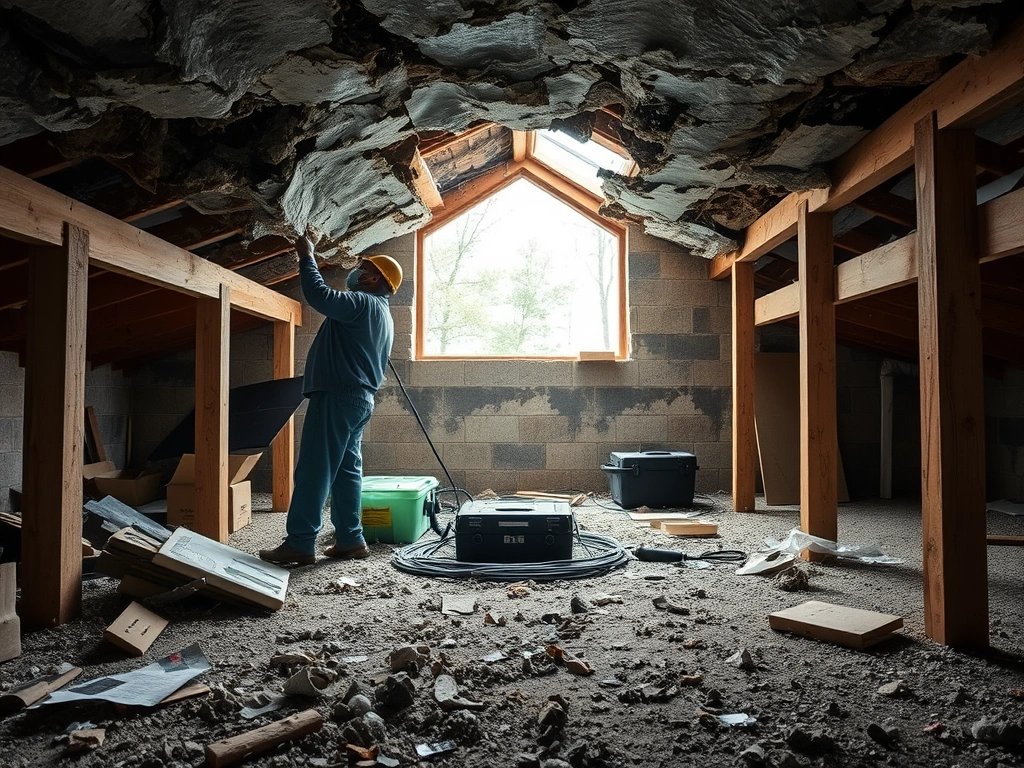
Don’t Let Hidden Mold Undermine Your Highland Village Home
Here in Highland Village, TX, we know how quickly those late spring rains can turn into summer humidity. That’s why it’s so important to be aware of potential moisture issues. When water sits, it can create the perfect environment for mold to grow, often in places you can’t see. Catching mold early is key to protecting your home’s structure and your family’s health. We help you understand exactly what’s happening behind your walls. Don’t guess about mold; let our experienced team investigate.
Homeowners around the area trust us for thorough mold inspections and testing because we focus on clear communication and accurate results. We’ve earned over 165 five-star reviews by treating every property with care and providing honest assessments. You’ll get a clear picture of any mold issues and a straightforward plan to address them. We’re dedicated to your safety and the integrity of your home.
- We pinpoint the exact type and amount of mold present, so you know precisely what you’re dealing with.
- Our detailed reports give you the information needed to make informed decisions about remediation.
- We help identify the root cause of moisture problems, preventing mold from returning.
How Our Mold Inspection & Testing Process Works
When you suspect mold, the first step is always a professional inspection. It’s more than just a quick look around; it’s a systematic investigation. Cutting corners here can lead to missed mold sources or inaccurate assessments, costing you more in the long run. Our team follows a rigorous process to ensure we find every potential problem and provide you with reliable data. We use specialized tools and follow industry best practices.
Initial Consultation and Walkthrough
We start by talking with you to understand your concerns and any visible issues. Then, we conduct a thorough visual inspection of your property, looking for signs of water damage, mold growth, and potential moisture intrusion points. This initial assessment helps us form a plan for more detailed testing. We listen to your observations and note any areas you’re particularly worried about.
Moisture Meter and Thermal Imaging
Using advanced tools like moisture meters, we can detect hidden water content within building materials. Thermal imaging cameras help us identify temperature differences that often indicate moisture behind walls or under floors, even without visible damage. These technologies reveal the unseen, giving us a clearer picture of potential problems.
Air and Surface Sampling
If mold is suspected, we’ll collect air samples from different areas of your home and compare them to an outdoor control sample. We may also take surface samples from visible mold-like substances. This testing is crucial for identifying the type of mold and its concentration. Accurate sampling is vital for understanding the scope of the issue.
Laboratory Analysis
All collected samples are sent to an accredited, independent laboratory for analysis. They provide definitive results on the types of mold spores present and their concentrations. We wait for these lab results to confirm our findings and provide you with an objective report. Independent lab results ensure unbiased data.
Detailed Reporting and Recommendations
Once we have all the information, including lab results, we compile a comprehensive report. This report outlines our findings, identifies the types of mold found, discusses potential health implications, and pinpoints the moisture source. We then provide clear, actionable recommendations for remediation and prevention. We explain everything clearly so you know your next steps.
Don’t let mold concerns linger. Contact us today for a professional mold inspection and get the clarity you need. We’re here to help you protect your home.
Warning Signs You Need Mold Inspection & Testing
Sometimes, mold can be sneaky. Recognizing the early warning signs is your first line of defense against potential damage and health concerns. Ignoring these indicators can allow mold to spread unnoticed, making remediation more complex and costly. Early detection saves time and money.
Musty Odors That Won’t Go Away
A persistent musty or earthy smell, especially after rain or in damp areas, is a strong indicator of mold growth, even if you can’t see it. Investigate strange smells immediately.
Visible Mold Growth
Any visible patches of mold, which can appear in various colors like green, black, white, or orange, should be a red flag. Don’t touch or disturb visible mold without professional guidance.
Water Damage or Leaks
Past or present water damage, such as from a leaky pipe, roof leak, or flooding, creates an ideal environment for mold to thrive. Address water issues promptly to prevent mold.
Excessive Humidity or Condensation
High indoor humidity levels or frequent condensation on windows, pipes, or walls can signal moisture problems conducive to mold. Monitor your home’s humidity.
Health Symptoms
If you or your family members experience unexplained allergy-like symptoms, such as sneezing, itchy eyes, runny nose, or respiratory issues that improve when you leave the house, mold could be the culprit. Your health matters.
Peeling Paint or Stained Walls
Bubbling or peeling paint, or discolored, stained areas on walls and ceilings, can indicate moisture trapped behind the surface, promoting mold growth. Look for surface imperfections.
Mold Inspection & Testing vs. DIY: When To Call a Professional
| Situation | DIY? | Call a Pro? | Why |
|---|---|---|---|
| Suspecting mold but can’t see it | No | Yes | Professionals have specialized tools to find hidden mold. |
| Small, visible mold spot (less than 1 sq ft) on a non-porous surface | Yes (with caution) | No | Can often be cleaned with household cleaners, but wear protection. |
| Musty odors with no visible source | No | Yes | Professional testing is needed to locate hidden mold growth. |
| Mold in HVAC system or air ducts | No | Yes | Requires specialized knowledge and equipment to avoid spreading spores. |
| Large mold patches (more than 1 sq ft) or mold after significant water damage | No | Yes | Safety risks and potential for widespread contamination require expert handling. |
| Concerned about mold’s impact on health | No | Yes | Professionals can assess risks and provide clear, objective reports. |
While small, surface-level mold on non-porous materials might be manageable DIY, anything more significant or hidden warrants professional attention. Trust your instincts if you suspect a larger problem. Our team is equipped to handle complex situations safely and effectively.
Mold Inspection & Testing Cost In Highland Village, TX
The cost for mold inspection and testing in Highland Village, TX, can vary depending on several factors. These include the size of your property, the extent of suspected mold growth, and the complexity of the inspection needed. Costs are estimates and a personalized quote is always best. We aim for transparent pricing.
| Service | Typical Price Range | What Affects Cost |
|---|---|---|
| Visual Mold Inspection | $300 – $700 | Size of property and complexity of visual assessment. |
| Moisture Mapping & Thermal Imaging | $400 – $900 | Number of areas inspected and technology used. |
| Air Quality Sampling (per sample) | $150 – $300 | Number of samples taken and lab processing fees. |
| Surface Sampling (per sample) | $150 – $300 | Number of samples taken and lab processing fees. |
| Detailed Report with Recommendations | Included with inspection/testing | Depth of analysis and clarity of recommendations. |
| Post-Remediation Verification Testing | $400 – $1,000 | Number of samples needed to confirm clearance. |
These prices provide a general idea of what to expect for mold inspection and testing services. An on-site assessment will give you the most accurate quote. We offer free initial consultations to discuss your specific needs.
Service Areas Near Highland Village, TX
Corinth, Lake Dallas, Lewisville, Flower Mound, Lantana, Bartonville, Copper Canyon, Argyle, Denton, Sanger, Krum, Ponder, Justin, Roanoke, Shady Shores, Coppell, Grapevine, Southlake, Keller, Frisco
Common Questions About Mold Inspection & Testing
How long does a mold inspection and testing process typically take?
The actual inspection and sample collection might take anywhere from 2 to 4 hours, depending on the size of your home and the complexity of the suspected issue. Lab analysis usually takes 2-3 business days for results. We’ll then schedule a follow-up to discuss your detailed report. We work efficiently to get you answers.
Will my homeowner’s insurance cover mold inspection and testing costs?
Generally, standard homeowner’s insurance policies do not cover mold inspection or remediation if it’s due to poor maintenance or normal wear and tear. However, if the mold resulted from a covered peril, like a sudden pipe burst that was addressed promptly, there might be coverage. It’s best to check your specific policy or call your insurance provider. We can provide documentation to support your claim if applicable.
What are the health risks associated with mold exposure in my home?
Mold exposure can trigger a range of health issues, especially for those with allergies, asthma, or compromised immune systems. Symptoms can include sneezing, coughing, itchy eyes, skin rashes, and respiratory problems. Prolonged exposure can worsen symptoms. Our testing helps identify the mold and its concentration, informing necessary safety precautions. We prioritize your family’s well-being.
What kind of equipment do you use for mold inspection and testing?
We utilize a variety of professional-grade tools, including high-resolution thermal imaging cameras to detect temperature anomalies indicative of moisture, specialized moisture meters to measure water content in building materials, and air sampling pumps connected to collection devices. These advanced tools allow us to find mold that isn’t visible. Our team is trained in their proper use.
How can I prevent mold from growing in my home after testing?
Prevention is key. Maintaining proper humidity levels (ideally between 30-50%) is crucial. Ensure good ventilation in bathrooms and kitchens, fix any leaks promptly, and dry any water-damaged areas within 24-48 hours. Regular visual checks can also help. We provide specific prevention tips based on your home’s unique conditions after our inspection.
Check Our Other Relevant Services
Serving Highland Village, TX And Nearby Areas