Trusted by 150+ Homeowners
Mold Inspection & Testing in Rockwall, TX
- Over 150 5-Star Reviews
- Free Estimates and Quotes
- 100% Satisfaction Guaranteed
- Child, Family & Pet Safe Steps
- 24-Hour Emergency Service
- Fully Licensed & Insured
Why You Need Expert Mold Inspection & Testing in Rockwall, TX
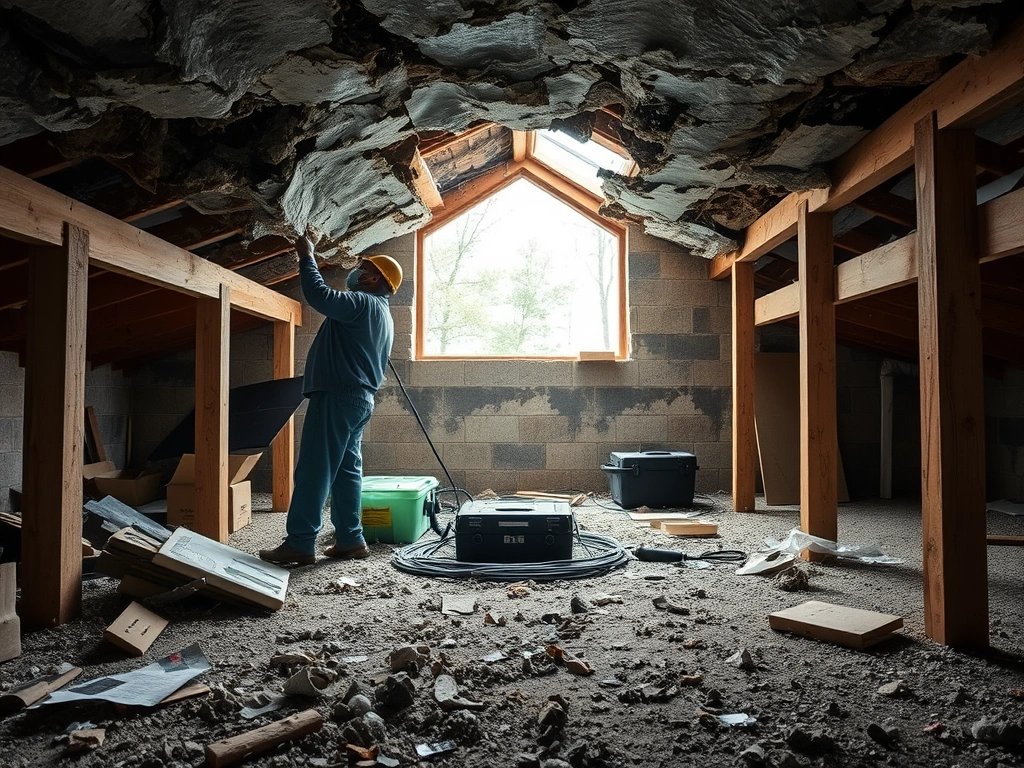
Did you know that a small patch of mold, less than a square foot, can spread spores throughout your entire home in as little as 24 to 48 hours? It’s a surprising fact that highlights how quickly a minor issue can become a significant problem. If you’re noticing strange smells or seeing discoloration on your walls, it’s crucial to get a professional assessment. We help homeowners in Rockwall, TX understand the true extent of mold growth and the potential health risks involved. Our goal is to provide clear, actionable information so you can make informed decisions about your property and your family’s well-being. You’re likely concerned about the impact on your home’s value and the health of those living there.
We’ve earned the trust of over 165 homeowners in your neighborhood, who consistently leave five-star reviews for our meticulous approach to mold inspection and testing. People choose us because we offer a straightforward, no-nonsense evaluation. You’ll appreciate our commitment to accurate problem identification and our transparent communication throughout the entire process. We understand that dealing with potential mold can be stressful, and we aim to make the inspection phase as clear and as efficient as possible for you.
- We use specialized equipment to detect hidden mold, even in areas you can’t see, ensuring no growth is missed.
- Our detailed reports provide clear evidence of mold presence, type, and severity, which is vital for insurance claims and remediation planning.
- You get an unbiased assessment of your property’s condition, helping you understand the full scope before committing to any costly repairs.
How Our Mold Inspection & Testing Process Works
When it comes to mold, a thorough inspection and accurate testing are non-negotiable. Cutting corners here means you might miss the source, leading to recurring problems and increased costs down the line. Our team follows a disciplined, systematic approach to ensure we identify all affected areas and pinpoint the moisture source. We explain every step so you know exactly what’s happening on your property. You’ll appreciate our focus on documentation for insurance purposes and our dedication to uncovering the root cause, not just the surface symptoms.
Initial Visual Inspection
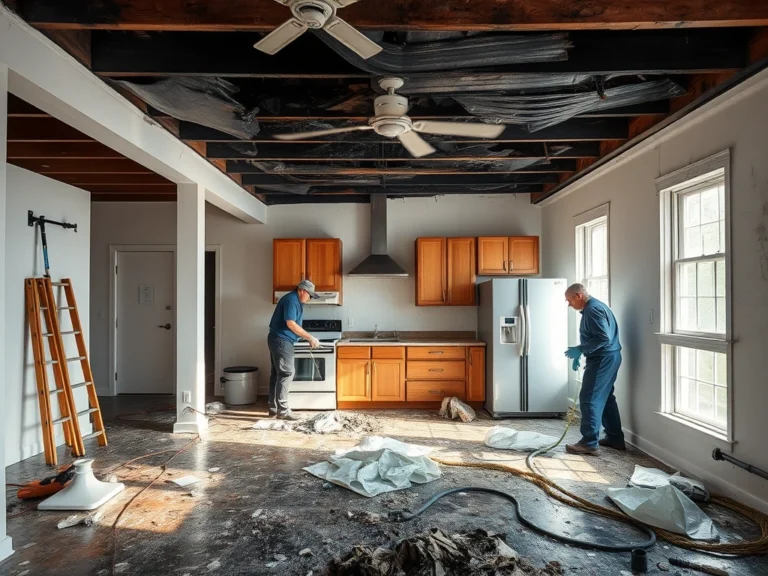
We start with a detailed walk-through of your home, looking for visible signs of mold growth, water damage, and potential entry points for moisture. Our technicians are trained to spot discoloration, staining, and damage that might indicate an underlying issue. This initial step helps us form a hypothesis about where mold might be present and guides our subsequent testing. We’ll spend about one to two hours on this phase, depending on the size of your home.
Moisture Mapping
Using advanced moisture meters, we measure the water content in building materials like drywall, wood, and insulation. This helps us identify areas that are damp or have been damp recently, even if there’s no visible mold yet. This is a critical step in locating hidden mold colonies. This process usually takes another hour to two hours, depending on the extent of the property.
Air Sampling
We collect air samples from different areas of your home and send them to an independent laboratory for analysis. This tells us the type and concentration of mold spores in your air compared to the outdoor environment. It’s essential for understanding airborne mold levels and their potential health impact. Lab analysis typically takes 24 to 72 hours for results.
Surface Sampling
If visible mold is present or suspected, we may take surface samples using swabs or tape lifts. These are also sent to the lab for identification. This helps confirm the type of mold and its relationship to the moisture source. This adds about 30 minutes to an hour to the inspection time.
Detailed Reporting and Documentation
After collecting all the data, we compile a comprehensive report. This report includes our findings, lab results, photographic evidence, and recommendations for remediation. We also work closely with you to understand how this report can be used for insurance claim submissions. Our goal is to provide you with all the information needed to address the mold problem effectively and affordably.
Don’t wait for mold to spread further. Schedule your inspection today to get a clear picture of your home’s health. We’re here to help you take the first step toward a mold-free environment.
Warning Signs You Need Mold Inspection & Testing
Catching mold early is key to minimizing damage and preventing costly repairs. Ignoring these signs can lead to more extensive mold growth and potential health issues for your family. Being aware of these indicators can help you take prompt action. You’ll save yourself a lot of trouble and expense by addressing potential problems early on. Recognizing these symptoms is the first step toward protecting your investment and your family’s health.
Musty Odors That Won’t Go Away
A persistent musty or earthy smell, especially in damp areas like bathrooms, basements, or kitchens, is often the first sign of mold. Even if you can’t see it, the smell indicates that mold is likely growing somewhere. Don’t just mask the odor; investigate its source. This could mean hidden moisture problems.
Visible Mold Growth
Any discoloration on walls, ceilings, or floors that looks fuzzy, slimy, or powdery and is black, green, white, or orange should be considered mold. Even small patches can be indicative of a larger problem. It’s important to get this professionally identified.
Water Damage or Leaks
Areas that have experienced water damage from leaks, flooding, or high humidity are prime breeding grounds for mold. If you’ve had a recent water incident, even if it seemed to dry out, mold can still develop. You need to ensure the area is completely dry and tested.
Peeling or Bubbling Paint and Wallpaper
Moisture trapped behind paint or wallpaper can cause it to peel, blister, or become loose. This is a strong indicator that water is present and mold may be growing underneath. Addressing this promptly can prevent structural damage. This sign suggests underlying moisture issues.
Condensation on Surfaces
Excessive condensation on windows, pipes, or walls suggests high humidity levels, which are ideal for mold growth. If you notice constant moisture buildup, it’s time for an inspection. Managing humidity is key to preventing future mold.
Health Symptoms
Some people experience allergy-like symptoms such as sneezing, coughing, itchy eyes, or skin rashes when exposed to mold. If these symptoms worsen indoors or improve when you leave your home, mold could be the culprit. Your family’s respiratory health matters.
Mold Inspection & Testing vs. DIY: When To Call a Professional
| Situation | DIY? | Call a Pro? | Why |
|---|---|---|---|
| Suspected mold smell in a bathroom | Yes, for initial check of visible areas | Yes, if smell persists or is strong | A pro can detect hidden mold and moisture sources. |
| Small, visible patch of mold on a tile | Yes, for minor surface cleaning | Yes, if it’s larger than a credit card or returns | DIY cleaning might not kill the roots; professionals ensure complete removal. |
| Water damage from a recent storm | No, not for assessment | Yes, immediately | Professionals can identify the extent of water intrusion and potential mold spread. |
| Mold on drywall or wood framing | No | Yes, absolutely | These materials are porous and can harbor mold deep within, requiring specialized removal. |
| Concern about air quality and health symptoms | No | Yes, immediately | Only professional testing can quantify airborne mold levels and identify specific types. |
| After a flood or major pipe burst | No | Yes, immediately | Extensive moisture requires professional assessment to prevent widespread mold growth and structural damage. |
While a quick wipe-down might seem like a solution for a tiny spot, professional inspection and testing are crucial for anything more significant. You need a certified team to accurately assess the situation, especially when insurance claims are involved or health concerns are present. Trusting a professional ensures the problem is solved correctly the first time.
Mold Inspection & Testing Cost In Rockwall, TX
The cost for mold inspection and testing in Rockwall, TX can vary. Factors like the size of your property, the suspected severity of the mold, and the complexity of the affected areas all play a role. These price ranges are general estimates and a thorough on-site assessment is always needed for an exact quote. We aim to provide transparent pricing information upfront.
| Service | Typical Price Range | What Affects Cost |
|---|---|---|
| Initial Visual Mold Inspection | $300 – $700 | Size of home, accessibility of areas, and complexity of visible issues. |
| Moisture Metering and Mapping | $200 – $500 | The number of rooms or areas needing detailed moisture checks. |
| Air Quality Testing (per sample) | $150 – $300 per sample | Number of samples needed to cover affected and unaffected areas for comparison. |
| Surface Sampling (per sample) | $100 – $250 per sample | Number of suspected mold spots requiring laboratory identification. |
| Comprehensive Mold Inspection Report | Included with inspection services | The depth and detail required in the final report, especially for insurance. |
| Post-Remediation Verification Testing | $400 – $1,200 | Number of samples needed to confirm the success of mold removal efforts. |
The best way to get an accurate understanding of the cost for your specific situation is to schedule a free estimate. We’ll come to your property and provide a detailed assessment and breakdown of services needed. You’ll get a clear picture of the investment in your home’s health.
Service Areas Near Rockwall, TX
Forney, Terrell, Garland, Mesquite, Rowlett, Sachse, Wylie, Plano, Richardson, Dallas, Grand Prairie, Arlington, Irving, Carrollton, Frisco, McKinney, Allen, Richardson, Addison, University Park.
Common Questions About Mold Inspection & Testing
How long does a mold inspection and testing process usually take?
A typical mold inspection can take anywhere from two to four hours for a standard-sized home. This includes the visual inspection, moisture mapping, and any necessary air or surface sampling. We then send samples to an independent lab, which usually takes 24 to 72 hours for results. You’ll receive a detailed report shortly after the lab provides their findings, so you have a clear understanding of the situation and next steps for remediation.
Is mold inspection covered by homeowners insurance?
Insurance coverage for mold inspection and testing can vary significantly by policy. Often, if the mold is a result of a covered peril (like a sudden pipe burst or storm damage), the inspection and subsequent remediation might be covered. However, mold caused by long-term neglect or gradual water intrusion is typically not covered. We help you by providing a detailed, documented report that can be crucial when you file a claim. It’s always best to review your specific policy or speak with your insurance provider.
What are the health risks associated with mold exposure?
Mold exposure can lead to a range of health issues, especially for individuals with allergies or respiratory conditions. Common symptoms include sneezing, coughing, runny nose, skin rashes, and itchy eyes. Some molds can produce mycotoxins, which can have more severe health effects. Identifying the type and concentration of mold through professional testing is vital for understanding these risks. Your family’s health is our top priority.
Do I need to leave my home during mold testing?
For most standard mold inspections and air sampling, you do not need to leave your home. Our team works efficiently to minimize disruption. However, if the mold is extensive or you or your family members are particularly sensitive, we might recommend vacating the property during the inspection or, more commonly, during the remediation phase. We’ll provide clear guidance based on our findings to ensure your safety and comfort.
How can I prevent mold from returning after inspection and remediation?
Preventing mold recurrence involves controlling moisture and humidity levels in your home. This includes promptly fixing any leaks, ensuring proper ventilation in bathrooms and kitchens, using dehumidifiers in damp areas, and cleaning up any spills quickly. Regular maintenance and being mindful of potential water intrusion points are key. Our inspection report will often include specific recommendations tailored to your property to help you maintain a mold-free environment.
Check Our Other Relevant Services
Serving Rockwall, TX And Nearby Areas