Trusted by 150+ Homeowners
Mold Inspection & Testing in Rowlett, TX
- Over 150 5-Star Reviews
- Free Estimates and Quotes
- 100% Satisfaction Guaranteed
- Child, Family & Pet Safe Steps
- 24-Hour Emergency Service
- Fully Licensed & Insured
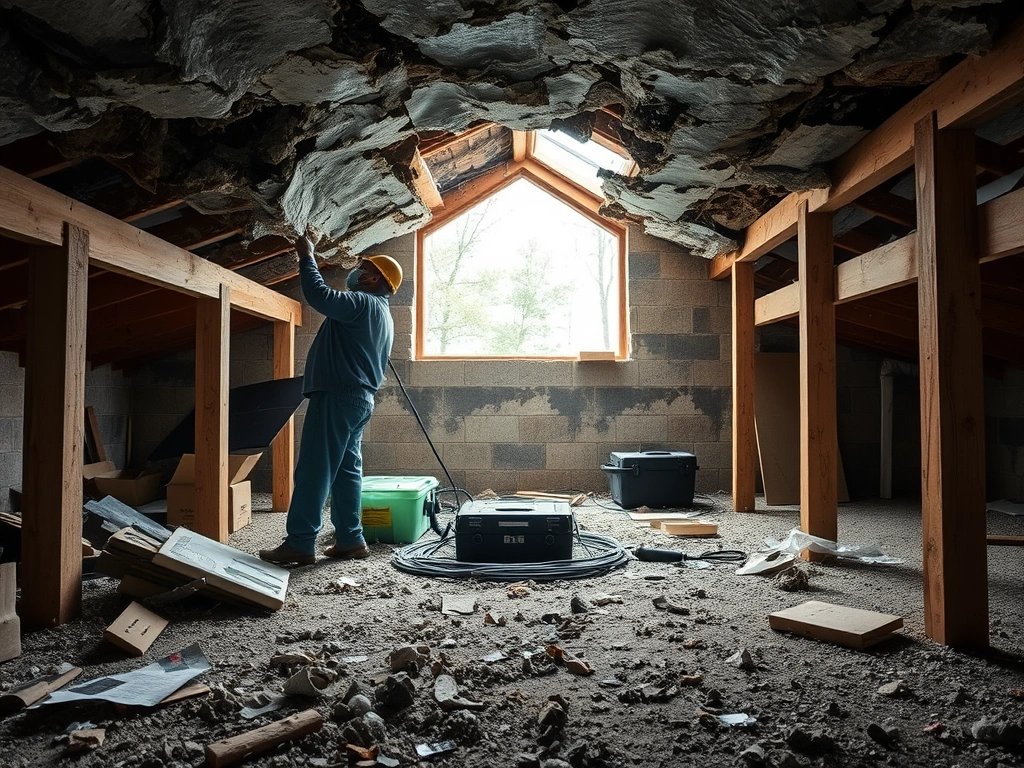
Detecting Hidden Dangers: Mold Inspection & Testing in Rowlett, TX
You walk into your basement, and there it is – a faint, earthy smell you can’t quite place. Maybe you’ve noticed dark spots on a wall after a minor leak, or perhaps a persistent dampness lingers in a corner of your bathroom. It’s that unsettling feeling, the suspicion that something unseen might be growing. You’re dealing with a potential mold problem, and you need to know exactly what you’re up against. Getting a professional mold inspection is your first, crucial step to understanding the full scope of the issue right here in Rowlett, TX.
With over 165 five-star reviews from homeowners around here, our team is the trusted local choice for accurate mold assessments. We understand the unique challenges your property faces, from humidity fluctuations to common building materials. When you suspect mold, you want a team that’s not just experienced but deeply familiar with the local environment, ensuring your home’s safety and health are prioritized.
- We use advanced tools to pinpoint the exact type and extent of mold growth, even in hidden areas.
- Our detailed testing provides clear, actionable data, so you know precisely what steps are needed.
- We offer objective assessments, giving you the information you need to make informed decisions about your property.
The Science Behind Our Mold Inspection & Testing Process
A thorough mold inspection isn’t just about looking for visible spots. It’s a scientific process that involves understanding moisture dynamics, air quality, and building science. When corners are cut during an inspection, you risk misdiagnosing the problem, leading to ineffective treatments and continued growth. Our crews follow a strict, systematic approach to ensure every potential source and affected area is identified, providing you with a clear picture of your home’s condition.
Initial Visual Assessment
Our technicians begin with a meticulous visual inspection of your property. We’ll look for obvious signs of mold, water damage, and conditions that could support mold growth, such as leaks or high humidity. This initial step helps us form a hypothesis about potential problem areas.
Moisture Meter Readings
Using specialized moisture meters, we measure the water content in building materials like drywall, wood, and insulation. This helps us identify areas that are damp or have recently been wet, even if there’s no visible stain. These readings are critical for locating hidden mold sources.
Air Sampling
We collect air samples from various areas of your home and send them to an independent, accredited laboratory for analysis. This testing compares the mold spore count inside your home to the outdoor air, helping us determine if there’s an elevated level of mold indoors and where it might be originating. It’s a key diagnostic tool.
Surface Sampling
If visible mold is present or suspected on surfaces, we may collect samples for laboratory analysis. This can include swabbing or tape lifts. This helps confirm whether the growth is indeed mold and, if so, what specific types are present. It provides definitive identification.
Report Generation and Analysis
Once all testing is complete, we compile a detailed report. This report outlines our findings, including moisture levels, air quality results, and any identified mold types. You’ll receive a clear explanation of the data and our professional recommendations for next steps.
Don’t let uncertainty about mold linger. Call us today for a precise assessment of your home’s condition. We’re ready to provide the clarity you need right now.
Warning Signs You Need Mold Inspection & Testing
Ignoring early indicators of mold can lead to significant health issues and costly damage to your home. Catching these signs early is key to preventing a small problem from becoming a major headache. You might be surprised at how often mold hides in plain sight or behind walls.
Musty Odors That Won’t Go Away
If you consistently detect a damp, musty smell, especially in enclosed spaces like closets, bathrooms, or basements, it’s a strong indicator of mold growth. This smell often signals mold that’s actively growing, even if you can’t see it. It’s a persistent, tell-tale sign.
Visible Water Damage or Stains
Discoloration on walls, ceilings, or floors, particularly after a leak or flood, is a red flag. These stains can be signs of water intrusion that has created a breeding ground for mold. Don’t assume the stain is just cosmetic.
Peeling or Bubbling Paint/Wallpaper
When paint or wallpaper starts to blister, peel, or detach from the wall, it often means moisture is trapped behind it. This trapped moisture is ideal for mold to develop. This is a visible symptom of hidden moisture.
Warped or Damaged Drywall/Wood
Structural materials that appear soft, saggy, or warped suggest significant moisture saturation. This compromised material can easily harbor mold growth within its structure. It indicates a serious moisture problem.
Increased Allergy Symptoms
If you or your family members are experiencing unexplained allergy symptoms like sneezing, itchy eyes, coughing, or skin irritation, and they worsen when you’re inside your home, mold could be the culprit. Mold spores are common allergens. It’s a health-related indicator.
Condensation on Windows or Pipes
Excessive condensation can signal high indoor humidity levels, which can fuel mold growth. Pay attention to persistent condensation on windows, pipes, or exterior walls. This points to improper ventilation or moisture control.
Mold Inspection & Testing vs. DIY: When To Call a Professional
| Situation | DIY? | Call a Pro? | Why |
|---|---|---|---|
| Suspected mold growth in a small, easily accessible area (e.g., a small spot on a bathroom tile). | Yes | No | Small, visible spots can often be cleaned safely by a homeowner with proper precautions. |
| Musty odors but no visible mold growth. | No | Yes | Odors often indicate hidden mold that requires specialized tools to locate and assess. |
| Mold growth on porous materials like drywall, insulation, or carpet. | No | Yes | Porous materials are difficult to clean completely and often require removal and replacement. |
| Mold suspected after a significant water event (e.g., burst pipe, flooding). | No | Yes | Large-scale water damage requires professional assessment to ensure all moisture is eliminated and mold is properly remediated. |
| Concerns about indoor air quality and potential airborne mold spores. | No | Yes | Air sampling and analysis require specialized equipment and expertise to interpret results accurately. |
| Mold growth affecting HVAC systems or ductwork. | No | Yes | Mold in HVAC systems can spread spores throughout the entire house, requiring specialized cleaning protocols. |
For any situation involving hidden mold, extensive growth, or concerns about air quality, a professional inspection is essential. It ensures a complete and accurate assessment, protecting your health and your property. Relying on DIY for complex issues can lead to wasted effort and ongoing problems.
Mold Inspection & Testing Cost in Rowlett, TX
The cost of mold inspection and testing can vary significantly based on the size of your property, the extent of suspected mold growth, and the specific testing methods required. These are estimates for services in the Rowlett, TX area; your actual costs may differ. We aim for transparent pricing for our valued clients.
| Service | Typical Price Range | What Affects Cost |
|---|---|---|
| Initial Visual Inspection & Consultation | $300 – $700 | Size of property, complexity of visible issues. |
| Moisture Meter & Thermal Imaging Assessment | $400 – $900 | Number of areas tested, use of advanced thermal cameras. |
| Air Quality Testing (per sample, independent lab fees extra) | $200 – $500 per sample | Number of samples taken, cost of lab analysis (usually $50-$100 per sample). |
| Surface Sampling (per sample, independent lab fees extra) | $150 – $400 per sample | Number of samples needed, lab fees. |
| Comprehensive Mold Inspection Report | $700 – $2,500+ | Total scope of testing, complexity of findings, number of affected areas identified. |
| Post-Remediation Verification Testing | $400 – $1,000 | Number of samples required to confirm clearance. |
An on-site assessment is always the best way to get an accurate quote for your specific needs. We offer free estimates to help you understand the potential costs involved.
Service Areas Near Rowlett, TX
Rockwall, Garland, Mesquite, Sachse, Wylie, Plano, Richardson, Dallas, Carrollton, Addison, Farmers Branch, Irving, Grand Prairie, Duncanville, Cedar Hill, DeSoto, Lancaster, Royse City, Terrell, Forney.
Common Questions About Mold Inspection & Testing
What is the typical timeline for a mold inspection and testing process?
A standard mold inspection and testing process typically takes 1 to 3 days. The initial on-site assessment, including visual checks and moisture readings, usually happens within 24-48 hours of your call. Air and surface samples are then sent to an independent lab, with results usually available within 24-72 hours. We work to get you clear results quickly.
How much does mold inspection and testing usually cost?
The cost for mold inspection and testing can range from $500 to $2,500 or more, depending on the size of your property, the complexity of the suspected issue, and the number of samples collected for lab analysis. Factors like accessibility and the need for specialized equipment can also influence the price. We provide detailed estimates based on your specific situation.
Is mold testing covered by homeowners insurance?
Homeowners insurance policies vary, but typically, mold inspection and testing are covered if the mold growth is a direct result of a covered peril, like sudden water damage from a burst pipe. If the mold is due to long-term issues like chronic leaks or poor ventilation, it may not be covered. We recommend checking your specific policy and can help document findings for your claim.
How do you identify mold that isn’t visible?
Our team uses advanced tools to find hidden mold. We use moisture meters to detect dampness within walls and under floors, and thermal imaging cameras can reveal temperature differences caused by moisture. Air sampling is crucial for detecting elevated mold spore counts in the air, even if no visible mold is present. This scientific approach uncovers what the eye can’t see.
What can I do to prevent mold growth after testing and remediation?
Preventing mold after remediation involves controlling moisture. This means promptly fixing any leaks, ensuring good ventilation in bathrooms and kitchens, using dehumidifiers in damp areas, and cleaning up spills immediately. Regular inspections can also catch potential issues early. We can provide expert advice on prevention strategies.
Check Our Other Relevant Services
Serving Rowlett, TX And Nearby Areas