Trusted by 150+ Homeowners
Mold Inspection & Testing in Sachse, TX
- Over 150 5-Star Reviews
- Free Estimates and Quotes
- 100% Satisfaction Guaranteed
- Child, Family & Pet Safe Steps
- 24-Hour Emergency Service
- Fully Licensed & Insured
Don’t Let Mold Lurk: Expert Mold Inspection & Testing in Sachse, TX
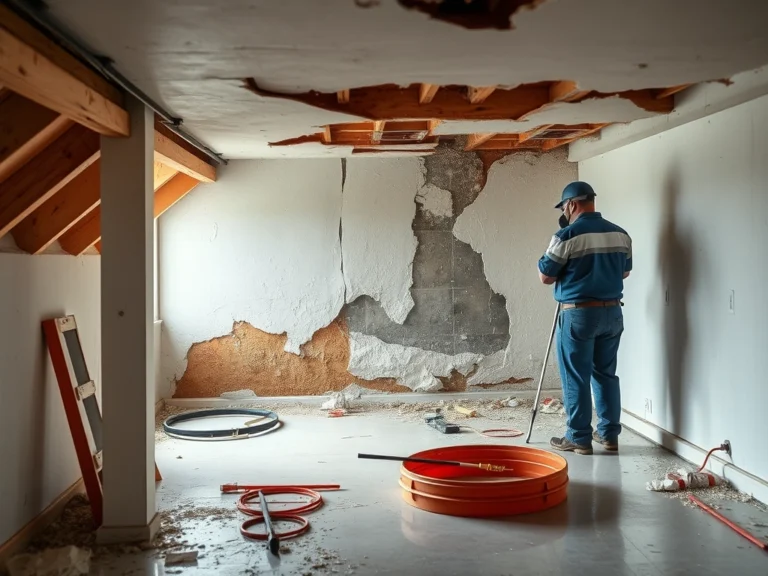
You walk into your bathroom, and there it is. A faint, dark smudge on the ceiling near the vent. Or maybe it’s that persistent, damp smell in the basement that just won’t clear. Mold can appear anywhere moisture lingers, and sometimes you need a professional eye to find it. Identifying the full extent of a mold problem requires more than just a glance; it demands specialized equipment and trained eyes. Ignoring these early signs could lead to significant issues impacting your home’s structure and your family’s health right here in Sachse, TX.
Homeowners around here trust our team because we bring a meticulous approach to every mold inspection. We’ve earned over 165 five-star reviews by being thorough and transparent. We find hidden mold others miss, giving you the clear picture you need. When you suspect mold, you want a team that understands the local climate and building commonalities.
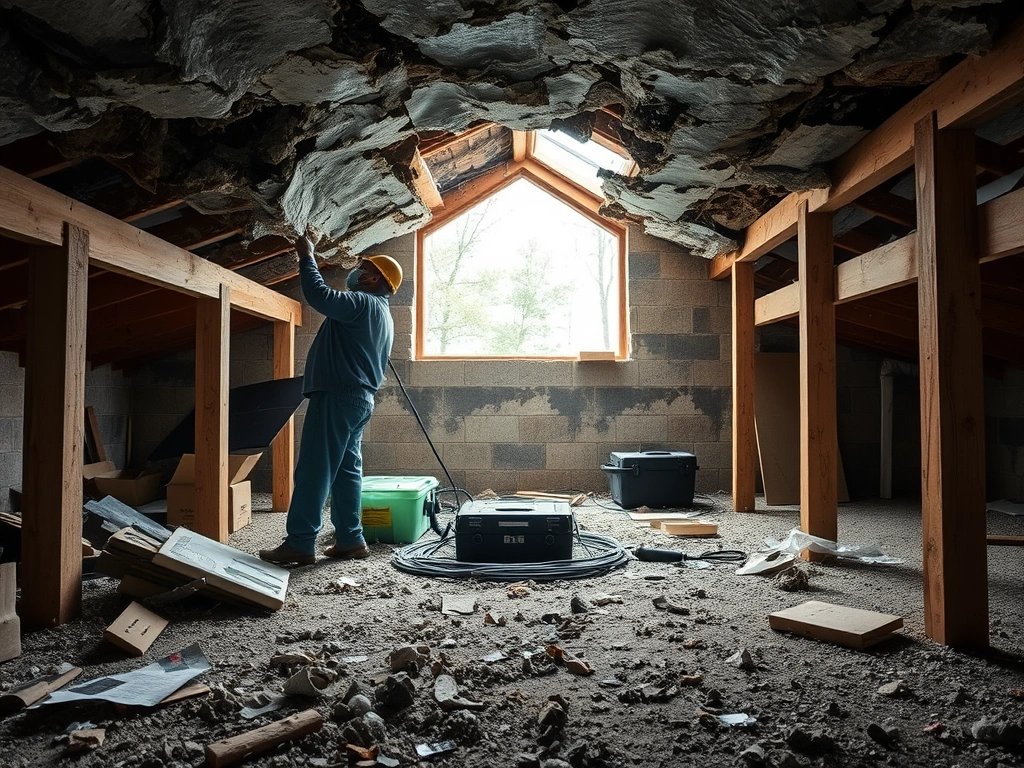
- We use advanced tools to detect mold growth behind walls and under flooring, ensuring no area is overlooked.
- Our detailed reports clearly outline findings, recommended next steps, and the scientific basis for our conclusions.
- We focus solely on accurate identification and assessment, providing the critical data you need before any remediation begins.
How Our Mold Inspection & Testing Process Works
A proper mold inspection isn’t just about finding visible mold. It’s a scientific process involving moisture mapping, air sampling, and surface testing. Cutting corners here means you might only see the tip of the iceberg, leading to recurring problems and higher costs down the line. Our technicians follow a strict protocol to deliver reliable results. We document everything, so you understand exactly what’s happening in your home.
Initial Assessment and Visual Inspection
Our process begins with a thorough visual check of your property. We look for visible signs of mold growth, water damage, and conditions conducive to mold. We note discoloration, staining, and any signs of past water intrusion. This initial step helps us form a hypothesis about potential problem areas.
Moisture Meter Readings
We use specialized moisture meters to measure the water content in building materials like drywall, wood, and insulation. High moisture readings indicate a potential source of mold growth, even if mold isn’t visible. This helps us pinpoint hidden dampness.
Air Sampling
To understand the air quality inside your home, we collect air samples. These samples are sent to an independent laboratory for analysis. Lab analysis reveals the types and quantities of mold spores present in the air, compared to outdoor levels. This is crucial for assessing indoor air quality.
Surface Sampling
When necessary, we take surface samples from suspicious areas. This can involve taking swabs or pieces of material. Surface testing confirms the presence of specific mold types on a particular surface. It complements air sampling for a complete picture.
Detailed Reporting
After all testing is complete, we compile a comprehensive report. It includes all findings, laboratory results, and photographic evidence. Your report explains the implications of the findings and provides a clear, factual basis for any recommended remediation steps.
Don’t let uncertainty about mold linger. Get the facts now. Call us today for a professional mold inspection and testing appointment.
Warning Signs You Need Mold Inspection & Testing
Catching mold early is key to preventing widespread contamination and potential health issues. Your home’s health is our priority. Many common household issues can be indicators of a developing mold problem. Paying attention to these signs helps us detect and address mold before it causes serious damage.
Musty Odors That Won’t Go Away
A persistent musty or earthy smell, especially in damp areas like bathrooms, basements, or attics, is a strong indicator of mold. This smell often signals hidden mold growth. It’s your nose telling you something is wrong, even if you can’t see it.
Visible Mold Growth
Any visible mold, whether it’s black, green, white, or fuzzy, needs immediate attention. Don’t try to clean it yourself if it’s extensive. Even small patches can indicate a larger, hidden infestation. This is a clear sign for mold inspection.
Water Damage or Leaks
Any recent or past water damage, such as leaks from plumbing, roofs, or flooding, creates ideal conditions for mold. Mold loves dampness. If you’ve had water intrusion, assume mold might be present, even after drying.
Peeling or Bubbling Paint and Wallpaper
Moisture trapped behind paint or wallpaper can cause it to blister, peel, or crack. This is often due to water seeping into the wall cavity. It’s a visual cue that moisture is present and mold could be growing underneath.
Warped Walls or Ceilings
Structural materials that become damp can warp, sag, or become soft. This indicates serious moisture issues. Warped materials suggest that water has been present long enough to affect the integrity of your home, likely fostering mold.
Unexplained Respiratory Issues
If you or your family members are experiencing new or worsening allergies, asthma symptoms, headaches, or respiratory irritation, mold could be the culprit. Mold spores can trigger allergic reactions and respiratory problems. An inspection can help determine if mold is the cause.
Mold Inspection & Testing vs. DIY: When To Call a Professional
| Situation | DIY? | Call a Pro? | Why |
|---|---|---|---|
| Small, visible patch of mold on a non-porous surface (like a tile) that you’re certain is less than 1 square foot. | Yes, with caution. | No | You can likely handle minor, surface-level mold with proper ventilation and protective gear. |
| Musty odor in a room with no visible mold. | Maybe, for initial checks. | Yes | Hidden mold behind walls or under floors requires specialized tools to locate and assess. |
| Mold growth in HVAC vents or ductwork. | No | Yes | Mold in the air system can spread spores throughout your entire home. |
| Mold growth on porous materials like drywall, wood, or carpet. | No | Yes | Porous materials often need to be removed and replaced, not just cleaned. |
| You’ve experienced significant water damage (e.g., a flood, major pipe burst). | No | Yes | Extensive water damage almost always leads to hidden mold growth that needs professional assessment. |
| Concerns about airborne mold spores affecting your health. | No | Yes | Professional air sampling and analysis are needed to quantify spore counts and identify specific types. |
While small, isolated mold spots on non-porous surfaces might be manageable yourself, any suspicion of hidden mold, widespread growth, or potential health impacts warrants professional intervention. Our team’s scientific approach ensures accurate identification and assessment, preventing future issues.
Mold Inspection & Testing Cost In Sachse, TX
The cost for mold inspection and testing in Sachse, TX can vary widely. Factors include the size of your property, the accessibility of affected areas, and the complexity of the suspected mold issue. These are estimates, and a precise quote requires an on-site assessment.
| Service | Typical Price Range | What Affects Cost |
|---|---|---|
| Visual Mold Inspection & Initial Assessment | $300 – $700 | Property size and complexity of visible issues. |
| Moisture Meter Readings | Included in Inspection | Standard tool for all assessments. |
| Air Sampling (per sample) | $150 – $300 per sample | Number of samples needed for accurate assessment. |
| Surface Sampling (per sample) | $150 – $300 per sample | Number and type of samples required. |
| Post-Remediation Verification Testing | $400 – $1,000 | Scope of previous remediation work. |
| Detailed Mold Inspection Report | Included in Inspection Cost | Thorough documentation and analysis. |
These figures provide a general idea of investment. A personalized quote is always best. We offer free estimates to give you a clear understanding before any work begins.
Service Areas Near Sachse, TX
Wylie, Garland, Richardson, Plano, Murphy, Rowlett, Rockwall, Dallas, Allen, Frisco, McKinney, Carrollton, Addison, Farmers Branch, Irving, Mesquite, Royse City, Fate, Princeton, Lucas
Common Questions About Mold Inspection & Testing
What’s the difference between mold inspection and mold testing?
A mold inspection is a visual assessment of your property to identify potential mold growth and the conditions that support it. Mold testing goes further by taking air or surface samples to confirm the presence, type, and quantity of mold spores. Our team uses both to provide a complete picture of any mold issue.
How long does a mold inspection and testing process take?
A standard inspection and initial testing can often be completed in a few hours on-site. Lab analysis of samples typically takes 24-48 hours for results. We aim to get you the findings as quickly as possible, so you can plan your next steps.
Is mold a serious health risk?
Yes, mold can pose health risks, especially for individuals with allergies, asthma, or compromised immune systems. Exposure can cause symptoms like coughing, sneezing, itchy eyes, and respiratory problems. Identifying the mold type and concentration is vital for understanding the health risks in your home.
What equipment do your technicians use for mold inspection?
Our technicians use a variety of tools including high-resolution moisture meters, borescopes for looking inside walls, infrared cameras to detect temperature differences indicative of moisture, air sampling pumps, and specialized collection devices for surface samples. This advanced equipment allows us to find mold that isn’t visible to the naked eye.
Can I prevent mold from growing in my home after an inspection?
Prevention involves controlling moisture levels. This means fixing leaks promptly, ensuring proper ventilation in bathrooms and kitchens, and using dehumidifiers in damp areas. Regularly monitoring for signs of moisture or musty odors is also key. We can offer guidance on maintaining a mold-free environment after our inspection.
Check Our Other Relevant Services
Serving Sachse, TX And Nearby Areas