
Trusted by 150+ Homeowners
Mold Inspection & Testing in Southlake, TX
- Over 150 5-Star Reviews
- Free Estimates and Quotes
- 100% Satisfaction Guaranteed
- Child, Family & Pet Safe Steps
- 24-Hour Emergency Service
- Fully Licensed & Insured
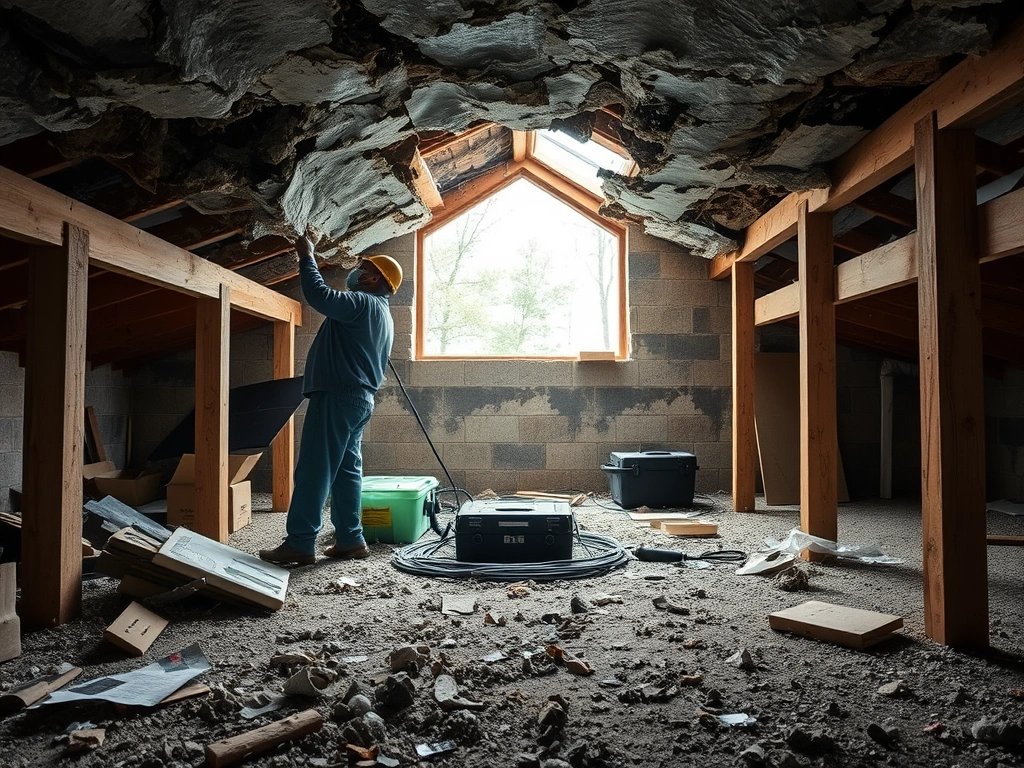
Discovering Mold in Your Southlake, TX Home
You walk into your bathroom, and there it is. A faint, dark smudge on the grout. Or maybe it’s that persistent, damp smell in the basement that you just can’t shake, no matter how much you air it out. That musty odor could be a sign of something growing, unseen, behind your walls. It’s a feeling of unease, a question mark hanging over your family’s health. You know you need to deal with it, and fast. This is where professional mold inspection becomes critical.
We’ve helped over 165 homeowners in your neighborhood get answers and take action. They trust us because we don’t just guess; we use science and specialized tools to pinpoint the exact problem. When you’re worried about what’s lurking in your home, you want a team that’s meticulous and thorough. We’re here to provide that clarity for you.
- Get an accurate assessment of mold presence and types, protecting your family’s health.
- Understand the moisture sources fueling mold growth, so it doesn’t return.
- Receive clear, actionable reports detailing the scope of the issue and next steps.
How Our Mold Inspection & Testing Process Works
Mold isn’t always visible, and even when it is, its true extent can be hidden. That’s why a systematic, scientific approach is so important. Simply wiping away surface mold without finding the root cause or testing the air quality is a recipe for recurring problems. Our process is designed to give you a complete picture of your property’s condition. We use advanced equipment and follow strict protocols to ensure we don’t miss anything, providing you with reliable, factual data.
Initial Visual Inspection
We start with a detailed walk-through of your property, looking for visible signs of mold growth, water damage, and potential moisture intrusion points. This initial assessment helps us identify areas that need further investigation and understand the overall context of the problem. We’re looking for obvious indicators and subtle clues.
Moisture Meter Readings
Using specialized moisture meters, we measure the water content in building materials like drywall, wood, and insulation. Elevated moisture levels are a strong indicator of hidden water leaks or past water damage that could be supporting mold growth. This step is crucial for finding damp hidden areas.
Air Sampling & Analysis
We collect air samples from various locations inside your home and sometimes from the outside for comparison. These samples are sent to an independent, accredited laboratory for analysis to determine the type and concentration of mold spores present. This tells us what you’re breathing right now.
Surface Sampling (If Needed)
If visible mold is present but its type or origin is unclear, we may take surface samples. These can include swab samples or tape lifts from affected materials. The lab will analyze these to confirm the presence and identification of mold species. This provides definitive identification.
Report and Recommendations
You’ll receive a detailed report outlining our findings, including visual observations, moisture readings, and laboratory results. This report will clearly explain the extent of any mold issues and recommend the appropriate next steps. We provide clear, actionable advice.
Don’t let uncertainty about mold linger. Get the facts you need to protect your home and family today.
Warning Signs You Need Mold Inspection & Testing
You might not see black mold right away, but your home can give you clues. Ignoring these signs can lead to more serious issues and potentially impact your health. Catching these early means a faster, simpler fix. Let’s look at what to watch for around your property.
Musty Odors That Won’t Go Away
This is often the first and most obvious sign. If you consistently smell a damp, earthy, or musty odor, especially in specific rooms or areas, it’s a strong indicator of mold growth. The smell can be present even if you can’t see the mold itself.
Visible Mold Growth
This is the most direct sign. Mold can appear in various colors, including black, green, white, or orange, and may look fuzzy, slimy, or powdery. It often appears in areas with high humidity or water damage, like bathrooms, kitchens, or basements. Seeing discoloration on surfaces is a major red flag.
Past or Current Water Damage
Any area that has experienced water leaks, flooding, or persistent dampness is a prime candidate for mold growth. This includes leaky pipes, roof leaks, or condensation issues. If your home has a history of water problems, a mold inspection is wise.
Peeling or Bubbling Paint and Wallpaper
Moisture trapped behind paint or wallpaper can cause it to peel, blister, or crack. This is a sign that moisture is present and could be fostering mold growth underneath the surface. Look for unusual surface textures.
Health Symptoms That Worsen Indoors
Some people experience allergic reactions or respiratory issues when exposed to mold. Symptoms like sneezing, coughing, itchy eyes, or difficulty breathing that improve when you leave the house and worsen when you return can be linked to mold. Your family’s well-being matters.
High Humidity Levels
Consistently high humidity in your home, especially above 60%, creates an ideal environment for mold to thrive. This can be caused by poor ventilation, unaddressed leaks, or even everyday activities like cooking and showering. Monitoring indoor air quality is important.
Mold Inspection & Testing vs. DIY: When To Call a Professional
| Situation | DIY? | Call a Pro? | Why |
|---|---|---|---|
| Suspected small patch of mold on a bathroom tile | Yes | No | Surface cleaning is usually effective here. |
| Musty smell in a room but no visible mold | No | Yes | Mold could be hidden behind walls, requiring specialized detection. |
| Visible mold after a minor leak that dried quickly | Yes | No | Monitor closely, but initial cleaning might suffice if the source is fixed. |
| Mold growth covering more than a few square feet | No | Yes | This indicates a larger problem requiring professional containment and removal. |
| Concerns about airborne mold spores affecting allergies | No | Yes | Air quality testing and analysis are needed for accurate assessment. |
| Mold in HVAC systems or ductwork | No | Yes | This requires specialized equipment and knowledge to clean safely and effectively. |
For any situation involving widespread growth, hidden mold, or health concerns, professional inspection and testing are essential. We provide the accurate diagnostics you need.
Mold Inspection & Testing Cost in Southlake, TX
The cost of mold inspection and testing in Southlake, TX can vary. Factors like the size of your property, the extent of suspected mold, and the complexity of the investigation influence the final price. These are general estimates, and an on-site assessment will provide a more precise quote.
| Service | Typical Price Range | What Affects Cost |
|---|---|---|
| Standard Visual Mold Inspection | $300 – $700 | Size of the area to be inspected and travel time. |
| Moisture Meter Readings & Assessment | $400 – $800 | Number of areas tested and the complexity of building materials. |
| Air Quality Sampling (per sample) | $150 – $300 | Number of samples needed for thorough testing. |
| Surface Mold Sampling (per sample) | $150 – $300 | Type of sample collected and lab analysis required. |
| Comprehensive Mold Inspection Report | $500 – $1,500 | Includes visual, moisture, air, and surface testing, plus detailed report generation. |
| Post-Remediation Verification Testing | $400 – $1,000 | Number of samples needed to confirm clearance. |
A thorough, professional inspection is an investment in your home’s health and structural integrity. We offer free estimates to help you understand your specific needs.
Service Areas Near Southlake, TX
Keller, Fort Worth, Grapevine, Colleyville, Hurst, Euless, Bedford, Arlington, Irving, Dallas, Plano, Frisco, McKinney, Allen, Carrollton, Coppell, Flower Mound, Lewisville, Rowlett, Garland.
Common Questions About Mold Inspection & Testing
What does a mold inspection involve?
A professional mold inspection typically includes a visual examination of your property, taking moisture meter readings to identify damp areas, and potentially collecting air and surface samples for laboratory analysis. Our team uses these methods to confirm the presence and type of mold and understand its source.
How long does a mold inspection take?
A standard mold inspection usually takes between 1 to 3 hours, depending on the size of your home and the complexity of the suspected issue. Air sample collection and lab analysis will add to the overall timeline for definitive results. We aim for efficient, thorough assessments.
Is mold inspection covered by homeowner’s insurance?
Typically, standard homeowner’s insurance policies do not cover mold inspection or remediation if the mold is due to gradual deterioration or lack of maintenance. However, if the mold resulted from a sudden, accidental event like a burst pipe or storm damage that your policy covers, some costs might be reimbursable. We recommend checking your specific policy and can help document findings.
How much does mold testing cost in Southlake, TX?
The cost of mold testing varies based on how many samples are needed and the scope of the inspection. You can expect to pay anywhere from $500 to $1,500 for a comprehensive inspection including air and surface sampling. Our team provides transparent pricing and detailed quotes after an initial assessment.
Can I prevent mold from growing after inspection?
Yes, prevention is key. After identifying and addressing the moisture source, maintaining proper humidity levels (ideally below 60%), ensuring good ventilation in bathrooms and kitchens, and promptly fixing any leaks are crucial steps. We can offer preventative advice based on our findings.
Check Our Other Relevant Services
Serving Southlake, TX And Nearby Areas



