Trusted by 150+ Homeowners
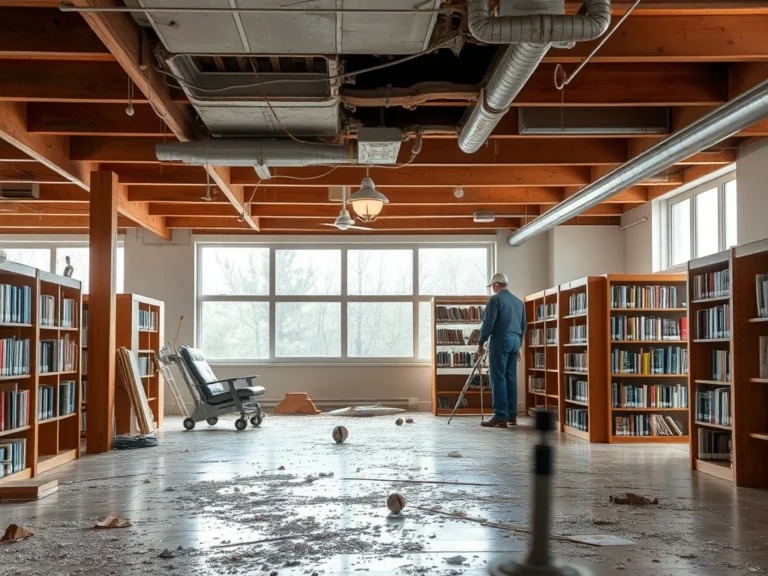
Mold Structural Damage Restoration in Lucas, TX
- Over 150 5-Star Reviews
- Free Estimates and Quotes
- 100% Satisfaction Guaranteed
- Child, Family & Pet Safe Steps
- 24-Hour Emergency Service
- Fully Licensed & Insured

When Mold Eats Your Home’s Structure in Lucas, TX
Did you know that visible mold is often just the tip of the iceberg? Studies show that up to 70% of indoor mold problems start with hidden moisture, and structural damage can occur within 48 to 72 hours. If you’re in Lucas, TX, and suspect mold has gone beyond the surface, it’s critical to understand what you’re up against. We’re talking about damage that affects your home’s very foundation and integrity, not just a cosmetic issue.
Homeowners around here trust our team because we tackle these deep-rooted problems with precision. With over 165 five-star reviews, you can see why people rely on us for serious mold issues. We get it right the first time, preventing secondary damage and ensuring your home is safe again. It’s about restoring your property’s health and value.
- We specialize in identifying and remediating mold that has compromised your home’s structural components, like wood framing, drywall, and subflooring.
- Our process includes thorough structural drying and containment to prevent further mold spread into unaffected areas of your property.
- We work directly with your insurance provider to document the structural damage and navigate the claims process, often easing your financial burden.
How Mold Structural Damage Restoration Actually Works
When mold has started to damage the structure of your home, a superficial cleanup just won’t cut it. You need a team that understands building science and can address the root cause of the moisture and the extent of the damage. Cutting corners here leads to recurring mold and potentially more costly repairs down the line. We follow a strict, proven process to ensure your home is truly restored and protected.
Initial Assessment and Containment
We begin with a detailed inspection to pinpoint the mold source and assess the structural damage. Using advanced moisture meters and thermal imaging, we locate hidden water intrusion. Then, we establish containment barriers using plastic sheeting and negative air pressure, preventing mold spores from spreading to other parts of your house. This crucial first step protects your family’s health and the rest of your property.
Structural Drying and Dehumidification
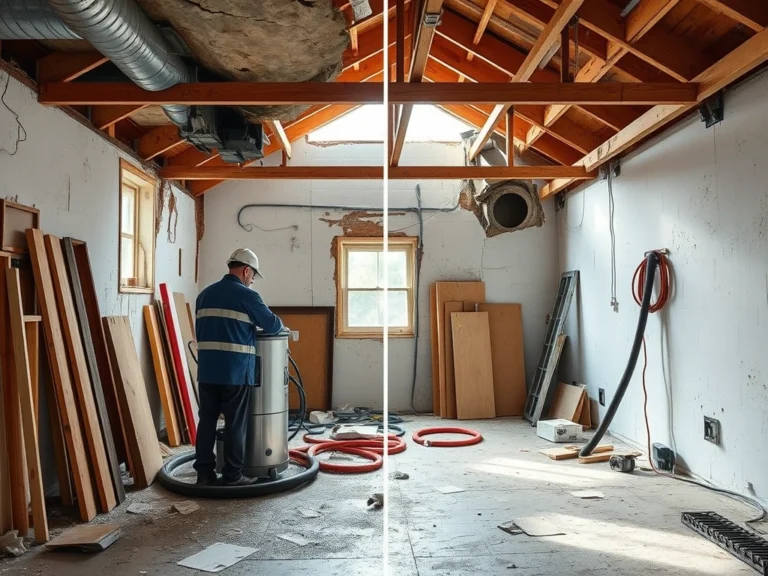
Once contained, our crews focus on drying out the affected structural materials. We utilize specialized drying equipment, including industrial-grade dehumidifiers and air movers, to remove excess moisture from wood, insulation, and other building components. This process can take several days, depending on the severity of the water damage and the materials involved. Proper drying is essential to prevent further rot.
Mold Remediation and Removal
After drying, we carefully remove any mold-affected materials that cannot be salvaged. This might involve cutting out sections of drywall, removing contaminated insulation, or treating wooden beams. We use EPA-approved cleaning agents and techniques to kill remaining mold and mildew. Safety protocols are paramount during this phase to protect our technicians and your family.
Structural Repair and Reconstruction
With the mold safely removed and the area dried, we begin the reconstruction phase. This involves replacing damaged structural elements like wood framing, subflooring, and drywall. Our goal is to restore your home to its pre-mold condition, ensuring structural integrity and safety. We pay close attention to detail to ensure a smooth transition back to normal.
Final Inspection and Prevention
Before we consider the job done, we conduct a thorough final inspection, often with third-party testing, to confirm the mold is gone and your home is structurally sound. We also discuss long-term prevention strategies, like improving ventilation or addressing potential water leak sources, to help you avoid future mold issues. We want to help you maintain a healthy home.
If you suspect mold is affecting your home’s structure, don’t delay. Contact us immediately for a professional assessment. We’ll document everything for your records and insurance company.
Warning Signs You Need Mold Structural Damage Restoration
Catching mold structural damage early is key to minimizing repair costs and health risks. Ignoring these signs can lead to much more extensive and expensive problems. Be vigilant about what’s happening inside your walls and under your floors.
Musty Odors That Won’t Go Away
A persistent, earthy or musty smell, especially in damp areas like basements or bathrooms, is a strong indicator of hidden mold growth. This odor often signifies mold feeding on building materials. It’s a clear signal something is wrong.
Visible Mold Growth on Surfaces
While surface mold is often treatable, if you see mold spreading on wood, drywall, or insulation, it means moisture has likely penetrated these materials. This indicates a potential structural issue. Don’t just wipe it away; investigate the cause.
Water Stains or Discoloration
Dark spots, rings, or peeling paint on walls, ceilings, or floors are signs of past or present water leaks. These damp areas are prime breeding grounds for mold. This points to compromised building materials.
Warped or Soft Building Materials
Wood that looks bowed, feels spongy, or is easily penetrated by a screwdriver suggests it has been weakened by moisture and mold. This is a serious sign of structural compromise. Your home’s framework could be at risk of failure.
Peeling or Bubbling Paint
Moisture trapped behind paint can cause it to blister, peel, or flake off walls and ceilings. This often occurs in conjunction with mold growth. It’s a visual cue that hidden moisture is present.
Increased Allergy or Asthma Symptoms
If you or your family members are experiencing unexplained headaches, respiratory issues, or allergy symptoms that worsen indoors, mold could be the culprit. Mold spores are potent allergens. This is a critical health warning sign.
Mold Structural Damage Restoration vs. DIY: When To Call a Professional
| Situation | DIY? | Call a Pro? | Why |
|---|---|---|---|
| Small, surface-level mold on a non-porous surface (like tile) with known, easily fixed moisture source. | Yes | No | Easily cleaned without structural risk. |
| Mold growth covering more than a 3×3 foot area. | No | Yes | Indicates widespread contamination and potential structural involvement. |
| Mold found inside walls, attics, or crawl spaces. | No | Yes | Requires specialized tools and containment to avoid spreading spores and damaging structure. |
| Musty odors persist after cleaning visible mold. | No | Yes | Suggests hidden mold within structural elements. |
| Mold is affecting wood framing, subflooring, or insulation. | Absolutely Not | Yes | These materials are porous and susceptible to deep structural damage. |
| You have respiratory issues or compromised immunity. | No | Yes | Minimizes your exposure to harmful mold spores. |
For any situation involving mold that has penetrated or is actively damaging your home’s structure, it’s always best to call professionals. DIY efforts can often make the problem worse or fail to address the underlying moisture source. Our team has the expertise and equipment to handle these complex issues safely and effectively.
Mold Structural Damage Restoration Cost In Lucas, TX
The cost of mold structural damage restoration in Lucas, TX, can vary significantly. Factors like the size of the affected area, the type of building materials involved, and the extent of the structural damage all play a role. These price ranges are general estimates for the local area; an on-site assessment is needed for an exact quote.
| Service Aspect | Typical Price Range | What Affects Cost |
|---|---|---|
| Mold Inspection & Assessment | $300 – $800 | Use of advanced equipment like thermal cameras and moisture meters. |
| Containment Setup | $500 – $1,500 | Size of the affected area and complexity of sealing off the space. |
| Structural Drying & Dehumidification | $1,000 – $4,000 | Duration needed to dry saturated structural materials and size of equipment used. |
| Mold Remediation (Removal of Damaged Materials) | $1,000 – $5,000+ | Amount and type of contaminated materials needing removal (e.g., drywall vs. treated wood). |
| Structural Repair & Reconstruction | $1,500 – $10,000+ | Extent of damage requiring replacement of framing, subflooring, insulation, or drywall. |
| Post-Remediation Testing | $300 – $700 | If independent air quality testing is required for verification. |
These figures represent the specialized nature of structural mold restoration. We provide free, detailed estimates after a thorough inspection. We’ll also help you understand how your homeowner’s insurance might cover these costs.
Service Areas Near Lucas, TX
Allen, Anna, Blue Ridge, Carrollton, Celina, Coppell, Dallas, Fairview, Farmers Branch, Fate, Frisco, Garland, Josephine, Lavon, Lowry Crossing, McKinney, Melissa, Murphy, Nevada, New Hope, North Richland Hills, Oak Ridge, Parker, Plano, Princeton, Richardson, Rockwall, Rowlett, Sachse, St. Paul, Terrell, The Colony, University Park, Wylie.
Common Questions About Mold Structural Damage Restoration
What is the difference between cosmetic mold and structural mold?
Cosmetic mold is typically found on the surface of non-porous materials and can often be cleaned with household products. Structural mold, however, has penetrated porous materials like wood, drywall, or insulation, causing degradation and weakening the building’s integrity. Addressing structural mold requires specialized techniques to remove contaminated materials and dry the affected areas thoroughly. Our team is trained to identify and remediate even the most stubborn structural mold issues.
How long does structural mold remediation take?
The timeline for structural mold remediation can vary greatly depending on the extent of the damage. A small, contained issue might take 3-5 days, while extensive damage could extend to several weeks. This includes assessment, containment, drying, removal, and reconstruction. We’ll provide a more accurate estimate after our initial inspection of your property in Lucas, TX.
Is mold structural damage covered by homeowner’s insurance?
Often, yes, especially if the mold growth resulted from a sudden, accidental water damage event like a burst pipe or severe storm damage. However, coverage can be denied if the mold resulted from long-term neglect or poor maintenance. We work closely with your insurance adjuster to document the damage and help you understand your policy. We’ll assist in gathering the necessary information for a smooth claims process.
What are the health risks associated with structural mold?
Structural mold can release spores into the air that cause various health problems, including allergic reactions, asthma attacks, respiratory infections, and other severe health issues. Individuals with weakened immune systems, children, and the elderly are particularly vulnerable. Identifying and removing structural mold is crucial for maintaining a healthy indoor environment. We prioritize safety during every step of our remediation process.
Can I prevent mold from damaging my home’s structure in the future?
Yes, prevention is key. Regularly inspect for leaks around plumbing, roofs, and windows. Ensure proper ventilation in bathrooms and kitchens. Control indoor humidity levels, especially in humid climates around Lucas, TX. Addressing any water intrusion promptly is the most effective preventative measure. We can also offer advice on maintaining a mold-free environment after restoration.
Check Our Other Relevant Services
Serving Lucas, TX And Nearby Areas