Trusted by 150+ Homeowners
Post-Remediation Clearance Testing in Highland Park, TX
- Over 150 5-Star Reviews
- Free Estimates and Quotes
- 100% Satisfaction Guaranteed
- Child, Family & Pet Safe Steps
- 24-Hour Emergency Service
- Fully Licensed & Insured
Ensuring Your Highland Park, TX Home Is Truly Safe After Remediation
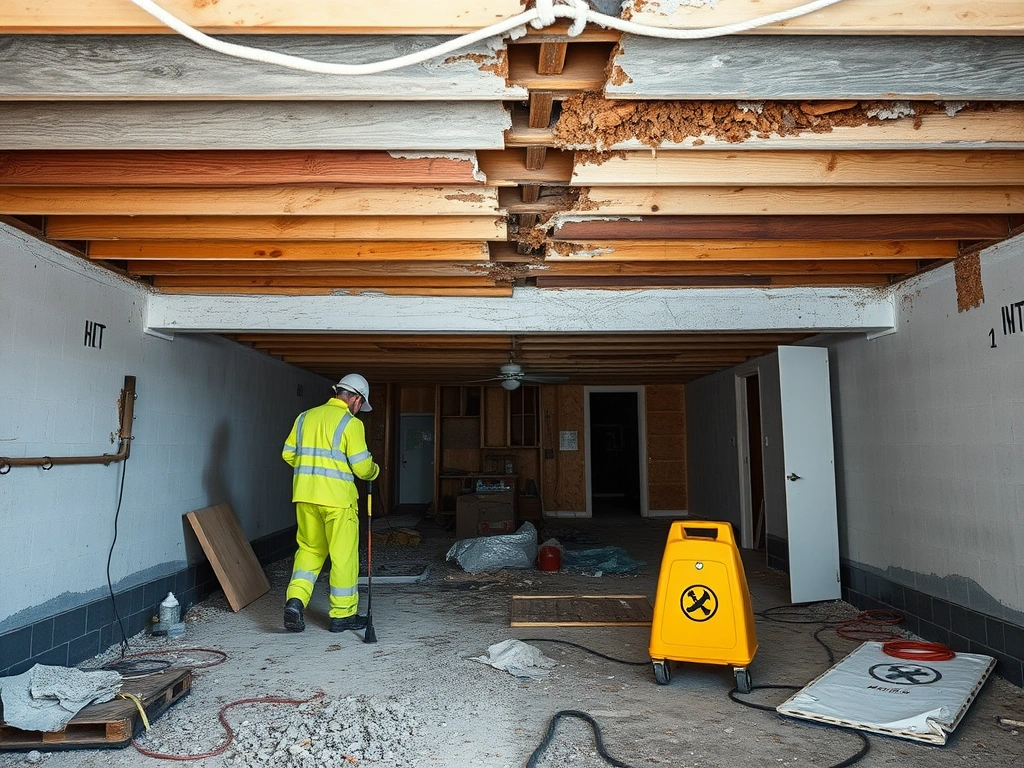
You just finished a tough remediation job in your Highland Park, TX home. Maybe it was mold, maybe it was a water issue. The visible signs are gone, the contractors packed up their equipment, and you’re breathing a sigh of relief. But then, a faint musty smell lingers, or you notice a patch of what looks like dust that just won’t quit. You wonder, “Is it *really* gone? Is my family breathing clean air?” That nagging uncertainty is exactly why you need a professional Post-Remediation Clearance Test. It’s the crucial final step to confirm your property is healthy again.
With over 165 five-star reviews from your neighbors, our team is the trusted local choice for this essential service. Homeowners around here rely on our meticulous approach to confirm their homes are free from residual contaminants. We understand you want absolute certainty after investing time and money into remediation. Getting it right means verifying the air quality and confirming surface cleanliness.
- Confirming the absence of airborne contaminants provides tangible proof that the remediation efforts were successful, giving you definitive data about your indoor environment.
- Our specialized equipment goes beyond what you can see, detecting microscopic particles and residual moisture that could lead to future problems if left unaddressed.
- Achieving clearance certification means you can move forward with confidence, knowing your home is a safe and healthy space for your family.
The Science Behind True Clearance: How We Confirm Safety
Post-Remediation Clearance Testing isn’t just a final walkthrough; it’s a scientific process designed to detect any remaining issues that remediation might have missed. Cutting corners here can lead to recurring problems, costly re-remediation, and potential health concerns. Our crews follow strict, science-backed protocols to ensure your property meets stringent air and surface quality standards. We utilize advanced diagnostic tools to measure environmental conditions and document the findings precisely.
Initial Air Sampling
We begin by collecting air samples from various areas within your property, particularly in and around the previously affected zones. This involves using specialized pumps and collection media to capture airborne particles. The samples are then sent to an accredited laboratory for analysis, which identifies and quantifies any residual mold spores or other contaminants. This step is critical for detecting invisible threats.
Surface Sampling
To complement air sampling, we often perform surface swabs or tape lifts. These samples are also analyzed by the lab to check for the presence of microbial growth or other contaminants on surfaces like walls, carpets, and furniture. This helps us ensure thorough cleaning and verify that no spores have settled on surfaces. We’re checking for residual contamination evidence.
Moisture Meter Readings
Even after visible water is gone, hidden moisture can remain within building materials, creating a breeding ground for mold. Our technicians use advanced moisture meters to take readings throughout your property. These devices help us identify hidden moisture pockets and confirm that drying processes were effective. This prevents future moisture damage.
Visual Inspection Protocols
While not as technical as sampling, a rigorous visual inspection is still vital. Our trained eyes look for any signs of remaining contamination, disturbed materials, or inadequate cleaning that might have been overlooked. We follow a detailed checklist for verification. This ensures complete remediation success.
Don’t guess if your home is truly clean. Call us today to schedule your Post-Remediation Clearance Test and get the definitive answers you need for your family’s health. We’ll provide clear, actionable results.
Warning Signs You Need Post-Remediation Clearance Testing
Sometimes, even after remediation, subtle signs can indicate that further testing is necessary. Ignoring these could mean the problem isn’t truly gone. Catching these early saves you money and prevents bigger headaches down the road. You want to be absolutely sure the job is done right, and these signs are your cue to get professional confirmation.
Musty Odors That Won’t Go Away
A persistent musty or earthy smell, especially in specific rooms or areas, is a strong indicator of residual mold growth or moisture issues. Even if you can’t see anything, the smell means something is still there. You need to confirm the source of odors.
Visible Signs of Previous Damage Reappearing
If you notice water stains reappearing on walls or ceilings, or if previously treated surfaces look compromised again, it suggests the underlying issue wasn’t fully resolved. This points to unaddressed moisture intrusion. It’s a clear sign to re-evaluate the situation.
Lingering Allergies or Respiratory Symptoms
If you or your family members are experiencing increased allergy symptoms, sneezing, coughing, or difficulty breathing after remediation, it could be due to airborne contaminants. Your health is the top priority, so addressing health concerns is crucial. This often means testing the air quality.
Unexplained Dampness or Condensation
Feeling dampness in the air, or seeing condensation on windows or pipes where it didn’t used to be, signals that humidity levels might still be too high or there’s hidden moisture. This creates an environment for new microbial growth. You need to measure indoor humidity.
Dust or Debris That Seems Unusual
While some dust is normal, if you notice excessive or unusual-looking dust settling quickly, especially in areas that were remediated, it could be related to disturbed materials or residual particles. This isn’t just normal household dust. It requires expert particle analysis.
A Sense of Unease About the Air Quality
Sometimes, it’s just a gut feeling. If you still feel uneasy about the air you’re breathing in your home, it’s worth getting professional validation. Trust your instincts and seek professional assessment. It’s better to be safe than sorry.
Post-Remediation Clearance Testing vs. DIY: When To Call a Professional
| Situation | DIY? | Call a Pro? | Why |
|---|---|---|---|
| Checking for visible mold growth | Yes, if it’s a small, easily accessible spot. | Yes, if it’s widespread or hidden. | Pros can identify hidden mold and assess its true extent. |
| Taking basic humidity readings | Yes, with a simple hygrometer. | Yes, if readings are consistently high or fluctuate wildly. | Professionals use calibrated equipment for accurate, detailed environmental data. |
| Wiping down surfaces | Yes, for general cleaning. | Yes, after significant contamination events. | Pro surface sampling confirms the absence of microscopic contaminants. |
| Smelling for musty odors | Yes, as an initial indicator. | Yes, if odors persist after remediation. | Odors can indicate hidden issues that visual inspection misses. |
| Interpreting lab reports for air samples | No. | Yes, always. | Lab reports are technical; professionals understand what the numbers mean for your safety. |
| Getting official clearance certification | No. | Yes, absolutely. | Only certified professionals can perform and issue official clearance tests. |
While some basic checks can be done yourself, relying solely on DIY methods for Post-Remediation Clearance Testing is risky. Professional testing provides scientific data and official certification that your home is safe. You need certified validation for true assurance of a healthy environment.
Post-Remediation Clearance Testing Cost In Highland Park, TX
The cost for Post-Remediation Clearance Testing in Highland Park, TX can vary, but investing in this service is crucial for your home’s health. Factors like the size of your property, the extent of the original remediation, and the specific testing methods required all influence the final price. These figures are estimates for the area.
| Service Aspect | Typical Price Range | What Affects Cost |
|---|---|---|
| Initial Consultation & Visual Inspection | $250 – $750 | Property size and complexity of the area inspected. |
| Air Sampling (per sample, plus lab fees) | $150 – $400 per sample | Number of samples required based on affected areas. |
| Surface Sampling (swabs/tape lifts) | $100 – $300 per sample | Number of surface samples taken for analysis. |
| Moisture Meter Readings & Report | $300 – $800 | Scope of the property requiring detailed moisture assessment. |
| Lab Analysis Fees | $50 – $150 per sample | Type of analysis performed by the accredited laboratory. |
| Post-Remediation Clearance Report | $400 – $1,200 | Detailed report generation and interpretation, including certification. |
These are general estimates, and the exact cost depends on your unique situation. We offer free, no-obligation estimates to give you a precise understanding of the investment. Call us today for a thorough assessment and accurate pricing.
Service Areas Near Highland Park, TX
University Park, Dallas, Richardson, Plano, Frisco, Carrollton, Addison, Garland, Irving, Mesquite, Rowlett, Rockwall, Allen, McKinney, Sachse, Wylie, Coppell, Lewisville, Flower Mound, Grapevine.
Common Questions About Post-Remediation Clearance Testing
How long does Post-Remediation Clearance Testing take?
The actual testing process on-site typically takes a few hours, depending on the size of your property and the number of samples we need to collect. Once samples are collected, lab analysis can take 1-3 business days. We work to get you results as quickly as possible. Our team prioritizes efficient testing procedures.
Will my insurance cover Post-Remediation Clearance Testing?
Coverage varies greatly depending on your specific insurance policy and the nature of the original claim. Some policies may cover clearance testing as a final step if it was part of the initial remediation process. We recommend reviewing your policy details and can provide documentation to support your claim. We aim to simplify the claims process.
What are the health risks if clearance testing fails?
If clearance testing fails, it means residual contaminants are still present, which can pose health risks like allergies, respiratory issues, and other sensitivities. It indicates that further remediation or cleaning is necessary to ensure a safe environment. We focus on preventing long-term health effects. Your family’s well-being is our priority.
What kind of equipment do you use for clearance testing?
We use professional-grade equipment, including air sampling pumps with specialized collection media, high-precision moisture meters, thermal imaging cameras for detecting hidden moisture, and various surface sampling tools like swabs and tape lifts. This advanced technology allows us to gather accurate data. We rely on proven diagnostic tools.
Can I just wait and see if problems develop after remediation?
Waiting to see if problems develop is a risky approach that can lead to more extensive damage and higher costs later on. Post-remediation clearance testing provides definitive proof that the job is done correctly. It’s much more effective to confirm cleanliness proactively. This avoids costly future repairs.
Check Our Other Relevant Services
- Hospital Healthcare Facility Decontamination in Highland Park, TX
- Gym Damage Restoration in Highland Park, TX
Serving Highland Park, TX And Nearby Areas