
Trusted by 150+ Homeowners
Post-Remediation Clearance Testing in Waxahachie, TX
- Over 150 5-Star Reviews
- Free Estimates and Quotes
- 100% Satisfaction Guaranteed
- Child, Family & Pet Safe Steps
- 24-Hour Emergency Service
- Fully Licensed & Insured
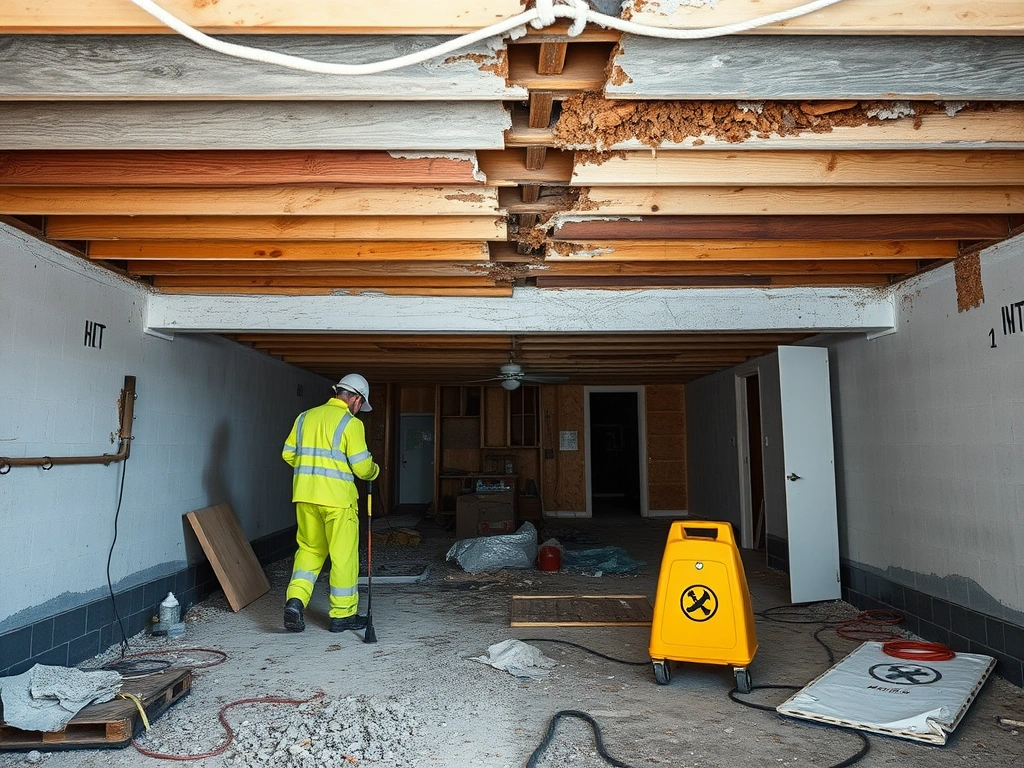
Ensuring Your Property is Truly Safe: Post-Remediation Clearance Testing in Waxahachie, TX
We’ve been helping homeowners in Waxahachie, TX, and the surrounding areas get back into their homes safely after a significant remediation project. Whether it was a tough mold situation in an older home near downtown or water damage affecting a newer build out towards the edge of town, we know what it takes to confirm your property is truly clean. It’s not just about removing visible signs of a problem; it’s about verifying the air and surfaces are free from lingering contaminants. You need absolute certainty before you unpack those boxes or let your kids play on the floor again. We provide that essential verification.
It’s why over 165 five-star reviews from your neighbors talk about our commitment to accuracy and thoroughness. When you’re dealing with the aftermath of a major cleanup, you want a team that understands the science behind it. You’re not just looking for a company; you’re looking for a partner who gets the job done right the first time. We’ve earned our reputation by delivering reliable clearance testing that gives you the confidence you need to move forward.
- We use specialized equipment to measure microscopic particles in the air and on surfaces, providing objective data that goes beyond what the eye can see.
- Our detailed reports clearly outline the results, giving you a factual basis for your insurance claims and your own peace of mind.
- We understand the stress of remediation and work to make the clearance testing process as straightforward and efficient as possible for you.
How This Service Actually Works
The process of confirming a successful remediation is critical. It’s the final step that proves the job is complete and your home is healthy again. Cutting corners here can lead to recurring issues and potential health concerns down the road. We follow a strict protocol, using advanced techniques and equipment to ensure no detail is overlooked. You’ve been through enough; we’re here to make sure this part is handled with precision and care, leaving you with documented proof of a clean environment.
Initial Site Assessment
Before any testing begins, our certified technicians will walk through your property. We’ll identify the specific areas that underwent remediation and discuss the scope of the work performed. This initial assessment helps us tailor our testing strategy to your unique situation, ensuring we capture the most relevant data about the air quality and surface conditions.
Air Sample Collection
This is where the science really comes in. We use specialized air pumps and collection devices to draw air from different areas of your home into laboratory-grade cassettes. These samples are then sent to an accredited laboratory for analysis. This step is crucial for detecting airborne particles that may have been left behind by the remediation process, giving us a clear picture of indoor air quality.
Surface Swab and Tape Lift Samples
Airborne particles eventually settle. To account for this, we collect surface samples using sterile swabs and tape lifts from various materials like carpets, upholstery, and hard surfaces. These samples are also analyzed by the lab to confirm the absence of residual contaminants. This dual approach ensures we’re checking both the air you breathe and the surfaces you touch, providing a truly comprehensive evaluation.
Laboratory Analysis and Reporting
Once collected, your samples are meticulously analyzed by an independent, accredited laboratory. They provide us with a detailed report that compares the levels of specific contaminants found in your home to established safety standards. We then translate this scientific data into a clear, easy-to-understand report for you. You’ll receive actionable insights and the assurance of scientific validation.
Clearance Approval
Based on the laboratory results, we’ll issue a formal clearance letter. This document confirms that your property has met the necessary standards and is considered safe for reoccupation. This is the final confirmation you need, signifying the successful completion of the remediation project and providing you with the documentation for your records and any insurance needs.
Don’t guess about your home’s safety after remediation. Get the definitive answer you deserve. Contact us today to schedule your post-remediation clearance testing and move forward with confidence.
Warning Signs You Need Post-Remediation Clearance Testing
Even after remediation work, subtle issues can sometimes linger. Recognizing these warning signs early is key to ensuring the job was truly done right and preventing potential problems. Ignoring them can lead to unnecessary stress and expense later on. We help you identify these subtle indicators so you can get the necessary confirmation.
Persistent Musty Odors
If you still detect a musty or damp smell, even after remediation efforts, it could indicate hidden moisture or residual contamination. This persistent odor is a strong signal that further investigation, including clearance testing, is needed to ensure the problem is fully resolved.
Lingering Allergies or Respiratory Issues
Experiencing new or worsening allergy symptoms, headaches, or respiratory irritation after remediation? These could be signs that airborne contaminants are still present in your home. Your health is paramount, and these symptoms warrant prompt clearance testing.
Visible Signs of Mold or Water Damage Still Present
If there are any visible remnants of mold growth, water stains, or damaged materials that were supposed to be removed, it’s a clear sign the remediation was incomplete. This visual evidence necessitates immediate follow-up with professional clearance testing.
High Humidity Levels Indoors
Unusually high humidity, especially if it seems to be creeping back into areas that were recently treated, can be a precursor to new mold growth or indicate ongoing moisture issues. Monitoring humidity is a good practice, and elevated levels are a red flag for testing.
Concerns About HVAC System Contamination
If your HVAC system was affected by the original issue, or if you suspect it may have spread contaminants, it’s vital to test the air circulating through it. Ensuring your ventilation system is clean is a critical part of confirming a healthy indoor environment.
Post-Remediation Clearance Testing vs. DIY: When To Call a Professional
| Situation | DIY? | Call a Pro? | Why |
|---|---|---|---|
| Verifying mold removal in a small, isolated area like a single bathroom vanity. | Yes, with caution. | No, unless you have specific concerns. | For minor, contained issues, visual inspection and basic air freshening might suffice. |
| Confirming the absence of airborne mold spores after a significant flood event affecting multiple rooms. | No. | Yes, absolutely. | Floodwater often carries multiple contaminants, requiring specialized testing for safety. |
| Checking for residual dust or allergens after minor drywall repair. | Yes. | No. | Visual cleaning and dusting are usually sufficient for non-biological contaminants. |
| Ensuring a property is safe for children or individuals with compromised immune systems after extensive water damage. | No. | Yes, definitely. | Vulnerable individuals require the highest level of assurance that the environment is contaminant-free. |
| Getting an official report for insurance documentation after a major fire and smoke damage cleanup. | No. | Yes, critical. | Insurance companies require certified reports from accredited professionals for claim validation. |
| Checking if a recently treated area for pet odor is truly neutralized. | Yes, with caution. | No, unless persistent odor remains. | Home odor detection can be subjective; professional testing is for biological or chemical hazards. |
While some minor situations might seem manageable with DIY checks, professional Post-Remediation Clearance Testing is invaluable when dealing with significant contamination, insurance requirements, or the health of vulnerable occupants. Relying on our certified technicians ensures you get accurate, defensible results and the confidence you need.
Post-Remediation Clearance Testing Cost In Waxahachie, TX
The cost for Post-Remediation Clearance Testing in Waxahachie, TX, can vary depending on the size of your property, the extent of the original contamination, and the number of samples required. These estimates provide a general idea of what you might expect. We aim for transparent pricing and a clear understanding of your investment.
| Service | Typical Price Range | What Affects Cost |
|---|---|---|
| Initial Site Assessment and Consultation | $150 – $300 | Complexity of the remediation, number of affected areas. |
| Air Sampling (per sample) | $100 – $200 | Number of samples needed to cover the property adequately. |
| Surface Sampling (per sample) | $75 – $150 | Types of surfaces and the number of distinct areas to test. |
| Laboratory Analysis Fees | $200 – $500+ | Number of samples and the specific types of analyses requested. |
| Detailed Clearance Report Generation | $150 – $300 | Complexity of the findings and the level of detail required. |
| Full Property Clearance Testing Package | $700 – $2,500+ | Combines assessment, multiple air/surface samples, lab fees, and report. |
These figures are estimates, and the actual cost will be determined after an on-site assessment. We offer free, no-obligation estimates so you know exactly what to expect before we begin.
Service Areas Near Waxahachie, TX
Ovilla, Red Oak, Ennis, Palmer, Italy, Maypearl, Bardwell, Alma, Milford, Forreston, Rockett, Ferris, Lancaster, Cedar Hill, DeSoto, Duncanville, Midlothian, Grandview, Itasca, Waxahachie.
Common Questions About Post-Remediation Clearance Testing
How long does Post-Remediation Clearance Testing take?
The actual on-site testing process typically takes a few hours, depending on the size of your property and the number of samples needed. However, the laboratory analysis can take 24 to 72 hours. We work diligently to get your results back as quickly as possible, providing you with the necessary confirmation to move forward.
Will my insurance cover Post-Remediation Clearance Testing?
In many cases, yes. If the testing is a direct result of a covered insurance claim, your policy may cover the costs. It’s always best to check with your insurance provider directly. We can provide the detailed documentation you’ll need to submit for reimbursement.
What happens if the clearance test fails?
If a clearance test indicates that the property is not yet safe, it means further remediation work is needed. We’ll discuss the lab results with you and work with your remediation team to identify what needs to be addressed. Additional testing will be required after the follow-up work to confirm the environment is safe, ensuring we achieve complete remediation success.
What kind of equipment do you use for testing?
Our technicians use professional-grade air sampling pumps, specialized collection media (like cassettes and swabs), and calibrated moisture meters. We also utilize high-resolution cameras for documentation. This equipment allows us to collect accurate, reliable samples that are analyzed by accredited laboratories, giving you objective data.
Can I just do a visual inspection myself after mold remediation?
A visual inspection is a good starting point, but it’s not enough for true clearance. Mold spores are microscopic and can remain airborne or hidden on surfaces long after visible signs are gone. Professional clearance testing uses scientific methods to detect these unseen contaminants, providing the definitive safety assurance that a visual check cannot.
Check Our Other Relevant Services
Serving Waxahachie, TX And Nearby Areas



