Trusted by 150+ Homeowners
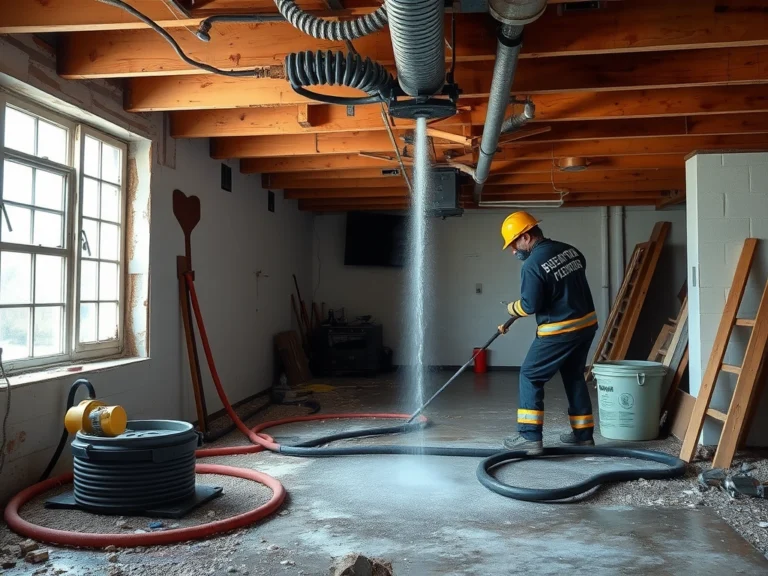
Structural Drying & Dehumidification in Bedford, TX
- Over 150 5-Star Reviews
- Free Estimates and Quotes
- 100% Satisfaction Guaranteed
- Child, Family & Pet Safe Steps
- 24-Hour Emergency Service
- Fully Licensed & Insured

When Water Lingers: Expert Structural Drying & Dehumidification in Bedford, TX
If you’ve experienced a leak or flood, the most critical step after the initial water removal is getting the structure itself completely dry. Ignoring dampness can lead to hidden mold growth and serious structural damage that you can’t see. We understand that dealing with water issues is incredibly stressful, and it’s easy to feel overwhelmed by what to do next. That’s why our team is here to provide clear, effective structural drying services right here in Bedford, TX, helping you avoid those costly secondary problems.
Homeowners around here consistently choose us when they need reliable structural drying and dehumidification because we focus on getting it right the first time. With over 165 five-star reviews from satisfied neighbors, you can feel confident that our crews understand the urgency and the science behind properly drying your property. We’ve helped countless families in your neighborhood recover from water damage, ensuring their homes are safe and healthy again.
- We deploy specialized equipment designed to pull moisture from deep within building materials, not just from the air.
- Our rapid response means we can often prevent significant structural compromise and mold development, saving you money and hassle.
- We provide detailed moisture monitoring throughout the drying process, giving you a clear picture of progress and confirming when your property is truly dry.
How We Tackle Structural Drying & Dehumidification
The process of drying a home or business after water damage is far more complex than simply running a few fans. It requires a systematic approach, specialized knowledge, and powerful equipment to ensure all hidden moisture is removed. When corners are cut, or the wrong methods are used, you’re left vulnerable to ongoing issues like warped wood, peeling paint, and unhealthy air quality. Our team follows a proven, scientific method to restore your property’s dryness, working efficiently to minimize disruption to your life.
1. Initial Assessment and Water Extraction
The first step is always a thorough inspection to identify the source of the water and remove as much standing water as possible. We use advanced moisture meters to pinpoint exactly where water has saturated materials like drywall, insulation, and wood framing. This initial assessment is crucial for creating an effective drying plan and understanding the scope of the problem.
2. Setting Up Advanced Drying Equipment
Once the bulk of the water is gone, we bring in our specialized equipment. This includes industrial-grade air movers that create airflow to speed up evaporation and powerful dehumidifiers designed to extract large amounts of moisture from the air and building materials. We strategically place these units to target affected areas, creating an optimal drying environment.
3. Controlled Evaporation and Moisture Removal
This is where the real drying happens. Our equipment works continuously to lower the humidity levels within your property. The air movers help evaporate moisture from surfaces and materials, and the dehumidifiers capture that moisture, effectively drying out the structure. We’re talking about specialized LGR (Low Grain Refrigerant) dehumidifiers that can extract significantly more water than standard units.
4. Continuous Monitoring and Adjustment
Drying isn’t a set-it-and-forget-it process. Our certified technicians will visit your property regularly to monitor moisture levels using advanced tools. We’ll track the progress in wall cavities, subfloors, and other hidden areas. Based on these readings, we’ll adjust the placement and settings of our equipment to ensure efficient and complete drying, often taking multiple days.
5. Verification and Final Inspection
Before we remove our equipment, we conduct a final, comprehensive moisture reading to confirm that all affected materials have returned to their normal moisture content. This verification step is vital. It ensures that your property is truly dry, preventing future problems like mold or structural degradation. You’ll know your home is safe and ready for any necessary repairs.
Don’t let lingering moisture cause more damage. Contact us immediately if you suspect water has penetrated your home’s structure. We’re ready to respond quickly and begin the drying process to protect your property.
Warning Signs You Need Structural Drying & Dehumidification
Catching the signs of hidden moisture early is key to preventing more significant and expensive damage. Water can seep into places you can’t see, and these subtle indicators are your first alert. Ignoring them can lead to serious structural issues and unhealthy living conditions down the line.
Musty Odors That Won’t Go Away
A persistent, musty smell, especially in basements, crawl spaces, or after a leak, is a strong indicator of trapped moisture and potential mold growth. This smell often means mold is actively developing and needs professional attention.
Discolored Walls or Ceilings
Water stains, peeling paint, or wallpaper that’s bubbling or separating from the wall are clear visual cues that water has saturated the materials behind them. These are not just cosmetic issues; they signal deeper moisture problems.
Warped or Buckling Floors
If your hardwood floors are cupping, buckling, or feel soft, it means moisture has gotten underneath them. This can happen from spills, leaks, or high humidity, and it’s a sign that the subfloor may be compromised.
Damp or Wet Spots on Surfaces
Any unexpected dampness on walls, floors, or even furniture, especially if it doesn’t dry quickly, indicates that water is present and likely trapped within the structure. This is a direct sign of water intrusion.
Condensation on Windows or Pipes
Excessive condensation can be a sign of high indoor humidity, which often results from inadequate drying after a water event. It can also indicate that your HVAC system isn’t properly managing moisture, potentially leading to mold-friendly conditions.
Soft or Spongy Drywall
If you notice sections of your drywall feeling soft, spongy, or yielding to pressure, it means the material has absorbed water and is likely beginning to degrade. This often requires drywall replacement after proper drying.
Structural Drying & Dehumidification vs. DIY: When To Call a Professional
| Situation | DIY? | Call a Pro? | Why |
|---|---|---|---|
| Small, contained spill on a hard surface (e.g., kitchen tile) | Yes | No | Easy to clean up and dry with fans and towels. |
| Water seeping into carpet and padding from a minor leak | Maybe (small area) | Yes (larger areas or prolonged exposure) | Carpet can hold significant moisture, leading to mold if not dried thoroughly. |
| Water soaking into drywall or insulation | No | Yes | These materials absorb water quickly and require specialized drying techniques to prevent mold and structural damage. |
| Water intrusion in a basement or crawl space | No | Yes | These areas are prone to retaining moisture and often require industrial-grade equipment for complete drying. |
| Visible mold growth after water damage | No | Yes | Mold remediation requires specific safety protocols and professional equipment. |
| Any situation where water has been present for more than 24-48 hours | No | Yes | The risk of mold and structural damage increases significantly with time. |
For anything beyond a minor surface spill, calling a professional for structural drying and dehumidification is almost always the best choice. Attempting to dry saturated building materials yourself can lead to long-term hidden damage and health concerns that are far more expensive to fix later.
Structural Drying & Dehumidification Cost In Bedford, TX
The cost for structural drying and dehumidification services in Bedford, TX, can vary widely depending on the extent of the water damage, the size of the affected area, and the specific materials that have been saturated. These price ranges are estimates to give you an idea of what to expect.
| Service Aspect | Typical Price Range | What Affects Cost |
|---|---|---|
| Initial Inspection & Moisture Assessment | $200 – $600 | Complexity of the damage, number of areas to check. |
| Air Mover Rental (per unit, per day) | $30 – $75 | Number of units needed, duration of rental. |
| Dehumidifier Rental (per unit, per day) | $50 – $150 | Type of dehumidifier (e.g., LGR), number of units needed. |
| Structural Drying Project (Small Area) | $750 – $2,500 | Duration of drying, amount of equipment used, complexity of access. |
| Structural Drying Project (Medium Area) | $2,000 – $5,000 | Extent of saturation, number of rooms affected, specialized drying needs. |
| Structural Drying Project (Large Area/Whole House) | $4,000 – $10,000+ | Severe water intrusion, multi-story properties, long drying times required. |
It’s important to remember that these are general estimates. A thorough on-site assessment by our team is necessary to provide an accurate quote. We offer free estimates to help you understand the full scope and cost for your specific situation.
Service Areas Near Bedford, TX
Arlington, Bedford, Euless, Hurst, Grapevine, Colleyville, Southlake, Keller, Fort Worth, North Richland Hills, Richland Hills, Haltom City, Watauga, Saginaw, Roanoke, Trophy Club, Westlake, Irving, Dallas, Grand Prairie.
Common Questions About Structural Drying & Dehumidification
What is structural drying and why is it important?
Structural drying is the process of removing moisture from building materials like wood, drywall, and insulation after water damage. It’s crucial because trapped moisture can lead to mold growth, rot, and weakening of your home’s structure, which can be very expensive to repair. Our team uses specialized equipment to ensure your property is dried thoroughly and safely.
How long does structural drying usually take?
The drying time can vary significantly, typically ranging from three days to two weeks or longer, depending on the extent of the water damage, the type of materials affected, and ambient humidity. We use advanced monitoring tools to track progress and confirm when your property is completely dry, not just surface dry.
Will my homeowner’s insurance cover structural drying services?
In most cases, homeowner’s insurance policies will cover the cost of professional structural drying and dehumidification if the water damage is from a covered event, like a burst pipe or storm damage. We work with insurance companies regularly and can help you navigate the claims process, ensuring you get the necessary restoration services.
What kind of equipment do you use for drying?
We utilize a range of professional-grade equipment, including high-speed air movers to increase evaporation and powerful LGR (Low Grain Refrigerant) dehumidifiers to extract moisture from the air. We also use specialized drying equipment for subfloors and wall cavities. This advanced technology allows us to dry your property faster and more effectively than standard fans and dehumidifiers you might find at a rental store.
Can I prevent mold growth with DIY drying?
While you can manage minor surface moisture yourself, preventing mold growth in the structure often requires professional intervention. Our team’s ability to deeply penetrate materials and reduce humidity to very low levels is key to inhibiting mold development. We aim to dry your property to a level that makes mold growth highly unlikely.
Check Our Other Relevant Services
Serving Bedford, TX And Nearby Areas