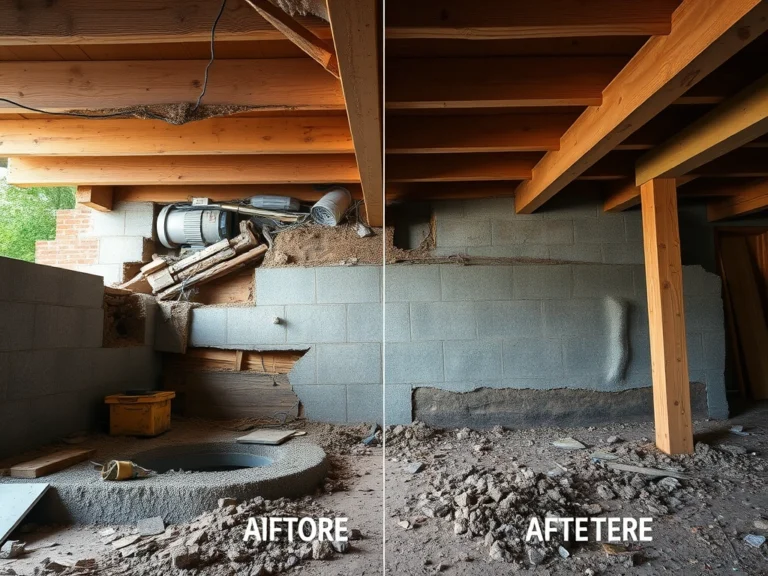
Trusted by 150+ Homeowners
Structural Drying & Dehumidification in Garland, TX
- Over 150 5-Star Reviews
- Free Estimates and Quotes
- 100% Satisfaction Guaranteed
- Child, Family & Pet Safe Steps
- 24-Hour Emergency Service
- Fully Licensed & Insured

Don’t Let Hidden Moisture Ruin Your Garland Home
Did you know that it can take up to 72 hours for mold to start growing after a water event? Many homeowners in Garland, TX, don’t realize the extent of damage water can cause until it’s too late. When pipes burst, roofs leak, or floods occur, the visible water is only part of the problem. Hidden moisture saturates building materials, creating an environment where rot, mold, and structural decay can take hold, often unseen for weeks or months. Addressing this invisible threat quickly is crucial to protecting your property’s integrity and your family’s health.
We’ve earned over 165 five-star reviews from neighbors right here in the area. Homeowners trust our team because we provide clear, practical explanations of what needs to be done and why. For Structural Drying & Dehumidification, people rely on us for our direct approach and proven results. We understand the unique challenges homeowners face after water damage, and we’re dedicated to getting your property back to normal.
- We use specialized equipment to extract moisture from deep within your walls, floors, and ceilings, preventing long-term damage that simple air-drying can’t fix.
- Our process helps prevent secondary issues like mold growth and structural weakening, saving you significant repair costs down the line.
- We work directly with your insurance company, providing detailed documentation to help streamline your claim and ensure you receive the coverage you’re entitled to.
How We Tackle Structural Drying & Dehumidification
A proper Structural Drying & Dehumidification process is more than just placing a fan and a dehumidifier. It requires precise assessment, strategic equipment placement, and continuous monitoring to ensure all moisture is removed efficiently and effectively. Cutting corners here can lead to persistent dampness, mold infestations, and compromised building materials, costing you much more in the long run. Our team follows a rigorous, science-based approach to guarantee your property is dried thoroughly.
Initial Water Extraction
Our first step is always to remove as much standing water as possible. We use powerful truck-mounted vacuums and submersible pumps to extract bulk water from carpets, floors, and visible areas. This initial water removal phase is critical for starting the drying process effectively and can take anywhere from a few hours to a full day, depending on the volume of water.
Structural Drying Equipment Setup
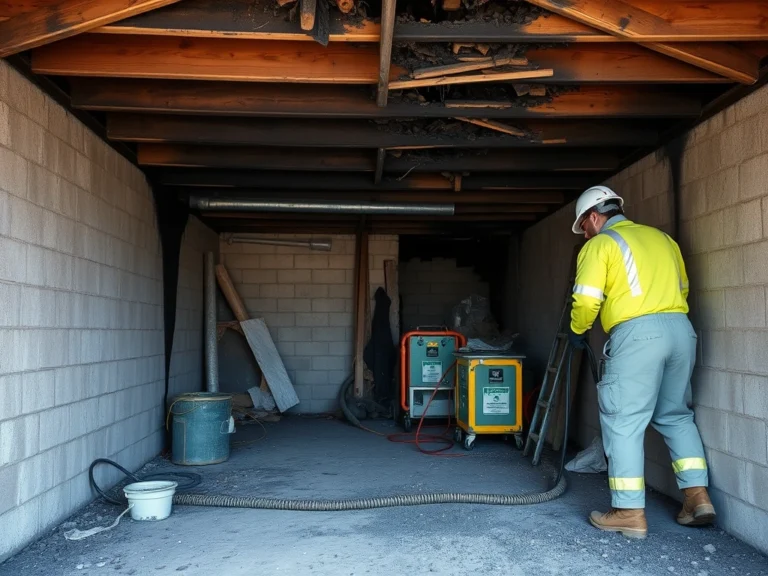
Once bulk water is gone, we deploy specialized drying equipment. This includes high-velocity air movers to increase evaporation rates and industrial-grade dehumidifiers to capture moisture from the air and building materials. We strategically place this equipment to target wet structural components, ensuring even drying throughout the affected zones. This phase can last several days, requiring constant monitoring.
Moisture Measurement and Monitoring
Throughout the drying process, our technicians use advanced moisture meters and thermal imaging cameras to track humidity levels and pinpoint hidden moisture. We meticulously document readings to ensure complete moisture removal from subfloors, wall cavities, and framing. This data-driven approach confirms when the structure is truly dry, typically taking 3 to 5 days, but sometimes longer for severe saturation.
Dehumidification Control
Industrial dehumidifiers are essential for lowering the ambient humidity in your home. These units collect gallons of water daily, significantly speeding up the drying of materials and the air. We manage their operation to create the optimal drying environment, removing water vapor before it can re-saturate materials. This controlled environment is key to preventing future problems.
Final Inspection and Handover
Before we consider the Structural Drying & Dehumidification complete, we conduct a thorough final inspection. We use our moisture meters one last time to verify that all materials have reached acceptable drying standards set by industry professionals. We’ll walk you through the results, explain the process, and answer any lingering questions you might have. This final verification step ensures your property is safe and ready for any necessary repairs.
Don’t wait for secondary damage to appear. Contact our team immediately if you suspect water has penetrated your home’s structure. We’re here to provide prompt and effective drying services.
Warning Signs You Need Structural Drying & Dehumidification
Ignoring the subtle signs of moisture intrusion can lead to costly repairs and health concerns. Early detection and intervention are key to preventing widespread damage. Our team helps homeowners in Garland, TX, identify these critical indicators so they can act before problems escalate.
Musty Odors That Won’t Go Away
A persistent, earthy or moldy smell is often the first sign that moisture is trapped within your walls or under your floors. This odor indicates that mold or mildew may already be growing, even if you can’t see it. Addressing these smells promptly can prevent significant mold remediation needs.
Visible Water Stains or Discoloration
Water marks on ceilings, walls, or around baseboards are a clear indicator of a leak. These discolored patches mean water has saturated the material and is likely continuing to spread. Investigating these stains is crucial to finding the source of the leak and stopping further damage.
Peeling or Bubbling Paint and Wallpaper
When moisture gets behind paint or wallpaper, it can cause the adhesive to fail, leading to bubbling or peeling surfaces. This is a sign that the underlying material is saturated and the integrity of your wall finish is compromised. Prompt drying can often save the existing finishes if addressed quickly.
Warped or Softened Flooring and Drywall
Flooring that feels soft or spongy underfoot, or drywall that appears to be bowing or softening, means water has penetrated deeply. These materials are absorbing moisture, which can lead to structural weakening and costly replacements. Don’t ignore these changes in your home’s materials.
Increased Humidity Levels Indoors
If your home feels unusually damp or sticky, even with air conditioning running, it could be a sign of uncontrolled moisture within the structure. High indoor humidity can also lead to condensation on windows and other surfaces. Monitoring your home’s humidity is an important part of maintaining a healthy environment.
New or Worsening Allergy Symptoms
A sudden increase in allergies, headaches, or respiratory issues within your household could be linked to hidden mold growth. Mold spores thrive in damp environments and can significantly impact indoor air quality. Protecting your family’s health starts with addressing potential mold sources.
Structural Drying & Dehumidification vs. DIY: When To Call a Professional
| Situation | DIY? | Call a Pro? | Why |
|---|---|---|---|
| Minor spill on a hard floor | Yes | No | Easily wiped up and air-dried. |
| Leaking pipe under sink, contained | Yes, with caution | No | Can manage with towels and fans if stopped quickly. |
| Saturated carpet from a small spill | Maybe | Yes | Difficult to dry completely without specialized equipment. |
| Water intrusion from roof leak into attic | No | Yes | Requires safe access and professional drying to prevent structural damage. |
| Flooded basement or crawl space | No | Yes | Bulk water extraction and deep structural drying are essential. |
| Suspected moisture in walls or subfloors | No | Yes | Hidden moisture requires specialized tools and expertise to locate and dry. |
For anything beyond a minor, surface-level spill, professional Structural Drying & Dehumidification is usually the safest and most effective route. Our team has the equipment and knowledge to ensure your property is dried correctly, preventing long-term issues.
Structural Drying & Dehumidification Cost In Garland, TX
The cost of Structural Drying & Dehumidification in Garland, TX, can vary significantly based on the extent of the water damage, the size of the affected areas, and the duration of drying required. These figures are general estimates and a precise quote will be provided after an on-site assessment. Proper drying is an investment in your home’s future.
| Service Aspect | Typical Price Range | What Affects Cost |
|---|---|---|
| Initial Water Extraction (Small Area) | $300 – $1,000 | Volume of water and accessibility. |
| Industrial Dehumidifier Rental (per unit, per day) | $50 – $150 | Type of dehumidifier and duration needed. |
| Air Mover Rental (per unit, per day) | $20 – $75 | Number of units and drying time. |
| Moisture Detection & Monitoring Service | $400 – $1,200 | Complexity of the structure and extent of moisture. |
| Structural Drying Project (Average Home) | $1,500 – $7,000+ | Severity, square footage, and time required. |
| Insurance Claim Assistance | Often covered by policy | Documentation complexity and adjuster coordination. |
We offer free estimates for Structural Drying & Dehumidification services. Our transparent pricing ensures you know exactly what to expect before we begin the work.
Service Areas Near Garland, TX:
Richardson, Plano, Dallas, Rowlett, Rockwall, Mesquite, Sunnyvale, Sachse, Wylie, Fate, Forney, Allen, Frisco, McKinney, Carrollton, Addison, University Park, Highland Park, Irving, Grand Prairie.
Common Questions About Structural Drying & Dehumidification
How long does structural drying typically take?
The timeline for structural drying can vary greatly. Minor saturation might take 1 to 3 days, while heavily saturated materials or hidden moisture in cavities could require 3 to 5 days or even longer. We use advanced moisture meters to monitor progress and won’t remove equipment until your property meets industry drying standards. Our goal is efficient, thorough drying without unnecessary delays.
Will my homeowner’s insurance cover structural drying costs?
In most cases, yes, homeowner’s insurance policies cover structural drying when the water damage is from a covered peril like a burst pipe or storm damage. Our team has extensive experience working with insurance companies in the area. We provide detailed documentation and reports to support your claim, making the process smoother for you. We help ensure you get the coverage you deserve.
What are the health risks of not drying water damage properly?
The primary health risk is mold and mildew growth, which can start within 24-48 hours in damp conditions. Mold spores can cause respiratory problems, allergic reactions, and other health issues, especially for sensitive individuals. Inadequate drying also compromises building materials, potentially leading to structural instability and creating environments for bacteria. Prioritizing proper drying is crucial for a healthy home.
What kind of equipment do you use for structural drying?
We utilize a range of specialized equipment, including high-speed air movers to accelerate evaporation, powerful industrial dehumidifiers to remove moisture from the air, and air scrubbers to improve air quality. For detecting hidden moisture, we use non-penetrating moisture meters, penetrating meters, and infrared cameras. This advanced technology allows us to target drying efforts precisely and efficiently.
Can I just use my home’s HVAC system to dry things out?
While your HVAC system can help with general air circulation, it’s not designed for the intense drying required after significant water damage. It can’t remove the sheer volume of moisture needed to dry saturated structural components like subfloors or wall cavities. Using specialized equipment is essential for preventing long-term damage and mold growth, ensuring your home is truly dry. Relying on professional drying services is key.
Check Our Other Relevant Services
Serving Garland, TX And Nearby Areas