Trusted by 150+ Homeowners
Structural Drying & Dehumidification in Midlothian, TX
- Over 150 5-Star Reviews
- Free Estimates and Quotes
- 100% Satisfaction Guaranteed
- Child, Family & Pet Safe Steps
- 24-Hour Emergency Service
- Fully Licensed & Insured

Stop Moisture in Its Tracks: Structural Drying & Dehumidification in Midlothian, TX
You walk into your bathroom, and there it is—a dark, spreading stain on the ceiling. Or maybe you notice the baseboards in your living room are starting to warp, and a faint, unpleasant smell hangs in the air. This isn’t just a cosmetic issue. It’s a sign of hidden water damage that could be compromising your home’s structure. Ignoring it means risking mold growth and structural rot. You need to act quickly to address what’s happening right here in Midlothian, TX.
Homeowners around the area trust our team because we deliver proven drying results. We’ve helped over 165 families restore their homes after water intrusions, and our focus on structural drying means we get to the root of the problem. You’ll see why so many in your neighborhood rely on our rapid response and technical expertise when moisture becomes a serious threat.
- We use advanced moisture meters and thermal imaging to pinpoint exactly where water is hiding, ensuring a complete moisture removal.
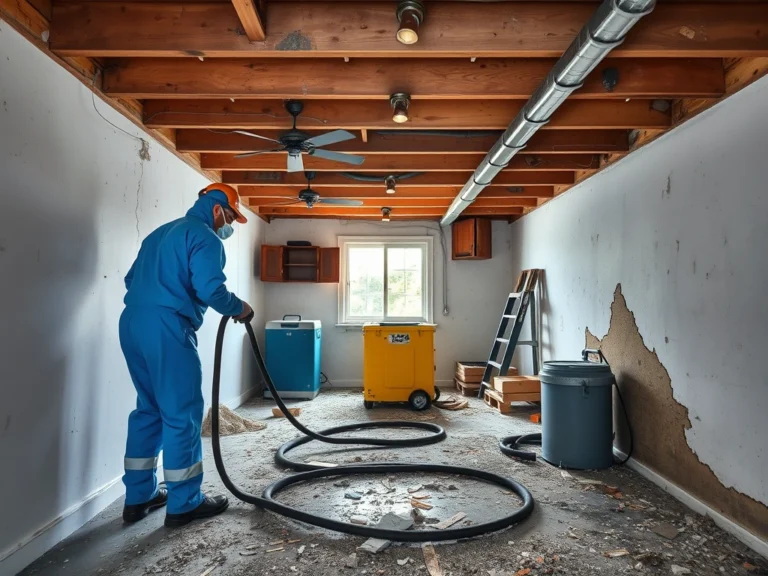
- Our specialized dehumidifiers and air movers create controlled environments to dry your building materials safely and efficiently, preventing long-term structural compromise.
- We establish containment barriers to keep affected areas isolated, stopping moisture and potential contaminants from spreading to other parts of your property.
How Structural Drying & Dehumidification Actually Works
Getting your home dry isn’t just about mopping up standing water. It’s a precise scientific process that requires specialized equipment and knowledge. When water infiltrates your walls, floors, or ceilings, it doesn’t just sit on the surface; it gets absorbed deep into materials. Simply airing out a room won’t remove this trapped moisture, and that’s where our systematic approach to structural drying comes in. We target the hidden moisture to prevent secondary damage and mold formation.
Initial Water Extraction
Our first step is always to remove any visible water. We use powerful truck-mounted or portable extraction units designed to pull out as much water as possible from carpets, padding, and subfloors. This initial phase is critical for setting the stage for effective drying and preventing further saturation of your home’s structure. We aim for the fastest possible water removal.
Moisture Assessment and Mapping
Once the bulk water is gone, we deploy advanced tools like infrared cameras and moisture meters. These instruments allow us to “see” through walls and floors, identifying the full extent of moisture saturation that isn’t visible to the naked eye. This detailed assessment is key to creating a targeted drying strategy and ensuring no wet materials are overlooked. We measure moisture content in various materials like drywall, wood, and insulation.
Setting Up Drying Equipment
Based on our assessment, we strategically place industrial-grade dehumidifiers and high-velocity air movers. Dehumidifiers pull moisture out of the air, while air movers create airflow across wet surfaces to speed up evaporation. This combination is designed to create a controlled drying environment. We often use specialized equipment for different materials and situations.
Containment and Airflow Management
To maximize the effectiveness of our drying efforts and prevent cross-contamination, we often set up containment barriers. These are physical barriers, usually made of plastic sheeting, that isolate the affected area. This allows us to create a concentrated drying zone where the dehumidifiers can work most efficiently, leading to faster drying times. We manage airflow to direct moisture towards our equipment.
Monitoring and Verification
Throughout the drying process, our technicians regularly monitor moisture levels with their equipment. We continue taking readings until all affected materials have reached a safe, dry standard, often below 16% moisture content. This meticulous monitoring ensures the job is done right and your property is truly dry, preventing future water damage issues. We verify that materials are dry to the core.
Don’t let lingering moisture become a permanent problem. Call us today for a rapid structural drying assessment. We’re ready to deploy our crews to your property immediately.
Warning Signs You Need Structural Drying & Dehumidification
Catching the early signs of water intrusion and hidden moisture is crucial. What might seem like a minor issue today can quickly escalate into significant structural damage and costly repairs if not addressed promptly. Recognizing these indicators means you can take action before the problem takes hold of your home. We help homeowners spot these often-overlooked signs.
Musty Odors That Won’t Go Away
A persistent, earthy, or moldy smell, especially in basements, bathrooms, or areas with poor ventilation, is a strong indicator of trapped moisture. This odor is often caused by mold or mildew growing behind walls or under floors. It’s a clear sign of hidden moisture problems.
Visible Water Stains or Discoloration
Any new or expanding water spots on ceilings, walls, or around windows and doors are direct evidence of water intrusion. These stains can worsen over time and indicate that water is seeping into your building materials. Don’t dismiss these obvious signs of water.
Warped or Peeling Paint/Wallpaper
When moisture gets behind your finishes, it can cause drywall paper to bubble or wallpaper to peel away from the wall. Paint can also start to blister or flake. This is a physical reaction to excessive moisture exposure.
Buckling or Warped Flooring
Hardwood floors can cup or buckle, and laminate or vinyl flooring can lift at the seams when they absorb moisture from below. This damage is often irreversible and points to a significant water issue under the surface.
Changes in Wall or Ceiling Texture
Walls or ceilings might feel soft or spongy to the touch, or you might notice sagging in certain areas. This indicates that the structural integrity of the drywall or plaster is being compromised by absorbed water. It’s a sign of structural weakness developing.
Condensation on Windows or Pipes
While some condensation is normal, excessive moisture or condensation appearing in unusual places, like on interior walls or on pipes that aren’t typically cold, can signal high humidity levels caused by an undetected leak or poor ventilation. This points to airborne moisture issues.
Structural Drying & Dehumidification vs. DIY: When To Call a Professional
| Situation | DIY? | Call a Pro? | Why |
|---|---|---|---|
| Small, contained spill on a hard surface (e.g., kitchen tile) | Yes | No | Easy to wipe up and dry with fans. |
| Wet carpet after a minor spill (less than 10 sq ft) | Maybe | Yes | Requires thorough drying to prevent subfloor damage. |
| Water stain on a ceiling or wall | No | Yes | Indicates water is likely saturating insulation and drywall. |
| Musty odors present | No | Yes | Strong sign of hidden mold growth requiring professional assessment. |
| Water intrusion affecting multiple rooms or levels | No | Yes | Requires specialized equipment and a systematic drying plan. |
| Any signs of structural compromise (warping, sagging) | No | Yes | This indicates deep saturation and potential damage to building materials. |
For anything beyond a minor surface spill, it’s wise to call our team. DIY efforts often don’t reach the deeply embedded moisture within your home’s structure. Professional structural drying ensures all water is removed and your home is dried safely and effectively.
Structural Drying & Dehumidification Cost In Midlothian, TX
The cost for structural drying and dehumidification in Midlothian, TX, can vary significantly depending on the size of the affected area, the extent of water saturation, and the specific materials that need drying. These price ranges are estimates for the service itself, excluding potential repairs. We provide accurate on-site assessments.
| Service Aspect | Typical Price Range | What Affects Cost |
|---|---|---|
| Emergency Water Extraction (Initial) | $400 – $1,500 | Volume of water, accessibility, and time of day. |
| Structural Drying Equipment Rental (per day) | $150 – $400 | Number and type of dehumidifiers and air movers needed. |
| Moisture Assessment and Monitoring | $300 – $1,000 | Complexity of the water intrusion and duration of drying. |
| Containment Setup and Removal | $200 – $700 | Size of the containment area and materials used. |
| Full Structural Drying Project (Small Area) | $1,000 – $3,000 | Total duration, equipment needs, and extent of saturation. |
| Full Structural Drying Project (Large Area) | $3,000 – $10,000+ | Significant water damage, multiple levels, or long drying times. |
An on-site inspection is the only way to get an exact quote for your specific situation. We offer free initial estimates so you know what to expect before we begin. Let us assess your property today.
Service Areas Near Midlothian, TX
Waxahachie, Cedar Hill, Red Oak, Ennis, Ovilla, Palmer, Ferris, Desoto, Duncanville, Lancaster, Arlington, Mansfield, Grand Prairie, Dallas, Fort Worth, Cleburne, Alvarado, Italy, Grandview, Venus.
Common Questions About Structural Drying & Dehumidification
How long does structural drying take?
Drying times can vary greatly, typically ranging from three to fourteen days. Factors like the amount of water, the type of building materials affected, and ambient humidity all play a role. Our team uses advanced monitoring to ensure your property is dried thoroughly and efficiently, often faster than you might expect.
What is the difference between structural drying and just drying out a room?
Structural drying specifically targets moisture that has penetrated deep into building materials like wood framing, insulation, and subfloors. Simply airing out a room or using household fans won’t remove this hidden moisture. We use industrial equipment and scientific protocols to ensure materials are dried to a safe level, preventing mold and rot.
Will my insurance cover structural drying in Midlothian, TX?
In most cases, yes, if the water damage is from a sudden and accidental event like a burst pipe or storm damage, your insurance policy will likely cover the costs of structural drying and dehumidification. We work with insurance adjusters to ensure proper documentation and billing. We’re experienced in providing the necessary documentation for claims.
What are the health risks associated with not drying properly?
The biggest health risk from improper drying is mold growth. Mold can release spores into the air, which can cause allergic reactions, asthma attacks, and other respiratory problems for occupants. There’s also the risk of bacterial contamination. Prompt and thorough structural drying is essential for a healthy home environment.
What kind of equipment do you use for structural drying?
We utilize a range of specialized equipment, including high-velocity air movers (air circulators), industrial-strength dehumidifiers (LGRs or Low-Grain Refrigerants), and sometimes injectidry systems or heat drying equipment. We also use advanced moisture meters and thermal imaging cameras to accurately assess and monitor moisture levels. This equipment is crucial for effective water removal.
Check Our Other Relevant Services
Serving Midlothian, TX And Nearby Areas