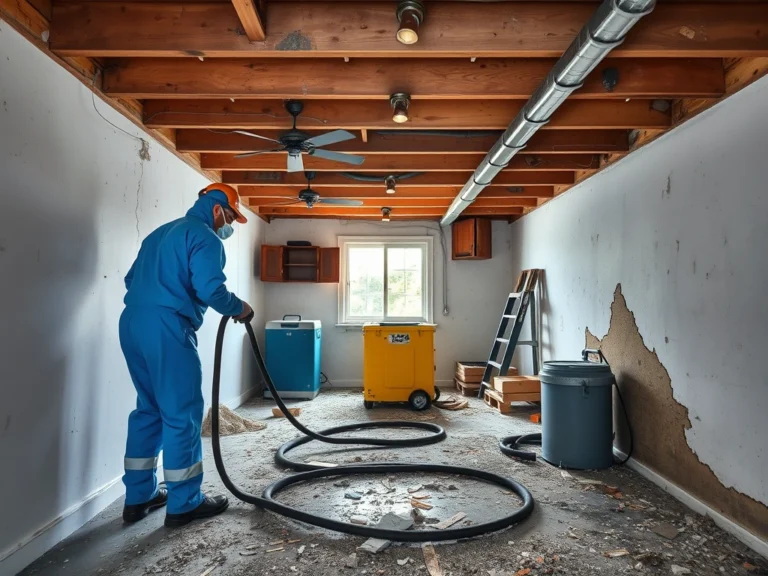
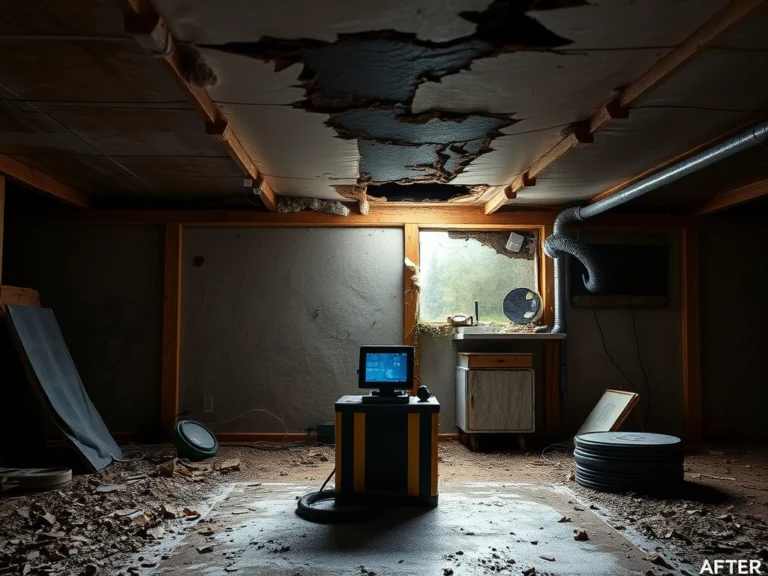
Trusted by 150+ Homeowners
Structural Drying & Dehumidification in Rowlett, TX
- Over 150 5-Star Reviews
- Free Estimates and Quotes
- 100% Satisfaction Guaranteed
- Child, Family & Pet Safe Steps
- 24-Hour Emergency Service
- Fully Licensed & Insured

Beat the Clock: Expert Structural Drying & Dehumidification in Rowlett, TX
One of the biggest mistakes homeowners make after water damage is assuming that visible water is the only problem. But often, the real damage lurks deep within your walls and floors. Hidden moisture can spread quickly, creating a perfect breeding ground for mold and causing long-term structural issues if not addressed immediately. If you’ve experienced a leak, flood, or even high humidity in Rowlett, TX, it’s crucial to act fast to prevent these secondary problems from taking hold. Prompt action is your best defense against extensive damage.
That’s why so many local homeowners trust our team when water intrusion threatens their property. With over 165 five-star reviews from satisfied neighbors, we understand the unique challenges faced by properties around here. We specialize in getting your home or business dry, safe, and healthy again, focusing specifically on the critical process of structural drying and dehumidification. You can count on our dedicated crews to bring the right equipment and the right expertise to your doorstep, often within the hour.
- We use advanced technology to pinpoint and extract moisture from deep within your building’s structure, preventing mold growth before it even has a chance to start.
- Our rapid response and efficient drying methods significantly reduce the overall drying time, saving you stress and potential long-term repair costs.
- We provide thorough documentation of the drying process, which is essential for insurance claims and your own records, ensuring transparency every step of the way.
How We Tackle Structural Drying & Dehumidification
When water infiltrates your home’s structure, it doesn’t just sit on the surface. It soaks into drywall, insulation, subflooring, and even the wood framing itself. Our approach to structural drying is designed to combat this insidious moisture effectively. We know that the first 48 hours are critical for preventing secondary damage like mold and rot. That’s why we deploy specialized equipment and follow a proven, methodical process to ensure every bit of excess moisture is removed from your building’s core. Delaying this process can lead to much more extensive, and costly, repairs down the line.
1. Initial Water Extraction
Before we can begin drying, we need to remove any standing water. Our powerful truck-mounted water extractors are designed to pull out as much bulk water as possible from carpets, padding, and subfloors. This initial step is vital for setting the stage for effective structural drying. Removing standing water is the first priority to stop the damage from spreading further.
2. Moisture Detection and Assessment
Once the bulk water is gone, our certified technicians use advanced tools like moisture meters and thermal imaging cameras. These devices help us identify exactly where moisture is trapped within your walls, floors, and ceilings. This detailed assessment ensures we target all affected areas, even those you can’t see. Pinpointing hidden moisture is key to a complete restoration.
3. Structural Drying with Air Movers
We strategically place high-velocity air movers (often called centrifugal air movers) throughout your property. These powerful fans create airflow across wet surfaces, helping to break the bond between water molecules and the materials they’re absorbed into. This process accelerates evaporation, drawing moisture out of the structure. Accelerating evaporation is a core part of the drying process.
4. Dehumidification for Moisture Removal
As the air movers work, our industrial-grade dehumidifiers pull the moisture-laden air out of your environment. These units are far more powerful than anything you’d find at a retail store, capable of removing gallons of water from the air each day. They work in conjunction with the air movers to create a controlled drying environment. Controlled drying environment is crucial for complete moisture removal.
5. Monitoring and Verification
Our job isn’t done until your property is truly dry. We continuously monitor moisture levels using our specialized equipment, adjusting the placement of air movers and dehumidifiers as needed. We won’t consider the drying process complete until we’ve verified that your structure has returned to safe, pre-loss moisture content levels. Verifying moisture levels ensures your property is fully restored.
Don’t let water damage linger. Contact us immediately if you suspect moisture in your home’s structure. We’re ready to deploy our drying specialists to your location quickly.
Warning Signs You Need Structural Drying & Dehumidification
Sometimes, the signs of structural moisture are subtle, but they can indicate a serious problem brewing beneath the surface. Catching these early warning signs can save you a lot of headaches and expense down the road. Ignoring them can lead to costly repairs, mold growth, and compromised indoor air quality. Early detection is your best protection.
Musty Odors That Won’t Go Away
A persistent, musty, or earthy smell, especially in basements or crawl spaces, is often the first sign of hidden mold growth fueled by trapped moisture. Investigate strange odors promptly to prevent mold from spreading.
Visible Mold or Mildew
Any sighting of mold or mildew, even in small patches, indicates that moisture has been present long enough for it to colonize. This is a clear sign that moisture needs to be removed from the area.
Peeling or Bubbling Paint and Wallpaper
Moisture trapped behind paint or wallpaper can cause the adhesive to fail, leading to peeling, bubbling, or blistering surfaces. This is a visual cue that water is compromising your walls.
Warped or Sagging Walls and Ceilings
When building materials like drywall or wood absorb too much moisture, they can become distorted, leading to visible warping or sagging. This indicates significant structural compromise due to water.
Soft or Spongy Flooring
If your carpets feel unusually damp or your hard flooring feels soft or spongy underfoot, it suggests moisture has saturated the subfloor. Address spongy floors before they degrade further.
Discoloration on Walls or Ceilings
Water stains, yellowing, or dark spots appearing on your walls or ceilings are direct indicators of water intrusion and saturation. Look for water stains as a warning.
Structural Drying & Dehumidification vs. DIY: When To Call a Professional
| Situation | DIY? | Call a Pro? | Why |
|---|---|---|---|
| Small, contained spill on a hard surface (e.g., kitchen tile) | Yes | No | Easy to clean up and dry with fans and towels. |
| Mildew smell in a single room after a minor leak | Maybe | Yes | The smell could indicate mold within walls that fans won’t reach. |
| Water seeped under baseboards into the wall cavity | No | Yes | Requires specialized equipment to dry inside wall structures. |
| Carpet and padding saturated from a burst pipe | No | Yes | Bulk water extraction and deep drying are needed to prevent mold. |
| High humidity causing condensation on windows | Yes | No | Better ventilation and a portable dehumidifier might suffice. |
| Water damage affecting multiple rooms or floors | No | Yes | Extensive drying and dehumidification protocols are necessary. |
While you can handle minor surface spills yourself, anything that penetrates your home’s structure, affects large areas, or lingers for more than a day or two is a job for professionals. Professional drying uses specialized equipment that goes far beyond what’s available for home use, ensuring a complete and safe restoration.
Structural Drying & Dehumidification Cost in Rowlett, TX
The cost for structural drying and dehumidification in Rowlett, TX, can vary significantly depending on the extent of water damage, the size of the affected area, and the specific materials that have absorbed moisture. These figures represent typical estimates for services in the area.
| Service | Typical Price Range | What Affects Cost |
|---|---|---|
| Moisture Assessment and Inspection | $300 – $750 | Complexity of the affected area and use of advanced detection tools. |
| Structural Air Moving (per unit/day) | $50 – $150 | Number of air movers needed and duration of the drying process. |
| Industrial Dehumidification (per unit/day) | $150 – $400 | Size and capacity of the dehumidifier, and the amount of moisture to remove. |
| Water Extraction (basic) | $400 – $1,200 | Volume of water to be removed and the accessibility of the area. |
| Drying and Monitoring Services (per day) | $300 – $800 | Duration of the drying process, technician visits, and equipment usage. |
| Mold Prevention Treatment (if necessary) | $500 – $2,000+ | Size of the area treated and the type of preventative solution used. |
For an accurate estimate tailored to your specific situation, we offer free on-site assessments. Get a precise quote for your property’s needs by contacting us today.
Service Areas Near Rowlett, TX
Rockwall, Garland, Mesquite, Sachse, Wylie, Murphy, Plano, Richardson, Dallas, Carrollton, Addison, Frisco, McKinney, Allen, Coppell, Irving, Grand Prairie, Arlington, Fort Worth, Bedford
Common Questions About Structural Drying & Dehumidification
What’s the difference between structural drying and just drying out a wet carpet?
Structural drying goes much deeper than surface drying. It involves using specialized equipment like industrial dehumidifiers and high-velocity air movers to extract moisture that has saturated building materials like drywall, insulation, wood framing, and subflooring. Simply drying a carpet won’t address the moisture trapped within these hidden areas, which can lead to mold and rot. Our team focuses on drying your entire structure, not just the visible surfaces.
How long does structural drying typically take?
The timeline for structural drying varies greatly depending on the severity of the water damage, the type of materials affected, and ambient humidity levels. Minor cases might take 2-3 days, while more extensive saturation could require a week or more. We use advanced moisture meters to monitor progress closely and will let you know an estimated completion time. Faster drying is always our goal, but we won’t rush the process and compromise safety.
Can I prevent mold growth if I dry things out myself?
While quick surface drying can help, it’s very difficult to prevent mold growth without professional intervention, especially if moisture has penetrated structural components. Mold spores are microscopic and can thrive in hidden damp environments for weeks or even months. Our certified technicians use specialized techniques and equipment to ensure that all moisture is eliminated from the structure, creating an environment where mold cannot grow. Preventing mold growth is a key benefit of professional structural drying.
What kind of equipment do you use for structural drying?
We utilize a range of professional-grade equipment. This includes powerful truck-mounted or portable water extraction units for removing bulk water, high-velocity air movers to increase evaporation rates, and industrial-strength LGR (Low-Grain Refrigerant) dehumidifiers to pull moisture out of the air and building materials. We also use specialized moisture meters and thermal imaging cameras to accurately assess and monitor drying progress. This advanced equipment allows us to dry your property effectively.
Will my insurance company cover the cost of structural drying?
In most cases, yes. Water damage that is sudden and accidental is typically covered by homeowners insurance policies, and this includes the necessary steps for structural drying and dehumidification. We work closely with insurance adjusters and provide detailed documentation of our work, including drying logs and assessments, to help facilitate your claim. We’re committed to making the process as smooth as possible for you, ensuring proper claim handling.
Check Our Other Relevant Services
Serving Rowlett, TX And Nearby Areas