Trusted by 150+ Homeowners
How Much Does Water Damage Restoration Cost in Dallas, TX?
- Over 150 5-Star Reviews
- Free Estimates and Quotes
- 100% Satisfaction Guaranteed
- Child, Family & Pet Safe Steps
- 24-Hour Emergency Service
- Fully Licensed & Insured
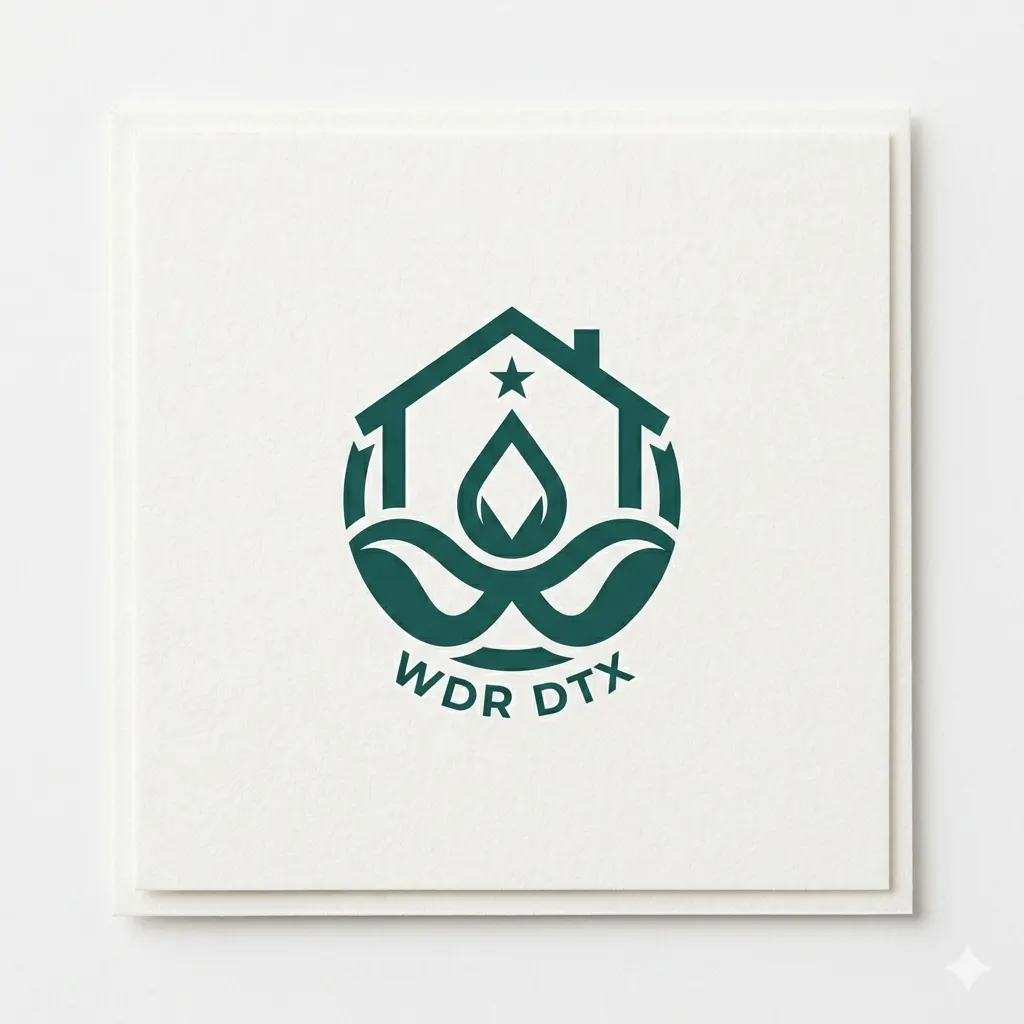
Water damage is one of those nightmares no homeowner wants to face. When it happens, a fast, informed response can mean the difference between a small repair and a massive bill.
If you are asking, How much does water damage restoration cost in Dallas, TX? the short answer is that it depends. This guide explains what affects cost, typical price ranges for Dallas, and practical tips to reduce expense and speed recovery.
Understanding Water Damage Restoration
What is Water Damage Restoration?

Water damage restoration is the professional process of removing water, drying structures, cleaning and disinfecting affected areas, and repairing or replacing damaged materials. Causes include burst pipes, appliance failures, storm flooding, and roof leaks.
Why Acting Fast Matters
Water spreads quickly. Within 24 to 48 hours you can get mold growth, wood rot, and electrical hazards. Fast action reduces overall cost and prevents secondary damage. A quick call to a local expert such as Dallas Water Restoration Pros can save thousands in repairs.
Types of Water and Why They Change Cost
Clean Water
Clean water typically comes from sources like broken supply lines or rain. Cleanup is straightforward and less expensive because contamination risk is low.
Gray Water
Gray water is lightly contaminated water from appliances or sinks. Cleanup requires additional disinfection and safety measures.
Black Water
Black water is highly contaminated, such as sewage or floodwater. Cleanup involves hazardous materials protocols and is the most expensive.
Average Water Damage Restoration Costs
National vs Dallas Costs
National averages for water damage restoration costs range from $1,200 to $5,000 or more. In Dallas, expect full-service jobs to fall between $2,500 and $4,500 depending on scope, size, and water category.
Cost Per Square Foot
| Water Type | Typical Cost per sq. ft. |
|---|---|
| Clean water | $3.00 to $4.00 |
| Gray water | $4.00 to $7.00 |
| Black water | $7.00 to $10.00+ |
Prices vary depending on materials, site access, and contamination level.
Common Factors That Affect Restoration Costs
Size of the Affected Area
The larger the affected area, the more extraction, drying, and repair work required, which increases cost.
Type of Water
Black water requires protective gear, waste disposal, and professional disinfection protocols that raise expenses.
Severity and Time Since Exposure
The longer the water sits, the higher the risk of mold and structural damage. Costs rise quickly as materials deteriorate.
Materials Affected
Hardwood floors, drywall, insulation, and cabinetry each require specific treatments. Hardwood replacement is expensive, while carpet may sometimes be salvaged. Drywall often needs to be cut and replaced.
Local Emergency and After Hours Fees
Emergency response can add 10 to 20 percent to total cost. It is often worth the added charge to stop further damage quickly.
Typical Cost Breakdown by Service
Water Extraction
Removing standing water is always the first step. Expect $150 to $500 depending on volume and the type of equipment required. Learn more about emergency water extraction services.
Drying and Dehumidification
Using industrial fans and dehumidifiers can cost $200 to $1,000 or more, depending on duration and number of machines.
Mold Remediation
If mold is discovered, remediation costs range from $500 for small areas to over $6,000 for large infestations. See our mold removal guide for more details.
Structural Repairs
Replacing drywall, flooring, or framing varies widely. Minor repairs might cost around $500, while major reconstruction can exceed $10,000.
Full Restoration and Reconstruction
When extensive rebuilding is necessary, including walls, flooring, and finishes, total costs can range from $5,000 to $30,000 or higher.
Water Damage Categories and Their Cost Impact
Category 1: Clean Water
This is the least expensive and lowest health risk. Quick drying and limited repairs are common.
Category 2: Gray Water
Requires deeper cleaning and partial material replacement. Often involves extra labor hours and sanitization.
Category 3: Black Water
Hazardous cleanup requiring removal of porous materials like carpet, drywall, and insulation, followed by disinfection. This is the most costly type of water damage.
How Quickly Should You Act?
24 to 48 Hour Window
You generally have 24 to 48 hours to stop significant secondary damage. After this window, mold, bacteria, and structural issues can spread rapidly.
Risks of Delaying Restoration
If you delay, you could face mold infestations, electrical hazards, weakened structures, and potential insurance claim denials due to negligence. Visit FEMA’s water damage safety page to learn more.
Insurance and Water Damage Restoration
Will Homeowners Insurance Cover It?
Most homeowners insurance policies cover sudden and accidental water damage, such as from burst pipes.
Flood damage and long-term leaks from poor maintenance are typically excluded. Learn more from Insurance Information Institute.
Tips for Filing a Claim
- Document all damage with clear photos and videos.
- Keep all receipts and invoices for emergency mitigation.
- Contact your insurance provider promptly and follow their reporting process.
Working with a trusted restoration company like Dallas Water Restoration Pros can simplify claim documentation and communication with adjusters.
How Dallas Water Restoration Pros Can Help

Local Expertise
Dallas Water Restoration Pros understand local climate conditions, storm patterns, and the unique building materials used in the region.
Transparent Pricing
They provide detailed, itemized estimates so you understand every charge for extraction, drying, cleanup, and reconstruction.
24/7 Emergency Response
Immediate response prevents escalation. Their technicians are available day and night for rapid assistance.
Free Inspections and Estimates
If you are unsure how severe the damage is, call for a free inspection and quote. Early evaluation saves time and money.
Call to Action: Visit Dallas Water Restoration Pros or call for immediate help with professional water removal and restoration in Dallas.
Preventing Future Water Damage
Regular Maintenance
Inspect plumbing and roof systems regularly. Replace worn hoses and fittings. Check your attic and basement for moisture signs. Learn more about preventing water damage at home.
Clean Gutters and Downspouts
Keep gutters clear of debris so water drains away from your foundation.
Improve Drainage Around the Home
Ensure soil is graded away from your foundation and install French drains or sump pumps where needed.
Install Water Sensors and Smart Systems
Smart water sensors placed near appliances and in basements can alert you to leaks before they become serious problems.
Conclusion
Water damage restoration costs in Dallas vary depending on water category, area size, material type, and how quickly you act. Acting fast limits damage and cost, while hiring experienced professionals ensures thorough cleanup and safety.
If you experience a water emergency, contact Dallas Water Restoration Pros for fast, transparent, and reliable service. Their expertise can help protect both your home and your peace of mind.
FAQs
Is water damage restoration always necessary?
Yes, when water covers more than a small area or involves contaminated water, professional restoration ensures safety and prevents mold.
How long does the restoration process take?
It may take between three days and several weeks depending on the extent of damage and repairs required.
Can I clean up water damage myself?
Minor spills can be cleaned up personally, but larger incidents or contaminated water should always be handled by professionals.
What should I do immediately after a flood?
Turn off power if it is safe, stop the water source, document all visible damage, and contact a local restoration company in Dallas right away.
Does Dallas Water Restoration Pros offer financing options?
Yes. Flexible payment and financing plans are available to make restoration affordable without delay.

Paul Kerns: Damage Restoration Expert
Paul Kerns is a licensed restoration authority with over 20 years of experience in disaster recovery and property mitigation. His extensive background makes him a leading voice in restoring residential and commercial structures to pre-loss condition with precision and care.
𝗖𝗲𝗿𝘁𝗶𝗳𝗶𝗰𝗮𝘁𝗶𝗼𝗻𝘀: Paul is highly credentialed through the IICRC, holding specialized certifications in Water Damage Restoration, Mold Remediation, Applied Structural Drying, Odor Control, and Fire and Smoke Restoration. His technical expertise ensures every project adheres to rigorous safety and environmental standards.
𝗕𝗲𝘀𝘁 𝗣𝗮𝗿𝘁 𝗼𝗳 𝘁𝗵𝗲 𝗝𝗼𝗯: Paul finds the most reward in providing a sense of calm during a crisis, helping clients navigate the complexities of recovery to reclaim their homes.
𝗙𝗮𝘃𝗼𝗿𝗶𝘁𝗲 𝗣𝗮𝘀𝘁𝗶𝗺𝗲: Outside of work, Paul enjoys restoring vintage furniture and fishing at the lake.