Trusted by 150+ Homeowners
Wet Insulation Removal & Replacement in Denton, TX
- Over 150 5-Star Reviews
- Free Estimates and Quotes
- 100% Satisfaction Guaranteed
- Child, Family & Pet Safe Steps
- 24-Hour Emergency Service
- Fully Licensed & Insured

Don’t Let Wet Insulation Ruin Your Home: Expert Removal & Replacement in Denton, TX
If you’ve noticed a damp, musty smell lingering in your attic or walls, or seen visible water stains spreading, you might be dealing with wet insulation. Ignoring this problem is a mistake; soggy insulation loses its effectiveness and can quickly lead to serious structural damage and mold growth. You’ll want to act fast to prevent further issues from developing in your Denton, TX home.
Our local crews have earned over 165 five-star reviews from homeowners just like you. They trust us because we bring a calm, methodical approach to what can be a very stressful situation. When your insulation gets wet, you need a team that understands the urgency and has the right tools to fix it properly. We’re known for our quick response times and our dedication to getting your home dry and healthy again.
- Rapid Drying and Removal: We use specialized equipment to extract moisture and remove damaged insulation quickly, preventing mold before it can even start.
- Healthier Indoor Air Quality: By thoroughly removing contaminated insulation and ensuring the area is dry, we help restore the air you breathe to a safe and healthy level.
- Restored Energy Efficiency: Wet insulation is useless insulation. We replace it with new, high-quality materials, helping you save on energy bills and keep your home comfortable year-round.
How We Tackle Wet Insulation Problems
When your insulation becomes saturated, it’s not just about getting it out; it’s about doing it right. A proper process is crucial because wet insulation harbors mold and can compromise your home’s structure over time. Skipping steps or using the wrong equipment means you’re likely to face bigger, more expensive problems down the road. Our team follows a strict, proven method to ensure your home is protected and restored effectively.
Initial Assessment and Containment
First, our technicians will carefully inspect the affected areas to determine the extent of the water damage and identify the source. We’ll use moisture meters and thermal imaging cameras to get a complete picture. Then, we’ll set up containment barriers to prevent the spread of mold spores and dust during the removal process. This crucial first step ensures the rest of your home stays protected.
Safe Insulation Removal
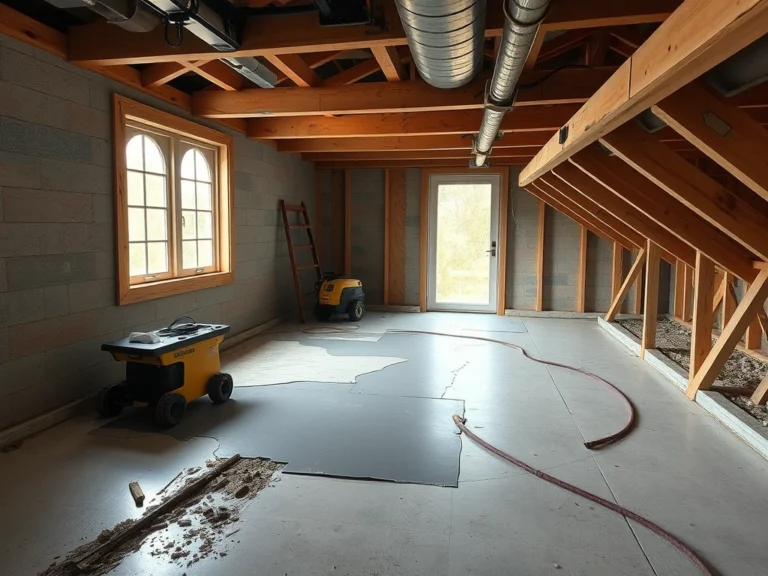
We use powerful, specialized vacuums and equipment designed for safe and efficient insulation removal. This process minimizes disruption to your home and ensures all wet, damaged material is collected and properly disposed of. Our crews are trained to handle all types of insulation, from fiberglass to cellulose.
Drying and Dehumidification
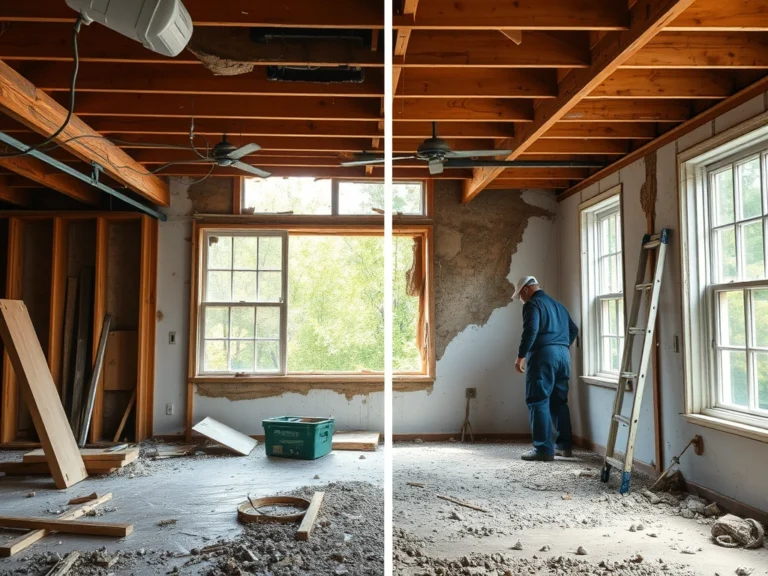
Once the wet insulation is gone, our priority is thoroughly drying the space. We deploy industrial-grade air movers and dehumidifiers to remove any lingering moisture from your walls, ceilings, and framing. This step is critical for preventing secondary damage like mold growth. We monitor humidity levels closely until the area is completely dry.
Mold Prevention and Treatment
If there’s any sign of mold, we address it immediately. Our team can apply antimicrobial treatments to the affected surfaces to prevent mold from returning. This ensures a healthy environment for your new insulation. We take mold prevention seriously.
New Insulation Installation
After the area is clean and dry, we’ll install new, high-quality insulation. We work with you to choose the best type of insulation for your home’s needs, ensuring optimal performance and energy efficiency. You can count on our team for a professional installation.
Don’t wait for moisture damage to worsen. If you suspect wet insulation, it’s time to call in the experts. We’re ready to help restore your home’s comfort and safety.
Warning Signs You Need Wet Insulation Removal & Replacement
Catching these signs early can save you significant money and prevent much larger issues from developing in your home. Water damage doesn’t always present as a major flood; sometimes, it’s a slow creep that compromises your insulation over time. Recognizing these indicators means you can address the problem before it escalates.
Musty Odors That Won’t Go Away
A persistent musty or earthy smell, especially in your attic or crawl spaces, is a strong indicator of moisture trapped in insulation. This smell is often caused by mold and mildew beginning to grow. You’ll want to investigate these smells.
Visible Water Stains or Discoloration
Dark or discolored patches on your ceilings, walls, or attic sheathing are clear signs of water intrusion. These stains mean moisture has penetrated the materials, likely soaking into the insulation behind them. Don’t ignore these marks.
Sagging or Clumpy Insulation
Healthy insulation should be fluffy and evenly distributed. If you notice insulation that appears to be sagging, clumping together, or falling away from the joists or rafters, it’s likely water-logged and has lost its structure. This is a direct sign of saturation.
Increased Energy Bills
When insulation gets wet, it loses its ability to trap air, making it far less effective. If you’ve noticed a sudden spike in your heating or cooling costs without any changes to your usage habits, your insulation may be compromised. It’s a costly problem to ignore.
Mold or Mildew Growth
Seeing fuzzy or slimy patches of mold, often greenish, black, or white, is a serious warning sign. Mold thrives in damp environments, and wet insulation provides the perfect breeding ground. This poses health risks to your family.
Peeling Paint or Wallpaper
Moisture trapped behind your walls can cause paint to bubble and peel or wallpaper to loosen and detach. This indicates that water is seeping into the building materials, and your insulation is likely affected. It’s a clear indicator of moisture.
Wet Insulation Removal & Replacement vs. DIY: When To Call a Professional
| Situation | DIY? | Call a Pro? | Why |
|---|---|---|---|
| Small, isolated damp spot on attic insulation from a minor roof leak | Maybe | Yes | Even small leaks can lead to mold if not dried properly. |
| Suspected mold growth in attic or wall cavities | No | Yes | Mold remediation requires specialized safety equipment and knowledge. |
| Extensive water saturation throughout the attic or walls | No | Yes | Large-scale removal and drying require industrial equipment and expertise. |
| Identifying and repairing the source of the water intrusion | Depends on skill | Yes | Improper repairs can lead to recurring damage and greater expense. |
| Dealing with a strong, persistent musty odor | No | Yes | Odors often indicate hidden mold or significant moisture issues. |
| Replacing insulation after a plumbing leak or storm damage | No | Yes | Ensuring complete drying and proper insulation installation is critical. |
While minor, isolated incidents might seem manageable, any situation involving potential mold growth, extensive saturation, or unknown water sources demands professional attention. Improper handling can lead to health hazards and more costly repairs later. Our team has the specialized equipment and training to handle these complex issues safely and effectively.
Wet Insulation Removal & Replacement Cost In Denton, TX
The cost of wet insulation removal and replacement in Denton, TX can vary widely depending on several factors. These include the size of the affected area, the type and amount of insulation that needs to be removed, the extent of the water damage, and whether mold remediation is also required. These figures are meant to give you a general idea.
| Service | Typical Price Range | What Affects Cost |
|---|---|---|
| Inspection and Moisture Assessment | $250 – $750 | Use of advanced tools like thermal cameras impacts cost. |
| Wet Insulation Removal (per sq ft) | $1.00 – $3.00 | Density and type of insulation, plus accessibility, are key factors. |
| Drying and Dehumidification (per day) | $300 – $800 | Number of machines needed and duration of drying time. |
| Mold Treatment and Prevention | $500 – $3,000+ | Severity of mold growth and surface area treated. |
| New Insulation Installation (per sq ft) | $1.50 – $5.00 | Type of insulation chosen (fiberglass, cellulose, spray foam) and R-value. |
| Water Source Repair Assessment | $300 – $1,000+ | Complexity of the leak and the materials needed for repair. |
For an accurate estimate tailored to your specific situation, it’s best to have our team conduct a thorough on-site assessment. We offer free, no-obligation estimates to help you understand the investment needed to restore your home.
Service Areas Near Denton, TX
We proudly serve Denton, TX and the surrounding communities, including Argyle, Aubrey, Bartonville, Bolivar, Copper Canyon, Corinth, Cross Roads, Denton, DISH, Double Oak, Elizabethtown, Flower Mound, Grapevine, Haslet, Justin, Krugerville, Krum, Lake Dallas, Lakewood Village, Lewisville, Lincoln Park, Little Elm, Northlake, Oak Point, Pilot Point, Ponder, Roanoke, Sanger, Shady Shores, Southlake, The Colony, Trophy Club, and Valley View.
Common Questions About Wet Insulation Removal & Replacement
How quickly do I need to address wet insulation?
You should address wet insulation as soon as possible. Within 24-48 hours, moisture can lead to mold growth, which poses health risks and further damages your home’s structure. The longer you wait, the more extensive and expensive the repairs will become. Our team offers emergency response services to tackle these issues quickly.
Will my homeowner’s insurance cover wet insulation removal and replacement?
Coverage depends heavily on the cause of the water damage. Standard policies often cover sudden and accidental events like burst pipes or storm damage but may exclude damage from slow leaks or poor maintenance. It’s best to check your specific policy and contact your insurance provider. We can help document the damage for your claim, providing detailed reports.
What are the health risks associated with wet insulation?
The primary health risk comes from mold and mildew that can grow in damp insulation. Inhaling mold spores can trigger allergies, asthma attacks, and other respiratory problems, especially for vulnerable individuals. Removing and properly drying the affected areas is crucial for maintaining a healthy home environment. Our technicians follow strict safety protocols.
How do you ensure the area is completely dry before installing new insulation?
We use specialized equipment like industrial air movers and high-capacity dehumidifiers to accelerate the drying process. Our technicians monitor humidity levels with advanced meters and use thermal imaging to detect any remaining moisture in hidden cavities. We don’t consider the job done until the area is certified dry and safe for new materials.
Can I prevent my insulation from getting wet in the future?
Regularly inspecting your roof, gutters, and plumbing for leaks is key. Ensuring proper attic ventilation can also help manage moisture. Sealing any cracks or gaps in your home’s exterior can prevent water intrusion. We can also advise on the best insulation types for your home’s specific climate and structure, helping to prevent future issues.
Check Our Other Relevant Services
Serving Denton, TX And Nearby Areas