Trusted by 150+ Homeowners
Wet Insulation Removal & Replacement in Lewisville, TX
- Over 150 5-Star Reviews
- Free Estimates and Quotes
- 100% Satisfaction Guaranteed
- Child, Family & Pet Safe Steps
- 24-Hour Emergency Service
- Fully Licensed & Insured

Discovering Wet Insulation? We Can Help in Lewisville, TX
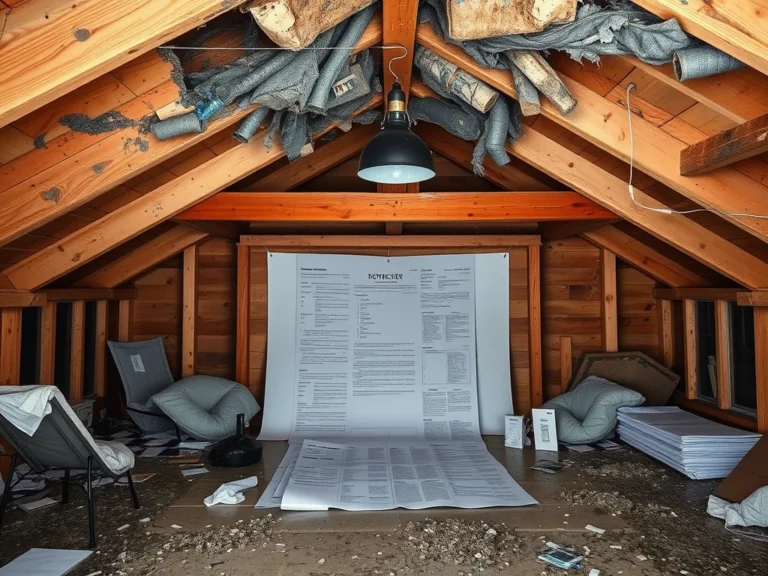
You walk into the attic or basement, and there it is. A dark, spreading stain on your insulation. Maybe you smell that unmistakable musty odor, or you’ve noticed an unexplained drop in your home’s energy efficiency. These are clear signs of water damage that has soaked deep into your insulation, and it’s a problem that needs immediate attention. Ignoring it can lead to much bigger issues for your property. We’re here to tackle this specific problem for you.
Homeowners around here trust us because we understand the urgency and the technical details of this damage. With over 165 five-star reviews from neighbors, you know you’re calling a team that gets results. We focus solely on the meticulous process of removing and replacing wet insulation, making sure your home is protected. You’ll feel confident knowing we handle the details.
- Prevent Mold Growth: Wet insulation is a breeding ground for mold and mildew, which can spread quickly and affect your indoor air quality. Our targeted removal stops mold before it starts.
- Restore Energy Efficiency: Waterlogged insulation loses its R-value, making your HVAC system work harder and driving up your energy bills. We’ll get your home’s thermal barrier back in top shape.
- Protect Your Home’s Structure: Persistent moisture in insulation can lead to rot in wooden beams, drywall damage, and even pest infestations. Our service safeguards your home’s integrity.
The Science Behind Proper Wet Insulation Remediation
When insulation gets wet, it’s not just about replacing it. It’s about understanding how the water moved, how saturated the materials are, and what needs to be done to dry everything out safely before new insulation goes in. Our process is designed to be thorough and efficient, using specialized equipment and techniques that you simply can’t replicate with DIY efforts. Cutting corners here means you’re likely to face recurring problems, including mold and continued energy loss. We believe in doing it right the first time.
Step 1: Initial Assessment and Moisture Detection
Our trained technicians will first arrive to conduct a detailed inspection of the affected areas. We use advanced moisture meters to pinpoint exactly where the water has penetrated and how saturated the insulation and surrounding materials are. This initial assessment is crucial for planning the most effective removal strategy and ensuring we address all hidden moisture.
Step 2: Containment of the Affected Area
To prevent the spread of mold spores or dampness to other parts of your home, we carefully set up containment barriers. This usually involves using plastic sheeting and negative air pressure machines. This ensures that any potential airborne contaminants are kept isolated to the work zone, protecting your family and your living spaces. We prioritize your health during this process.
Step 3: Removal of Wet Insulation
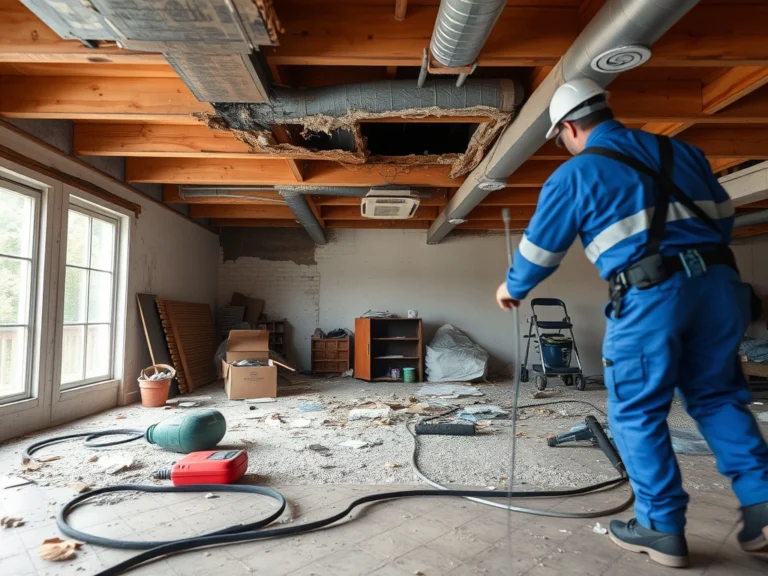
Using specialized tools and protective gear, our crews meticulously remove the saturated insulation from your attic, walls, or crawl spaces. We bag and dispose of the contaminated materials safely and efficiently. The goal is to get all the wet, compromised material out, leaving a clean space ready for the next steps. This removal is critical for preventing future issues.
Step 4: Drying and Dehumidification
Before any new insulation is installed, we must ensure the underlying structures are completely dry. We deploy industrial-grade air movers and dehumidifiers to accelerate the drying process. This step is vital for preventing secondary damage, such as mold growth or structural rot. We monitor the drying process closely with our moisture meters until the materials reach acceptable dryness levels, which might take several days depending on the severity. Drying is non-negotiable.
Step 5: Inspection and New Insulation Installation
Once everything is dry and clean, we’ll perform a final inspection. We then carefully install your new, high-quality insulation, ensuring it’s properly fitted to maximize your home’s thermal performance. We select the best materials for your specific needs, providing a long-lasting solution. You’ll see an immediate improvement in your home’s comfort and energy bills. We restore your comfort.
Don’t let damp insulation compromise your home. Reach out to our team today to schedule your inspection and get started on the path to a dry, energy-efficient home. Call us now for prompt service.
Warning Signs You Need Wet Insulation Removal & Replacement
Catching wet insulation early can save you a significant amount of money and prevent serious structural damage to your home. These signs are your home’s way of telling you something is wrong, and they shouldn’t be ignored. Understanding these indicators is the first step toward protecting your investment. Early detection is key.
Musty Odors That Won’t Go Away
A persistent, damp, earthy smell, especially in your attic or basement, is often the first clue that your insulation is holding moisture. This odor is usually caused by mold or mildew growth, which thrives in damp environments. Address odors immediately.
Visible Water Stains or Dark Patches
Look for discolored spots or streaks on your ceiling, walls, or directly on the insulation itself. These stains indicate that water has saturated the material and is potentially seeping through to other areas. Stains mean moisture.
Unexplained High Energy Bills
If your heating or cooling costs have suddenly spiked without a change in usage patterns, your insulation might be compromised. Wet insulation loses its ability to insulate effectively, forcing your HVAC system to work overtime. Monitor your bills closely.
Increased Humidity Inside Your Home
A noticeable increase in indoor humidity, leading to clammy air or condensation on windows, can be a sign that your insulation isn’t performing its job. This trapped moisture needs to be managed before it causes more damage. Humidity is a red flag.
Peeling Paint or Warped Drywall
When moisture seeps through insulation and reaches the interior surfaces of your home, it can cause paint to bubble and peel or even lead to the warping of drywall panels. This is a more advanced sign of water intrusion. Watch for surface damage.
Cold Spots or Drafts
Feeling unusually cold spots in certain rooms or noticing drafts, even when your windows and doors are sealed, suggests that your insulation isn’t providing an adequate thermal barrier. This is often due to compromised insulation from moisture. Drafts signal insulation issues.
Wet Insulation Removal & Replacement vs. DIY: When To Call a Professional
| Situation | DIY? | Call a Pro? | Why |
|---|---|---|---|
| Small, isolated damp spot in attic insulation, no visible mold, homeowner comfortable with heights. | Yes, with caution. | No. | Small areas can sometimes be carefully removed and replaced, but ensure good ventilation and protective gear. |
| Large sections of insulation are soaked, dark, and smell musty. | No. | Yes. | This indicates widespread saturation and likely mold growth, requiring professional assessment and containment. |
| Water stains visible on ceilings or walls near insulation. | No. | Yes. | This suggests water has penetrated beyond the insulation and may be damaging drywall or framing. |
| Suspected mold growth on or around the wet insulation. | Absolutely Not. | Yes. | DIY mold remediation can be dangerous and ineffective; professionals have the equipment and training to handle it safely. |
| Insulation is in a difficult-to-access area like crawl spaces or behind walls. | No. | Yes. | Accessing these areas safely and effectively requires specialized tools and knowledge. |
| You’ve experienced a significant water event (e.g., burst pipe, roof leak). | No. | Yes. | Large-scale water intrusion requires a systematic drying and removal process that professionals are equipped for. |
For anything beyond a very minor, easily accessible damp spot, calling a professional is almost always the safer and more effective choice. Our team has the specialized equipment and training to handle the complexities of wet insulation, ensuring your home is properly dried and protected. Professional intervention is crucial for lasting results.
Wet Insulation Removal & Replacement Cost In Lewisville, TX
The cost for wet insulation removal and replacement in Lewisville, TX can vary based on the extent of the water damage, the type and amount of insulation affected, and the accessibility of the areas. These are general estimates, and an on-site assessment is always needed for an accurate quote. We provide transparent pricing.
| Service Aspect | Typical Price Range | What Affects Cost |
|---|---|---|
| Inspection and Moisture Assessment | $200 – $500 | Complexity of the affected area and extent of suspected damage. |
| Containment Setup | $300 – $700 | Size of the area needing isolation and complexity of the structure. |
| Removal of Wet Insulation (per sq ft) | $2 – $5 per sq ft | Amount of insulation to be removed, type of insulation, and disposal needs. |
| Structural Drying and Dehumidification (per day) | $400 – $900 | Severity of saturation, size of space, and duration needed to reach dry standards. |
| Installation of New Insulation (per sq ft) | $3 – $7 per sq ft | Type of insulation chosen (e.g., fiberglass, cellulose) and coverage requirements. |
| Final Inspection and Air Sealing | $200 – $400 | Thoroughness of the final check and any minor air sealing needed. |
Exact pricing depends on a thorough on-site evaluation of your specific situation. We offer free, no-obligation estimates to give you a clear understanding of the investment needed to restore your home. Get your free estimate today.
Service Areas Near Lewisville, TX
Carrollton, Plano, Frisco, The Colony, Richardson, Dallas, Irving, Coppell, Grapevine, Flower Mound, Denton, Addison, Farmers Branch, Garland, Rowlett, Mesquite, Allen, McKinney, Prosper, Little Elm.
Common Questions About Wet Insulation Removal & Replacement
How long does it take to remove and replace wet insulation?
The timeline for wet insulation removal and replacement varies significantly. The removal itself might take a day or two for a typical attic. However, the critical drying process using specialized equipment can take anywhere from 3 to 10 days, sometimes longer, depending on how saturated the materials are and the ambient humidity. We work diligently to expedite the process while ensuring thoroughness. We aim for efficiency.
Is wet insulation dangerous to have in my home?
Yes, wet insulation can pose health and safety risks. It’s an ideal environment for mold and mildew to grow, which can release spores into your air, potentially causing respiratory issues and allergic reactions. Furthermore, prolonged moisture can degrade building materials, leading to structural damage or attracting pests. Your health is our priority.
Will my homeowner’s insurance cover wet insulation removal and replacement?
In many cases, homeowner’s insurance will cover the costs associated with wet insulation removal and replacement, especially if the water damage was caused by a sudden, accidental event like a burst pipe or roof leak. However, damage from slow leaks or poor maintenance is often excluded. It’s best to review your policy and contact your insurance provider directly. We can help document the damage for your claim. We assist with documentation.
What kind of equipment do you use for drying?
Our team utilizes professional-grade drying equipment, including high-speed air movers (fans) to increase airflow and evaporation, and industrial dehumidifiers to extract moisture from the air. We also use specialized moisture meters to accurately track the drying progress in materials like wood and drywall, ensuring they reach safe and dry levels before new insulation is installed. We use advanced technology.
How can I prevent my insulation from getting wet in the future?
Preventing future moisture issues involves regular home maintenance. This includes ensuring your roof is in good condition, gutters are clear and properly directing water away from your foundation, and that plumbing systems are well-maintained and free of leaks. Proper ventilation in attics and crawl spaces also helps manage moisture. We can offer advice on maintaining your home’s envelope. Preventative care matters.
Check Our Other Relevant Services
Serving Lewisville, TX And Nearby Areas