Trusted by 150+ Homeowners
Wet Insulation Removal & Replacement in Sachse, TX
- Over 150 5-Star Reviews
- Free Estimates and Quotes
- 100% Satisfaction Guaranteed
- Child, Family & Pet Safe Steps
- 24-Hour Emergency Service
- Fully Licensed & Insured

Don’t Let Wet Insulation Haunt Your Home in Sachse, TX
Did you know that wet insulation can lose up to 50% of its R-value, meaning your home’s energy efficiency plummets? That’s a huge hit to your comfort and your wallet. When water finds its way into your insulation, it’s not just a small problem; it’s a serious issue that needs immediate attention. Ignoring it can lead to mold growth, structural damage, and higher energy bills. Addressing this problem quickly is key to protecting your investment and ensuring a healthy living environment.
We’ve earned over 165 five-star reviews from homeowners right here in the area who trust us for their most critical restoration needs. They choose us because we’re transparent with our process and dedicated to restoring your home correctly the first time. You can count on our experienced crews to handle your Wet Insulation Removal & Replacement with the utmost care and professionalism. We understand how stressful these situations can be, and we’re here to make it as smooth as possible.
- Prevent mold and mildew: Wet insulation is a breeding ground for mold. Removing it promptly stops spores from spreading, safeguarding your family’s health.
- Restore energy efficiency: Soggy insulation doesn’t insulate. We’ll get your home back to its optimal thermal performance, lowering those energy costs.
- Protect your structure: Persistent moisture from wet insulation can damage drywall, wood framing, and other building materials over time.
How Wet Insulation Removal & Replacement Actually Works
Our approach to Wet Insulation Removal & Replacement is methodical and thorough. We don’t just pull out the soggy stuff; we ensure the underlying issues are addressed and that your home is completely dried and prepared for new insulation. Cutting corners here can lead to recurring problems, costing you far more in the long run. That’s why our team follows strict protocols, using specialized equipment to diagnose the full extent of damage and ensure a complete restoration.
Initial Assessment and Water Source Identification
First, we’ll carefully inspect the affected areas to determine how much insulation is wet and where the water came from. Identifying the source, whether it’s a leaky pipe, roof damage, or a past flood, is critical to prevent future issues. We use moisture meters and thermal imaging to get a clear picture of the water intrusion.
Containment and Safety Measures
Before we start removing anything, we’ll set up containment barriers to prevent any potential spread of mold or dust. Your safety and the integrity of unaffected parts of your home are our top priorities. This step ensures a controlled and clean work environment.
Wet Insulation Removal
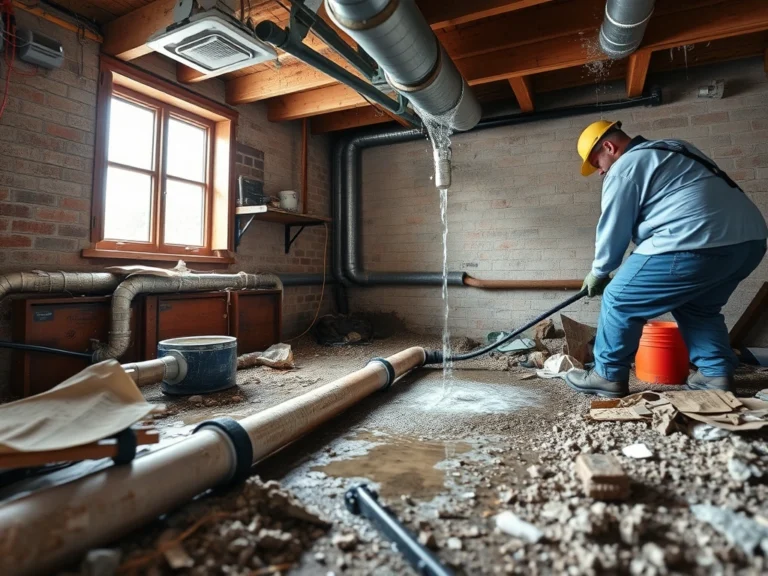
Our crews use specialized tools and techniques to safely remove the saturated insulation. We’ll bag and dispose of it properly. This process is often messy, but our team is equipped to handle it efficiently, minimizing disruption to your home.
Drying and Dehumidification
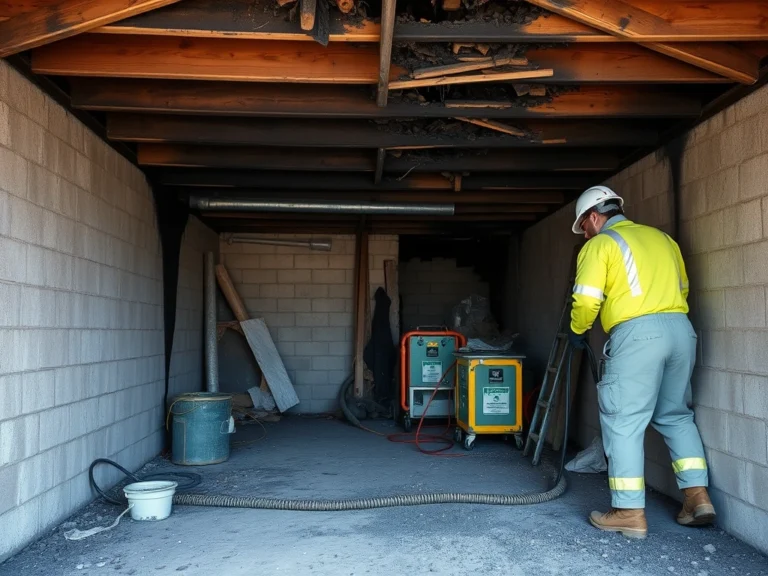
Once the wet insulation is out, we thoroughly dry the cavity and surrounding materials. This involves using high-powered air movers and industrial dehumidifiers to extract all residual moisture. This stage is crucial for preventing secondary damage and ensuring a dry space for new insulation.
Re-Insulation
After confirming the area is completely dry, we’ll install new, high-quality insulation. We offer various types to best suit your home’s needs and your budget. This final step restores your home’s thermal performance and completes the restoration process.
Don’t let water damage linger. Call us today to get a professional assessment and start the restoration process immediately.
Warning Signs You Need Wet Insulation Removal & Replacement
Catching these signs early can save you a significant amount of money and prevent more serious structural problems down the line. Understanding what to look for is the first step in protecting your home. We’ve seen many situations where homeowners delayed, only to face much larger repairs later.
Musty Odors That Won’t Go Away
A persistent, musty smell, especially in attics, basements, or wall cavities, is a strong indicator of trapped moisture and potential mold growth within your insulation. It’s a clear sign of hidden problems.
Visible Water Stains or Discoloration
Look for brown or yellow stains on your ceilings, walls, or around vents. These marks often appear where water has soaked through drywall and into the insulation behind it, signaling water intrusion issues.
Sagging or Clumpy Insulation
Dry insulation typically has a uniform, fluffy appearance. If you notice insulation that appears to be sagging, clumping together, or has lost its shape, it’s likely become waterlogged and is no longer effective. This is visual evidence of saturation.
Increased Energy Bills
A sudden, unexplained spike in your heating or cooling costs can mean your insulation isn’t working properly. Wet insulation loses its ability to resist heat transfer, forcing your HVAC system to work harder. This is a direct financial impact.
Peeling or Bubbling Paint/Wallpaper
Moisture trapped behind your walls can cause finishes to fail. If you see paint peeling or wallpaper bubbling, it might be due to moisture migrating from wet insulation, indicating deeper structural concerns.
Mold or Mildew Growth
Any visible signs of mold or mildew on surfaces near your insulation, or even a faint powdery substance, is a serious health concern and a direct result of prolonged dampness. This requires immediate professional intervention.
Wet Insulation Removal & Replacement vs. DIY: When To Call a Professional
| Situation | DIY? | Call a Pro? | Why |
|---|---|---|---|
| Minor attic leak with a small, damp spot | Yes, if you’re comfortable on a ladder and can isolate the leak source. | Yes, if the area is large or the source is unclear. | Ensures proper drying and prevents unseen moisture damage. |
| Water damage from a burst pipe in a wall | No, absolutely not. | Yes, always. | Requires specialized drying equipment and potential structural inspection. |
| Basement flooding affecting insulation | No. | Yes, always. | Involves significant water removal, drying, and potential mold remediation. |
| Roof leak soaking a large section of attic insulation | No. | Yes, always. | Complex water source, potential for widespread contamination, and need for specialized drying. |
| Condensation issues in crawl space insulation | Maybe, for small areas if you can identify and fix the ventilation problem. | Yes, if extensive or if mold is present. | Crawl spaces are often difficult to access and require thorough drying. |
| Suspected mold growth within insulation | No, unless you have proper PPE and know how to handle it safely. | Yes, always. | Mold poses serious health risks and requires professional remediation. |
For anything more than a very minor, isolated damp spot, calling a professional is the safest and most effective route. Our team has the equipment and expertise to handle complex water issues and ensure a complete dry-out.
Wet Insulation Removal & Replacement Cost In Sachse, TX
The cost for Wet Insulation Removal & Replacement in Sachse, TX can vary significantly based on the extent of the water damage, the type of insulation affected, and the size of the area needing attention. These figures are estimates to give you a general idea. A thorough on-site inspection is always necessary for an accurate quote. We aim to provide clear and competitive pricing for our services.
| Service | Typical Price Range | What Affects Cost |
|---|---|---|
| Initial Inspection & Moisture Assessment | $200 – $500 | Complexity of the water intrusion and use of specialized equipment like thermal cameras. |
| Wet Insulation Removal (per sq ft) | $1 – $3 | Accessibility of the area, type of insulation, and volume of material to be removed. |
| Drying & Dehumidification (per day) | $300 – $700 | Size of the affected space, humidity levels, and duration required for complete drying. |
| Re-Insulation (material cost, per sq ft) | $1 – $4 | Type of insulation chosen (fiberglass, cellulose, spray foam) and R-value desired. |
| Labor for Re-Insulation (per sq ft) | $1 – $3 | Complexity of installation, working in tight spaces, and the amount of area to cover. |
| Mold Testing & Remediation (if necessary) | $500 – $3,000+ | Severity and spread of mold growth, and the specific remediation techniques required. |
We offer free estimates for Wet Insulation Removal & Replacement services, allowing us to provide you with a precise and detailed cost breakdown for your specific situation.
Service Areas Near Sachse, TX
Murphy, Wylie, Garland, Richardson, Plano, Dallas, Rowlett, Rockwall, Royse City, Fate, Lavon, Princeton, Allen, McKinney, Fairview, Lucas, St. Paul, Addison, Farmersville, Anna.
Common Questions About Wet Insulation Removal & Replacement
How long does it take to remove and replace wet insulation?
The timeline really depends on the scale of the problem. Removing the insulation might take a day or two for a moderate issue. The critical part is the drying process, which can take anywhere from 3 to 10 days, sometimes longer, depending on how much moisture is present and how well the area is ventilated. We’ll give you a realistic timeline estimate after our initial assessment.
Will my homeowner’s insurance cover wet insulation removal and replacement?
Often, yes, especially if the water damage was sudden and accidental, like from a burst pipe or a storm. However, damage from gradual leaks or poor maintenance might not be covered. We work closely with insurance companies to document the damage thoroughly and help you navigate the claims process. It’s always best to check your specific policy.
Is wet insulation dangerous to have in my home?
Yes, it absolutely can be. The biggest concern is mold and mildew growth, which can release spores into your air, causing respiratory issues and allergic reactions. Wet insulation also loses its effectiveness, leading to higher energy bills and discomfort. We take health and safety very seriously when addressing these issues.
What kind of equipment do you use for drying?
We use professional-grade equipment, including high-speed air movers to circulate air and specialized dehumidifiers to extract moisture from the air and materials. We also use moisture meters and thermal cameras to ensure we’ve removed all the hidden moisture. This advanced technology helps us dry your home effectively and efficiently.
Can I just try to dry out the insulation myself?
For very minor, surface-level dampness, you might be able to air it out. But if the insulation is soaked through, or if you suspect mold or widespread water intrusion, DIY drying is usually insufficient. You risk trapping moisture, which leads to mold and structural damage. It’s always safer to have professionals assess and ensure a complete dry-out.
Check Our Other Relevant Services
Serving Sachse, TX And Nearby Areas