Trusted by 150+ Homeowners
Wind Damage Repair in Frisco, TX
- Over 150 5-Star Reviews
- Free Estimates and Quotes
- 100% Satisfaction Guaranteed
- Child, Family & Pet Safe Steps
- 24-Hour Emergency Service
- Fully Licensed & Insured

When the Wind Comes to Call: Your Frisco, TX Home Needs Expert Wind Damage Repair
You walk outside after a particularly rough storm, and it hits you. A large branch has torn through your roof, leaving a gaping hole. Shingles are ripped from the edges, scattered across your lawn like fallen leaves. You can already see water stains spreading on your ceiling. It’s not just a little damage; it’s a clear sign your home needs immediate attention. This isn’t just about aesthetics; it’s about protecting your structure and preventing further harm. You need a plan, and you need it now. This kind of damage requires a specialized approach to ensure your Frisco, TX property is safe again.
Homeowners around here have trusted our team for over 165 five-star reviews because we understand the unique challenges wind can bring. We don’t just patch things up; we get to the root of the problem. When you’re dealing with wind-related issues, you want a team that responds fast and knows exactly what to do. We’ve helped countless neighbors restore their homes after high winds, and we’re ready to help you too. You’ll get a detailed assessment and a clear plan of action.
- We use specialized equipment to precisely measure moisture levels, ensuring we dry your home thoroughly and prevent hidden mold growth.
- Our containment procedures isolate damaged areas, preventing further spread of debris and water while we work on your property.
- We focus on structural integrity, ensuring that repairs go beyond the surface to secure your home against future wind events.
How Frisco, TX Wind Damage Repair Actually Works
Tackling wind damage correctly is crucial. It’s more than just replacing a few shingles. If the underlying structure isn’t addressed or moisture isn’t fully removed, you’re setting yourself up for bigger headaches down the road, like mold or rot. Our process is designed to be thorough and efficient, using scientific principles to guide our work. We believe in transparency, so you’ll always know what’s happening and why. This isn’t just about fixing a problem; it’s about restoring your confidence in your home’s safety. We aim to get your life back to normal as quickly as possible.
Initial Inspection and Assessment
The first step is a detailed inspection. Our technicians use advanced tools, including moisture meters and thermal cameras, to identify all areas affected by the wind, even those you can’t see. We document everything meticulously, noting structural weaknesses and potential secondary damage like water intrusion. This phase is critical for creating an effective repair plan and often takes a few hours, depending on the extent of the damage.
Containment and Debris Removal
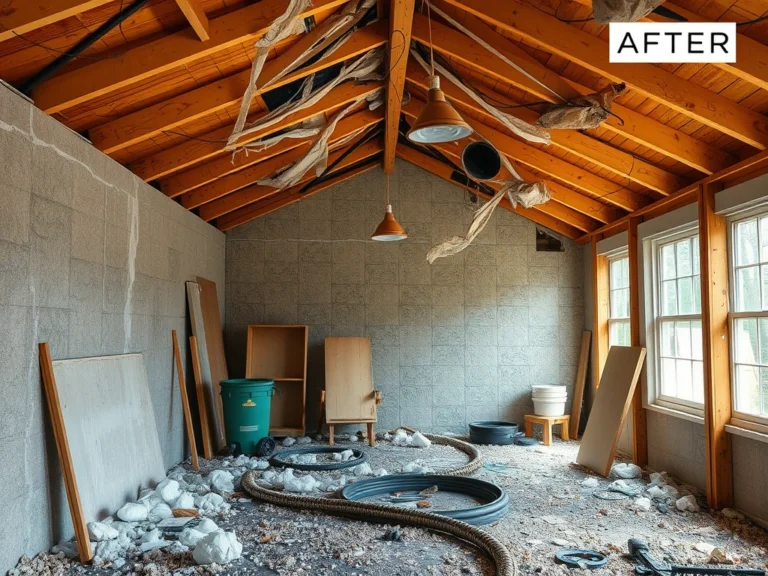
Once we understand the scope, we establish containment zones to prevent further contamination or damage to unaffected areas. This involves setting up barriers and carefully removing loose debris, broken materials, and any compromised structural elements. We prioritize safety, using protective gear and ensuring all hazardous materials are handled properly. This stage can take anywhere from a few hours to a full day, depending on the size of the affected area.
Structural Reinforcement and Repair
This is where we get into the core of the repair. We’ll reinforce or replace damaged structural components, such as roof decking, rafters, or siding, to restore your home’s integrity. Our crews are skilled in making these critical repairs, ensuring everything is secured to withstand future weather. This part of the process can vary significantly in time, from half a day to several days, depending on the complexity.
Drying and Dehumidification
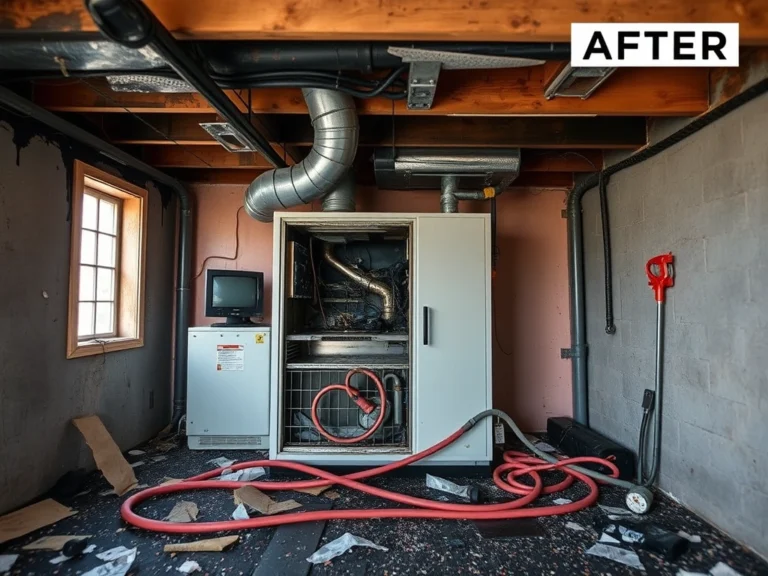
If water intrusion occurred due to wind damage, thorough drying is essential. We deploy industrial-grade air movers and dehumidifiers to remove excess moisture from your home’s structure and air. We constantly monitor humidity and temperature levels, using data loggers to ensure optimal drying conditions. This scientific approach prevents mold growth and further structural decay. This phase typically lasts several days, with continuous monitoring by our technicians.
Reconstruction and Finishing
After drying, we move into reconstruction. This involves replacing damaged roofing materials, siding, windows, or any other exterior elements affected by the wind. We work diligently to match existing materials and restore your home’s appearance and function. Our goal is to make it look like the wind damage never happened. This final stage can take anywhere from a day to several weeks, depending on the extent of the reconstruction needed.
Don’t let wind damage linger. Call us today for an immediate inspection. We’re ready to help you secure your home and begin the restoration process now. Your property deserves prompt attention.
Warning Signs You Need Wind Damage Repair
Catching wind damage early can save you a lot of money and prevent much bigger problems down the line. Sometimes the damage isn’t obvious, but small signs can indicate a serious issue brewing. Ignoring these could lead to expensive repairs or even compromise your family’s safety. Pay close attention to your home’s condition after any strong winds. We’ve seen it all, and we know what to look for, but here are some common indicators you should be aware of.
Loose or Missing Shingles
This is often the most visible sign. If you see shingles on the ground, or if they look curled, cracked, or are simply gone from your roofline, it’s a direct indicator of wind stress. This leaves your roof vulnerable to water penetration.
Damaged Gutters or Downspouts
High winds can bend, detach, or even rip off gutters and downspouts. If they appear damaged, loose, or are missing sections, it means water isn’t being directed away from your foundation properly, which can lead to serious water issues.
Cracked or Broken Windows
Wind can carry debris at high speeds, turning small objects into projectiles. If you notice any cracks, chips, or shattered panes in your windows, it’s a clear sign of impact damage that needs immediate attention.
Dented or Torn Siding
Similar to windows, siding can be dented or torn by windborne debris. Check your home’s exterior for any visible damage to the siding, as this can expose the underlying structure to the elements.
Damage to Fencing or Outdoor Structures
While not directly part of your house, damaged fences, sheds, or decks can indicate the intensity of the wind that hit your property. These can also become hazards themselves if they are weakened or broken.
Unusual Noises from the Roof
After a storm, if you hear creaking, popping, or rattling sounds coming from your attic or roof, it could mean that structural components have been loosened or shifted by the wind. This requires a professional inspection to diagnose the cause.
Wind Damage Repair vs. DIY: When To Call a Professional
| Situation | DIY? | Call a Pro? | Why |
|---|---|---|---|
| Minor Shingle Uplift/Missing Shingle | Yes, if you have experience and proper safety gear. | Yes, if you’re uncomfortable with heights or unsure. | Safety is paramount; falling from a roof is dangerous. |
| Large Hole in Roof Decking | No. | Yes. | Structural integrity is compromised and requires expert assessment and repair. |
| Water Stains Appearing Indoors | No. | Yes. | Hidden moisture can lead to mold and rot, requiring specialized drying equipment. |
| Damaged Siding (Minor dents/scratches) | Yes, for very superficial damage. | Yes, for any tears or significant damage. | Torn siding exposes your home’s structure to water and pests. |
| Fallen Tree Limb on House | No. | Yes. | Requires heavy equipment and structural expertise to remove safely and assess damage. |
| Extensive Debris on Property | Yes, for small, manageable pieces. | Yes, for large-scale cleanup. | Large debris can hide underlying structural damage to your home. |
While minor cosmetic fixes might be tempting to handle yourself, significant wind damage demands professional intervention. When your home’s structure is compromised or water intrusion is suspected, calling our team is the smartest choice. We have the tools, training, and experience to handle these complex issues safely and effectively. You need a thorough assessment and reliable repairs.
Wind Damage Repair Cost In Frisco, TX
The cost of wind damage repair in Frisco, TX can vary widely. Factors such as the severity of the wind event, the size of your property, the materials affected, and the extent of secondary damage all play a role. These price ranges are estimates to give you an idea of what to expect. We always provide a detailed, upfront estimate after assessing your specific situation. Getting a professional evaluation is the best way to understand your exact costs.
| Service | Typical Price Range | What Affects Cost |
|---|---|---|
| Roof Shingle Replacement (per square) | $400 – $800 | Type of shingle, size of roof, complexity of pitch. |
| Roof Decking Repair (per sheet) | $200 – $500 | Accessibility, type of wood, need for structural support. |
| Siding Repair/Replacement (per linear foot) | $15 – $30 | Type of siding material, extent of damage, matching existing materials. |
| Window Replacement (standard size) | $400 – $1,000 | Window type (vinyl, wood, etc.), size, and features like double-paning. |
| Emergency Tarping | $300 – $700 | Size of roof area requiring tarping, height, and accessibility. |
| Structural Drying and Dehumidification | $500 – $3,000+ | Size of affected area, duration of drying, number of units required. |
These figures are general guidelines. Your actual costs will depend on a detailed on-site inspection by our certified technicians. We offer free estimates to give you a clear picture of what your wind damage repair will involve. Let us provide you with a fair and accurate quote today.
Service Areas Near Frisco, TX
Allen, Anna, Argyle, Aubrey, Carrollton, Celina, Coppell, Corinth, Dallas, Denton, Fairview, Farmers Branch, Flower Mound, Fort Worth, Grapevine, Hebron, Highland Village, Lewisville, Little Elm, Lucas, McKinney, North Richland Hills, Oak Point, Plano, Prosper, Richardson, Roanoke, Sachse, Southlake, The Colony, University Park, Wylie.
Common Questions About Wind Damage Repair
What should I do immediately after discovering wind damage to my home?
First, ensure your family’s safety. If there’s immediate danger, evacuate the property. Then, take photos or videos of the damage from a safe distance for insurance purposes. Try to mitigate further damage if possible without putting yourself at risk, like covering a hole with a tarp. Finally, call our team immediately to schedule a professional assessment. We’ll help you navigate the next steps and provide expert damage mitigation.
How long does wind damage repair typically take?
The timeline for wind damage repair varies greatly depending on the extent of the damage. Minor repairs like replacing a few shingles might take only a day. However, if there’s significant structural damage or water intrusion requiring extensive drying, it could take several days to weeks. We focus on efficient, thorough work to get your home restored safely. Our goal is always timely and effective restoration.
Is wind damage covered by my homeowner’s insurance?
Generally, homeowner’s insurance policies cover damage caused by wind, though deductibles and specific coverage limits apply. It’s important to review your policy and contact your insurance provider as soon as possible after the damage occurs. We work closely with insurance adjusters to ensure all necessary repairs are documented and accounted for, making the claims process smoother for you. We can help provide detailed documentation for your claim.
What kind of equipment do you use for wind damage repair and drying?
We utilize professional-grade equipment, including industrial air movers to circulate air, high-capacity dehumidifiers to remove moisture, and advanced moisture meters to detect hidden water. For structural repairs, we use specialized tools for roofing, siding, and framing. This specialized equipment is key to ensuring a complete and effective restoration, preventing long-term issues like mold. You can trust our team to deploy the right technology for the job.
Can wind damage lead to mold growth, and how do you prevent it?
Yes, wind damage often leads to water intrusion, and any standing water or damp materials can quickly develop mold. Our process includes immediate water extraction and thorough drying using specialized equipment. We monitor humidity levels closely and use antimicrobial treatments when necessary to prevent mold growth. Protecting your family’s health is a top priority, so we ensure your home is dried and remediated properly. This focus on preventing mold is a critical part of our service.
Check Our Other Relevant Services
Serving Frisco, TX And Nearby Areas