Trusted by 150+ Homeowners
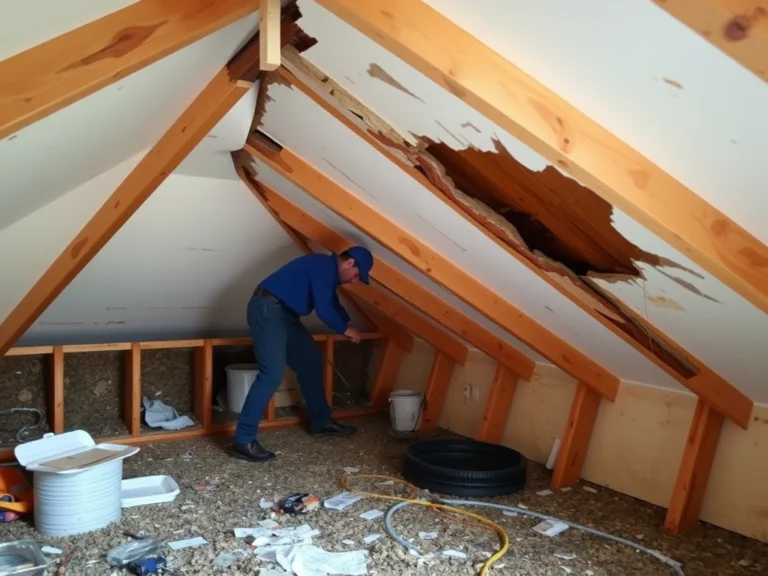
Structural Drying & Dehumidification in Highland Park, TX
- Over 150 5-Star Reviews
- Free Estimates and Quotes
- 100% Satisfaction Guaranteed
- Child, Family & Pet Safe Steps
- 24-Hour Emergency Service
- Fully Licensed & Insured

Stop Water Damage From Spreading: Expert Structural Drying in Highland Park, TX
Did you know that even a small leak can leave behind enough moisture to compromise your home’s structure? In fact, it can take less than 48 hours for mold to begin growing in damp conditions. This is why immediate action for structural drying is critical after any water intrusion event. Ignoring these hidden moisture issues can lead to costly repairs down the line and potential health concerns for your family. We understand that dealing with water damage can be overwhelming, especially here in Highland Park, TX.
Our local homeowners trust us with their properties because we focus specifically on the science of drying and dehumidification. We’ve earned over 165 five-star reviews by consistently delivering effective results and clear communication. When you need a team that understands the intricacies of water extraction and structural drying, you can count on our experienced crews. We’re committed to getting your home dried out properly, preventing secondary damage, and helping you navigate the process with confidence.
- Rapid moisture detection and removal to prevent further damage.
- Targeted drying techniques that protect your home’s materials.
- Comprehensive dehumidification to restore healthy humidity levels.
How Structural Drying & Dehumidification Actually Works
Our approach to structural drying is methodical and science-based. We don’t just remove visible water; we go deeper to find and eliminate hidden moisture that can cause long-term problems. You see, improper drying can leave behind dampness in walls, floors, and even the air, leading to mold growth and material degradation. This is where our specialized equipment and IICRC-certified technicians make all the difference. We work diligently to document the entire process, which is invaluable when you’re dealing with insurance claims and ensuring the job is done right.
Initial Water Assessment and Containment
Our first step involves a thorough inspection to determine the source and extent of the water damage. We’ll use advanced moisture meters and thermal imaging cameras to identify all affected areas. Then, we’ll set up containment barriers to prevent moisture from spreading to unaffected parts of your property. This phase is crucial for controlling the situation and preparing for effective drying.
Water Extraction
Once the area is contained, our powerful extraction equipment gets to work. We use high-capacity pumps and truck-mounted vacuums to remove as much standing water as possible. This process is much faster and more efficient than you might imagine, significantly reducing the overall drying time. Getting the bulk of the water out quickly is key to minimizing damage.
Structural Drying with Advanced Equipment
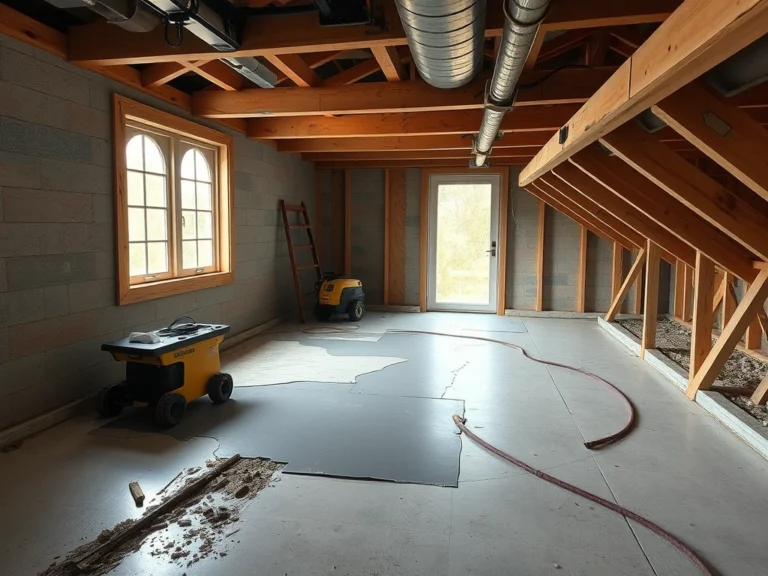
After the bulk water is gone, we bring in specialized drying equipment. This includes industrial-grade air movers to circulate air and evaporate moisture from surfaces and materials. We also deploy targeted dehumidifiers to pull moisture from the air, lowering the humidity levels. This combination of airflow and dehumidification is essential for drying out the structural components of your home.
Monitoring and Moisture Readings
Throughout the drying process, our technicians will regularly monitor moisture levels in the air and building materials. We use specialized meters to track progress and ensure that your home is drying according to industry standards. This meticulous approach guarantees that we achieve the desired results and prevent future issues like mold.
Final Inspection and Verification
Before we consider the job done, we conduct a final inspection. We’ll take final moisture readings to confirm that all materials have returned to their normal moisture content. This step ensures that your home is safe and dry. Your satisfaction is our priority, and we stand behind our work with a satisfaction guarantee.
Don’t let water damage linger. Call us today to get your property professionally dried. We’re ready to help you prevent long-term structural problems.
Warning Signs You Need Structural Drying & Dehumidification
Catching water damage early can save you a significant amount of money and hassle. Sometimes the signs are obvious, but often, hidden moisture can be lurking. Recognizing these indicators allows you to address the problem before it escalates into more serious issues like mold or rot. Acting quickly is always the most cost-effective approach.
Musty Odors That Won’t Go Away
If you notice a persistent damp or musty smell, especially in closets, basements, or behind walls, it’s a strong indicator of hidden moisture. This odor is often caused by mold or mildew beginning to grow in damp areas. Ignoring this smell can lead to bigger mold problems.
Visible Water Stains or Discoloration
Water stains on ceilings, walls, or floors are clear signs of a leak. These marks show where water has penetrated the surface. Don’t just paint over them; the underlying moisture needs to be addressed to prevent structural damage.
Peeling or Bubbling Paint and Wallpaper
Moisture trapped behind paint or wallpaper can cause it to bubble up or peel away from the surface. This is a visual cue that water is compromising the integrity of your wall coverings. It’s a sign that the materials are saturated.
Warped or Sagging Floors and Walls
When building materials absorb too much water, they can swell, warp, or even sag. This is particularly noticeable in wooden floors or drywall. This indicates that the structural integrity may be compromised.
Increased Humidity Levels
If your home feels unusually damp or sticky, even when the air conditioning is running, it could be due to elevated indoor humidity caused by a hidden water source. Your AC system can’t keep up if there’s ongoing moisture intrusion. This means the air itself is holding excessive moisture.
Condensation on Windows or Pipes
While some condensation is normal, excessive or persistent condensation on windows, pipes, or ductwork can signal high indoor humidity levels. This excess moisture is often a byproduct of a larger, unresolved water issue. It’s a sign that the environment is too wet.
Structural Drying & Dehumidification vs. DIY: When To Call a Professional
| Situation | DIY? | Call a Pro? | Why |
|---|---|---|---|
| Minor spill on a hard floor, dried immediately | Yes | No | Easy to clean up and dry without specialized equipment. |
| Leaky faucet with minimal visible water damage | Yes | No | Can usually be managed with towels and a fan. |
| Water in a finished basement after a heavy rain | No | Yes | Water can seep into subflooring and walls, requiring professional detection and drying. |
| Burst pipe in a wall or ceiling | No | Yes | Hidden moisture behind materials requires specialized equipment to find and dry. |
| Water damage from a sewage backup | No | Yes | Requires specialized equipment and safety protocols for both water and contamination removal. |
| Persistent musty odors after a known water event | No | Yes | Indicates hidden mold growth or residual moisture that needs professional assessment. |
For anything beyond a minor, surface-level spill, professional structural drying is essential. It ensures that hidden moisture is addressed, preventing long-term damage and health risks. Our team has the tools and knowledge to handle complex water intrusions effectively.
Structural Drying & Dehumidification Cost In Highland Park, TX
The cost of structural drying can vary greatly depending on the extent of water damage, the size of the affected area, and local conditions around Highland Park, TX. These figures are general estimates and a proper on-site assessment will provide a more accurate quote. We aim to be transparent about pricing and help you understand the factors involved.
| Service | Typical Price Range | What Affects Cost |
|---|---|---|
| Moisture Assessment and Inspection | $300 – $750 | Complexity of the damage and use of specialized equipment like thermal cameras. |
| Water Extraction (per room/area) | $500 – $1,500 | Amount of standing water and the size of the affected space. |
| Structural Drying (Air Movers & Dehumidifiers) | $750 – $3,000+ (per day/week) | Number of units required, duration of drying, and square footage. |
| Dehumidification Services | $400 – $1,200 (per day/week) | Size of the area and the amount of moisture to be removed from the air. |
| Containment Setup and Maintenance | $200 – $600 | Size and complexity of the barriers needed to isolate affected areas. |
| Moisture Monitoring and Testing | $150 – $400 | Frequency of checks and the types of testing equipment used. |
An on-site assessment is the best way to get a precise estimate for your specific situation. We offer free estimates to help you understand the scope and cost. We’re committed to providing fair pricing for professional services.
Service Areas Near Highland Park, TX
University Park, Dallas, Irving, Richardson, Garland, Plano, Mesquite, Carrollton, Addison, Frisco, McKinney, Allen, Rowlett, Rockwall, Grand Prairie, Arlington, Fort Worth, Mansfield, Burleson, Keller.
Common Questions About Structural Drying & Dehumidification
How long does structural drying typically take?
The duration for structural drying varies significantly. It can range from a few days for minor issues to several weeks for extensive water damage. Factors like the type of materials affected, the amount of water, and ambient humidity play a big role. We use advanced monitoring to ensure efficient drying times and will provide you with a projected timeline after our initial assessment.
Will my insurance company cover structural drying?
In most cases, yes, if the water damage is from a covered event like a burst pipe or storm damage. Insurance policies often cover the cost of necessary drying and mitigation to prevent further damage. We work closely with insurance adjusters, providing detailed documentation to help facilitate your claim and ensure you receive the coverage you’re entitled to.
What health risks are associated with not drying properly?
The primary health risk from improper drying is mold growth. Mold can trigger allergies, asthma, and other respiratory problems. There’s also the risk of structural rot and damage to your home’s integrity. Ensuring a complete drying process is vital for maintaining a healthy living environment.
What kind of equipment do you use for drying?
We utilize a range of professional-grade equipment. This includes powerful truck-mounted water extractors, industrial air movers (fans) to increase evaporation, and high-capacity dehumidifiers to remove moisture from the air. We also use specialized moisture meters and thermal imaging cameras to detect and monitor hidden water. This advanced technology allows us to dry your property effectively and efficiently, ensuring thorough moisture removal.
Can I prevent mold after a water leak?
The best way to prevent mold after a water leak is to address the moisture immediately and thoroughly. This means extracting all standing water, drying out affected materials completely, and ensuring proper ventilation. If you suspect any residual moisture or if the area was wet for more than 24-48 hours, it’s best to have our team perform a professional assessment to confirm that the environment is safe.
Check Our Other Relevant Services
- Post-Remediation Clearance Testing in Highland Park, TX
- Debris Removal After Storms in Highland Park, TX

Paul Kerns: Damage Restoration Expert
Paul Kerns is a licensed restoration authority with over 20 years of experience in disaster recovery and property mitigation. His extensive background makes him a leading voice in restoring residential and commercial structures to pre-loss condition with precision and care.
𝗖𝗲𝗿𝘁𝗶𝗳𝗶𝗰𝗮𝘁𝗶𝗼𝗻𝘀: Paul is highly credentialed through the IICRC, holding specialized certifications in Water Damage Restoration, Mold Remediation, Applied Structural Drying, Odor Control, and Fire and Smoke Restoration. His technical expertise ensures every project adheres to rigorous safety and environmental standards.
𝗕𝗲𝘀𝘁 𝗣𝗮𝗿𝘁 𝗼𝗳 𝘁𝗵𝗲 𝗝𝗼𝗯: Paul finds the most reward in providing a sense of calm during a crisis, helping clients navigate the complexities of recovery to reclaim their homes.
𝗙𝗮𝘃𝗼𝗿𝗶𝘁𝗲 𝗣𝗮𝘀𝘁𝗶𝗺𝗲: Outside of work, Paul enjoys restoring vintage furniture and fishing at the lake.