
Trusted by 150+ Homeowners
Attic Mold Removal in Grand Prairie, TX
- Over 150 5-Star Reviews
- Free Estimates and Quotes
- 100% Satisfaction Guaranteed
- Child, Family & Pet Safe Steps
- 24-Hour Emergency Service
- Fully Licensed & Insured
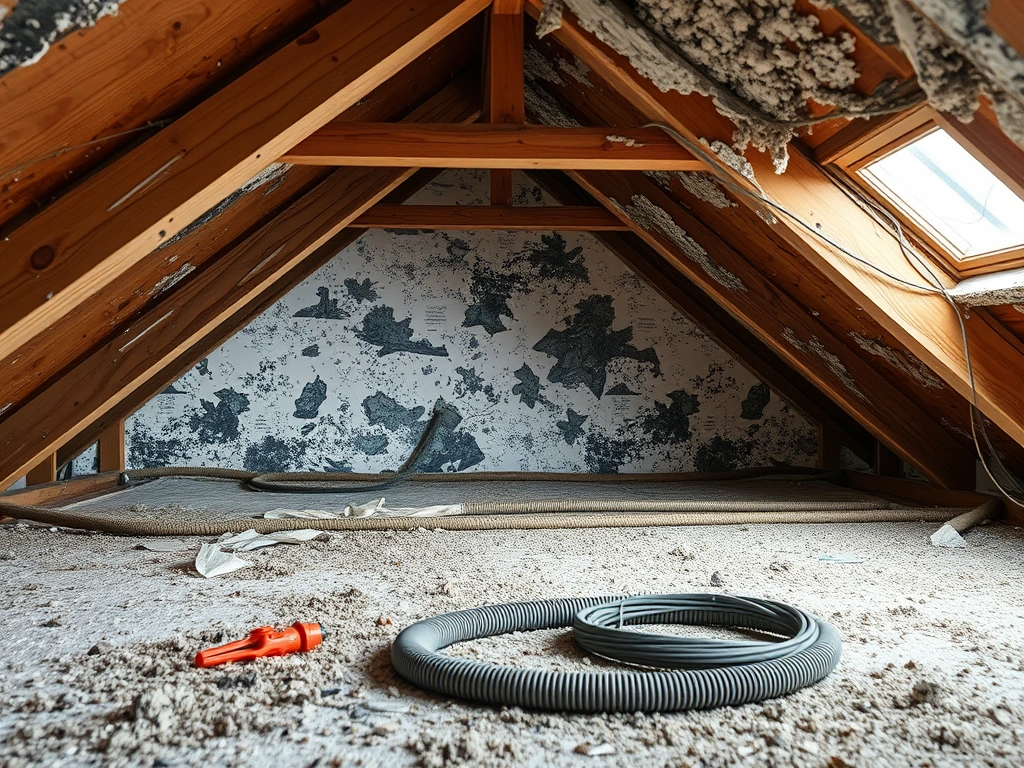
Expert Attic Mold Removal for Grand Prairie, TX Homes
We’ve seen it all when it comes to attics in this part of Texas. From the humidity that seems to settle in and never leave, to minor roof leaks that go unnoticed for too long, attics can become a breeding ground for mold. Identifying attic mold is crucial for your home’s health. Our team is experienced in dealing with the unique challenges that attics around Grand Prairie, TX present, ensuring your space is treated effectively and safely.
You don’t have to just take our word for it; over 165 homeowners in your neighborhood have left us five-star reviews, many specifically for our thorough attic mold removal services. They choose us because we’re not just fixing a problem, we’re restoring confidence in their homes. We understand the stress that comes with discovering mold, and we’re here to make that part of your experience as smooth as possible.
- We tackle the root causes of attic mold, not just the surface growth, preventing future outbreaks and protecting your home’s structure.
- Our advanced containment and removal techniques ensure that mold spores don’t spread to other parts of your living space.
- We provide detailed documentation, which can be incredibly helpful if you need to file an insurance claim for the damage.
How Attic Mold Removal Actually Works
Removing mold from an attic isn’t as simple as wiping down a bathroom mirror. It requires a specific, methodical approach to ensure all the mold is gone and the environment is healthy again. Cutting corners here can lead to mold returning quickly or even spreading more aggressively, costing you more in the long run. Understanding the process is key to knowing you’re getting a job done right.
Step 1: Initial Inspection and Assessment
We start with a thorough inspection of your attic to determine the extent of the mold growth. This involves checking moisture levels, identifying the type of mold, and pinpointing the source of moisture that allowed it to grow. This assessment usually takes about 1-2 hours, depending on the attic’s accessibility and size.
Step 2: Containment Setup
Before any removal begins, we set up containment barriers. This is critical for preventing mold spores from spreading throughout your home. We use specialized plastic sheeting and negative air machines to isolate the affected area. This process can take 2-4 hours.
Step 3: Mold Removal and Cleaning
Our trained technicians use specialized equipment and EPA-approved cleaning agents to safely remove mold from all surfaces. This might include insulation, wood framing, and drywall. We meticulously clean every affected inch. This stage can last anywhere from 4-12 hours, depending on the severity.
Step 4: Drying and Deodorization
Once the mold is removed, we focus on drying out the attic thoroughly to prevent regrowth. We use industrial dehumidifiers and air movers. Any lingering musty odors are then neutralized using specialized deodorization equipment. This typically takes 1-3 days.
Step 5: Final Inspection and Prevention Recommendations
Before we consider the job complete, we conduct a final inspection to ensure all mold is gone and the moisture source has been addressed. We’ll then provide you with recommendations on how to prevent mold from returning, such as improving ventilation or addressing any structural leaks. This final check is crucial for your long-term protection.
Don’t let attic mold compromise your home’s integrity or your family’s health. Taking action quickly is the best way to prevent further damage. Contact us today to schedule your attic mold inspection and get your home back to a healthy state.
Warning Signs You Need Attic Mold Removal
Your attic is often out of sight, out of mind, but it can be sending signals that something’s wrong. Catching these signs early can save you significant repair costs and potential health issues down the line. Recognizing these symptoms is the first step toward a healthier home environment.
Musty Odors That Won’t Go Away
If you’re noticing a persistent damp, earthy smell, especially when you’re in the upper levels of your home or near the attic access, it’s a strong indicator of mold. This odor can travel through vents and HVAC systems.
Visible Mold Growth
Sometimes mold can be seen as fuzzy or slimy patches on surfaces. It can appear in various colors, including black, green, white, or gray. Look closely at rafters, insulation, and any exposed wood.
Water Stains or Discoloration
Dark spots or rings on your ceiling or the underside of your roof sheathing are clear signs of past or present water intrusion, which is mold’s best friend. These stains mean moisture has been present long enough for mold to potentially take hold.
Peeling or Bubbling Paint/Wallpaper
Moisture in the attic can seep through to your ceiling, causing paint to peel or wallpaper to bubble. This is a visual cue that moisture is present and creating an environment for mold to thrive.
Increased Allergy Symptoms
If you or your family members are experiencing unexplained allergy symptoms like sneezing, coughing, itchy eyes, or respiratory irritation, especially when spending time at home, attic mold could be the culprit.
High Humidity Levels in Your Attic
Using a hygrometer to measure humidity in your attic is a good idea. Consistently high humidity, above 60%, creates an ideal environment for mold to flourish and spread rapidly.
Attic Mold Removal vs. DIY: When To Call a Professional
| Situation | DIY? | Call a Pro? | Why |
|---|---|---|---|
| Small spot of surface mold on a single rafter (less than 1 sq ft) | Yes | No | Easier to manage, less risk of spore spread. |
| Mold covering large areas of insulation or wood | No | Yes | Requires professional containment and specialized cleaning. |
| Suspected mold behind walls or in HVAC ductwork | No | Yes | Impossible to access safely and effectively without professional tools. |
| Mold growth due to a recent significant water leak (e.g., burst pipe, heavy rain) | No | Yes | Need to address the water source and remediate thoroughly to prevent recurrence. |
| Any mold growth accompanied by strong musty odors throughout the house | No | Yes | Indicates widespread spore contamination requiring advanced air purification. |
| You or family members have severe allergies or compromised immune systems | No | Yes | Health risks are too high; professional handling is essential. |
While small, isolated mold spots might be manageable for a DIYer, the attic environment presents unique challenges. Professional attic mold removal is often necessary when the mold covers a significant area or is related to recurring moisture problems. Trusting the pros ensures a healthier outcome for your home and family.
Attic Mold Removal Cost In Grand Prairie, TX
The cost of attic mold removal in Grand Prairie, TX can vary significantly. Factors like the size of your attic, the severity of the mold infestation, and the specific types of materials affected all play a role. These figures are estimates to help you budget. Understanding potential costs is part of making an informed decision.
| Service | Typical Price Range | What Affects Cost |
|---|---|---|
| Attic Mold Inspection and Testing | $300 – $700 | Depth of testing, lab analysis needed. |
| Containment and Air Scrubbing | $500 – $1,500 | Size of attic, number of negative air machines required. |
| Mold Removal (Surface Cleaning) | $1,000 – $3,000 | Square footage of affected area, complexity of access. |
| Insulation Removal and Replacement | $1,000 – $4,000 | Type and amount of insulation, disposal fees. |
| Structural Cleaning and Sealing | $500 – $2,000 | Extent of wood or structural damage, need for specialized treatments. |
| Odor Removal | $300 – $1,000 | Severity of odor, size of space treated. |
These prices are general guidelines, and an on-site assessment is always needed for an accurate quote. We offer free estimates so you know exactly what to expect before any work begins.
Service Areas Near Grand Prairie, TX
Arlington, Bedford, Benbrook, Burleson, Cedar Hill, Cleburne, Cockrell Hill, Dallas, Desoto, Duncanville, Euless, Everman, Fort Worth, Glenn Heights, Grandview, Haltom City, Haslet, Hurst, Irving, Joshua, Keene, Keller, Kennedale, Lake Worth, Lancaster, Mansfield, Midlothian, North Richland Hills, Oak Leaf, Palmer, Pantego, Pecan Plantation, Plano, Poolville, Post Oak Hills, Princeton, Prosper, Richardson, River Oaks, Roanoke, Saginaw, Sanger, Sansom Park, Seagoville, Southlake, Springtown, St. Paul, Terrell, The Colony, University Park, Venus, Waxahachie, Weatherford, White Settlement, Willow Park, Wylie.
Common Questions About Attic Mold Removal
What is the typical timeline for attic mold removal?
The timeline can vary greatly, but for a moderate infestation, you can expect the process to take anywhere from 2 to 5 days. This includes inspection, containment, removal, drying, and final checks. Our team works efficiently to minimize disruption to your home while ensuring the job is done right.
Is attic mold dangerous to my health?
Yes, attic mold can pose health risks, especially for individuals with allergies, asthma, or compromised immune systems. Mold spores can become airborne and travel through your home’s ventilation system, potentially causing respiratory issues and other symptoms. Professional remediation is vital to safely remove mold and prevent further exposure.
How much does attic mold removal typically cost in Grand Prairie, TX?
Costs can range from $1,000 to $5,000 or more, depending on the size of the attic, the extent of the mold growth, and the complexity of the removal process. Factors like the need for insulation replacement or addressing the underlying moisture source will also affect the final price. We provide detailed estimates after a thorough inspection to give you a clear picture of the investment.
Will my homeowner’s insurance cover attic mold removal?
Coverage varies by policy. Often, insurance covers mold damage if it resulted from a covered peril, like a sudden pipe burst or storm damage. However, mold caused by long-term neglect or poor maintenance is typically not covered. We can help document the damage for your insurance claim, but it’s best to review your specific policy or speak with your insurance provider directly.
How can I prevent mold from returning to my attic after removal?
Prevention is key. The most important step is to identify and fix the source of moisture, whether it’s roof leaks, condensation, or poor ventilation. Improving attic ventilation, ensuring proper sealing around penetrations, and potentially using a vapor barrier can significantly reduce the chances of mold returning. Our experts offer recommendations to help you maintain a healthy attic long-term.
Check Our Other Relevant Services

Paul Kerns: Damage Restoration Expert
Paul Kerns is a licensed restoration authority with over 20 years of experience in disaster recovery and property mitigation. His extensive background makes him a leading voice in restoring residential and commercial structures to pre-loss condition with precision and care.
𝗖𝗲𝗿𝘁𝗶𝗳𝗶𝗰𝗮𝘁𝗶𝗼𝗻𝘀: Paul is highly credentialed through the IICRC, holding specialized certifications in Water Damage Restoration, Mold Remediation, Applied Structural Drying, Odor Control, and Fire and Smoke Restoration. His technical expertise ensures every project adheres to rigorous safety and environmental standards.
𝗕𝗲𝘀𝘁 𝗣𝗮𝗿𝘁 𝗼𝗳 𝘁𝗵𝗲 𝗝𝗼𝗯: Paul finds the most reward in providing a sense of calm during a crisis, helping clients navigate the complexities of recovery to reclaim their homes.
𝗙𝗮𝘃𝗼𝗿𝗶𝘁𝗲 𝗣𝗮𝘀𝘁𝗶𝗺𝗲: Outside of work, Paul enjoys restoring vintage furniture and fishing at the lake.


