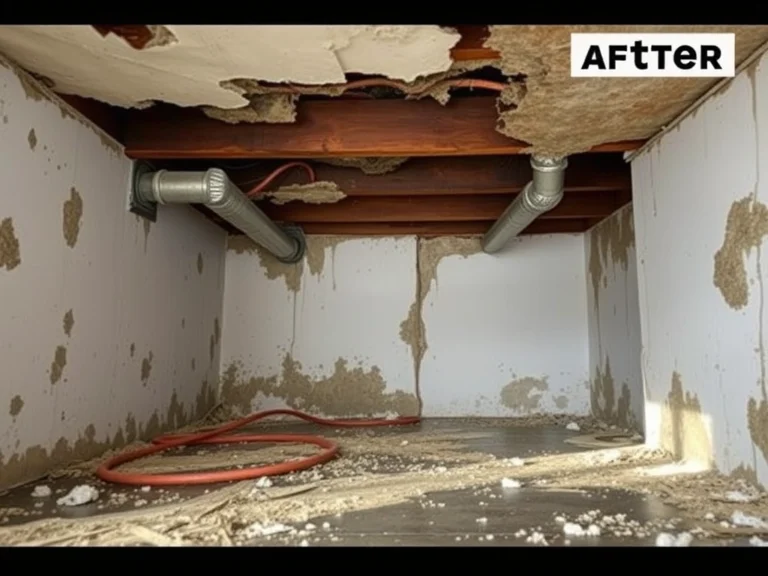
Trusted by 150+ Homeowners
Attic Water Damage Repair in Grand Prairie, TX
- Over 150 5-Star Reviews
- Free Estimates and Quotes
- 100% Satisfaction Guaranteed
- Child, Family & Pet Safe Steps
- 24-Hour Emergency Service
- Fully Licensed & Insured

Don’t Let Attic Leaks Turn Into a Disaster in Grand Prairie, TX
If you’ve noticed a strange damp spot on your ceiling or a persistent musty smell originating from above, it’s crucial to act fast. Attic water damage can spread rapidly, affecting insulation, wood structures, and even your home’s electrical system. It’s easy to overlook the attic, but damage up there can lead to significant structural issues if left unattended. Addressing this problem quickly is your best defense against costly repairs.
Locals trust our team because we understand the urgency of attic water issues. We’ve helped over 165 happy homeowners in your neighborhood deal with these specific problems, and they consistently tell us our prompt, thorough approach made all the difference. You can count on our technicians to bring a calm, experienced presence to a stressful situation.
- Rapid containment of water intrusion, preventing further saturation of your attic’s delicate materials.
- Thorough drying and dehumidification of the attic space, crucial for stopping mold growth before it starts.
- Careful inspection and repair of the source of the leak, ensuring the problem is fixed permanently.
How We Tackle Attic Water Damage
When water finds its way into your attic, it doesn’t just sit there; it saturates everything it touches. Our approach to attic water damage repair is designed for speed and effectiveness. We know that the first 24 to 48 hours are critical. Delaying professional intervention can turn a manageable situation into a widespread, expensive problem, impacting your home’s integrity and your family’s health. Our crews are trained to identify the extent of the damage and implement a recovery plan that’s specifically for your attic.
Initial Assessment and Water Extraction
Upon arrival, our team will perform a detailed inspection of your attic to pinpoint the source of the leak and assess the full scope of water damage. We use specialized moisture meters to detect hidden dampness. For any standing water, we employ powerful, truck-mounted extraction units to remove it quickly and efficiently, preventing further saturation of your insulation and wooden beams. This first step is vital for limiting the spread of moisture.
Structural Drying and Dehumidification
Once the bulk of the water is removed, the real work of drying begins. We strategically place industrial-grade air movers and dehumidifiers within the attic space. These machines work tirelessly to circulate air and pull moisture out of materials like wood, drywall, and insulation. This targeted drying process is essential for preventing secondary damages such as mold and rot. We monitor humidity levels closely to ensure optimal drying conditions.
Mold Prevention and Remediation
Attic environments, with their darkness and potential for moisture, are prime breeding grounds for mold. If mold has already started to form, or if conditions are right for it to grow, our certified technicians will safely remediate the affected areas. We use specialized antimicrobial treatments and containment procedures to ensure mold spores are removed and that your attic air is safe. This step is critical for your home’s long-term health.
Insulation and Material Assessment
Water-soaked insulation often needs to be removed and replaced. We carefully assess the condition of your attic’s insulation, wood framing, and any other materials that have been compromised. If insulation is heavily saturated and cannot be effectively dried, we’ll recommend its removal and replacement to restore your attic’s energy efficiency. We ensure all replaced materials meet high-quality standards.
Source Identification and Repair
Simply drying out the water isn’t enough; you need to know how it got there in the first place. Our team will help identify the source of the leak, whether it’s a damaged roof, faulty plumbing vent boot, clogged AC drain line, or ice damming. While we don’t perform full roof repairs ourselves, we can identify the issue and often make temporary fixes or guide you on the best course of action for permanent repair. Addressing the root cause prevents recurrence.
Don’t let a small attic leak become a major headache. Contact us immediately to get a professional assessment and start the recovery process. Prompt action saves your home and your wallet.
Warning Signs You Need Attic Water Damage Repair
Your attic might seem out of sight, but it often gives off subtle clues when something is wrong. Catching these signs early can save you from much larger, more expensive problems down the line. Ignoring even minor water intrusion can lead to serious structural damage and unhealthy living conditions. Pay attention to what your home is telling you; these indicators are often the first lines of defense.
Musty Odors That Won’t Go Away
A persistent damp, musty, or mildewy smell that seems to originate from your ceiling or the top floor of your home is a strong indicator of hidden moisture. This smell is often caused by mold or mildew growth that thrives in damp environments. It’s your nose’s way of telling you there’s a water problem brewing.
Visible Water Stains or Discoloration
Look for brown or yellow stains on your attic’s ceiling, rafters, or insulation. These stains are clear evidence of past or present water intrusion. The discoloration means water has seeped through materials, potentially weakening them over time. These marks are a direct sign of damage.
Dripping Water or Damp Spots
If you see actual drips of water coming from the ceiling or notice damp spots on the attic floor, insulation, or exposed wood, you have an active leak. This is the most obvious sign and requires immediate attention to prevent further saturation and potential structural compromise. Don’t wait for it to get worse; address active leaks now.
Sagging Ceiling or Attic Floor
Water saturation can weaken the structural integrity of your ceiling drywall or the floor joists in your attic. If you notice areas that appear to be sagging or bowing, it could be due to prolonged exposure to moisture. This is a serious sign that requires immediate professional inspection to prevent potential collapse.
Increased Humidity Levels in Your Home
A significant increase in overall home humidity, especially if it’s accompanied by a musty smell, can sometimes be traced back to an attic moisture issue. Water vapor can migrate downwards, making your living spaces feel damp and uncomfortable. This signals a larger moisture imbalance.
Mold or Mildew Growth
Visible patches of mold or mildew, which can appear as black, green, or white fuzzy or slimy spots, are a clear sign of water damage and poor air quality. Mold can spread rapidly in damp attic environments and poses significant health risks. Removing mold requires specialized techniques for your family’s safety.
Attic Water Damage Repair vs. DIY: When To Call a Professional
| Situation | DIY? | Call a Pro? | Why |
|---|---|---|---|
| Identifying the source of a small roof leak | Maybe | Yes | Roof leaks can be complex and dangerous to access; professionals have the tools and safety gear. |
| Drying a small, isolated damp spot on attic insulation | Yes, cautiously | Yes | Even small damp spots can hide deeper moisture and mold; professional drying ensures complete saturation removal. |
| Removing standing water from the attic | No | Yes | Standing water is heavy and dangerous to remove; professional equipment is far more effective and safer. |
| Cleaning visible mold in a small area | No | Yes | Mold remediation requires specialized protective gear and containment to prevent spreading spores. |
| Assessing insulation damage and recommending replacement | No | Yes | Professionals can accurately determine if insulation is salvageable or needs replacement for optimal performance. |
| Repairing damaged wood framing or structural elements | No | Yes | Structural repairs require expertise and proper building techniques to ensure safety and longevity. |
While minor dampness might seem like a DIY job, attic water damage often hides deeper issues. For anything beyond a very minor, isolated incident, calling a professional is the safest and most effective route. We have the specialized equipment and training to handle the complexities of attic water damage, ensuring your home is restored properly and safely. This is about protecting your investment.
Attic Water Damage Repair Cost In Grand Prairie, TX
The cost of attic water damage repair in Grand Prairie, TX, can vary significantly depending on the extent of the damage, the size of your attic, and the specific remediation steps required. These figures are estimates to give you an idea of potential expenses. A thorough on-site assessment is always necessary for an accurate quote. Factors like the type of insulation and accessibility of the attic greatly influence the final price.
| Service | Typical Price Range | What Affects Cost |
|---|---|---|
| Water Extraction & Drying (per sq ft) | $0.50 – $2.00 | Size of the attic, duration of drying needed, number of machines. |
| Mold Inspection & Testing | $300 – $800 | Extent of suspected mold, number of samples taken for lab analysis. |
| Mold Remediation (per sq ft) | $10 – $30 | Severity of mold growth, containment needs, and specific treatment methods. |
| Insulation Removal & Disposal | $1 – $3 per sq ft | Type of insulation (e.g., fiberglass vs. cellulose), accessibility, and disposal fees. |
| New Insulation Installation | $1 – $4 per sq ft | Type of insulation (fiberglass batts, blown-in cellulose), R-value requirements. |
| Minor Wood Repair/Reinforcement | $500 – $2,000 | Number of damaged joists/beams, complexity of the repair work. |
Getting a free estimate is the best way to understand your specific costs. Our team will walk you through the process and provide a clear breakdown of recommended services. We aim for transparent pricing for your attic water damage repair needs.
Service Areas Near Grand Prairie, TX
Arlington, Fort Worth, Irving, Dallas, Euless, Bedford, Hurst, Grapevine, Southlake, Keller, Mansfield, Cedar Hill, Duncanville, DeSoto, Richardson, Garland, Mesquite, Rowlett, Rockwall, Allen
Common Questions About Attic Water Damage Repair
What causes water damage in an attic?
Attic water damage can stem from several sources. Common culprits include leaks in your roof (damaged shingles, flashing, or seals), overflowing AC drain pans, condensation from improper ventilation, or issues with plumbing vents. Sometimes, ice dams in colder months can force water under shingles. Identifying the specific source is key to preventing future problems, and our team helps you pinpoint it.
How long does attic water damage repair take?
The timeline for attic water damage repair varies greatly depending on the severity. Simple water extraction and drying might take 2-3 days. However, if mold remediation or structural repairs are needed, it could extend to a week or more. We work diligently to expedite the process while ensuring thoroughness, making sure your attic is completely dry and safe.
Is attic water damage dangerous to my health?
Yes, attic water damage can pose health risks, primarily due to mold growth. Mold spores can become airborne and, when inhaled, can cause allergic reactions, respiratory problems, and other health issues, especially for those with pre-existing conditions like asthma. Our technicians are trained to handle mold safely, using containment and specialized treatments to protect your home and your family’s well-being. We prioritize creating a healthy environment.
What equipment do you use for attic water damage restoration?
We utilize professional-grade equipment designed for effective water damage restoration. This includes high-powered water extractors for removing standing water, industrial dehumidifiers to pull moisture from the air and materials, and powerful air movers to accelerate the drying process. We also use specialized moisture meters to track drying progress and ensure no dampness remains hidden. This advanced equipment is crucial for efficient and complete restoration.
Can I prevent attic water damage?
Preventing attic water damage involves regular maintenance and vigilance. Regularly inspect your roof for damage, ensure proper attic ventilation, and keep gutters clean to prevent water backup. Check your AC unit’s drain line periodically. Addressing any signs of leaks or moisture promptly is vital. We can also offer advice on insulation and ventilation best practices to help minimize future risks.
Check Our Other Relevant Services
Serving Grand Prairie, TX And Nearby Areas