Trusted by 150+ Homeowners
Drywall Water Damage Repair in Allen, TX
- Over 150 5-Star Reviews
- Free Estimates and Quotes
- 100% Satisfaction Guaranteed
- Child, Family & Pet Safe Steps
- 24-Hour Emergency Service
- Fully Licensed & Insured
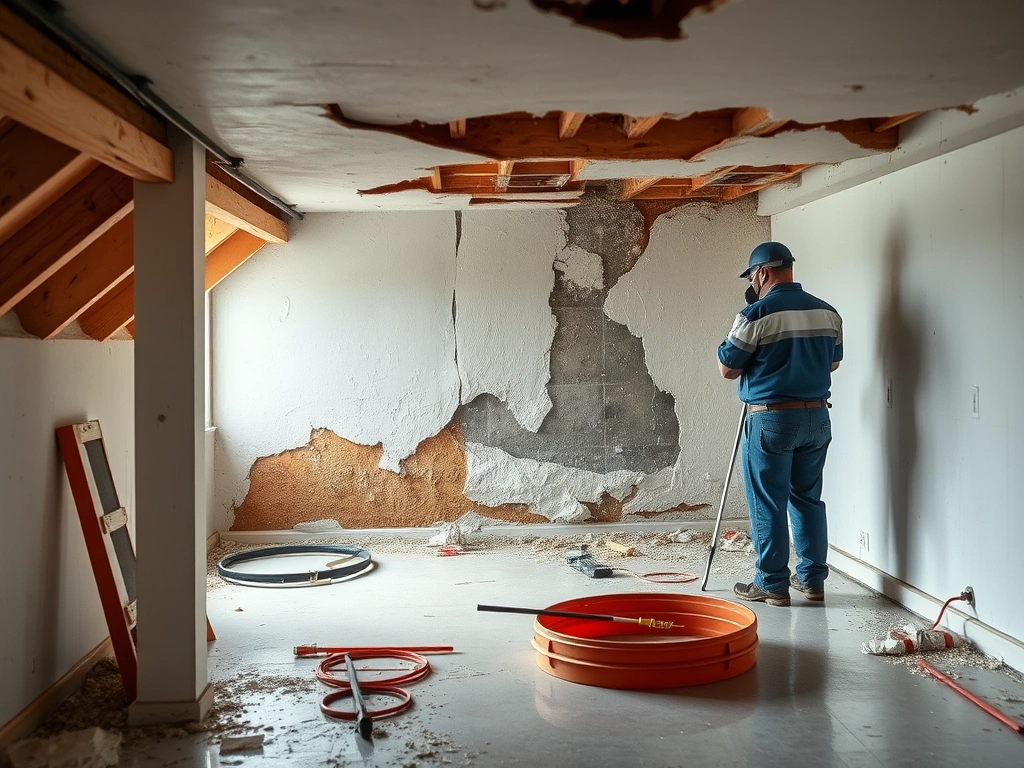
When Water Strikes Your Walls: Drywall Water Damage Repair in Allen, TX
You walk into your living room and notice it – a faint, dark spot blooming on the wall. Maybe it’s accompanied by a subtle, musty smell you can’t quite place. Or perhaps a section of your drywall feels soft, almost spongy, to the touch. It’s a clear sign that water has found its way behind your walls, and immediate attention is critical. This isn’t just an aesthetic issue; it’s a potential problem that needs a specific kind of fix: professional drywall water damage repair.
Locally, homeowners trust our team because we understand the unique challenges this area presents and we’ve helped over 165 neighbors restore their homes. You’ve likely seen our trucks around your neighborhood, and you’ve probably read our 165+ five-star reviews. We tackle your drywall water damage with a focused approach, getting your home dry and safe again. We’re known for our prompt response and skilled technicians who excel at this precise type of repair.
- We precisely identify and extract hidden moisture, preventing further structural damage that can occur deep within your walls.
- Our team expertly removes compromised drywall, ensuring no mold or mildew has a chance to take root and spread throughout your home.
- We meticulously restore your walls to their original condition, matching textures and paint so you’d never know there was a problem.
The Technical Approach to Drywall Water Damage Repair
Fixing water-damaged drywall isn’t as simple as slapping on some new paint. It requires a systematic, technical approach to ensure the problem is truly solved. Cutting corners here can lead to recurring mold growth, weakened structures, and larger repair bills down the line. Our crews use specialized equipment and follow strict protocols to guarantee a thorough and effective repair. We focus on the science of drying and containment, making sure your home is truly restored.
Moisture Detection and Assessment
The first step is always a detailed assessment. Our technicians use advanced moisture meters to scan your walls, ceilings, and floors. This helps us pinpoint exactly where the water is, how far it has spread, and the extent of the damage to your drywall. Accurate readings are essential for a proper drying plan. This phase typically takes a few hours, depending on the size of the affected area.
Water Extraction and Containment
If standing water is present, we’ll use powerful extraction tools to remove it quickly. For hidden moisture within walls, we may need to create small, strategic openings to access and remove the water. We also set up containment barriers to prevent moisture from spreading to unaffected areas of your property. Preventing cross-contamination is key. This process can take anywhere from a few hours to a full day.
Controlled Drying Process
Once the bulk of the water is gone, we deploy specialized drying equipment. This includes high-velocity air movers and industrial dehumidifiers. These machines work together to create an optimal drying environment, pulling moisture out of the air and building materials. We monitor humidity levels constantly to ensure efficient drying. This crucial stage can last from a few days to over a week, depending on the severity.
Drywall Removal and Replacement
Severely damaged drywall, especially if it’s soft, sagging, or showing signs of mold, must be carefully removed. We cut out the affected sections and dispose of them properly. Then, we install new, clean drywall to seamlessly patch the area. We match existing textures for a flawless finish. This part of the job usually takes one to two days.
Finishing and Restoration
After the new drywall is in place, our team will tape, mud, and sand the patched areas. Once everything is smooth and ready, we’ll prime and paint the repaired sections to match your existing walls. We aim for invisible repairs. This final touch typically takes another day or two to complete.
Don’t wait for that small spot to turn into a major structural issue. Call us now for expert drywall water damage repair. We’re ready to help restore your home quickly and effectively.
Warning Signs You Need Drywall Water Damage Repair
Catching water damage early is your best defense against costly repairs and potential health hazards. Ignoring the subtle signs can allow moisture to fester, leading to mold growth and significant structural compromise. Proactive inspection is vital, and knowing what to look for makes all the difference. Our crews are trained to spot these indicators, but you can too.
Discolored Patches or Stains
A common visual cue is a yellow, brown, or reddish stain spreading across your drywall. These stains are often the first visible indication that water has saturated the material and is potentially causing underlying damage. Don’t just paint over them; investigate the source.
Bubbling or Peeling Paint and Wallpaper
When moisture gets behind your paint or wallpaper, it can cause the adhesive to fail, leading to unsightly bubbles or peeling sections. This is a clear sign that the drywall itself is absorbing water. It indicates moisture intrusion that needs immediate attention.
Soft, Spongy, or Sagging Drywall
If you press gently on a suspicious area and it feels soft, yielding, or even spongy, the drywall has likely lost its structural integrity due to water saturation. Sagging is an even more serious indicator that the material is breaking down. This requires professional assessment.
Musty Odors That Won’t Go Away
A persistent musty or earthy smell, especially after a leak or heavy rain, is a strong indicator of hidden moisture and potential mold growth within your walls. Even if you can’t see a visible stain, the smell is a warning. Address the smell immediately to prevent mold.
Cracks or Crumbling Drywall
Water saturation can weaken the gypsum core of drywall, leading to cracks or a crumbling texture along the surface. This is especially common around seams or edges where water might seep in. It’s a sign of compromised material.
Increased Humidity Levels
If your home feels unusually humid, or if you notice condensation forming on windows, it could be a sign of excess moisture within your walls. This elevated humidity can contribute to drywall damage and mold growth. Monitor your indoor climate carefully.
Drywall Water Damage Repair vs. DIY: When To Call a Professional
Sometimes, a very small, isolated water spot on drywall might seem like a simple fix. However, it’s important to be realistic about what you can handle safely and effectively. For anything beyond the most superficial issue, professional help is almost always the better choice.
| Situation | DIY? | Call a Pro? | Why |
|---|---|---|---|
| Tiny, fresh water spot with no apparent cause and no softening of the drywall. | Yes | No | May be a minor surface issue that can be blotted dry. |
| Visible staining that is spreading or has been present for more than 24 hours. | No | Yes | Stains indicate saturation and potential underlying damage or mold. |
| Drywall feels soft, spongy, or is sagging in any area. | No | Yes | The material has lost structural integrity and needs professional assessment. |
| Musty or moldy odors are present, even if no visible damage is seen. | No | Yes | Hidden mold is a serious health hazard and requires specialized remediation. |
| The water source is unclear or recurring (e.g., persistent leaks). | No | Yes | The underlying issue must be identified and fixed before drywall repair. |
| Large areas of drywall are affected, or water has penetrated multiple layers. | No | Yes | Extensive damage requires specialized drying equipment and expertise. |
When water damage affects your drywall, especially if it’s more than just a fresh surface mark, calling a professional is crucial. Our team has the tools and knowledge to properly dry, repair, and restore your walls. We ensure the problem is fully resolved, preventing future issues.
Drywall Water Damage Repair Cost In Allen, TX
The cost for drywall water damage repair in Allen, TX can vary significantly based on the size and severity of the damage, the complexity of the job, and any necessary mold remediation. These estimates provide a general idea, but an on-site assessment is needed for an accurate quote. We’re committed to transparent pricing for our neighbors.
| Service Aspect | Typical Price Range | What Affects Cost |
|---|---|---|
| Minor Drywall Patching (Small Area) | $300 – $750 | Size of the patch, texture matching, and paint. |
| Moderate Drywall Section Replacement | $750 – $2,500 | Square footage of drywall removed and replaced, access challenges. |
| Extensive Drywall Replacement | $2,500 – $7,000+ | Large-scale water saturation, multiple rooms, structural concerns. |
| Professional Drying (Air Movers/Dehumidifiers) | $500 – $2,000 per day | Duration of drying needed, size of the affected space. |
| Moisture Assessment and Testing | $200 – $500 | Number of tests and complexity of the structure. |
| Texturing and Painting | $200 – $700+ | Complexity of the texture, number of coats, and paint quality. |
Exact pricing for your specific situation will be determined after a thorough inspection. We offer free estimates to help you understand the scope and cost involved.
Service Areas Near Allen, TX
McKinney, Frisco, Plano, Richardson, Dallas, Garland, Carrollton, Addison, Farmers Branch, Irving, University Park, Highland Park, Rowlett, Rockwall, Wylie, Sachse, Murphy, Lucas, Anna, Fairview.
Common Questions About Drywall Water Damage Repair
How long does it typically take to repair water-damaged drywall?
The timeline for drywall water damage repair varies greatly depending on the extent of the saturation and the drying process. Initial drying can take several days with specialized equipment. Following that, removal, replacement, and finishing typically add another few days. We aim for efficiency, but thoroughness is our priority to prevent future problems.
Is it safe to just paint over water stains on drywall?
While it might seem like a quick fix, painting over water stains is generally not recommended. The stain is a symptom of moisture having penetrated the drywall, and painting over it will not address the underlying issue. This can lead to mold growth and further deterioration of the drywall material. Our team will ensure the area is completely dry and sealed before any cosmetic repairs.
What are the health risks associated with untreated drywall water damage?
Untreated water damage in drywall can create a breeding ground for mold and mildew. Exposure to mold spores can cause a range of health issues, including allergic reactions, respiratory problems, and irritation to the eyes, nose, and throat. Protecting your family’s health is paramount, which is why we focus on complete moisture removal and remediation. We take air quality seriously.
Will my insurance cover drywall water damage repair?
In many cases, water damage that is sudden and accidental, like a burst pipe, is covered by homeowner’s insurance. Damage from slow leaks or floods might have different coverage. We can help document the damage for your insurance claim. It’s best to review your specific policy and contact your insurance provider directly to understand your coverage.
How do you ensure the wall is completely dry before replacing drywall?
We use professional-grade moisture meters and thermal imaging cameras to precisely measure moisture content within the drywall and framing. Our technicians also set up and monitor industrial-strength dehumidifiers and air movers for controlled drying. We don’t guess; we measure. This ensures that the materials are dried to safe levels before we proceed with repairs, preventing hidden moisture issues.
Check Our Other Relevant Services
Serving Allen, TX And Nearby Areas