Trusted by 150+ Homeowners
Hardwood or Wood Floor Water Damage Restoration in University Park, TX
- Over 150 5-Star Reviews
- Free Estimates and Quotes
- 100% Satisfaction Guaranteed
- Child, Family & Pet Safe Steps
- 24-Hour Emergency Service
- Fully Licensed & Insured
Reviving Your Gorgeous Wood Floors After Water Damage in University Park, TX
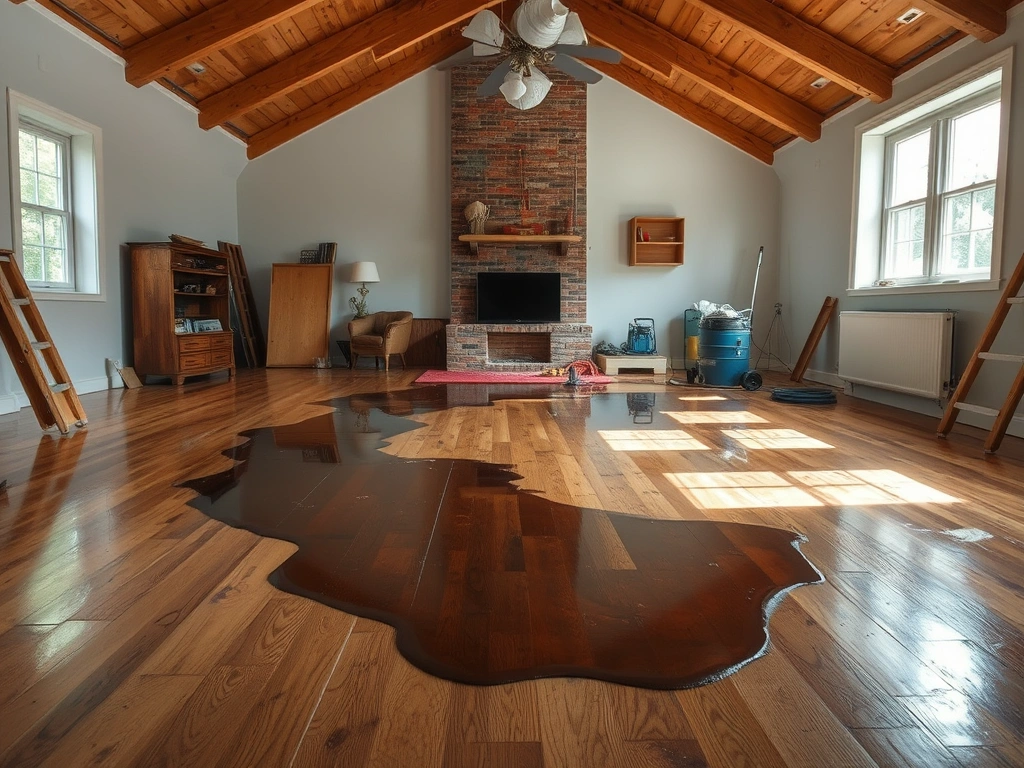
You walk into your living room, and your heart sinks. That beautiful hardwood floor you love? It’s warped, discolored, and sounds hollow underfoot. Water damage has crept in, leaving your prized wood floors looking sad and ruined. You can practically smell the dampness, a sure sign that immediate action is critical. This isn’t just an eyesore; it’s a serious problem that needs professional attention right now. Ignoring it will only lead to more extensive and costly repairs down the line.
We’ve helped over 165 satisfied homeowners around here get their homes back to normal after water incidents. They trust us because we understand the unique challenges of restoring hardwood and wood floors. Our local crews are trained specifically for this type of delicate restoration work. You’ll see why so many in your neighborhood rely on our meticulous approach to bring your floors back to life. We aim for complete customer satisfaction with every job we handle.
- We use specialized drying equipment designed to pull moisture out of wood without causing further damage, preventing cupping and buckling.
- Our team can often salvage and restore original hardwood floors, saving you the significant expense and hassle of full replacement.
- We focus on preventing mold and mildew growth deep within your subflooring and wood, protecting your home’s health and integrity.
How We Tackle Hardwood or Wood Floor Water Damage Restoration
Restoring water-damaged hardwood isn’t like drying out carpet. It requires a specific, science-backed approach to prevent permanent harm. Simply mopping up standing water isn’t enough; hidden moisture lingers, ready to cause trouble. Our team employs precise methods, utilizing advanced moisture meters and targeted drying systems to ensure your wood floors are dried thoroughly and safely. Cutting corners here can lead to costly structural damage and health hazards, so we always follow strict drying protocols to ensure a successful restoration.
Water Extraction and Initial Assessment
First, we’ll carefully assess the extent of the water damage to your hardwood floors. We use specialized equipment to remove any standing water quickly. This initial step is crucial for stopping the damage from spreading further and for getting a clear picture of what we’re dealing with. We’ll also identify the water source to prevent future issues. Expect this phase to take a few hours, depending on the amount of water.
Moisture Detection and Measurement
After the bulk of the water is gone, we use advanced moisture meters to pinpoint exactly where moisture is trapped within your wood planks and subfloor. This isn’t guesswork; we get precise readings to guide our drying strategy. Understanding the depth and concentration of moisture allows us to apply the right techniques for effective drying. This step is vital for a thorough drying process and can take several hours to complete across the affected area.
Controlled Drying and Dehumidification
We then set up specialized drying equipment, including high-velocity air movers and industrial dehumidifiers. These machines create an optimal drying environment, circulating air and removing excess humidity. This controlled process helps to draw moisture out of the wood at a safe rate, minimizing the risk of warping or cracking. This stage can last anywhere from a few days to over a week, depending on the severity of the saturation.
Wood Floor Stabilization and Restoration
Once the wood is properly dried, we’ll assess its condition. In many cases, we can gently flatten and stabilize warped boards. Minor discoloration might be addressed through sanding and refinishing. Our goal is always to restore your floors to their original beauty with minimal intervention. This phase is highly dependent on the wood’s condition and can range from a day or two to several days.
Final Inspection and Sealing
Before we consider the job done, we perform a final inspection. We take new moisture readings to confirm everything is dry and that your floors are stable. If necessary, we may apply protective sealants to help prevent future water damage. Your satisfaction is our priority, and we want to ensure your floors are not only dry but also beautiful. This final check ensures long-lasting results.
Don’t let water damage ruin your beautiful wood floors. Call us immediately for fast, expert restoration. We’re ready to help you today.
Warning Signs You Need Hardwood or Wood Floor Water Damage Restoration
Catching the signs of water damage early is key to saving your hardwood floors and your wallet. What might seem like a minor issue can quickly turn into a major problem if left unaddressed. Knowing what to look for helps you act fast. These indicators are your home’s way of telling you it needs professional attention. Early detection means faster recovery and less stress for you.
Cupping or Crowning of Floorboards
You might notice your floorboards starting to lift at the edges (cupping) or bulge in the center (crowning). This happens when the wood planks absorb moisture unevenly, causing them to swell. It’s a clear sign that moisture is trapped beneath or within the wood. This is a strong indicator of significant moisture intrusion.
Discoloration or Staining
Look for dark spots, water rings, or a general darkening of the wood. This discoloration often signals that water has penetrated the wood fibers and potentially caused staining or mildew growth. The change in color is a visible sign of water saturation.
Buckling or Warping
This is more severe than cupping. Buckling occurs when floorboards lift significantly from the subfloor, creating gaps or raising sections. Warping means the planks themselves have lost their shape. This indicates major structural compromise due to prolonged moisture exposure.
Soft or Spongy Spots
If you step on a section of your hardwood floor and it feels soft, spongy, or gives way slightly, it means the subfloor underneath is likely waterlogged and compromised. This is a serious sign that the integrity of your floor is at risk. These soft areas often hide hidden moisture problems.
Peeling or Bubbling Finish
The protective finish on your hardwood floors might start to peel away, bubble up, or look cloudy in areas affected by water. This is because the moisture is getting between the finish and the wood, compromising the seal. It’s a visual cue that water is damaging the surface.
Musty Odors That Won’t Go Away
A persistent damp, musty smell, especially when you’re near the floor, is a strong indicator of mold or mildew growth that thrives in damp environments. Even if you can’t see visible damage, the smell means there’s likely a hidden moisture problem.
Hardwood or Wood Floor Water Damage Restoration vs. DIY: When To Call a Pro
| Situation | DIY? | Call a Pro? | Why |
|---|---|---|---|
| Minor spill on sealed hardwood (wiped up immediately) | Yes | No | Usually dries without issue if sealed properly. |
| Standing water for more than a few hours | No | Yes | Hidden moisture will cause damage; requires specialized drying. |
| Visible cupping or buckling of floorboards | No | Yes | Requires professional assessment and drying to prevent permanent damage. |
| Discoloration or dark spots on the wood | No | Yes | Likely indicates deep moisture intrusion and potential mold growth. |
| Musty odors emanating from the floor | No | Yes | Sign of mold/mildew, which requires professional containment and remediation. |
| Water damage after a flood or burst pipe | No | Yes | Extensive saturation requires industrial equipment and expertise. |
For any situation involving standing water, visible damage to the wood, or persistent odors, calling a professional is the safest and most effective route. DIY methods often fall short when it comes to properly drying wood and preventing long-term issues. Professional expertise ensures your floors are restored correctly and safely.
Hardwood or Wood Floor Water Damage Restoration Cost In University Park, TX
The cost for hardwood or wood floor water damage restoration in University Park, TX, can vary significantly. Factors like the size of the affected area, the depth of water intrusion, and the type of wood all play a role. These prices are estimates and a detailed on-site inspection is needed for an accurate quote. We aim for transparent pricing.
| Service | Typical Price Range | What Affects Cost |
|---|---|---|
| Water Extraction & Initial Drying | $500 – $2,000 | Amount of standing water and size of the affected area. |
| Moisture Detection & Targeted Drying | $700 – $3,500 | Complexity of moisture trapping and duration of drying needed. |
| Wood Stabilization & Minor Repair | $1,000 – $4,000 | Number of boards needing stabilization or replacement. |
| Subfloor Drying & Deodorization | $800 – $3,000 | Extent of subfloor saturation and need for odor treatment. |
| Sanding & Refinishing (if needed) | $1,500 – $5,000+ | Square footage of the floor and type of finish applied. |
| Full Wood Floor Replacement (worst case) | $6 – $12+ per sq ft | Material costs, labor, and complexity of installation. |
These figures provide a general idea, but your specific situation might differ. We offer free estimates and can provide a precise quote after assessing the damage to your floors. Contact us today for a no-obligation assessment.
Service Areas Near University Park, TX
Dallas, Fort Worth, Arlington, Plano, Frisco, Irving, Garland, Grand Prairie, McKinney, Denton, Richardson, Carrollton, Lewisville, Allen, Mesquite, Euless, Bedford, Grapevine, Coppell, Rowlett
Common Questions About Hardwood or Wood Floor Water Damage Restoration
How long does it take to dry hardwood floors after water damage?
The drying time for hardwood floors can vary significantly, typically ranging from three days to two weeks, sometimes longer. It depends heavily on the amount of water, how deep it penetrated, the type of wood, and the drying conditions we create. Our team uses advanced equipment to accelerate the process safely, but we never rush it. We monitor moisture levels constantly to ensure complete drying. We’ll give you a realistic timeline after our initial assessment.
Will my insurance cover hardwood floor water damage restoration?
In many cases, yes, your homeowner’s insurance policy will cover hardwood floor water damage, especially if it was caused by a sudden and accidental event like a burst pipe or appliance malfunction. However, coverage for gradual leaks or flood damage can differ. It’s always best to check your specific policy and contact your insurance provider. We can help document the damage for your claim and work directly with adjusters.
What are the health risks associated with unaddressed wood floor water damage?
The primary health risk is mold and mildew growth, which thrives in damp environments like waterlogged wood and subfloors. Inhaling mold spores can trigger allergies, asthma symptoms, and other respiratory issues. It’s crucial to address water damage promptly to prevent these serious health hazards. Our team is trained to identify and remediate mold growth as part of the restoration process.
Can you really save warped or buckled hardwood floors?
Often, yes. Our specialized drying techniques are designed to gently pull moisture out of the wood, allowing it to stabilize and flatten. While severe buckling might require some board replacement, we can frequently salvage and restore floors that look beyond repair. We use controlled drying and sometimes specialized weight systems to help reverse warping. Our goal is always to restore your original floors whenever possible.
What should I do immediately after discovering water damage on my wood floors?
First, if it’s safe to do so, stop the water source. Then, remove any standing water using towels or a wet/dry vacuum. Avoid using excessive heat or fans directly on the wood, as this can cause it to dry too quickly and crack. Most importantly, call a professional restoration team immediately. The sooner we can begin the drying process, the better the chances of saving your hardwood floors. We’re available to help you through this.
Check Our Other Relevant Services
- Black Mold Remediation & Removal in University Park, TX
- Café Damage Restoration in University Park, TX
Serving University Park, TX And Nearby Areas