
Trusted by 150+ Homeowners
Smoke Damage Assessment in Garland, TX
- Over 150 5-Star Reviews
- Free Estimates and Quotes
- 100% Satisfaction Guaranteed
- Child, Family & Pet Safe Steps
- 24-Hour Emergency Service
- Fully Licensed & Insured
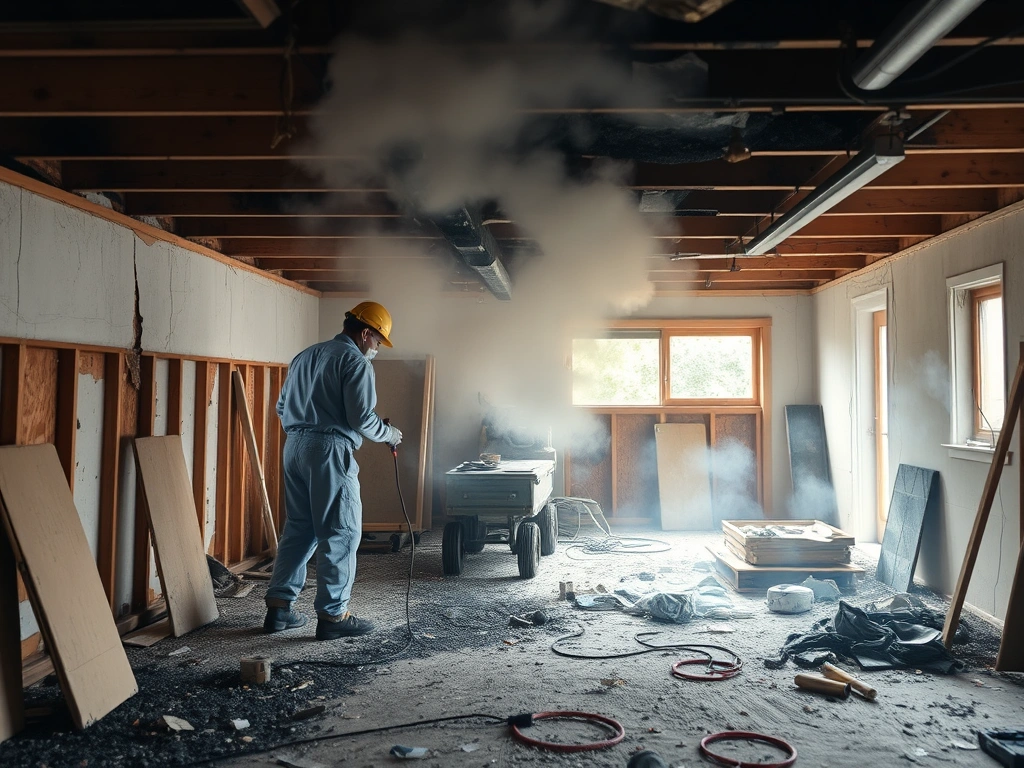
Don’t Let Lingering Smoke Odors Ruin Your Home in Garland, TX
You walk back into your home after a minor incident, maybe a small kitchen fire or even just a smoky candle that burned too long. You notice it immediately: a faint, acrid smell that clings to everything. It’s not just a smell; it’s a pervasive residue that settles on your walls, your furniture, your fabrics. You’re wondering how deep this smoke damage really goes and if it’ll ever truly go away. Understanding the extent of smoke damage is the first critical step toward reclaiming your living space. This isn’t something you can just air out. You need a thorough assessment to know what you’re dealing with.
Locally, homeowners trust our team for precise smoke damage assessments because we bring a level of detail that truly matters. We’ve helped over 165 families in your neighborhood get back to normal after smoke-related issues. You’ll find that our meticulous approach makes all the difference in identifying hidden problems and planning the right course of action. We’re known for our clear communication and accurate evaluations.
- We pinpoint the source and type of smoke, which dictates the best cleaning and deodorizing methods for your specific situation.
- Our assessments identify microscopic soot particles that can cause long-term health issues and structural degradation if left untreated.
- We provide a detailed report that helps you understand the full scope of the damage, enabling informed decisions about repairs and restoration.
How A Professional Smoke Damage Assessment Works
When smoke hits your home, it’s not just visible soot; it’s microscopic particles that penetrate porous materials and create stubborn odors. A proper assessment goes beyond a simple visual inspection. It involves using specialized equipment and scientific knowledge to detect the true impact. Cutting corners here can lead to recurring smells, potential health problems, and costly secondary damage down the line. Our team’s process is designed to be thorough and scientific, ensuring no detail is missed for effective restoration.
Initial Inspection and Containment
Our technicians begin by carefully inspecting the affected areas, noting the type of smoke (wet, dry, or protein) and its spread. We then establish containment zones using barriers to prevent cross-contamination. This initial phase is crucial for preventing further spread and ensuring accurate assessment.
Soot and Odor Detection
We utilize advanced tools like moisture meters and specialized air scrubbers with HEPA filters to detect hidden soot and volatile organic compounds (VOCs) that cause odors. Understanding these levels helps us determine the necessary cleaning agents and techniques. This allows for targeted treatment and complete odor removal.
Material Analysis
Our team analyzes how smoke has affected various materials – drywall, wood, fabrics, electronics, and more. We determine if materials can be cleaned and restored or if they require replacement. This careful analysis prevents unnecessary costly replacements and ensures material longevity.
Documentation and Reporting
We meticulously document all findings, including photographic evidence and detailed notes on affected areas and materials. You’ll receive a clear, easy-to-understand report outlining our assessment and recommended next steps. This provides you with full transparency and helps with insurance claims.
Don’t let smoke damage linger. Contact us today for a fast, accurate assessment and start your recovery process. We’re ready to help you breathe easier.
Warning Signs You Need a Smoke Damage Assessment
Sometimes, the signs of smoke damage are obvious, but often they’re subtle and can be easily overlooked. Ignoring these early indicators can lead to more significant problems, including persistent odors, structural issues, and health concerns. Catching these signs early saves you time, money, and stress. Our team is here to help you identify them.
Lingering, Pungent Odors
Even after the fire is out and the area is aired out, a persistent, acrid smell can remain. This odor often seems to come from nowhere and can be deeply unsettling. It indicates that soot particles are still embedded in your home’s structure and belongings. Addressing these odors is key to a healthy home.
Visible Soot Residue
You might see a fine, powdery dust on surfaces like walls, ceilings, furniture, or even inside cabinets. This residue can be dark or light, depending on the type of smoke. It’s not just unsightly; it can be corrosive and harmful if inhaled. Removing all soot is essential.
Discoloration of Surfaces
Walls, ceilings, and even fabrics might appear yellowish or brownish, especially around vents or areas where smoke was concentrated. This discoloration is a direct sign of smoke and soot penetration. It shows that the smoke has truly compromised your surfaces.
Changes in Material Texture
Some materials might feel sticky or greasy to the touch after smoke exposure. This is common with certain types of smoke, like from burning plastics or proteins. This sticky film traps odors and can damage finishes over time. Tackling this residue promptly prevents deeper damage.
Electronics Malfunctioning
Soot particles are conductive and can interfere with the delicate components of electronics. If your appliances, computers, or entertainment systems start acting erratically, smoke damage could be the culprit. This requires a specialized cleaning approach.
Respiratory Irritation
If you or your family members start experiencing unexplained coughing, sneezing, or irritated throats after a smoky incident, it’s a strong indicator that smoke particles are still airborne. These particles can exacerbate allergies and asthma. Your family’s health is paramount.
Smoke Damage Assessment vs. DIY: When To Call a Professional
| Situation | DIY? | Call a Pro? | Why |
|---|---|---|---|
| Light, surface-level dust on a non-porous surface after a candle fire. | Yes | No | Simple wipe-down usually suffices for minor surface soot. |
| Lingering, strong smoky odor throughout the house after a small kitchen fire. | No | Yes | Odors indicate deep soot penetration requiring professional equipment. |
| Visible black or brown residue on walls and ceilings. | No | Yes | Soot can be acidic and requires specialized cleaning agents to avoid damage. |
| Yellowish stains appearing on painted surfaces. | No | Yes | Stains mean smoke has bonded with the surface, needing professional treatment. |
| Smoke smell inside HVAC vents and ductwork. | No | Yes | Ducts require professional cleaning to avoid recirculating odors and soot. |
| Concerns about potential health effects from smoke inhalation. | No | Yes | Professionals can test air quality and ensure a safe environment. |
While minor dust might be manageable, complex situations involving persistent odors, visible residue, or health concerns demand professional intervention. A proper assessment by our team ensures that all smoke and soot are identified and addressed effectively. We provide the expertise you need for a truly clean home.
Smoke Damage Assessment Cost In Garland, TX
The cost of a smoke damage assessment in Garland, TX can vary based on several factors. These include the size of your property, the severity and type of smoke damage, and the complexity of the affected materials. These figures represent typical ranges and are not a guarantee of specific pricing. We always recommend a detailed on-site inspection for an accurate estimate.
| Service Aspect | Typical Price Range | What Affects Cost |
|---|---|---|
| Initial Visual Inspection and Consultation | $250 – $750 | Complexity of the incident and size of the affected area. |
| Soot and Odor Detection with Specialized Equipment | $500 – $1,500 | Number of areas to test and specific equipment required. |
| Material Assessment and Salvageability Report | $700 – $2,000 | Variety of materials present and extent of potential damage. |
| Detailed Written Assessment Report | $300 – $800 | Level of detail required, especially for insurance purposes. |
| Containment Setup for Assessment | $400 – $1,200 | Size of containment needed and duration of the assessment process. |
| Air Quality Testing Post-Assessment | $350 – $900 | Number of samples taken and types of contaminants tested for. |
These costs reflect the specialized knowledge and equipment necessary for an accurate evaluation. We offer free, no-obligation estimates to give you a clear understanding of what to expect. Let us provide a precise quote for your property.
Service Areas Near Garland, TX
Addison, Allen, Arlington, Bedford, Carrollton, Coppell, Dallas, Desoto, Duncanville, Euless, Farmers Branch, Fort Worth, Frisco, Grand Prairie, Grapevine, Highland Park, Hurst, Irving, Lancaster, Lewisville, McKinney, Mesquite, North Richland Hills, Plano, Richardson, Rockwall, Rowlett, Sachse, Southlake, University Park, Watauga, Waxahachie, White Settlement, Wylie.
Common Questions About Smoke Damage Assessment
What is the difference between smoke damage and fire damage?
Fire damage is the direct result of flames consuming materials. Smoke damage, however, is the residue and odor left behind even in areas not directly touched by fire. Soot particles can travel far from the fire’s source, causing invisible damage and persistent smells. Our team specializes in identifying and assessing both types of damage to ensure a complete restoration.
How long does a smoke damage assessment typically take?
The duration of an assessment depends on the size of your property and the extent of the smoke impact. A small area might take a few hours, while a larger home could require a full day or more. We work efficiently to provide you with answers quickly, aiming for swift evaluation and clear reporting.
Can smoke damage cause health problems?
Yes, absolutely. Inhaling smoke particles and the volatile organic compounds within them can cause respiratory irritation, trigger asthma, and lead to other health issues. Children and the elderly are particularly vulnerable. A professional assessment helps determine the air quality and the necessary steps for ensuring a healthy environment.
What kind of equipment do you use for smoke damage assessment?
We use a variety of specialized tools, including moisture meters, thermal imaging cameras, air scrubbers with HEPA filters, ozone generators for odor neutralization testing, and advanced chemical testing kits. These tools allow us to detect hidden soot, measure moisture levels, and identify the specific compounds causing odors. This scientific approach ensures thorough detection and accurate analysis.
How soon should I get a smoke damage assessment after an incident in Garland, TX?
It’s best to schedule an assessment as soon as possible after the fire is extinguished and it’s safe to enter your property. The longer smoke residue sits, the more it can penetrate materials and cause permanent damage or staining. Prompt assessment helps mitigate further issues and allows for faster recovery. We’re available to help immediately.
Check Our Other Relevant Services
Serving Garland, TX And Nearby Areas



