A burst pipe can release hundreds of gallons before it is found. Trained technicians in Dallas respond around the clock to stop the spread, extract the water, and dry the structure with equipment sized to the loss.

Dispatch answers any hour, and a crew reaches most Dallas homes in about an hour to help locate the shutoff and stop water from feeding the burst line.
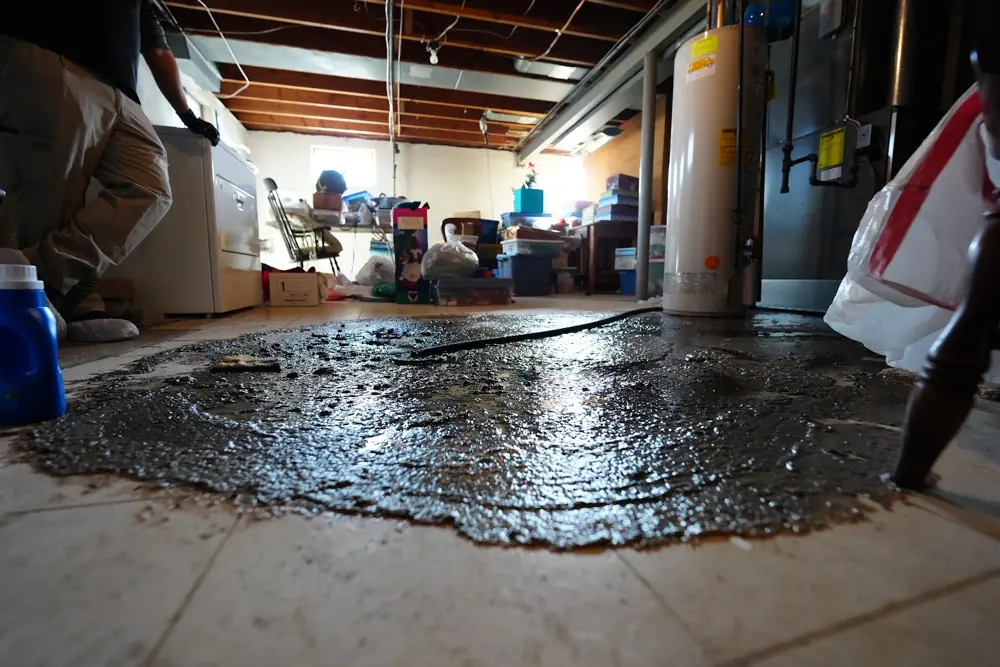
Truck-mounted extractors pull standing water while contents are moved clear, and the affected area is contained so moisture does not migrate into dry rooms.
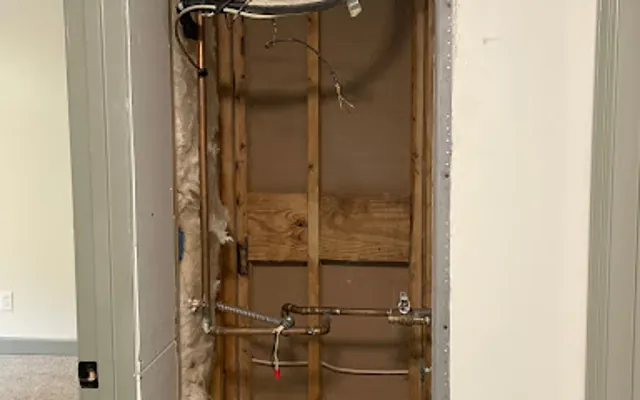
Wet drywall, baseboard, and insulation are opened where the pipe released, since water trapped inside a wall cavity will not dry on its own and invites mold.
Air movers and dehumidifiers dry the framing and finishes, and moisture is metered daily until dry, with readings and photos compiled for the claim.

While help is on the way, these first steps, done only where it is safe, limit the damage and protect the insurance claim.
Shut the supply off at the source, or close the home's main valve if the source is not obvious. Stopping the flow limits the damage more than anything else.
Switch off electricity to the affected area, but only if the breaker can be reached without standing in or touching the water.
Get a crew dispatched right away. The sooner extraction and drying begin, the more flooring, drywall, and belongings can be saved.
Take photos and a short video of the water and the affected rooms before anything is moved, so the insurance claim starts strong.
Burst pipe cleanup in Dallas commonly runs from about $2,000 to $8,000, with the figure driven by how long water ran before the shutoff, how many rooms and levels it reached, and how much wall and ceiling must be opened to dry the cavities. A slow crack caught early sits low, while an attic line that burst during a freeze and ran for hours reaches the top. Sudden pipe failures are typically covered by homeowners insurance, and the crew documents readings and photos for the carrier.
Crews reach Dallas, Dallas County, and the surrounding North Texas communities fast, from Oak Cliff, the Bishop Arts District, and Lakewood to Highland Park, University Park, Irving, Richardson, and Garland. See the full list on the areas served across Dallas page.
See all areas servedEvery loss is photographed, measured, and logged from the first visit, so the paperwork holds up with the insurance carrier.
Technicians follow recognized IICRC drying standards and prove it with daily moisture readings on Dallas homes, not guesswork.
Emergency dispatch any hour of the day or night, with a real crew on the way across North Texas, not a callback in the morning.
A real crew dispatched any hour, not a callback in the morning.
Trained technicians following recognized IICRC drying standards.
Truck-mounted, portable, and submersible for any size loss.
The loss is documented and billed to the carrier directly.
Shut off the main water supply and the electricity to affected areas if it is safe, then call for dispatch. Stopping the water source is the single most important step to limit how far the damage spreads.
Most of the year they do not. The risk comes during rare hard freezes, when attic and exterior-wall lines common in local slab homes freeze and split. Shifting clay soil and aging pipe cause bursts in any season.
Usually where the pipe released. Water trapped inside a wall or ceiling cavity cannot dry on its own and will grow mold, so wet drywall and insulation are opened or removed to dry the framing properly.
Sudden, accidental pipe failures are commonly covered under homeowners policies, though gradual leaks may not be. The crew documents moisture readings and photos so the homeowner can submit a clear claim to the carrier.
Dallas crews are on call 24 hours a day, local and fast, and can be on the way within the hour.
Call (945) 307-0757